
Caring for this biennial beauty requires a nuanced understanding of its natural lifecycle and preferred environment. While often considered a low-maintenance addition to the cottage garden, providing the right foundation ensures a spectacular display of both flowers and seed pods. Gardeners should prioritize a location that offers well-drained soil rich in organic matter to mimic its native woodland edges. Establishing a consistent routine during the first year of growth is vital for a strong root system.
Establishing a proper soil structure is the first step toward a healthy plant. The soil should be kept moderately moist but never waterlogged to prevent crown rot. Incorporating well-rotted compost during the initial preparation improves the soil’s water retention capabilities. Regular observation helps identify if the plant is receiving adequate nutrients from its surroundings.
During the first year, the plant focuses primarily on developing a robust rosette of leaves. This foliage must be protected from extreme environmental stressors to ensure enough energy is stored for the following year. Ensuring adequate air circulation around these rosettes prevents the development of fungal pathogens. Keeping the area free of aggressive weeds reduces competition for essential soil resources.
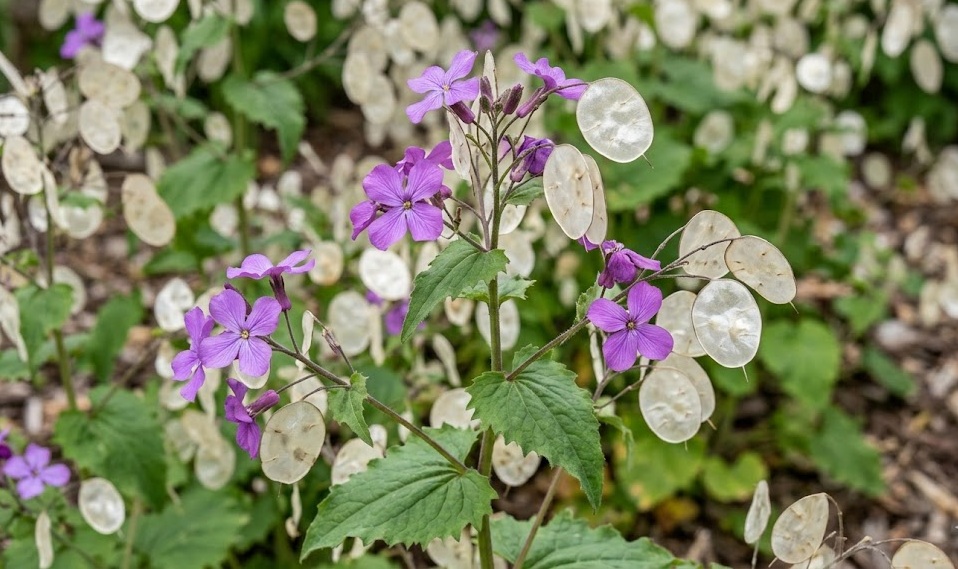
As the plant transitions into its second year, the focus shifts toward the production of vibrant purple or white flowers. This period demands consistent monitoring as the plant rapidly gains height and prepares for its main reproductive phase. Supporting the stems might be necessary in windy locations to prevent breakage during peak bloom. Maintaining a steady environment allows the plant to allocate its energy toward high-quality seed production.
Understanding the biennial cycle
The life of this plant is a two-year journey that dictates every aspect of its care. In the first year, it remains a low-profile green rosette that quietly builds the necessary biomass for its future. Many gardeners mistake this quiet phase for a lack of growth, but the roots are working hard beneath the surface. Understanding this timeline prevents the frustration of not seeing flowers in the very first season.
More articles on this topic
When the second spring arrives, the plant undergoes a dramatic transformation that captures the eye. The central stem shoots upward, carrying clusters of fragrant blossoms that attract various pollinators to the garden. This is the stage where the plant is most demanding in terms of hydration and general site stability. Proper care during this surge ensures the subsequent seed pods will be large and well-formed.
Once the flowering concludes, the plant enters its most iconic phase of developing translucent seed pods. These pods require time to dry naturally on the stem to achieve their characteristic silver appearance. Rushing this process or cutting the stems too early can result in green, shriveled pods that lack decorative value. Patience is the primary virtue during this final stage of the biennial’s existence.
After the seeds have matured and dispersed, the parent plant naturally reaches the end of its life. While it will not return for a third year, its legacy continues through the numerous seeds it leaves behind. Removing the dead foliage at this point helps keep the garden tidy while making room for the next generation. This natural cycle ensures a self-sustaining population if managed with care and foresight.
Soil health and composition
The foundation of a flourishing specimen lies in the quality and texture of the garden soil. A loamy soil that balances drainage with moisture retention is ideal for supporting deep root penetration. If the garden has heavy clay, amending it with coarse sand or organic grit can significantly improve the internal drainage. Testing the soil pH ensures that the environment remains slightly acidic to neutral for optimal nutrient uptake.
More articles on this topic
Organic matter serves as more than just a source of nutrients for these plants. It improves the overall soil structure, allowing for better aeration and microbial activity which benefits the root zone. Mulching around the base with leaf mold or garden compost helps maintain a stable soil temperature. This layer also prevents the soil from crusting over after heavy rains or periods of intense sun.
Nutrient availability is particularly important during the early spring of the second year. While the plant is not a heavy feeder, a slow-release balanced fertilizer can provide the necessary boost. Avoid high-nitrogen fertilizers that might encourage excessive leaf growth at the expense of flower and pod quality. A steady supply of minerals ensures the stems are strong enough to support the weight of the maturing pods.
Monitoring the soil moisture levels throughout the growing season prevents physiological stress. The soil should feel cool and damp to the touch, but not saturated to the point where oxygen is excluded. During dry spells, deep watering is more effective than frequent shallow sprays to encourage deep rooting. This practice makes the plant more resilient against the heat of mid-summer.
General maintenance routines
Maintaining the aesthetic and health of the plant involves regular inspections throughout the growing season. Removing any damaged or yellowing leaves from the rosette helps maintain a clean appearance and limits pest hiding spots. This practice also allows more light to reach the center of the plant, promoting uniform growth. A clean garden floor reduces the risk of soil-borne diseases affecting the foliage.
Managing the surrounding vegetation is a key part of caring for this specific biennial. Because it is a prolific self-seeder, it can sometimes crowd out its neighbors if left entirely to its own devices. Thinning out the seedlings in the autumn ensures that each plant has enough space to reach its full potential. Space allows for better light penetration and air movement, which are critical for preventing mildew.
During the height of summer, the plant might require extra attention to its physical stability. The tall flower spikes can become top-heavy, especially after a rainstorm or in gusty weather. Using discreet bamboo stakes or circular plant supports can prevent the stems from flopping or snapping. This ensures that the beautiful seed pods remain upright and visible for their decorative display.
As the season draws to a close, the focus shifts to the maturation of the seed pods. Resist the urge to tidy up the garden too early, as the pods need the late summer sun to dry. Observing the color change from green to brown and finally to a silvery white is part of the gardening experience. Once the outer skins start to peel away, the plant has completed its mission.
Maximizing the decorative display
The primary reason many gardeners grow this plant is for its unique, coin-shaped seed pods. To achieve the best visual results, the plant must be kept healthy during its entire flowering period. Any stress during the blooming stage can lead to smaller or deformed pods that lack the desired translucence. Consistent care results in pods that are large, circular, and perfectly clear.
Harvesting the pods at the correct moment is an art that requires careful observation. Wait until the pods are completely dry and the outer husks begin to separate naturally from the central membrane. If you wish to use them for indoor arrangements, cut the stems near the base once the silver sheen is fully developed. Handling them gently is necessary as the dry membranes can be quite delicate and prone to tearing.
For those who prefer to leave the pods in the garden, they provide excellent winter interest. The silver discs catch the low winter light and can look stunning when covered in a light layer of frost. They also provide a natural food source for small birds that may visit the garden during the colder months. Leaving a few stems standing also ensures that some seeds will fall and germinate for future seasons.
If the goal is to create a dense patch of these plants, strategic positioning is everything. Planting them in groups rather than isolated individuals creates a more impactful visual statement when they are in bloom. The contrast between the dark green foliage and the bright silver pods is a highlight of the late summer garden. Proper care ensures this display is repeated year after year through natural regeneration.
Encouraging a self-sustaining garden
One of the greatest joys of growing this plant is its ability to naturalize within a garden setting. By allowing some of the seeds to fall naturally, the gardener ensures a continuous cycle of new plants. This creates a dynamic garden where the biennials move around slightly each year, finding their favorite spots. Managing this process requires a balance between tidiness and allowing nature to take its course.
Identifying the young seedlings in late summer or early autumn is essential for successful management. They typically appear as small, heart-shaped leaves that can be easily distinguished from common garden weeds. If they have sprouted in an inconvenient location, they can be carefully moved while they are still small. Early intervention ensures they have enough time to establish their roots before the winter chill arrives.
Maintaining a healthy ecosystem around the plants also contributes to their long-term success. Avoiding heavy use of chemical pesticides encourages beneficial insects that keep pest populations in check. A diverse garden provides a better environment for the pollinators that are necessary for seed production. Healthy plants that are part of a balanced system are always more resilient and productive.
The long-term care of a colony involves occasional rejuvenation of the soil in the area where they grow. Every few years, adding a fresh layer of compost helps replenish the nutrients that have been used by successive generations. This ensures that the plants remain vigorous and do not become stunted over time. A little attention to the soil ensures that the silver pods will continue to shine for many years to come.
Professional tips for longevity
Experienced horticulturists often suggest planting these biennials in consecutive years to ensure flowers every season. Because they have a two-year cycle, starting a new batch each spring creates an overlapping population. This technique ensures that there is always one group in the rosette stage and another in the flowering stage. This steady rotation provides a consistent supply of seeds and decorative elements for the landscape.
Another professional secret is to monitor the density of the seedlings very closely in the autumn. Overcrowding can lead to smaller plants that are more susceptible to disease and produce fewer flowers. Aiming for a spacing of about thirty centimeters between plants gives them the room they need to expand. This spacing also makes it easier to perform routine maintenance tasks like weeding and mulching.
Watering should be adjusted according to the specific developmental stage of the plant. While young rosettes need consistent moisture, established flowering plants can tolerate slightly drier conditions. However, a sudden lack of water during pod formation can lead to premature dropping of the seeds. Finding the right balance of hydration is key to professional-looking results.
Finally, recording the performance of the plants in different parts of the garden can provide valuable insights. Some areas might produce larger pods or more vibrant flowers based on the microclimate and soil conditions. Using these observations allows the gardener to optimize the placement of future generations for maximum effect. Successful gardening is often a combination of biological knowledge and careful, ongoing observation.