
Caring for the fragrance viburnum requires a deep understanding of its natural cycle and environmental needs to ensure its distinctive perfume fills your garden. You should begin by monitoring the soil conditions daily to maintain a consistent level of moisture without causing waterlogging near the roots. Observing the leaves for any signs of discoloration or wilting will help you intervene before any major health issues arise for the shrub. Taking a proactive approach to maintenance will ultimately result in a more resilient plant that provides aesthetic value for many years to come.
Establishing a routine for your garden allows the plant to settle into its surroundings with minimal stress. You should regularly check the surrounding mulch layer to ensure it is thick enough to regulate ground temperature effectively. Removing any weeds that grow near the base of the shrub will reduce competition for vital nutrients and water. This consistent attention to detail creates a stable environment where the shrub can focus its energy on flowering and growth.
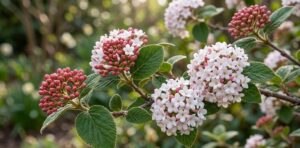
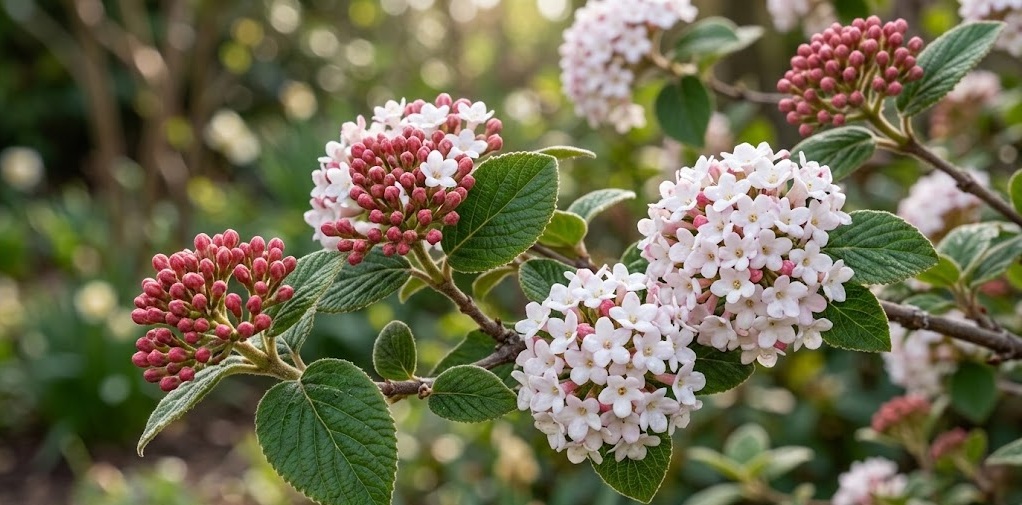
Understanding the specific growth habits of this variety helps you predict when the plant might need extra support during the growing season. You will notice that the fragrance becomes most intense during the early spring weeks when the white flower clusters fully expand. During this period, avoid moving the plant or making drastic changes to its immediate environment to prevent bud drop. Your patience during the dormant months will be rewarded with a spectacular sensory experience as the weather warms up.
Professional gardeners often emphasize the importance of air circulation around the canopy to prevent stagnant conditions. You should ensure that nearby plants are not encroaching on the space designated for your viburnum to allow for proper ventilation. Good airflow significantly reduces the risk of moisture-related issues on the foliage and encourages a more uniform distribution of the scent. Keeping the area tidy and well-spaced is a fundamental step in achieving a high-quality horticultural result.
Seasonal observation techniques
Monitoring the transition from winter dormancy to spring activity is crucial for identifying the exact moment the shrub requires its first boost. You should look for the swelling of the buds as a primary indicator that the sap has started to flow within the stems. This is the perfect time to clear away any debris that may have accumulated around the base during the colder months. Early intervention ensures that the plant starts the new season in a clean and healthy state.
More articles on this topic
Summer care focuses primarily on maintaining hydration levels when the temperatures begin to rise significantly. You will see that the leaves may start to droop slightly in the late afternoon sun if the soil is becoming too dry. It is best to perform a deep soak in the early morning to provide the roots with enough reserves for the day. Consistent moisture throughout the hottest weeks will keep the foliage vibrant and prevent premature leaf drop.
Autumn marks the period when the plant begins to prepare for its next cycle of rest and energy storage. You should notice the leaves changing color, which is a natural process as the shrub pulls nutrients back into its woody structure. Reducing the frequency of your interventions during this time allows the plant to harden off its new growth. It is a time for reflection on the successes of the year and for making notes on future improvements.
Winter observation is often overlooked but remains an essential part of an expert gardening strategy. You should check the bark for any signs of mechanical damage from ice or local wildlife that might seek shelter. Ensuring that the structural integrity of the branches remains intact will prevent breaks during heavy snowfall. Even when the plant appears inactive, it is still interacting with its environment in subtle and important ways.
Nutritional balance and soil health
Providing the right mix of organic matter ensures that the soil remains fertile and well-structured for long-term health. You should consider adding a layer of well-rotted compost every spring to replenish the nutrients that were depleted in the previous year. This natural approach supports the microbial life in the soil, which in turn helps the roots absorb minerals more efficiently. Healthy soil is the foundation upon which the entire success of the shrub is built.
More articles on this topic
Achieving the correct acidity level is another technical aspect that requires your attention for optimal growth. You will find that this species prefers slightly acidic to neutral conditions to maintain its lush green appearance. Using a simple soil testing kit can provide you with the necessary data to make informed decisions about soil amendments. Small adjustments to the pH level can make a significant difference in how the plant processes available nutrients.
Micronutrients play a subtle but vital role in the development of the aromatic compounds within the flowers. You should look for signs of chlorosis, which often manifests as yellowing between the leaf veins, indicating a potential deficiency. Supplementing with specific minerals like iron or magnesium can quickly correct these imbalances if they are detected early. Expert care involves recognizing these silent signals before they impact the overall vigor of the shrub.
Soil texture also influences how effectively the root system can expand and anchor the plant. You should aim for a loamy consistency that allows for both drainage and moisture retention at the same time. If your garden has heavy clay or very sandy soil, incorporating organic amendments is the best way to improve its physical properties. A well-aerated root zone allows the plant to breathe and prevents the suffocation of delicate root hairs.
Structural support and growth habits
The physical form of the shrub determines its presence in the landscape and its ability to withstand external pressures. You should observe the natural branching patterns to understand how the plant intends to fill the space provided. Occasionally, a young specimen might need temporary staking to ensure it grows upright during its first few seasons. This early guidance helps create a strong central framework that will last for decades.
As the plant matures, you will see it develop a rounded and somewhat dense habit that provides excellent screening. You should avoid overcrowding the interior of the shrub, as this can lead to a loss of foliage in the center. Gently thinning out some of the older wood every few years encourages the growth of fresh, productive stems. Maintaining a balanced shape ensures that light can reach all parts of the plant equally.
The woody stems of this viburnum are relatively sturdy but can be prone to splitting if they grow at sharp angles. You should look for any “V-shaped” crotches and consider whether they need intervention to prevent future damage. Selecting the strongest branches to remain while removing weaker competitors will enhance the structural integrity of the whole. A well-managed skeleton is essential for supporting the weight of the heavy spring blooms.
Encouraging a wide and deep root system is just as important as managing the visible parts of the shrub. You should encourage roots to grow outward by applying water and fertilizer slightly beyond the drip line of the canopy. This technique forces the plant to seek out resources over a larger area, making it more stable and drought-tolerant. A robust foundation hidden underground is the secret to a long-lived and healthy garden specimen.
Environmental adaptation strategies
This shrub is remarkably adaptable to various garden settings, but it performs best when its core needs are met. You should consider the microclimate of your specific garden, taking note of wind patterns and frost pockets. Providing a sheltered location can protect the delicate blossoms from being damaged by late spring gusts. Understanding these local nuances allows you to place the plant where it will truly shine.
The ability of the plant to handle different temperature ranges makes it a versatile choice for many regions. You will notice that it can withstand significant cold, but it appreciates a bit of cooling shade during the most intense summer afternoons. Balancing these two extremes requires a thoughtful placement strategy during the initial design phase. Observing how the sun moves across your property will give you the best clues for success.
Urban environments present unique challenges such as heat islands and localized pollution that can affect plant health. You should wash the foliage occasionally with a gentle spray of water to remove dust and soot from the leaves. This simple act improves the plant’s ability to photosynthesize and keeps the stomata clear for gas exchange. Even in a city garden, this viburnum can provide a refreshing burst of nature and fragrance.
Competing with large nearby trees for resources is a common situation that you might need to manage. You should be prepared to provide extra water and nutrients if the viburnum is planted under the canopy of a mature oak or maple. The larger tree will always have a more established root system and will take the lion’s share of available moisture. Supplementing the needs of the smaller shrub ensures it doesn’t get outcompeted and stunted.
Common care pitfalls to avoid
Overwatering is perhaps the most frequent mistake made by enthusiastic gardeners who want to help their plants. You should always feel the soil a few inches below the surface before deciding to add more water to the area. If the ground feels consistently soggy, you risk causing root rot, which is difficult to reverse once it starts. Learning to read the moisture levels of the earth is a skill that comes with time and careful observation.
Another issue arises when gardeners apply heavy amounts of nitrogen-rich fertilizer late in the growing season. You should stop any major feeding by mid-summer to prevent the stimulation of soft, new growth that won’t survive the winter. This tender foliage is highly susceptible to frost damage and can provide an entry point for various pathogens. Timing your nutritional supplements correctly is just as important as the quality of the product itself.
Neglecting the mulch layer can lead to rapid fluctuations in soil temperature and moisture, which stresses the plant. You should maintain a consistent depth of organic material, but keep it a few inches away from the actual trunk of the shrub. Placing mulch directly against the bark can trap moisture and encourage fungal growth or pest infestations. A properly applied ring of mulch is a protective barrier that should be refreshed annually.
Finally, many people forget to check for signs of stress during periods of unusually dry winter weather. You should remember that even dormant plants lose moisture through their stems and buds when the air is very dry. Providing a light watering during a winter thaw can prevent the roots from drying out completely during a long cold spell. Staying engaged with your garden throughout the entire year prevents these small issues from becoming big problems.
Long term vitality strategies
Maintaining the health of your viburnum over many years requires a commitment to consistent but gentle maintenance. You should keep a garden journal to record the flowering dates and any specific treatments you have applied to the soil. This historical data becomes incredibly valuable for spotting trends or identifying the cause of any sudden changes. Knowledge of your plant’s personal history allows for much more precise and effective care.
As the shrub reaches its full size, you may need to adjust your watering and feeding schedules to match its increased mass. You should continue to monitor the vitality of the new growth each year to ensure the plant is not becoming “tired” or stagnant. If growth slows significantly, it may be time for a more thorough soil analysis or a rejuvenating prune. Constant renewal is the key to keeping an older specimen looking as vibrant as a young one.
Sharing your experiences with other local gardeners can provide new insights into regional challenges or successes. You might find that a neighbor has discovered a specific organic treatment that works particularly well in your local soil type. Horticulture is a communal hobby where shared knowledge benefits everyone’s landscape and enjoyment of nature. Being part of a gardening community enriches your own understanding and appreciation of the plant.
Ultimately, the goal of expert care is to create a harmonious relationship between the plant and its environment. You should strive to work with nature rather than against it, selecting interventions that support the plant’s natural defenses. When you see the first white flowers open and smell that incredible fragrance, you will know that all your efforts were worth it. A well-tended viburnum is a testament to the skill and dedication of the gardener who looks after it.