
Creating the ideal environment
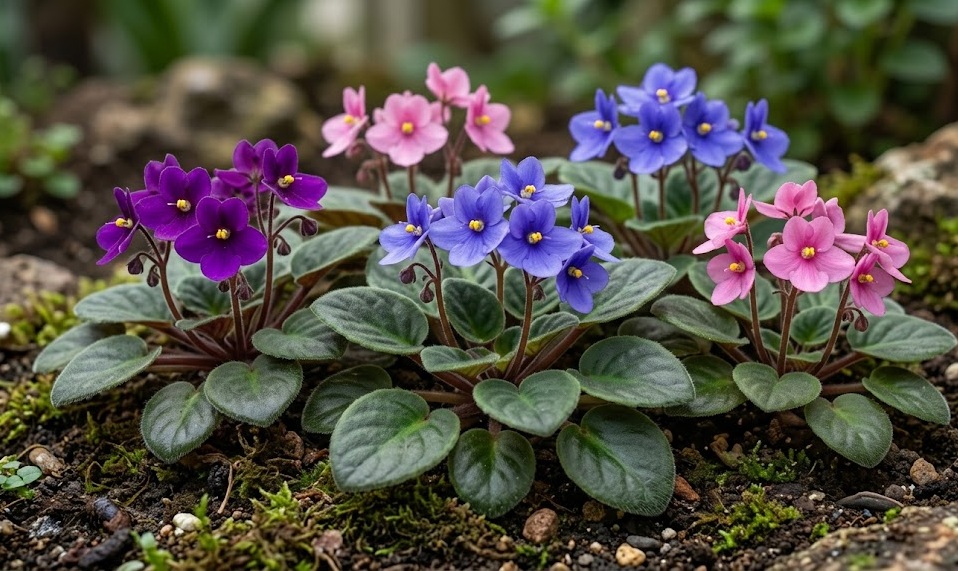
Establishing a consistent environment is the cornerstone of successful African violet care, especially when aiming for year-round blooms. These plants thrive in conditions that mimic their natural East African habitat, where stability is key to their metabolic processes. You should focus on finding a location that offers bright, indirect light while protecting them from harsh drafts that can chill the foliage. Maintaining this balance ensures that the plant remains healthy and resilient against various environmental stressors throughout the seasons.
Humidity plays a vital role in the physiological development of the plant, often requiring specific attention in modern indoor settings. Most homes suffer from low humidity, which can lead to the drying of delicate flower buds before they even open. You might consider using a pebble tray filled with water to subtly increase the moisture levels in the immediate vicinity of the pot. Ensure the bottom of the pot never touches the water directly to prevent the soil from becoming overly saturated.
The selection of potting medium is just as important as the physical location because it dictates how oxygen reaches the root system. African violets require a very light, porous soil mix that allows for rapid drainage while still holding onto essential moisture. Many experts recommend a blend consisting of peat moss, perlite, and vermiculite in roughly equal proportions for the best results. Using a heavy garden soil will almost certainly lead to root suffocation and subsequent plant decline.
Temperature consistency is the final piece of the puzzle for providing a high-quality living space for your indoor plants. They generally prefer daytime temperatures between sixty-five and seventy-five degrees Fahrenheit to maintain optimal growth rates. Significant drops at night can stall the blooming cycle and make the plant more susceptible to fungal pathogens. Always avoid placing your pots near heat vents or air conditioners to prevent sudden temperature shocks.
Understanding growth habits
The growth habit of these plants is naturally rosette-forming, meaning the leaves radiate outward from a central point. To maintain this beautiful symmetry, you should regularly rotate the pot by a quarter turn every time you water. This practice prevents the plant from leaning toward the light source and ensures even development of the foliage. Without rotation, the plant will become lopsided and lose its aesthetic appeal over several months.
More articles on this topic
As the plant matures, you will notice that older leaves at the bottom of the rosette naturally begin to age and lose their luster. This is a normal biological process, and removing these leaves helps the plant direct its energy toward new growth. Use clean, sharp scissors or your fingers to snap the leaf stem off as close to the main trunk as possible. Keeping the plant clean prevents the buildup of debris where pests might find a convenient hiding spot.
You should also pay close attention to the development of “suckers,” which are small new plants growing from the side of the main stem. While it might seem like a good thing to have more leaves, these suckers can distort the shape of the original rosette. Removing them early allows the primary plant to maintain its singular crown and produce larger, more impressive flowers. If left alone, the plant will eventually look crowded and produce fewer blooms because of the competition for nutrients.
The life cycle of the flowers themselves provides a clear indicator of the overall health and vigor of your violet. Each bloom typically lasts for several weeks, depending on the temperature and humidity levels in your home. Once the flowers begin to fade or turn brown, you should pinch them off at the base of the flower stalk. This deadheading process encourages the plant to produce a new flush of buds rather than wasting energy on seed production.
Potting and container selection
Choosing the correct size for the container is a specific technical requirement that many new growers often misunderstand. African violets actually prefer to be slightly root-bound, which means they bloom better when their roots are comfortably snug in the pot. A general rule of thumb is to select a pot that is one-third the diameter of the plant’s leaf span. If you use a pot that is too large, the excess soil will hold too much moisture and lead to rot.
More articles on this topic
Plastic pots are often preferred by professional growers because they are lightweight and do not wick moisture away from the soil as quickly as clay. However, if you choose terracotta, be prepared to water more frequently to compensate for the porous nature of the material. Regardless of the material, ensuring that there are adequate drainage holes at the bottom is absolutely non-negotiable for root health. You can also use decorative outer pots, but always remove the inner plastic liner during the watering process.
Repotting should typically occur once a year to refresh the soil and provide the roots with a new supply of minerals. Over time, the soil can become compacted and accumulate salts from fertilizers, which can burn the sensitive root tips. When you repot, gently shake off the old soil and trim any dead or mushy roots that you might encounter. This is also the perfect time to adjust the planting depth so that the lowest leaves are just above the soil line.
The type of drainage layer you use at the bottom of the pot can also influence the moisture retention of the entire system. While some people use gravel or broken pottery, a simple piece of mesh or a coffee filter can prevent soil from leaching out. The goal is to facilitate the free movement of water while keeping the specialized potting mix securely inside the container. Proper container management is a fundamental skill that prevents many of the common pitfalls associated with indoor gardening.
Managing air quality and ventilation
Air circulation is an often overlooked factor that contributes significantly to the prevention of powdery mildew and other fungal issues. You should ensure that there is enough space between your plants to allow air to flow freely around each rosette. If the plants are crowded together, the lack of ventilation creates a microclimate of stagnant air that encourages pathogen growth. A small fan moving air in the room, but not blowing directly on the leaves, can be very beneficial.
Dust accumulation on the fuzzy leaves can interfere with the plant’s ability to photosynthesize and breathe through its stomata. You should periodically clean the leaves using a soft, dry brush to gently whisk away any debris or hair. If the leaves are particularly dirty, you can wash them with lukewarm water, but you must let them dry completely in a dark place. Never place a wet plant back into direct sunlight, as the water droplets act like magnifying glasses and cause burns.
The presence of smoke, gas fumes, or ripening fruit nearby can also negatively affect the health of your African violets. These plants are quite sensitive to ethylene gas, which can cause the flowers to drop prematurely and the leaves to curl. You should keep your plants away from kitchen stoves or areas where people smoke frequently to ensure the best performance. Maintaining a clean air environment is just as important as the quality of the water or the soil you provide.
Seasonal changes in air quality, such as the dry air caused by central heating in the winter, require proactive management. You might find it necessary to cluster your plants together during the coldest months to create a small zone of higher humidity. Conversely, during the humid summer months, you may need to increase the spacing to prevent the air from becoming too heavy. Monitoring these subtle changes in your home’s atmosphere will help you stay ahead of any potential health problems.
Seasonal care adjustments
During the spring and summer months, the increase in natural light and temperature triggers a period of rapid growth and flowering. You will likely notice that the soil dries out faster, requiring a more frequent monitoring schedule for moisture levels. This is the ideal time to be consistent with your fertilization routine to support the heavy energy demands of blooming. The vibrant growth seen during this time is a direct result of the favorable environmental conditions outdoors influencing the indoor climate.
As autumn approaches and the days grow shorter, the metabolic rate of the African violet naturally begins to slow down slightly. You should gradually reduce the frequency of fertilization and be more cautious with watering to avoid over-saturating the roots. The lower light levels mean the plant is not processing water as quickly as it did during the peak of summer. Observing the plant’s response to the changing light will tell you exactly when to start making these subtle adjustments.
Winter presents the most significant challenge for indoor growers because of the combination of low light and dry indoor air. You might need to move your plants closer to a window or provide supplemental LED lighting to keep them from becoming leggy. It is also important to check for drafts near windows, as cold glass can radiate a chill that damages the foliage. If the leaves start to turn down or the stems become brittle, the plant is likely too cold and needs a warmer spot.
The transition back to spring is the perfect time to evaluate the overall performance of each plant and plan for any necessary repotting. You will see new green growth appearing in the center of the rosette, signaling that the plant is ready for a more active care routine. Cleaning the windows at this time can also increase the amount of light reaching your plants by a surprising margin. Each season brings its own set of requirements, and being attentive to these cycles ensures a thriving collection.
Long-term health and rejuvenation
As an African violet ages, it may develop what is commonly known as a “neck,” which is a bare section of the stem where leaves have been removed. This look can be unattractive and makes the plant less stable in its pot over a long period of time. You can fix this during repotting by scraping the bare stem lightly and burying it deeper in the fresh soil. New roots will eventually grow from the buried stem, resulting in a rejuvenated and more vigorous plant.
Providing a period of rest after a long blooming cycle can also contribute to the long-term vitality of your African violet. If a plant has been blooming heavily for several months, it might benefit from a few weeks of lower light and no fertilizer. This allows the plant to replenish its internal energy stores before starting the next cycle of flower production. Think of it as a natural recovery period that prevents the plant from becoming exhausted and prone to disease.
Monitoring the pH of your potting soil is another professional tip for ensuring your plants remain healthy for many years. African violets prefer a slightly acidic environment, typically between six point zero and six point five on the pH scale. If the soil becomes too alkaline or too acidic, the plant will lose its ability to absorb certain essential nutrients. You can occasionally flush the soil with clear, room-temperature water to help wash away any accumulated mineral salts.
Finally, keeping detailed records of when you last repotted or fertilized can help you maintain a high standard of care. It is easy to lose track of time when you have a large collection of plants to look after every day. Note any changes in growth patterns or the appearance of pests so you can intervene as quickly as possible. A proactive approach to long-term care will reward you with beautiful, healthy plants that can live for decades in your home.
Professional tips for exhibition quality
If you are interested in growing plants for competition or exhibition, the standards for care become even more rigorous and detailed. Every leaf must be perfectly positioned in a symmetrical rosette with no gaps or overlapping stems visible from above. You might use leaf supports, which are circular plastic rings, to train the foliage into a perfectly flat and even arrangement. Consistent rotation and light management are absolutely critical when you are aiming for this level of perfection.
The quantity and quality of the blooms are also scrutinized heavily in professional horticultural circles during judging events. You should aim for a “head” of flowers that sits squarely in the center of the plant, well above the foliage. This is achieved by selecting varieties known for strong flower stems and by timing your fertilization perfectly before the show date. Disbudding, or removing early flower buds, can be used to force a massive explosion of color all at once.
Cleanliness is paramount when presenting a plant for a professional review or even just for a high-end interior display. There should be no visible dust, water spots, or traces of spent flowers anywhere on the plant or the container. You can use a soft makeup brush to remove tiny particles of soil that might have splashed onto the leaves during watering. A perfectly groomed plant demonstrates the skill and dedication of the grower to the entire horticultural community.
Finally, the choice of the display pot can enhance the overall presentation of your African violet without distracting from the plant’s beauty. Many collectors use simple, neutral-colored pots that complement the green of the leaves and the vibrant color of the flowers. The container should be perfectly clean and free of any mineral deposits or cracks that might look unprofessional. Excellence in growing is a combination of technical knowledge, patience, and a keen eye for the smallest of details.