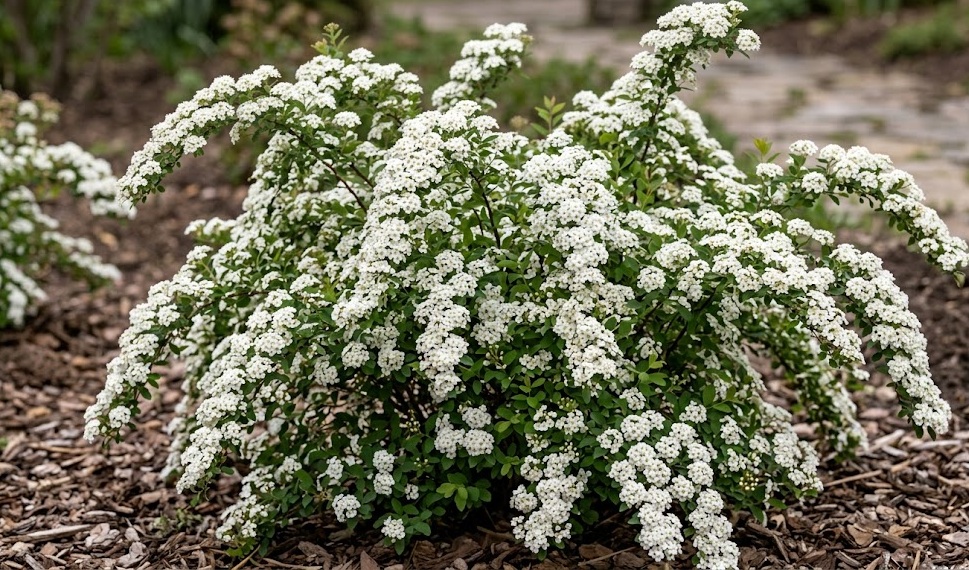

Caring for spiraea is a rewarding endeavor for any gardener looking to add vibrant color and architectural interest to their landscape with minimal effort. These versatile shrubs are known for their resilience and ability to thrive in a variety of climate conditions while maintaining a tidy growth habit. Proper management ensures that the plant remains healthy throughout the growing season and produces a profusion of delicate blossoms. By understanding the specific needs of this genus, you can create a thriving garden focal point that lasts for decades.
Successful maintenance begins with a thorough understanding of the specific variety you have chosen for your garden. Different species may have slightly different growth rates and blooming periods that dictate their overall care schedule. You should regularly observe the foliage and stems to identify any early signs of stress or nutritional deficiencies. A proactive approach to care will prevent most common issues before they become significant problems for the plant.
Long-term health is closely tied to the environmental conditions provided during the various stages of the plant’s life. As the shrub matures, its requirements for space and resources may shift, necessitating adjustments in your maintenance routine. Consistently removing dead or damaged wood helps the plant focus its energy on new, productive growth. This attention to detail results in a more robust specimen that can better withstand environmental fluctuations.
Maintaining the aesthetic appeal of these shrubs involves more than just keeping them alive; it requires a holistic approach to garden ecology. You should consider how the plant interacts with its neighbors and the local wildlife that may visit your garden. Providing a stable environment with consistent care parameters will lead to a more predictable and satisfying gardening experience. High-quality care reflects a commitment to the long-term beauty and health of the entire outdoor space.
Soil quality and preparation
The foundation of a healthy shrub lies in the quality of the soil where its roots are established. Most varieties prefer well-draining soil that is rich in organic matter to provide a steady supply of nutrients. If your garden has heavy clay or very sandy soil, you should work to improve the texture before the plant reaches maturity. Testing the soil pH can help you determine if any amendments are necessary to create the ideal growing environment.
More articles on this topic
Poor drainage is one of the most common causes of root issues in these plants, leading to a decline in vigor. You can improve drainage by incorporating compost or other organic materials into the soil profile during the initial years. Avoid planting in low-lying areas where water tends to collect after heavy rainfall or snowmelt. A healthy root system is essential for the plant’s ability to absorb water and nutrients efficiently.
Organic matter not only provides nutrients but also helps to regulate soil temperature and moisture levels. You will notice that plants grown in rich, loamy soil often have more vibrant foliage and a more prolific blooming habit. Adding a layer of high-quality compost once a year can significantly improve the soil structure over time. This sustainable practice reduces the need for synthetic inputs and promotes a healthy soil microbiome.
Maintaining the proper soil environment requires ongoing attention as the seasons change and the plant grows. You should avoid compacting the soil around the base of the shrub, as this can restrict oxygen flow to the roots. Periodic aeration or gentle cultivation can help keep the soil loose and receptive to water and air. A well-maintained soil base is the most effective way to ensure the long-term success of your landscape investment.
Monitoring plant health
Regular inspections are a vital part of a professional gardening routine and help catch potential issues early. You should look for changes in leaf color, such as yellowing or spotting, which may indicate a lack of specific minerals. Stunted growth or a sudden drop in flower production can also be a signal that the plant is struggling with its environment. Developing a keen eye for these subtle changes will make you a much more effective gardener.
More articles on this topic
Seasonal transitions are often when plants are most vulnerable to stress and require the most attention. During the peak of summer, high temperatures can cause wilting even if the soil seems relatively moist. Conversely, the arrival of autumn brings a change in metabolism as the plant prepares for its dormant period. Understanding these natural cycles allows you to provide the right type of support at the right time.
The structural integrity of the branches should be checked at least twice a year to ensure they can support the weight of blooms. Weak or crossing branches should be identified so they can be managed during the next appropriate pruning window. If you notice any sap oozing or bark peeling unnaturally, it may be a sign of a deeper physiological problem. Keeping a garden journal can help you track these observations and identify long-term patterns in plant health.
Healthy plants are naturally more resistant to environmental stressors and external pressures from the ecosystem. By maintaining a high standard of care, you reduce the likelihood of the plant becoming a target for opportunistic issues. A vigorous specimen will recover much faster from mechanical damage or unexpected weather events than one that is already stressed. Professional-grade care is about building resilience within the plant’s biological systems.
Mulching and surface protection
Applying a layer of mulch around the base of your shrubs is one of the simplest yet most effective care techniques. This protective layer helps to retain soil moisture by reducing evaporation from the surface during hot weather. It also acts as an insulator, keeping the roots cooler in the summer and warmer during the winter months. Choose a natural material like shredded bark or wood chips that will break down slowly and improve the soil.
Effective mulching also plays a crucial role in suppressing weed growth around the root zone of the plant. Weeds compete for valuable water and nutrients, which can slow the development of your desired garden specimens. By maintaining a consistent mulch layer, you create a clean and professional appearance for your garden beds. Be sure to keep the mulch a few inches away from the actual stems to prevent moisture-related bark decay.
The depth of the mulch layer should be maintained at roughly two to three inches for optimal results. Too much mulch can prevent water from reaching the soil, while too little will not provide the intended benefits. You may need to replenish the mulch annually as it decomposes and integrates into the underlying soil. This cycle of decomposition provides a slow-release source of organic nutrients for the plant’s shallow root system.
Surface protection is especially important for younger plants that have not yet established a deep and resilient root network. Protecting the soil surface from erosion during heavy rains ensures that the roots remain covered and protected. You should also be mindful of mechanical damage from lawnmowers or string trimmers near the base of the shrub. A well-defined mulched area creates a safe buffer zone that protects the plant from accidental injury.
Promoting vigorous growth
Encouraging strong and healthy growth requires a balance of proper nutrition, light, and physical space. When a plant has everything it needs, it will naturally produce lush foliage and a dense, attractive form. You can stimulate new growth by ensuring the plant is not competing with neighboring species for essential resources. Observation of the growth rate will tell you if the current care regimen is meeting the plant’s biological requirements.
Air circulation is an often overlooked factor in promoting the health and vigor of ornamental shrubs. When the interior of the plant is too dense, air cannot flow freely, which can lead to stagnant conditions. Maintaining a proper distance between individual plants during the design phase is the best way to ensure long-term health. If a plant becomes too crowded, it may start to lose foliage in its center due to lack of light and air.
The timing of various care tasks can have a significant impact on how the plant responds and grows. Providing a boost of support in early spring can help the plant get off to a strong start for the new season. Avoid heavy intervention during the hottest parts of the year when the plant is already under significant heat stress. A consistent and well-timed approach to maintenance leads to much more predictable growth patterns.
Vigorous growth is a clear indicator that the plant is well-adapted to its specific location in your garden. If you notice that growth has slowed significantly over several seasons, it may be time to evaluate the environmental factors. Sometimes a small change in the surroundings can have a large impact on the plant’s overall performance. Professional gardening involves constantly assessing these variables to optimize the health of the landscape.
Managing plant density
As these shrubs mature, they can become quite dense, which may eventually impact their overall health and appearance. High density within the canopy can trap moisture, creating an environment where issues can thrive unnoticed. You should aim for a balanced structure that allows some light to penetrate through to the inner branches. This practice encourages foliage to grow throughout the entire plant rather than just on the outer surface.
Thinning out some of the older or more crowded stems can help rejuvenate the plant and improve its shape. This process should be done carefully to maintain the natural habit of the specific variety you are growing. Removing about a third of the oldest stems every few years is a common professional technique for maintaining vitality. This keeps the plant looking young and prevents it from becoming overly woody or sparse at the bottom.
Managing density also involves keeping an eye on the overall footprint of the shrub within the garden bed. If the plant begins to encroach on its neighbors, it can create a crowded look that diminishes the design. Keeping the boundaries clear through selective management helps each plant stand out as an individual specimen. A well-spaced garden always looks more professional and is generally easier to maintain over time.
Density management is a long-term strategy that requires patience and a clear vision for the garden’s future. You should avoid the temptation to over-manage the plant in a single season, as this can cause unnecessary stress. Small, incremental adjustments are much better for the plant’s health than drastic changes. By keeping the canopy open and healthy, you ensure that the shrub remains a beautiful asset for many years.
Aesthetic considerations and layout
The visual impact of your shrubs depends heavily on how they are integrated into the overall landscape design. These plants are often used as focal points, low hedges, or foundation plantings due to their versatile form. You should consider the ultimate height and width of the mature plant when deciding on its initial placement. Proper spacing ensures that each shrub has enough room to reach its full aesthetic potential without being crowded.
Color coordination is another important factor when planning the layout of your garden beds. Many varieties offer stunning foliage colors in the spring and fall that can complement other plants in the landscape. Think about how the flower colors will look against the backdrop of your home or other permanent structures. A thoughtful design creates a sense of harmony and professional polish that enhances the entire property.
Using these shrubs in groups can create a powerful visual statement and a sense of continuity in the garden. For a more natural look, you might consider planting them in informal drifts rather than strict, straight lines. This approach mimics the way plants grow in the wild and can soften the edges of a modern landscape. The texture of the foliage also provides a nice contrast to larger-leaved plants or ornamental grasses.
Finally, remember that the garden is a dynamic environment that changes throughout the day and the seasons. The way light hits the foliage in the morning might be very different from the way it looks in the late afternoon. Consider these lighting shifts when choosing where to place your most colorful or interestingly textured varieties. A professional layout takes all these sensory elements into account to create a truly immersive outdoor experience.