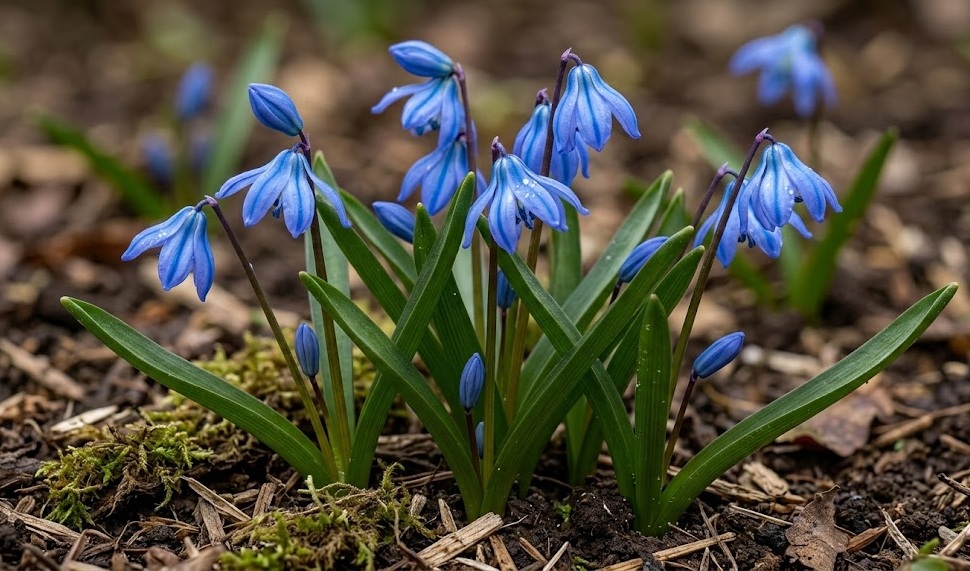

The siberian squill is one of the most reliable spring bulbs that can transform a garden into a sea of blue. This resilient plant requires very little intervention once it has established itself in the right environment. Understanding its basic needs is the first step toward a successful and vibrant spring display. You should focus on providing a stable foundation during the early growth phase to ensure longevity.
Choosing the right location for your bulbs
Selecting the perfect spot in the garden is crucial for the long-term health of these small bulbs. They thrive best in areas where they can receive ample sunlight during the early spring months. Deciduous trees provide an excellent canopy because they are still leafless when the squill begins to bloom. This allows the plants to soak up the sun before the shade becomes too dense later in the year.
The soil in your chosen location should be rich in organic matter and well-drained to prevent issues. Squills are quite adaptable but they definitely prefer a site that mimics their natural woodland habitat. You should look for areas that remain relatively cool during the heat of the summer months. Avoid low-lying spots in the garden where water tends to collect after heavy rain or snowmelt.
Air circulation is another factor that many gardeners overlook when planning their spring bulb beds. Good airflow helps to keep the foliage dry and reduces the risk of fungal diseases spreading. You can plant them in large drifts to create a more natural and visually striking appearance. Spacing them correctly will allow each individual bulb to expand and form its own small colony over time.
Consider the surrounding plants that will emerge later in the season to cover the fading foliage. Hostas or ferns are excellent companions because their large leaves will hide the yellowing squill leaves. This strategic planning keeps the garden looking tidy without the need for premature cutting. Creating a multi-layered garden bed ensures that there is always something interesting to look at throughout the year.
More articles on this topic
Maintaining the ideal soil environment
The foundation of a healthy siberian squill population is a loose and fertile soil structure. You should aim for a loamy consistency that allows roots to penetrate easily and find necessary nutrients. Adding compost or well-rotted manure before planting can significantly improve the quality of poor garden soil. This preparation ensures that the bulbs have everything they need for their rapid spring growth cycle.
Drainage is perhaps the most critical aspect of soil management for any bulbous plant species. If the soil remains saturated for too long, the bulbs will quickly succumb to rot and decay. You can improve heavy clay soil by incorporating sand or fine grit to enhance the drainage capacity. Testing the soil moisture levels during the spring will give you a good idea of how well it performs.
The pH level of the soil should be slightly acidic to neutral for the best growing results. Most garden soils fall within this range naturally, but a quick test can confirm your specific conditions. If your soil is extremely alkaline, you might notice less vigorous growth and paler leaf colors. Adjusting the pH is possible with specialized amendments, but it is usually easier to work with what you have.
Mulching the area with a thin layer of leaf mold or bark can help maintain consistent moisture. This organic layer also protects the soil surface from compacting during heavy spring rains. As the mulch decomposes, it slowly releases nutrients back into the ground for the bulbs to use. You should avoid using thick layers of heavy mulch that might prevent the delicate shoots from emerging.
More articles on this topic
Understanding the natural growth cycle
The siberian squill follows a very specific biological clock that dictates its care requirements throughout the year. It emerges very early in the spring, often pushing through the last remains of melting snow. This early start allows it to complete its flowering and seed production before other plants compete for light. Recognizing these phases helps you provide the right care at the exact moment the plant needs it.
Once the flowering period is over, the plant shifts its energy into bulb replenishment and seed development. This is a critical time when the green leaves are hard at work photosynthesizing and storing energy. You must resist the urge to tidy up the garden by removing these leaves too early. The longer the leaves remain green, the stronger the bulbs will be for the following year.
Dormancy begins in late spring or early summer as the foliage turns yellow and eventually disappears. At this stage, the plant is not dead but is simply resting underground to survive the summer heat. You can mark the location of the bulbs to avoid accidentally digging them up during summer gardening. This period of rest is essential for the internal development of the next season’s flower buds.
Autumn is the time when the bulbs begin to grow new roots in preparation for the coming spring. Even though there is no visible growth above ground, the plant is very active underneath the surface. Maintaining a stable environment during the fall ensures that the bulbs are well-anchored and ready for winter. This cycle repeats annually, with the colonies naturally expanding and becoming more impressive each year.
Encouraging naturalization and spreading
One of the greatest joys of growing siberian squill is watching it spread naturally across the garden. This process, known as naturalization, happens through both bulb offsets and self-seeding mechanisms. If you provide the right conditions, a small patch can eventually become a vast blue carpet. You should encourage this process by leaving the plants undisturbed as much as possible.
Allowing the seed pods to mature and burst open is the easiest way to facilitate spreading. The tiny seeds are often moved around by ants or gravity, finding new spots to germinate. You might notice small, grass-like seedlings appearing in unexpected places several years after the initial planting. These young plants will take a few seasons to reach flowering size but are worth the wait.
The bulbs also produce small baby bulbs, or offsets, around the base of the main mother bulb. Over time, these clumps become crowded and can be gently divided to start new patches elsewhere. Division is best performed every few years if you notice the flowering density starting to decrease. This simple task revitalizes the older bulbs and gives the new ones more space to grow.
Creating a “wild” area in your garden is an excellent way to showcase the natural beauty of this plant. It looks particularly stunning when allowed to grow through a thin lawn or under a group of shrubs. You should avoid mowing the grass in these areas until the squill foliage has completely died back. This patient approach rewards you with an effortless and breathtaking spring display every single year.
Integrating squill into your garden design
Professional garden designers often use siberian squill to create focal points and early season interest. You can plant them in large, sweeping drifts to mimic the look of a natural woodland floor. This technique creates a much stronger visual impact than planting small, isolated groups of bulbs. The vibrant blue color is a perfect contrast to the yellow of early daffodils or primroses.
Borders and pathways are also ideal locations for these low-growing and charming spring flowers. Planting them near the edges of garden beds ensures that they are visible and can be appreciated up close. They work well as a transitional plant between the lawn and taller perennials that emerge later. Their small stature makes them perfect for rock gardens where they can tuck into crevices.
You can also use containers to bring the beauty of siberian squill to patios and balconies. Choose a well-draining potting mix and plant the bulbs closely together for a dense and full look. After the flowers have faded, you can transplant the bulbs into the garden to naturalize. This allows you to enjoy their spring beauty even if you have limited permanent planting space.
Combining different shades of blue and white varieties can add depth and complexity to your garden beds. While the classic blue is the most popular, white-flowered cultivars offer a crisp and clean alternative. Mixing these colors creates a soft, pastel palette that is very soothing to the eye in early spring. Experimenting with different combinations will help you find the look that best suits your personal style.
Managing seasonal challenges
While the siberian squill is generally very hardy, it can face certain challenges depending on the weather. A very dry spring can shorten the blooming period and stress the plants during their growth phase. In such cases, providing a bit of supplemental water can help the flowers last longer and stay vibrant. You should monitor the soil moisture regularly when the buds first appear above the ground.
Late spring frosts are rarely a problem for these resilient plants, but they can occasionally damage the blooms. If a severe freeze is predicted, a light covering of horticultural fleece can offer some protection. Usually, the plants will simply bounce back once the temperatures rise again during the daytime. Their ability to handle cold is one of their most impressive and valuable characteristics.
During the summer months, the main challenge is protecting the dormant bulbs from excessive heat and drought. If the soil becomes bone-dry for extended periods, the bulbs might shrivel and lose their vitality. A layer of organic mulch helps to insulate the soil and keep it cool and slightly moist. Most well-established colonies are quite tough and can handle typical summer conditions without any issues.
In the autumn, you should keep an eye out for any disturbances caused by digging animals or garden renovations. Accidentally uncovering the bulbs can expose them to predators or cause them to dry out prematurely. If you find any displaced bulbs, simply replant them at the correct depth as soon as possible. Consistency in care throughout the year ensures that the spring show will be spectacular.
Long term health and rejuvenation
To keep your siberian squill patches healthy for decades, a little bit of long-term planning is required. Every few years, you should assess the density of the flowers and the overall vigor of the plants. If the center of a large clump starts to look thin, it is a sign that the bulbs are overcrowded. This is the perfect time to lift and divide the colony to give the bulbs fresh soil.
Adding a light top-dressing of compost every autumn provides a slow-release source of nutrients for the bulbs. This mimicry of the natural forest floor replenishment keeps the soil fertile without over-stimulating the plants. You should avoid high-nitrogen fertilizers which can lead to excessive leaf growth at the expense of flowers. A balanced approach to nutrition is always the best strategy for long-lived bulbous plants.
Record keeping can be a helpful tool for managing your garden’s collection of spring bulbs over the years. Noting the bloom dates and the success of different planting locations helps you refine your gardening techniques. You can also take photos to remember where the bulbs are located when they are in their dormant phase. This information is invaluable when you decide to add new plants or rearrange your garden beds.
Ultimately, the goal is to create a self-sustaining ecosystem where the siberian squill can thrive with minimal help. By following these expert tips, you will build a garden that grows more beautiful with every passing spring. The effort you put in now will pay dividends for many years to come as the blue flowers return. Enjoy the process of learning and growing alongside these delightful and hardy garden companions.