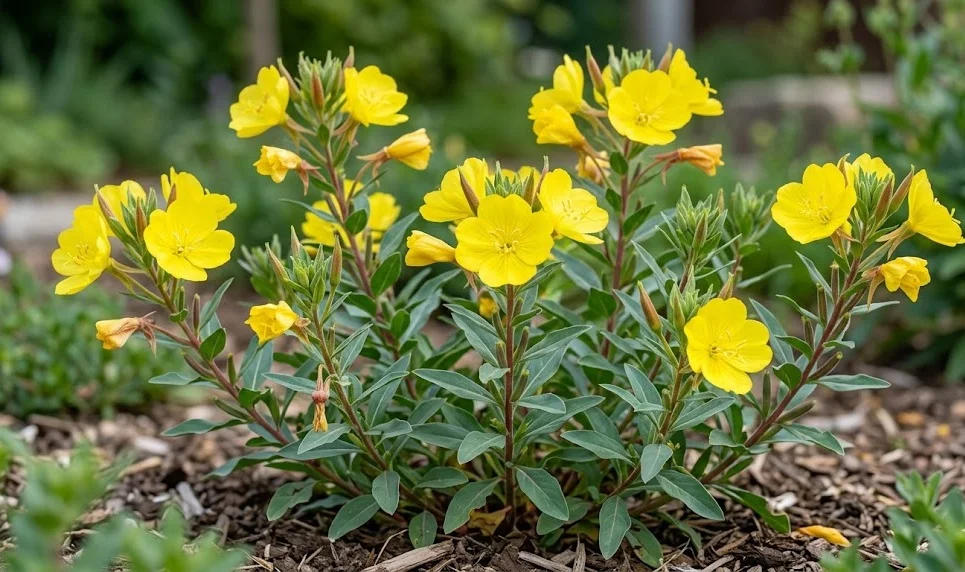

This resilient perennial serves as a cornerstone for many vibrant garden landscapes due to its striking yellow petals. Ensuring its health throughout the growing season requires a dedicated approach to environmental management. Professionals often emphasize the importance of monitoring soil conditions and moisture levels to prevent common physiological stressors. Proper care leads to a robust display that can withstand the challenges of varying climate patterns.
The foundation of maintenance begins with understanding the specific lifecycle of this particular subspecies. It typically exhibits a clumping habit that benefits from regular observation during the peak summer months. You should check for any signs of nutrient depletion or overcrowding that might hinder its natural expansion. Consistent oversight allows for early intervention when the plant faces competition from surrounding flora.
Managing the growth environment involves more than just occasional weeding or tidying the borders. It requires a keen eye for detail regarding how the plant interacts with its immediate neighbors in the garden. Avoiding excessive competition for resources is key to maintaining the structural integrity of the stems. A well-maintained patch will resist leaning and maintain an upright, aesthetically pleasing form for longer periods.
Many gardeners appreciate this species for its resilience, but even hardy plants need some foundational support. Developing a routine that includes seasonal assessments helps in identifying the specific needs of each individual cluster. This proactive mindset prevents the development of chronic issues that could eventually weaken the root system. Expert-level care translates into a more reliable and visually impressive floral contribution to the local ecosystem.
Soil health and nutrient management
Maintaining optimal soil conditions is the most effective way to ensure the long-term vigor of these plants. They generally prefer well-drained substrates that prevent the roots from sitting in standing water for extended periods. You should periodically test the soil acidity to ensure it remains within the slightly acidic to neutral range. Professional growers often incorporate organic matter to improve the soil structure and aeration near the root zone.
More articles on this topic
The physical composition of the earth significantly impacts how the plant absorbs essential minerals during its active growth phase. Heavy clay soils can be problematic because they restrict air movement and trap excess moisture around the crown. You can improve these areas by adding coarse sand or fine gravel to increase the drainage capacity. Monitoring the texture of the soil helps you decide when it is necessary to intervene with structural amendments.
Nutrient availability is another critical factor that determines the density of the foliage and the abundance of blooms. While these plants are not heavy feeders, they do respond well to a balanced distribution of macronutrients. You should look for signs of chlorosis or stunted growth which might indicate a deficiency in nitrogen or potassium. Applying a slow-release formula early in the spring provides a steady supply of energy for the upcoming season.
Biological activity within the soil also plays a supportive role in the overall development of the plant. Encouraging beneficial microorganisms helps in breaking down organic materials into forms that the roots can easily utilize. You might consider using compost tea or natural mulches to foster a healthy underground ecosystem. A living soil environment reduces the need for synthetic chemicals and promotes a more sustainable gardening practice.
Growth patterns and structural integrity
This subspecies is known for its relatively compact and tidy growth habit compared to its wilder relatives. It forms dense mats of foliage that provide excellent ground cover before the tall flower spikes emerge. You will notice that the stems are quite sturdy, but they can still benefit from strategic placement away from high winds. Observation of the growth rate helps in determining when the plant has reached its maximum sustainable density.
More articles on this topic
As the season progresses, the vertical stems will begin to develop flower buds at their apex. Maintaining a strong central structure is vital for supporting the weight of the blossoms during heavy rain. If you notice the plants beginning to sprawl, it might be an indication of too much shade or excessive fertilization. Adjusting the surrounding environment can help the plant regain its natural, upright posture without the need for staking.
The foliage itself is an indicator of the plant’s current state of health and hydration levels. Healthy leaves should have a deep green hue and a slightly waxy texture that helps prevent water loss. Any curling or discoloration should be addressed immediately to prevent the spread of localized stress. Regular inspection of the leaf undersides is also a good habit to catch any early signs of environmental damage.
Understanding the seasonal rhythm of the plant allows you to anticipate its needs before they become urgent. In early summer, the focus should be on supporting the rapid expansion of the flowering stalks. By late summer, the plant shifts its energy toward seed production and root fortification. Aligning your care routine with these natural transitions ensures that the plant remains vigorous until the arrival of autumn.
Environmental adaptation and climate resilience
Adaptability is one of the strongest traits of this species, allowing it to survive in various regional climates. It can handle periods of heat as long as the root zone remains relatively cool and protected. You should consider the local microclimate of your garden when deciding on the final placement of new specimens. Strategic positioning near taller perennials can provide a light dappled shade during the hottest parts of the afternoon.
The plant’s ability to recover from extreme weather events is a testament to its hardy nature and deep root system. Even after a severe storm or a prolonged dry spell, it often shows remarkable signs of rejuvenation. You can assist this process by clearing away any damaged tissue and providing a light dose of hydration. Resilience is built over time through consistent care and proper site selection during the initial planting phase.
Temperature fluctuations can sometimes trigger early blooming or unexpected dormancy in sensitive plants. This subspecies is generally stable, but extreme late-spring frosts can damage the tender new growth. Protecting the crowns with a light layer of horticultural fleece can prevent frost burn during these unpredictable transitions. Monitoring the local weather forecast allows you to take these small but effective precautions.
Humidity levels also play a role in how the plant manages its internal water balance and respiration. High humidity can sometimes lead to localized airflow issues within dense clusters of foliage. You can mitigate this risk by ensuring there is enough space between individual plants to allow for natural ventilation. A well-ventilated garden reduces the likelihood of moisture-related stress and keeps the foliage looking fresh.
Competition management and weed control
In a professional landscape setting, managing the competition for resources is essential for the success of any perennial. Weeds can quickly outcompete smaller plants for light, water, and essential nutrients if left unchecked. You should establish a regular schedule for manual weeding to keep the area around the base clear. This practice not only benefits the health of the plant but also improves the overall aesthetic of the garden.
Mulching is a highly effective tool for suppressing weed growth and retaining soil moisture simultaneously. Use a natural wood chip or bark mulch to create a barrier that prevents weed seeds from germinating. You should apply the mulch in a thin layer, making sure it does not touch the actual stems of the plant. This gap prevents moisture from accumulating against the bark, which could lead to crown rot.
Interplanting with compatible species can also help in reducing the space available for opportunistic weeds. Choose neighbors that have similar cultural requirements but different growth forms to create a layered effect. This strategy maximizes the use of garden space while creating a more diverse and resilient biological community. A densely planted border leaves very little room for invasive species to establish a foothold.
Observing the expansion of the plant itself is another form of competition management within the garden. Over time, the clumps may grow large enough to crowd out their less vigorous neighbors. You might need to thin out the edges of the patch every few years to maintain the desired balance. Controlling the spread of the plant ensures that it remains a welcome part of the design rather than an invasive element.
Long term vitality and rejuvenation
The longevity of a perennial garden depends on the ability of the plants to renew themselves over several years. This subspecies is generally long-lived, but individual clumps can eventually lose vigor in the center. You will see a decline in flower production and a thinning of the foliage as the plant ages. Rejuvenation techniques like division are necessary to restore the youthful energy of the colony.
Regular monitoring of the flowering performance provides a clear metric for the overall health of the specimen. If the blooms are becoming smaller or less frequent, it might be time to assess the soil fertility or root density. Sometimes a simple top-dressing of compost is enough to provide the necessary boost for another season. However, more significant interventions might be required if the decline is rooted in the aging process.
Maintaining a clean environment around the plants throughout the year contributes significantly to their long-term health. Removing spent flowers and dead foliage prevents the accumulation of debris that could harbor pathogens. This hygiene routine should be a standard part of your professional gardening practice regardless of the season. A tidy garden is naturally more resilient and less prone to chronic health problems.
Consistency in care is far more beneficial than occasional, intensive sessions of maintenance and repair. Small, frequent adjustments to watering and feeding schedules create a stable environment for the roots. This stability allows the plant to focus its energy on growth and reproduction rather than constant stress recovery. Your long-term success with this species is built on a foundation of steady and attentive management.
Professional monitoring and data collection
For those managing larger agricultural or horticultural sites, keeping records of plant performance is a valuable practice. You should note the dates of the first blooms and the duration of the flowering period each year. This data helps in identifying trends and predicting how the plants will respond to future climate variations. Understanding these patterns allows for more precise scheduling of labor and resources.
Soil testing should be performed at least once every three years to track changes in mineral content and pH levels. This scientific approach removes the guesswork from fertilization and allows for more targeted applications. You can use the results to create a customized nutrient management plan that fits the specific needs of your soil. Precision in soil management leads to better plant health and reduced environmental impact.
Photography is another useful tool for monitoring the development and spread of the plants over time. Visual records allow you to compare the current state of the garden with previous years’ growth. You can easily spot changes in density or shifts in the color of the foliage that might otherwise go unnoticed. Digital logs provide a clear history that can be shared with other professionals or used for future planning.
Final assessments at the end of each growing season provide an opportunity to reflect on what worked well and what could be improved. You should evaluate the effectiveness of your irrigation system and your weed control strategies. This cycle of continuous improvement is the hallmark of professional horticultural management. By staying observant and proactive, you ensure that your garden remains a thriving and beautiful environment for many years.