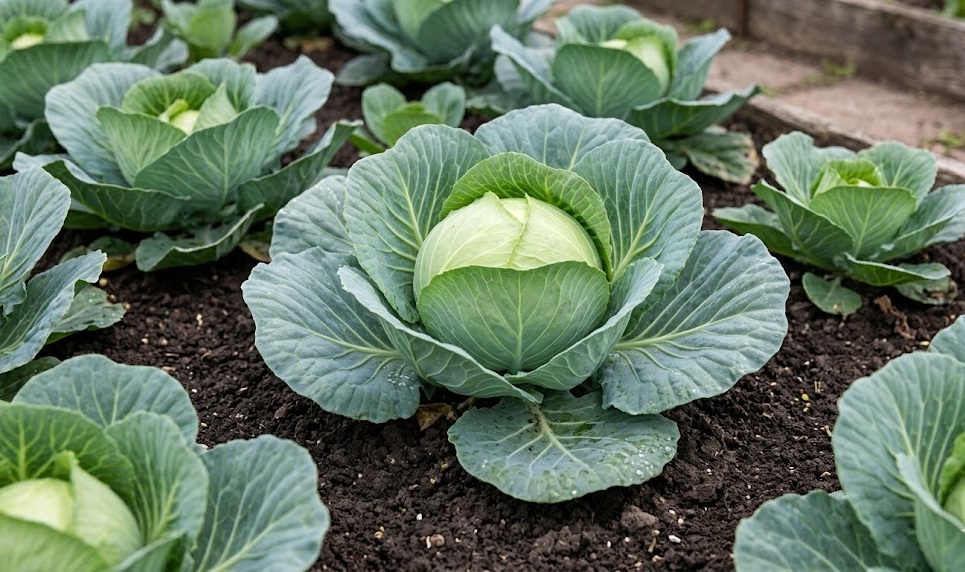

Caring for head cabbage requires a consistent approach to soil health and environmental management to ensure high yields. You must understand that this vegetable is quite sensitive to its surroundings throughout the entire growing season. Successful cultivation starts with a deep understanding of the specific needs of the variety you have chosen to plant. By following professional standards, you can achieve dense and healthy heads that are resistant to common stressors.
Soil management and preparation
The foundation of cabbage care lies in the physical and chemical composition of the garden soil. You should aim for a loamy texture that provides excellent drainage while still retaining necessary moisture for the roots. It is essential to clear the area of any debris or large stones that might interfere with the development of the root system. Testing the soil for its mineral content allows you to make precise adjustments before the growing phase begins.
The acidity levels of the earth play a crucial role in how well your plants can absorb vital nutrients. You should maintain a pH level between six and seven to prevent the onset of common brassica diseases. If the soil is too acidic, applying lime well in advance can help stabilize the conditions for your crops. Monitoring these levels throughout the season ensures that the environment remains hospitable for the developing heads.
Organic matter is the lifeblood of a productive cabbage patch and should be integrated deeply into the beds. You can use well-rotted compost or aged manure to improve the soil structure and provide a slow-release source of energy. This practice also encourages beneficial microbial activity which helps in breaking down complex minerals for the plants. Regularly amending the soil ensures that the heavy-feeding nature of cabbage does not deplete the land too quickly.
Compaction is a significant enemy of root expansion and should be avoided at all costs during the care process. You must avoid walking directly on the planting beds to keep the soil light and airy for the delicate roots. Using raised beds is a professional technique that helps manage soil density and improves overall drainage performance. A well-aerated soil environment allows for better oxygen exchange, which is vital for the metabolic processes of the plant.
More articles on this topic
Weed control strategies
Managing competing vegetation is a constant task that requires diligence to prevent the cabbage from being overshadowed. Weeds not only compete for light and space but also steal valuable water and nutrients from the soil. You should start your weeding efforts early in the season before the unwanted plants establish deep root systems. Consistency in this area prevents the cabbage from experiencing unnecessary stress during its critical growth stages.
Hand weeding is often the safest method when working close to the base of the cabbage plants. You must be careful not to disturb the shallow root system of the crop while removing stubborn weeds. Using a small hand tool can help you extract the roots of invasive species without causing mechanical damage to your vegetables. This manual approach allows you to inspect each plant individually for any signs of health issues or early pest infestations.
Mulching serves as an excellent dual-purpose strategy for weed suppression and moisture retention in the garden. You can apply a thick layer of organic mulch like straw or wood chips around the base of the heads. This barrier prevents sunlight from reaching weed seeds, effectively stopping them from germinating and competing with your crop. Over time, the mulch breaks down and contributes further to the organic richness of the underlying soil.
The timing of your weed management can drastically affect the final quality and weight of the cabbage heads. You should perform a thorough weeding session after any significant rainfall when the soil is soft and roots are easy to pull. Maintaining a clean field reduces the hiding spots for harmful insects that might otherwise attack your plants. A professional gardener knows that a weed-free environment is the first line of defense against many common agricultural problems.
More articles on this topic
Temperature and climate monitoring
Cabbage is known as a cool-season crop, meaning it performs best when temperatures remain within a specific moderate range. You should monitor the weather forecasts closely to protect your plants from sudden heatwaves or extreme cold snaps. High temperatures can cause the heads to bolt or develop a bitter flavor that ruins the harvest quality. Maintaining a stable environment is the key to producing the sweet and crisp texture that cabbage is famous for.
During the height of summer, providing temporary shade can help reduce the stress on the developing foliage. You might use row covers or shade cloths to lower the ambient temperature around the plants during the hottest part of the day. This intervention prevents the leaves from wilting and ensures that the plant continues to focus its energy on head formation. Professional growers often plan their planting dates to avoid having the heads mature during the most intense heat.
Cold resistance varies between varieties, so you must choose a type that suits your local climatic conditions. While cabbage can handle light frosts, prolonged freezing temperatures can damage the outer leaves and affect the internal structure. You can use protective fabrics to trap ground heat around the plants when a freeze is expected in late autumn. Understanding the specific cold-hardiness of your crop allows you to extend the growing season and maximize your total output.
Humidity levels also play a significant role in the health and transpiration rates of the cabbage leaves. You should ensure there is adequate spacing between plants to allow for healthy air circulation within the garden. This airflow helps regulate the microclimate around the heads and prevents the buildup of excessive moisture that leads to rot. Professional climate management involves balancing the need for hydration with the requirement for a dry and airy canopy.
Pest prevention and observation
Early detection of insect activity is the most effective way to protect your cabbage crop from significant damage. You should inspect the undersides of the leaves regularly for eggs or small larvae that might be feeding on the tissue. Identifying the specific type of pest early allows you to choose the most appropriate and least invasive control method. A professional approach involves daily scouting to catch potential outbreaks before they become unmanageable in the field.
Barriers such as fine mesh netting are highly effective at keeping cabbage white butterflies away from your plants. You can install these covers immediately after transplanting to prevent the insects from laying eggs on the succulent green leaves. This physical protection reduces the need for chemical interventions and keeps the crop much cleaner for eventual consumption. Ensuring the nets are properly secured to the ground prevents crawling insects from reaching the base of the cabbage.
Beneficial insects can be your greatest allies in the fight against common garden pests like aphids and caterpillars. You should consider planting flowers nearby that attract ladybugs and predatory wasps to your vegetable patch. These natural predators help maintain a balanced ecosystem where pest populations are kept under control without human interference. This biological control method is a staple of sustainable and professional agricultural practices used by experts worldwide.
Companion planting is another sophisticated technique used to deter pests through scent and visual confusion. You can plant aromatic herbs like dill or rosemary near your cabbage to mask its scent from searching insects. Some companion plants also act as trap crops, drawing pests away from the main vegetable to a less valuable target. Integrating these diverse species into your garden design creates a more resilient and self-protecting environment for your cabbage.
Growth stage assessment
The development of a cabbage head follows a predictable pattern that you must learn to recognize for proper care. The initial stage focuses on the growth of a strong root system and a large cluster of outer leaves. These “wrapper” leaves are essential for photosynthesis and will eventually protect the tightening head in the center. You should ensure the plant has maximum resources during this foliage-building phase to support the heavy work ahead.
As the plant transitions into the heading stage, you will notice the central leaves beginning to curve inward and overlap. You must maintain consistent conditions during this period to prevent the head from splitting due to uneven growth. Sudden surges in water or nutrients can cause the internal pressure to rise too quickly for the outer leaves to contain. Monitoring the firmness of the head gives you a good indication of how close the crop is to reaching maturity.
Color changes in the foliage can provide important clues about the health and nutritional status of the cabbage. You should look for a vibrant, deep green or purple hue, depending on the specific variety you are growing. Paleness or yellowing of the leaves often indicates a deficiency in nitrogen or an issue with the watering schedule. A professional eye can spot these subtle shifts and make necessary adjustments to the care routine before the head is affected.
The final stage of growth involves the hardening of the head as it reaches its maximum size and density. You should test the maturity by gently pressing the top of the cabbage to see if it feels solid and resistant. If the head feels soft or springy, it likely needs more time to fill out and reach its full potential. Knowing exactly when a cabbage has peaked is an art form that separates experienced growers from beginners in the field.
Harvesting techniques and timing
The timing of the harvest is critical to ensuring the best possible flavor and storage life for your cabbage. You should aim to cut the heads when they are firm and have reached the size expected for their variety. Waiting too long can result in the heads splitting or becoming overly tough and fibrous in texture. Harvesting in the early morning when the plants are still cool and hydrated helps preserve their crispness after they are cut.
When you are ready to harvest, use a sharp and sanitized knife to make a clean cut at the base of the head. You should leave a few of the outer wrapper leaves attached to provide physical protection during transport and storage. Cutting at a slight angle can prevent water from pooling on the remaining stalk, which reduces the chance of rot. Professional handling during this stage ensures that the produce remains attractive and marketable for a longer period.
After the primary head is removed, some varieties have the capability to produce smaller secondary heads from the remaining stalk. You can leave the rooted base in the ground and continue to water it to encourage this additional growth. While these “cabbage sprouts” are much smaller than the main head, they are often very tender and flavorful for kitchen use. This practice allows you to get the maximum possible value out of every single plant in your garden.
Transporting the harvested cabbage should be done with care to avoid bruising the delicate internal leaves. You should place the heads in a cool, shaded area immediately after cutting to stop the field heat from degrading the quality. Avoiding direct sunlight and high temperatures is essential for maintaining the vitamin content and structural integrity of the vegetable. Professional storage begins the very moment the plant is separated from its root system in the field.
Post-harvest field maintenance
Once the harvest is complete, the work in the cabbage patch continues with a focus on soil recovery and sanitation. You should remove all remaining plant debris, including stalks and discarded leaves, to prevent the buildup of pathogens. Leaving diseased plant material in the field can invite pests and fungi to overwinter and attack next year’s crop. A clean field is the hallmark of a professional operation that prioritizes long-term sustainability and health.
Crop rotation is a vital part of caring for the land after a heavy-feeding crop like cabbage has been grown. You should plan to plant a different family of vegetables in that spot for the next three to four years. This practice breaks the life cycles of specific pests and prevents the soil from becoming depleted of particular minerals. Rotating with legumes can help replenish the nitrogen levels that cabbage often consumes in large quantities.
Cover cropping is an excellent way to protect the soil surface during the off-season after the cabbage is gone. You can sow seeds of clover or rye to prevent erosion and keep the soil biology active throughout the winter months. These “green manures” can be tilled back into the earth in the spring to provide a massive boost of organic matter. This forward-thinking approach ensures that the soil will be even more productive when it is time to plant again.
Finally, you should take the time to document the successes and challenges of the past season in a garden journal. Noting which varieties performed best and which areas had pest issues helps you refine your care strategy for the future. Professional gardening is a process of continuous learning and adaptation based on real-world observations and data. Your notes will become an invaluable resource as you strive to improve the quality of your cabbage crops year after year.