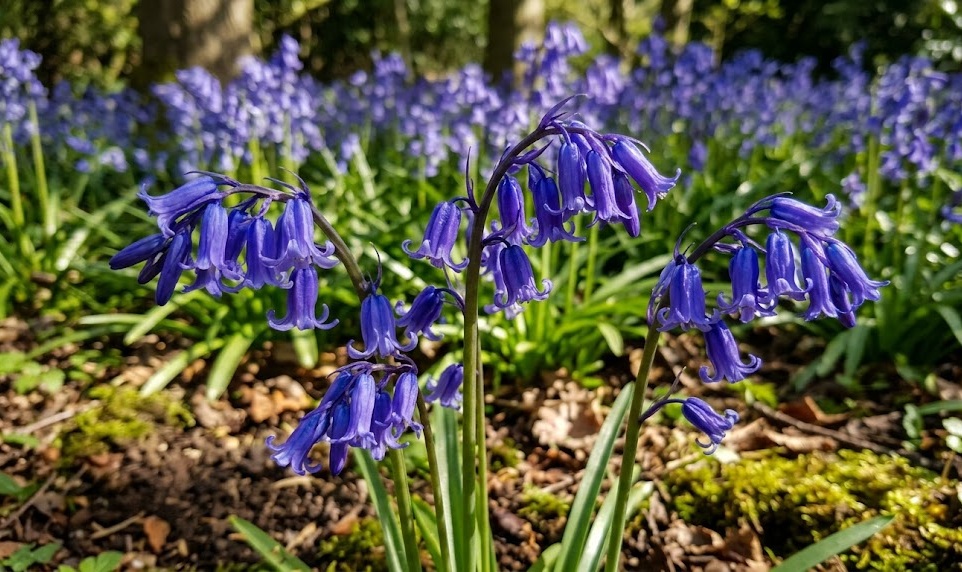

Caring for English bluebells requires a deep understanding of their natural woodland origins to ensure they thrive in a garden setting. These iconic spring flowers are cherished for their vibrant nodding blooms and delicate scent that signals the awakening of the forest floor. To maintain their health, gardeners must replicate the dappled shade and organic-rich soil found in ancient deciduous forests. By following professional horticultural practices, you can create a sustainable carpet of blue that returns with increasing vigor every year.
Understanding the woodland environment
The primary goal of caring for these flowers is to mimic the moisture and light levels of their native habitat. In the wild, they grow under the canopy of broadleaf trees, receiving ample light before the leaves fully emerge in spring. This timing is crucial because the bulbs need to store energy before the forest floor becomes too dark. Once the canopy closes, the plants enter a period of rest while the soil remains cool and damp.
Soil structure plays a vital role in the long-term success of your planting area. These bulbs prefer a loamy, well-drained soil that is rich in leaf mold and organic matter. Avoid heavy clay soils that retain too much water during the winter months, as this can lead to bulb rot. If your garden soil is naturally poor, you can improve it by adding composted bark or well-rotted garden compost.
Maintaining the correct pH balance is another professional secret to achieving deep blue pigments in the petals. English bluebells generally prefer slightly acidic to neutral soil, which reflects the natural decomposition of leaf litter. If the soil becomes too alkaline, the plants may show signs of nutrient deficiency or reduced flowering. You can monitor this with a simple home testing kit and adjust the acidity levels using organic mulches.
The surrounding vegetation also affects how well your bluebells will grow over time. They benefit from being planted near deciduous shrubs or trees that provide the necessary seasonal shade. Competition from aggressive grass species should be kept to a minimum to allow the bulbs to spread naturally. Weeding by hand is often the safest method to protect the delicate shoots during their early growth phase.
More articles on this topic
Managing the growth cycle
Observing the emergence of the first green shoots in late winter is always an exciting moment for any gardener. At this stage, it is important to ensure the area is clear of heavy debris that might obstruct the delicate foliage. While they are resilient, the young leaves are susceptible to physical damage from foot traffic or heavy garden tools. Marking the planting area clearly will prevent accidental disturbance during the dormant months.
As the plants reach their peak blooming period, you should monitor the weather conditions closely. Sudden dry spells in early spring can shorten the flowering season and stress the plants significantly. Providing a steady environment allows the stalks to remain upright and the bell-shaped flowers to open fully. Healthy growth during this phase ensures a high rate of photosynthesis, which is vital for the next year.
Once the flowers begin to fade, the plant shifts its energy from reproduction to storage. It is tempting to tidy up the garden by removing the yellowing leaves, but this must be avoided at all costs. The foliage must be allowed to die back naturally so that nutrients can return to the bulb. This process takes several weeks, during which the leaves may look untidy but are performing a critical function.
Labeling your bluebell drifts during the growing season helps with future garden planning and maintenance. Since the plants disappear entirely during the summer, it is easy to forget exactly where the bulbs are located. This prevents you from inadvertently planting other perennials directly on top of them later in the year. Using small, discreet markers or a detailed garden map is a professional way to manage these spaces.
More articles on this topic
Soil health and organic maintenance
Maintaining a healthy underground ecosystem is the foundation of professional bluebell care. The presence of beneficial mycorrhizal fungi in the soil helps the bulbs absorb minerals more efficiently. You can encourage these fungi by avoiding the use of harsh chemical fungicides and focusing on organic soil amendments. A living soil is always more productive and resilient than one treated solely with synthetic inputs.
Mulching is a key technique that provides multiple benefits to the bulbs throughout the year. Applying a thin layer of leaf mold or shredded bark in late autumn helps to regulate soil temperature. This mulch also breaks down over time, providing a slow-release source of nutrients that mimics the forest floor. It also suppresses weed seeds that might otherwise compete with the bluebells for light and water.
Aeration of the soil should be done carefully to avoid damaging the bulbs buried beneath the surface. If the soil becomes overly compacted due to heavy rain or walking, the bulbs may struggle to breathe. Using a garden fork to gently lift the soil around the edges of the colony can improve oxygen flow. However, this should only be done when the plants are dormant and with extreme caution.
Nutrient management involves more than just adding fertilizer; it requires a balance of elements. While nitrogen promotes leaf growth, phosphorus is essential for strong root and bulb development. Most woodland soils are naturally balanced, so intervention should only happen if growth appears stunted. Using organic kelp or seaweed extracts can provide trace minerals without the risk of salt buildup.
Protecting the integrity of the species
If you are a serious gardener, you must be aware of the differences between the native species and the invasive Spanish variety. The English bluebell has narrow leaves, nodding flower spikes on one side, and a sweet scent. The Spanish version is much more upright, has broader leaves, and lacks the characteristic fragrance. Protecting the purity of your collection means removing any hybrids that might appear in your drifts.
Hybrids often display intermediate characteristics, such as flowers on both sides of the stem or paler blue hues. These crossbreeds are more vigorous and can quickly outcompete the native plants if left unchecked. To maintain a professional-grade collection, you should identify and remove these interlopers as soon as they flower. This ensures that the seeds produced in your garden remain true to the original species.
Sourcing your bulbs from reputable, ethical suppliers is a non-negotiable rule for conservation-minded gardeners. It is illegal in many places to dig up bluebells from the wild, and doing so destroys natural habitats. Professional nurseries now offer bulbs that are grown specifically for the trade, ensuring high quality and legal compliance. Always look for certification that the bulbs were not wild-harvested.
Education is a powerful tool in protecting these plants within the wider community. Sharing your knowledge about the importance of native species with neighbors can help create larger protected corridors for wildlife. When people understand the cultural and ecological value of the English bluebell, they are more likely to care for them properly. A well-maintained garden serves as a living museum for this spectacular spring ephemeral.
Enhancing the aesthetic display
The visual impact of bluebells is greatest when they are allowed to form large, natural-looking drifts. Instead of planting them in rigid rows, try to mimic the random distribution seen in nature. Tossing the bulbs gently onto the soil and planting them where they land creates a more organic flow. Over several years, these small clusters will expand and merge into a breathtaking sea of blue.
Companion planting can enhance the beauty of bluebells while providing benefits to the garden ecosystem. Ferns are excellent partners because their fronds unfurl just as the bluebell foliage begins to decline. This hides the yellowing leaves and keeps the garden looking fresh throughout the early summer. Other woodland plants like wood anemones or wild primroses can also be integrated for a diverse spring display.
Light play is an often-overlooked aspect of professional garden design involving woodland flowers. Positioning your bluebell drifts where the morning sun can filter through the trees creates a magical atmosphere. The translucent quality of the petals allows them to glow when backlit by low-angle sunlight. Thinking about these visual details elevates a simple garden bed into a professional landscape feature.
Maintaining clear paths through or around your bluebell areas allows visitors to enjoy the fragrance without trampling the bulbs. Since bluebells are sensitive to soil compaction, defined walkways are essential for protecting the colony’s health. You can use natural materials like woodchips or bark to define these paths so they blend in with the environment. This structure allows for close-up observation while ensuring the longevity of the planting.
Seasonal observation and troubleshooting
A professional gardener keeps a close eye on the plants throughout the spring to catch any issues early. If you notice yellowing leaves before the flowering period has ended, it may indicate a drainage problem or a localized pest. Recording the dates of emergence and flowering in a garden journal helps you track long-term trends. These records are invaluable for understanding how your local climate affects the growth cycle.
Frost damage is a rare but possible issue if a late cold snap occurs after the shoots have emerged. While the bulbs are hardy, the delicate flower buds can be scorched by extreme freezing temperatures. If a severe frost is predicted, a light covering of horticultural fleece can provide temporary protection. This extra effort ensures that your floral display is not ruined just as it is about to begin.
Watching for signs of overcrowding is important for maintaining the vigor of the colony. If the plants are producing lots of leaves but very few flowers, it might be time to lift and divide the bulbs. This usually happens every five to seven years in a well-established drift. Replanting the bulbs with more space allows them to access more nutrients and start a new cycle of heavy blooming.
Wildlife interactions can be both a blessing and a challenge in a woodland garden. While bluebells are generally resistant to deer and rabbits, they can be disturbed by digging animals like squirrels or badgers. If you find your bulbs are being dug up, you may need to use physical barriers like wire mesh during the planting season. Understanding the local fauna helps you develop strategies to co-exist with nature while protecting your plants.
Long term sustainability of the colony
The ultimate goal of bluebell care is to create a self-sustaining population that requires minimal intervention. Once established in the right conditions, these plants are remarkably self-sufficient and resilient. Naturalizing means allowing the plants to spread through both bulb offsets and seed dispersal. This process creates a genetically diverse and robust colony that can withstand environmental changes.
Seed heads should be left on the plants if you want the colony to expand into new areas of the garden. The seeds take several years to reach flowering size, but they are essential for the long-term health of the drift. If you prefer a tidier look, you can collect the seeds and sow them in specific locations manually. This level of control allows you to direct the growth of the colony more precisely.
Environmental changes, such as the loss of a large canopy tree, can significantly alter the microclimate of your garden. If an area becomes too sunny, you may need to plant new shrubs to restore the necessary shade. Being adaptable and responsive to these changes is the hallmark of a professional horticulturist. Your garden is a dynamic system that requires ongoing observation and thoughtful adjustments.
Finally, the joy of caring for English bluebells comes from the knowledge that you are preserving a piece of heritage. These plants have been part of the landscape for centuries and carry a deep cultural significance. By providing the right care, you are ensuring that future generations can enjoy the same spring magic. Professional gardening is, at its heart, an act of stewardship for the natural world.