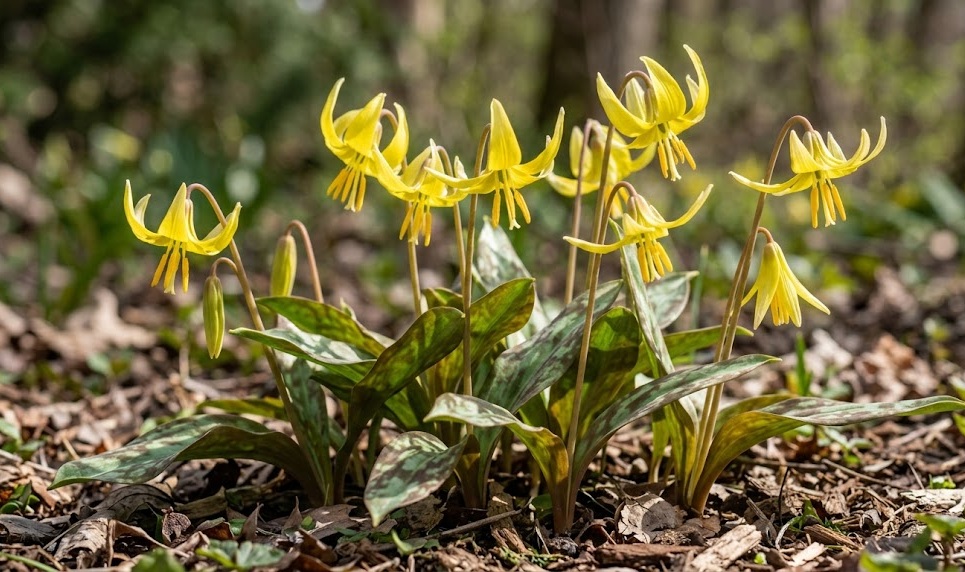

Maintaining the health and vibrancy of the dog’s tooth violet requires a nuanced understanding of its natural woodland heritage and specific growth cycle. As a hybrid known for its vigor and striking yellow blooms, this plant brings a touch of elegance to shaded garden corners if managed with consistent attention. You will find that successful cultivation depends heavily on mimicking the moist, cool conditions of a forest floor during the active growing season. Achieving this balance ensures that the delicate foliage and nodding flowers remain a highlight of your spring garden landscape.
The foundation of excellent care begins with soil management and ensuring the organic content remains high throughout the year. You should focus on incorporating leaf mold or well-rotted compost into the surrounding area to maintain a loose, airy structure that allows roots to breathe. Since these plants are ephemeral, their active life above ground is short, making the quality of the soil during this window absolutely critical for nutrient uptake. Consistent monitoring of the soil texture will help you prevent the compaction that often leads to stunted growth or poor flowering.
Applying a thick layer of mulch in late autumn or early spring serves multiple purposes for the overall well-being of the plant. This layer helps to regulate soil temperature, keeping the bulbs cool even as the spring sun begins to warm the upper layers of the garden. Furthermore, organic mulch breaks down over time, providing a slow-release source of nutrients that supports the plant’s rapid development in March and April. You must ensure the mulch is kept away from the direct center of the crown to prevent any localized moisture buildup that could invite unwanted rot.
Observing the plant’s transition into dormancy is perhaps the most important aspect of long-term care for this particular variety. Once the flowering period ends, the leaves will naturally begin to yellow and wither, which is a signal that the plant is retreating into its bulb for the summer. You must resist the urge to remove this foliage prematurely, as the leaves are still conducting photosynthesis to store energy for the following year’s display. Allowing the plant to complete this natural cycle undisturbed is the best way to guarantee a healthy return in the next growing season.
Managing the growing environment
Creating a stable environment involves more than just soil quality; it requires a strategic approach to plant placement and neighboring species. You should consider planting these violets near deciduous trees or shrubs that provide the necessary dappled light during the spring. This positioning allows the plants to receive adequate light before the trees fully leaf out, mirroring their evolutionary niche in the wild. By selecting the right companions, you create a microclimate that protects the delicate stems from harsh winds and excessive heat.
More articles on this topic
Air circulation is an often overlooked factor that significantly impacts the health of the foliage and the longevity of the blooms. You must ensure that the planting site is not overly crowded by aggressive groundcovers that might stifle the movement of air around the base. Good ventilation helps to prevent the buildup of humidity on the leaves, which can lead to various fungal issues in damp spring weather. A well-spaced garden layout allows each plant to reach its full potential without competing excessively for resources or air.
Regularly checking the surrounding area for invasive weeds is a task that pays dividends in the health of your garden beds. Weeds can quickly overwhelm the relatively low-growing foliage of the dog’s tooth violet, stealing moisture and nutrients from the shallow root zone. You should hand-pull any competing plants gently to avoid disturbing the delicate bulbs resting just beneath the surface. Keeping the area clean and clear ensures that all available resources are directed toward the plant’s growth and flowering performance.
Seasonal maintenance routines
A dedicated seasonal routine ensures that the plant receives the specific care it needs at every stage of its development. During the early spring, you should focus on clearing away any debris that might hinder the emergence of the tender new shoots. This early intervention allows the distinctive mottled leaves to unfurl without being damaged by old stalks or matted leaf litter. It is a rewarding process to witness the first signs of life as the ground begins to thaw and the plant awakens.
As the blooming season reaches its peak, you might find it beneficial to monitor the stability of the flower stems, especially during heavy spring rains. While this hybrid is generally sturdy, the weight of the nodding yellow flowers can sometimes cause them to lean toward the damp ground. You can provide very light support if necessary, though most gardeners prefer the natural, graceful arching habit of the plant. Keeping the flowers clean and off the soil helps to maintain their visual appeal and prevents early decay of the petals.
More articles on this topic
Once the flowers have faded, your attention should shift toward supporting the bulb’s recovery phase through careful observation. You do not need to perform any intensive tasks during this period, but maintaining a peaceful environment for the plant is essential. Avoid any heavy digging or soil disturbance in the immediate vicinity to protect the sensitive root system while it recharges. This quiet phase of the plant’s life is just as vital as the spectacular show it puts on earlier in the year.
Enhancing soil vitality
Long-term success with this species is inextricably linked to the ongoing health and microbial activity of the soil. You can enhance the soil vitality by periodically adding specialized organic amendments that cater to woodland-dwelling plants. Products like mycorrhizal fungi can be particularly effective in establishing a symbiotic relationship with the roots, improving nutrient absorption. This proactive approach to soil health creates a resilient foundation that allows the plant to withstand minor environmental stresses.
Maintaining a slightly acidic to neutral pH level is ideal for ensuring that essential minerals remain available to the plant. You can test the soil every few years to ensure that the conditions haven’t drifted too far toward the alkaline side, which can cause leaf yellowing. If adjustments are needed, small amounts of leaf mold or composted pine needles can be integrated into the top layer. These gradual changes are much safer for the plant than sudden, drastic chemical interventions that might shock the system.
Drainage remains a top priority throughout the year, even during the dormant summer months when the plant is invisible. You should ensure that the planting site does not become a collection point for standing water during summer thunderstorms or winter thaws. Installing French drains or elevating the planting bed slightly can be effective solutions if your garden naturally tends to hold onto excess moisture. A well-drained site is the single best insurance policy against the bulb rot that often plagues these plants in heavy soils.
Long term garden integration
Integrating the dog’s tooth violet into a permanent garden scheme requires a bit of foresight regarding its spreading habit. Over several years, a single bulb can develop into a charming colony through the production of small offsets or “droppers.” You should allow for this natural expansion by giving the plants enough room to breathe and fill in the gaps between other perennials. This gradual naturalization creates a more authentic woodland feel that looks far more impressive than isolated, lonely specimens.
When planning your garden layout, consider how the site will look once the violet has retreated into dormancy in early summer. You can pair it with later-emerging perennials like hostas or ferns that will grow over the empty space left behind by the violet’s foliage. This layering technique ensures that your garden beds remain visually interesting throughout the entire growing season. It also provides the dormant bulbs with the shade and cooling they need during the hottest months of the year.
Record-keeping can be a valuable tool for any serious gardener looking to perfect their care routine for this specific variety. Noting the dates of emergence, flowering, and dormancy can help you anticipate the plant’s needs in subsequent years. You might also record the weather patterns of a particular season to see how they influenced the intensity of the flower color or the duration of the bloom. This personal database allows you to fine-tune your approach and achieve more consistent results over time.
Supporting plant resilience
Building resilience in your plants involves a combination of preventative care and responsive management to environmental changes. You should pay close attention to the impact of unseasonably warm springs, which can cause the plant to rush through its cycle too quickly. In such cases, providing a bit more shade or extra mulch can help slow things down and prolong the beauty of the foliage. Adaptation is a key skill for any gardener working with ephemeral species that are sensitive to temperature fluctuations.
The use of high-quality organic matter not only feeds the plant but also improves the soil’s ability to hold onto moisture without becoming waterlogged. You will notice that plants grown in rich, humusy soil tend to have thicker leaves and more vibrant flower stems. This structural strength makes them better equipped to handle the occasional cold snap or heavy wind that spring often brings. Investing in the quality of the growing medium is truly an investment in the plant’s overall durability and longevity.
During periods of extreme weather, such as late spring frosts, you may need to take temporary measures to protect the tender new growth. Covering the plants with a light cloth or a specialized garden cloche can prevent frost burn on the beautiful mottled leaves. While the bulbs themselves are quite hardy, the above-ground portions are susceptible to ice damage if caught at the wrong moment. Being prepared to act quickly during these weather events will save the season’s display from being cut short.
Advanced aesthetic management
Achieving a professional look in your garden involves paying attention to the small details that elevate the plant’s presentation. You should periodically check for any damaged or diseased leaves that might detract from the overall appearance of the colony. Removing these isolated issues early prevents them from spreading and keeps the focus on the healthy, vibrant parts of the plant. A clean, well-maintained patch of dog’s tooth violets is a testament to the gardener’s skill and dedication.
The interaction between light and the unique coloration of the foliage is something you can use to your advantage when designing the bed. Placing the plants where the early morning sun can hit the leaves will highlight the bronze and green patterns that make this variety so famous. However, you must ensure that the afternoon sun does not scorch the same area, as the leaves are quite thin and easily damaged by intense heat. Finding that perfect “sweet spot” in the garden is a rewarding challenge for any enthusiast.
Finally, consider the visual impact of mass planting versus individual grouping to see what suits your specific garden style best. While a single plant is beautiful, a large drift of yellow ‘Pagoda’ flowers nodding in the breeze is truly a sight to behold. You can achieve this effect over time by carefully managing the spread and health of your existing plants. With patience and consistent care, your garden will become a sanctuary for this exquisite woodland treasure, providing beauty year after year.