
Maintaining a thriving herb garden requires a deep understanding of the specific environmental conditions that allow perennial woody shrubs to flourish over several seasons. Winter savory is a remarkably resilient plant that rewards the attentive gardener with a pungent aroma and a robust growth habit throughout the year. To ensure the best results, one must consider the delicate balance between soil structure, nutrient availability, and the natural lifecycle of the plant. A professional approach to care involves consistent monitoring of the plant’s physical state and responding to the subtle cues provided by its foliage and stems.
Developing a healthy root system is the first step in ensuring that your savory stays productive for many years to come. Unlike its annual counterpart, this perennial variety develops a semi-woody base that needs protection from extreme fluctuations in soil moisture. You should regularly check the soil surface to ensure it has not become overly compacted, as this can restrict the oxygen flow to the roots. By maintaining a loose and airy soil structure, you encourage the plant to expand its root network, which in turn leads to a more vigorous top growth.
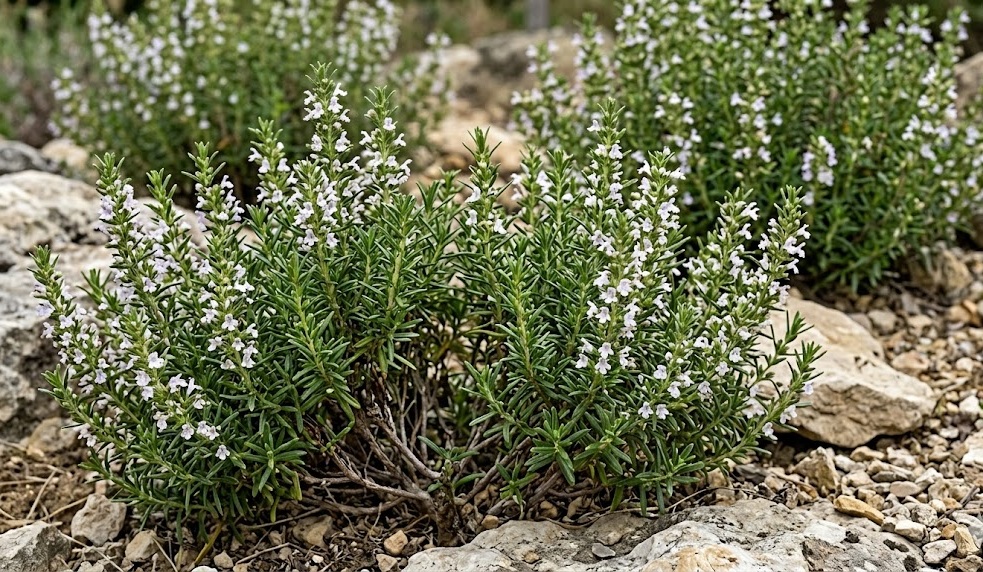
Observation is a key skill for any gardener who wishes to master the cultivation of this Mediterranean herb. You will notice that the leaves should remain a vibrant dark green, and any yellowing or wilting is usually an early sign of environmental stress. During the peak of the growing season, the plant will produce numerous small white or pale pink flowers that attract beneficial pollinators to your garden. Managing the timing of your harvest is also crucial, as taking too much foliage at once can weaken the plant’s ability to photosynthesize effectively.
Regular maintenance involves more than just physical labor; it requires a strategic understanding of the plant’s long-term development. As the shrub matures, the older branches at the base will naturally become more lignified and less productive. You can encourage fresh, succulent growth by ensuring the plant has enough space to breathe and receive adequate airflow between its stems. A well-cared-for savory plant can serve as a reliable source of culinary seasoning and a beautiful structural element in your landscape for a decade or more.
Soil management and drainage excellence
The success of your herb garden often depends on the physical and chemical properties of the ground where you choose to place your plants. Winter savory prefers a soil that is relatively lean and well-drained, mirroring the rocky hillsides of its native habitat. You should avoid heavy clay soils that retain too much water, as this can lead to root issues and stunted growth patterns. Adding a bit of coarse sand or fine gravel to the planting hole can significantly improve the drainage and aeration of the root zone.
More articles on this topic
Testing the pH of your soil is another professional step that can make a significant difference in the health of your savory. While this plant is quite adaptable, it performs best in slightly alkaline to neutral conditions where essential minerals are readily available. If your soil is naturally acidic, you might consider adding a small amount of garden lime to bring the levels into a more favorable range. Constant monitoring of these conditions ensures that the plant does not experience nutrient lock-out, which can occur in improper pH environments.
Improving soil fertility should be done with a light hand, as savory does not require high levels of nitrogen to produce its signature oils. In fact, overly rich soil can lead to rapid, leggy growth that lacks the concentrated flavor and aroma highly prized by herbalists. You can incorporate a small amount of well-decomposed compost during the spring to provide a slow-release source of micronutrients. This approach mimics the natural cycle of decomposition found in the wild, providing the plant with exactly what it needs without causing stress.
Aerating the soil around the base of the plant should be done carefully to avoid damaging the shallow feeding roots. You can use a small hand fork to gently loosen the top layer of soil every few weeks during the active growing phase. This practice prevents the formation of a hard crust that could repel water or prevent the soil from breathing properly. By keeping the earth around your savory light and porous, you create an ideal environment for the microbial life that supports plant health.
Effective weed control strategies
Keeping the area around your herbs free from competition is essential for maintaining their vigor and overall productivity. Weeds can quickly sap the moisture and nutrients from the soil, leaving your savory struggling to establish itself. You should establish a regular weeding schedule, ideally checking the beds once a week to catch any unwanted plants while they are still small. Manual removal is often the safest and most effective method for a small-scale herb garden where precision is required.
More articles on this topic
The use of organic mulches can be a highly effective way to suppress weed growth while also protecting the soil surface. You can apply a thin layer of pea gravel or crushed stone around the base of the savory to act as a physical barrier. Unlike wood chips, stone mulches do not retain excessive moisture against the stem, which helps prevent fungal issues. This inorganic mulch also reflects heat back onto the plant, which can be beneficial for oil production and flavor intensity.
If you choose to use organic mulch like straw or bark, ensure that it is kept a few inches away from the main trunk of the shrub. Placing wet organic material directly against the woody stems can create a humid microclimate that encourages rot and disease. You should periodically refresh the mulch layer as it breaks down or becomes thin over time. This consistent coverage helps maintain a stable soil temperature and prevents weed seeds from reaching the light they need to germinate.
For larger plantations, you might consider using a professional grade landscape fabric before planting to provide long-term weed suppression. This fabric allows water and air to pass through while blocking the growth of deep-rooted perennial weeds. You can hide the fabric with a decorative layer of gravel to create a clean and professional appearance in your garden. By investing time in weed management early in the season, you save yourself hours of labor during the hot summer months.
Mulching for moisture and temperature stability
Mulching serves several critical functions beyond just weed suppression, acting as a thermal blanket for the soil and the roots. In regions with hot summers, a proper mulch layer prevents the soil from baking and becoming excessively dry during the day. You will find that a mulched savory plant requires less frequent intervention and shows fewer signs of heat stress. The stability provided by a good mulch layer allows the plant to focus its energy on growth rather than survival.
Selecting the right material for your mulch is a professional decision that depends on your local climate and soil type. Coarse materials like lava rock or gravel are excellent for savory because they facilitate quick drainage and do not decay. These materials are also very durable, meaning you will not need to replace them every year like you would with bark. The aesthetic appeal of stone mulch also complements the Mediterranean look of the winter savory shrub beautifully.
During the winter months, the mulch layer provides an extra level of protection against the freeze-thaw cycles that can heave plants out of the ground. You can increase the depth of the mulch slightly in late autumn to provide a bit more insulation for the root crown. This is particularly important for younger plants that have not yet established a deep and extensive root system. As the weather warms in the spring, you can move the excess mulch back to its normal level to allow the soil to warm up.
Regularly inspecting your mulch layer can give you early warnings about potential problems in your herb bed. If you notice that the mulch is staying wet for long periods, it may be a sign that your drainage is not as effective as it should be. Conversely, if the mulch is disappearing or being displaced, you may need to add more to maintain its protective qualities. A well-managed mulch system is a hallmark of a professional garden and a healthy winter savory collection.
Monitoring plant health and vitality
A professional gardener always keeps a close eye on the subtle changes in their plants to catch potential issues before they become serious. You should inspect the underside of the leaves and the tips of the new growth for any signs of discoloration or pests. Healthy winter savory should have a sturdy, upright habit with leaves that feel firm and slightly resinous to the touch. If the stems begin to droop or the foliage looks dull, it is time to reassess your watering or feeding routine.
Recording the growth progress of your savory in a garden journal can provide valuable insights for future seasons. You can note when the first flowers appear, how much growth the plant puts on each month, and any weather events that seemed to impact its health. This data allows you to make more informed decisions about when to prune or fertilize in subsequent years. Over time, you will develop an intuitive sense of what your plants need based on these historical observations.
The presence of beneficial insects like bees and hoverflies is a positive indicator of a healthy and balanced garden ecosystem. Winter savory is highly attractive to these creatures, and their activity around your plants is a sign that the environment is thriving. You should avoid using broad-spectrum pesticides that could harm these helpers, as they provide natural pest control and pollination services. A vibrant, buzzing garden is often a clear reflection of the care and attention you provide to your herbs.
If you notice any areas of dieback or dead wood within the shrub, these should be removed promptly to prevent the spread of decay. You can use clean, sharp shears to cut back the affected stems until you reach healthy, green tissue. This practice not only improves the appearance of the plant but also encourages it to fill in the gaps with fresh new growth. Maintaining a clean and tidy plant is essential for preventing the buildup of debris that can harbor pathogens.
Harvesting techniques for long term vigor
Harvesting winter savory is an art that requires a balance between gathering the culinary herb and maintaining the plant’s health. You should always use sharp scissors or garden snips to make clean cuts rather than pulling or tearing the stems by hand. Cutting back about one-third of the current season’s growth is a safe guideline that allows the plant to recover quickly. This regular “tipping” of the branches actually encourages the savory to become bushier and more productive over time.
The best time of day to harvest your savory is in the early morning after the dew has dried but before the sun becomes too intense. At this time, the essential oils are at their highest concentration, providing the most flavor and aroma for your cooking. You should aim to harvest from the top and sides of the plant, leaving the base and inner structure intact. This ensures that the plant still has enough foliage to support its metabolic processes and continue growing throughout the season.
During the peak summer months, the plant may begin to flower, which can slightly alter the flavor profile of the leaves. Many professional chefs prefer the taste of the herb just before it blooms, but the flowers themselves are also edible and quite decorative. If you want to keep the plant focused on foliage production, you can pinch off the flower buds as they appear. However, allowing some flowers to remain is beneficial for the local biodiversity and adds visual interest to your herb garden.
Once you have harvested your savory, you should process it quickly to preserve its volatile oils and vibrant color. You can tie the stems in small bundles and hang them in a cool, dry place out of direct sunlight for drying. Alternatively, the leaves can be stripped from the stems and used fresh in a variety of savory dishes and bean recipes. Proper harvesting not only provides you with a delicious ingredient but also acts as a form of maintenance pruning for the shrub.
Companion planting and garden integration
Winter savory is a fantastic companion plant that can provide numerous benefits to the other vegetables and flowers in your garden. It is particularly well-known for its ability to repel certain pests that commonly plague bean crops, such as the bean beetle. You can plant savory in rows alongside your legumes or tuck it into the corners of your vegetable patches. This natural pest deterrent reduces the need for chemical interventions and promotes a healthier, more organic gardening environment.
The scent of savory is also said to mask the smell of roses, potentially deterring aphids and other insects that target floral displays. You can use the low-growing, evergreen habit of this herb as a beautiful edging plant for your flower borders. It provides a consistent green structure that looks great even in the winter months when other perennials have gone dormant. The small flowers of the savory also complement many traditional cottage garden plants like lavender and thyme.
Integrating winter savory into a rock garden or a xeriscape design is another professional way to use this versatile herb. Because it is drought-tolerant and thrives in poor soil, it is perfectly suited for those challenging spots where other plants might struggle. You can pair it with other Mediterranean herbs like rosemary and sage to create a cohesive and low-maintenance landscape. These plants all share similar cultural requirements, making them easy to manage as a single unit.
As your savory matures, it can also provide a small amount of shelter and habitat for ground-dwelling beneficial insects. Spiders and predatory beetles may find refuge under the dense canopy of the shrub, helping to keep your garden’s pest population in check. By viewing your winter savory as part of a larger, interconnected system, you can maximize its utility and beauty. A professional garden is one where every plant plays multiple roles, contributing to the health and harmony of the whole.