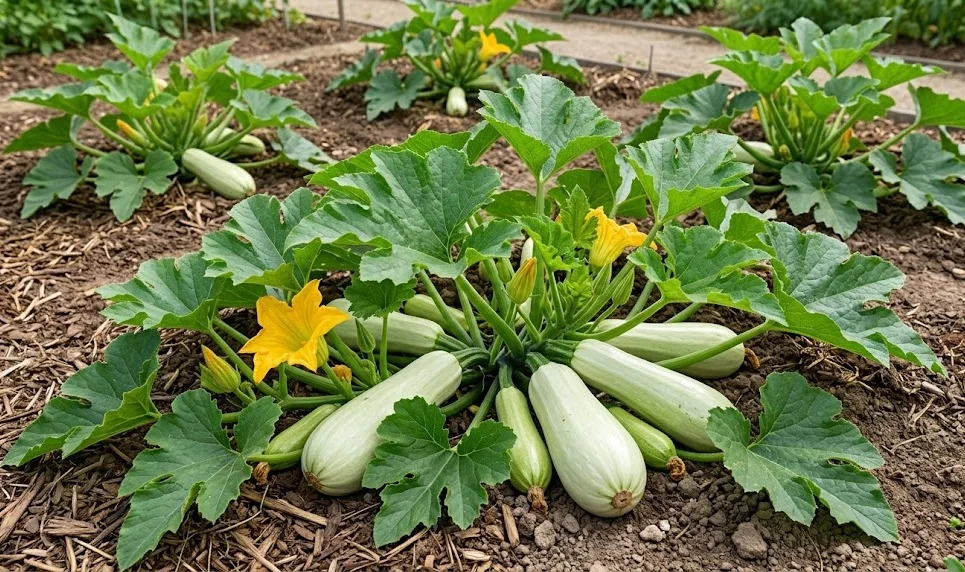

Cultivating vegetable marrow successfully requires a blend of consistent attention and an understanding of the plant’s specific biological needs throughout the growing season. As a gardener, you must recognize that these plants are heavy feeders and vigorous growers that demand plenty of space to thrive. By establishing a solid care routine early on, you can ensure a bountiful harvest of high-quality fruit that maintains excellent flavor and texture. This guide explores the essential components of maintenance that will help you achieve professional-level results in your home garden or commercial plot.
Foundational growth factors
Establishing the right environment starts with monitoring the soil temperature and moisture levels on a daily basis during the early stages of development. You should ensure that the surrounding area remains free of competing weeds that might rob the marrow of vital nutrients and water. Mulching around the base of the plant is a highly effective strategy for suppressing weed growth while simultaneously regulating soil temperature. Consistent observation allows you to identify any early signs of stress or nutrient deficiencies before they become significant problems for the plant’s health.
Maintaining a clean growing area is crucial for preventing the spread of soil-borne pathogens that often affect cucurbits. You should remove any yellowing or dead leaves promptly to improve air circulation around the main stem and developing fruit. This practice not only keeps the plant looking tidy but also reduces the hiding spots for various pests that thrive in dense foliage. Using clean tools for any maintenance tasks will further protect your crops from accidental cross-contamination between different areas of the garden.
As the vines begin to spread, you may need to gently guide them to ensure they stay within their designated growing space. Avoid moving the vines too much once they have established their secondary root systems, as this can cause unnecessary physical stress to the plant. If you are growing marrows in a limited area, consider using sturdy supports or frames to encourage vertical growth and save ground space. Providing adequate room for each plant is essential for maximizing sunlight exposure and minimizing the risk of fungal infections.
More articles on this topic
Monitoring the development of the fruit is a rewarding part of the care process that requires a keen eye for detail. You should check the underside of the growing marrows to ensure they are not resting in standing water or on overly damp soil. Placing a small piece of wood or a flat stone under the developing fruit can help prevent rot and keep the skin clean. Regular inspections will also help you determine the ideal time for harvesting based on your specific culinary needs or market requirements.
Seasonal growth transitions
As the weather shifts from the initial warmth of spring into the intense heat of midsummer, your care routine must adapt accordingly. Increased temperatures often lead to higher evaporation rates, making it necessary to adjust your irrigation schedule to keep the deep roots hydrated. You might notice that the leaves wilt slightly during the hottest part of the day, which is often a natural defense mechanism. However, if the foliage does not recover by early evening, it is a clear indication that the plant needs immediate moisture.
Mid-season is also the time when you should evaluate the overall vigor of the plant to determine if additional nutritional support is required. If the growth seems to be slowing down or the leaves are becoming pale, a balanced organic fertilizer can provide the necessary boost. Be careful not to over-fertilize with high nitrogen products at this stage, as this can lead to excessive leaf growth at the expense of fruit production. Striking the right balance between vegetative growth and reproductive success is the hallmark of an experienced gardener.
More articles on this topic
Protecting the plants from extreme weather events like hailstorms or heavy downpours is another critical aspect of seasonal care. You can use temporary row covers or garden fabric to provide a physical barrier against physical damage during short-term weather alerts. Ensure that these covers are removed as soon as the weather clears to allow for proper ventilation and pollinator access. Maintaining flexibility in your gardening schedule allows you to respond quickly to these environmental challenges.
As the season progresses toward autumn, you will need to keep a close watch on the overnight temperatures to protect any remaining fruit from early frosts. Shortening days often signal the plant to slow down its production, and you may see a natural decline in the emergence of new flowers. This is the time to focus on ripening the existing fruit and preparing the garden for the eventual end of the production cycle. Proper late-season care ensures that the final harvest is just as productive as the first.
Soil health and structure
The quality of the soil serves as the primary engine for the growth of your vegetable marrows throughout the entire season. You should aim for a soil structure that is rich in organic matter and provides excellent drainage to prevent root suffocation. Regularly adding well-rotted compost or manure before planting will create a nutrient-dense environment that supports vigorous vine development. Healthy soil also harbors beneficial microorganisms that play a vital role in making nutrients more accessible to the plant’s root system.
Testing the pH of your garden soil can provide valuable insights into why certain plants might be struggling despite receiving adequate water and light. Vegetable marrows generally prefer a slightly acidic to neutral pH range where most essential minerals are readily available for uptake. If your soil is too alkaline or too acidic, you can apply corrective amendments like lime or sulfur to bring it back into the ideal range. Understanding the chemical composition of your soil is a professional approach that leads to more predictable and successful outcomes.
Compaction is a common issue that can hinder the growth of marrow roots and prevent them from reaching deeper moisture reserves. You should avoid walking on the soil immediately surrounding the plants to keep the structure loose and airy for the roots to expand. If the soil becomes too hard, a gentle aeration with a garden fork can help improve oxygen flow and water penetration. Maintaining a loose soil profile is especially important in heavy clay soils that tend to pack down tightly after heavy rains.
Cover cropping during the off-season is an excellent way to maintain soil health and prevent erosion in your marrow patches. You can plant legumes or grasses that will add nitrogen and organic bulk back into the earth when they are tilled in the following spring. This long-term view of soil management ensures that your garden remains productive year after year without depleting its natural resources. Investing time in soil care is the most effective way to guarantee the health of your vegetable marrows.
Space and layout management
Providing enough space for each marrow plant is one of the most important decisions you will make during the planning phase. These plants can easily spread several meters in multiple directions, so you must account for this exuberant growth when setting out your rows. Overcrowding often leads to poor air circulation, which creates a perfect environment for powdery mildew and other foliar diseases to take hold. A well-spaced garden allows you to navigate between the plants easily for maintenance and harvesting without damaging the delicate vines.
The layout of your garden should also take into account the proximity of companion plants that can benefit the marrow’s growth. You might choose to plant flowers like marigolds or nasturtiums nearby to attract beneficial insects and distract potential pests. Avoid planting other heavy-feeding crops too close to your marrows to prevent intense competition for the same pool of nutrients. A thoughtful garden design maximizes the use of available resources and creates a more harmonious growing environment.
If you are working with a smaller garden, you can employ vertical gardening techniques to maximize your productive area. Training the vines up a sturdy trellis or fence allows the fruit to hang, which often results in straighter and cleaner marrows. You will need to provide extra support for the heavy fruit using mesh bags or slings to prevent them from breaking the vines. Vertical growth also makes it much easier to spot pests and monitor the overall health of the entire plant.
Pathways between the rows should be clearly defined and wide enough to accommodate your gardening tools and harvest baskets. Keeping these paths mulched with straw or wood chips can help prevent mud and make the area more comfortable to work in during wet weather. Well-maintained paths also encourage you to visit the garden more frequently, leading to better observation and more timely care. Organizational clarity in the garden reflects a professional approach to horticulture.
Managing environmental stress
Extreme heat can be particularly challenging for vegetable marrows, often causing temporary wilting or flower drop during peak afternoon hours. You can mitigate this stress by providing some light shade during the hottest part of the day using shade cloth or taller neighboring plants. Ensuring that the soil stays consistently moist will help the plant regulate its internal temperature through the process of transpiration. Strategic placement of your marrow patch can take advantage of natural windbreaks or afternoon shadows to reduce heat load.
Wind protection is another factor that can significantly impact the health and productivity of your vegetable marrow plants. Strong gusts can toss the large leaves around, potentially snapping stems or causing physical abrasions on the developing fruit. You might consider planting a temporary windbreak of sunflowers or corn to provide a buffer against the prevailing winds in your area. Protecting the plants from physical wind damage helps them conserve energy that would otherwise be spent on repairing damaged tissues.
In regions with high humidity, managing the microclimate around the foliage becomes a top priority to prevent disease outbreaks. You should focus on watering techniques that deliver moisture directly to the soil rather than wetting the leaves, especially in the evening. Increasing the spacing between plants or thinning out some of the older leaves can help improve the airflow within the canopy. Keeping the environment as dry as possible around the leaves is a proactive way to maintain plant health.
Cold snaps during the early or late season can stall growth or even kill the sensitive marrow plants if they are not protected. You should have frost blankets or cloches ready to cover the plants whenever the forecast predicts a significant drop in temperature. Even a few degrees of protection can make the difference between a successful harvest and a total crop loss. Monitoring local weather patterns is a vital skill for any gardener dedicated to the care of vegetable marrows.
Pollination and fruit set
Successful fruit production in vegetable marrows depends heavily on the activity of pollinators like bees and other beneficial insects. You will see both male and female flowers on the same plant, and pollen must be transferred from the male to the female for fruit to develop. Planting a variety of flowering herbs and perennials nearby will help ensure a steady population of pollinators throughout the blooming period. Avoiding the use of broad-spectrum insecticides is crucial for protecting these essential garden workers.
In some cases, you may find it necessary to perform hand pollination to guarantee a good fruit set, especially during periods of low insect activity. You can identify the female flower by the small swelling at its base, which looks like a tiny version of the future marrow. Simply pick a fresh male flower, remove the petals, and gently rub the pollen-covered anther onto the stigma of the female flower. This simple technique can significantly increase your yields and is often used by professional growers to ensure consistency.
Unfavorable weather conditions like heavy rain or extreme heat can sometimes interfere with the pollination process by keeping insects away or making pollen less viable. If you notice that many small fruits are shriveling and falling off the vine, it is often a sign of poor pollination or environmental stress. Ensuring the plant is well-hydrated and adequately nourished will help it produce more flowers and improve the chances of successful fertilization. Patience is key during the peak flowering period as the plant balances its energy between growth and reproduction.
Once the fruit has successfully set, you should monitor its growth rate to ensure it is developing normally and without interference. Healthy marrows grow quite rapidly, often doubling in size in just a few days under ideal conditions. You may want to limit the number of fruits per vine if you are aiming for exceptionally large specimens or if the plant seems to be struggling to support them all. Managing the fruit load allows the plant to focus its resources on producing the highest quality produce possible.
Long-term maintenance and record keeping
Keeping a detailed garden journal is an excellent way to track the progress of your vegetable marrows from year to year. You should record the planting dates, any specific pest issues you encountered, and the overall yield of each variety you grow. This information becomes incredibly valuable when planning for future seasons and helps you avoid repeating the same mistakes. Reflecting on your past successes and challenges is a core part of becoming a more proficient and professional gardener.
Maintaining your gardening tools in good condition is another aspect of care that often goes overlooked but is essential for efficiency. You should clean and sharpen your pruning shears regularly to ensure they make clean cuts that heal quickly without inviting disease. Store your hoses and watering equipment properly to prevent leaks and ensure they are ready for use when needed. A well-organized tool shed saves time and makes the daily tasks of gardening much more enjoyable.
End-of-season cleanup is a critical step for preventing the carryover of pests and diseases into the following year’s garden. You should remove all plant debris, including old vines and unharvested fruit, and compost it only if it is completely healthy. If you noticed any major disease issues, it is better to dispose of the plant material away from your compost pile to break the disease cycle. Preparing the ground for winter involves one final check of the soil and perhaps the application of a protective mulch.
Continual learning and observation will help you refine your care techniques as you gain more experience with vegetable marrows. Every growing season presents unique challenges that require you to adapt and find creative solutions for your plants. Sharing your experiences with other gardeners can also provide new perspectives and techniques that you might not have considered. Dedication to the craft of gardening ensures that your vegetable marrows will continue to be a highlight of your harvest for years to come.