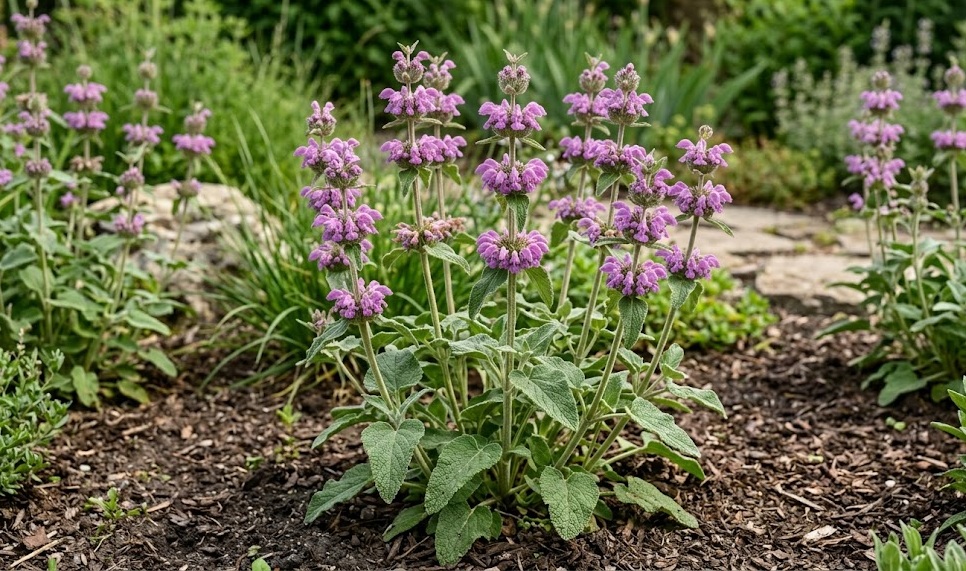

Maintaining the tuberous jerusalem sage requires a deep understanding of its botanical nature and ecological preferences to ensure long-term success. This hardy perennial is prized for its architectural form and striking whorls of pinkish-purple flowers that emerge in mid-summer. Gardeners should observe the plant throughout the seasons to recognize its subtle signals regarding hydration and nutrient availability. A proactive approach to care will result in a more resilient specimen that can withstand various environmental stresses.
Beyond the initial setup, understanding the seasonal requirements of this species allows for more precise care throughout the year. During the active growing phase, the plant utilizes a significant amount of energy to produce its characteristic floral spikes. It is important to observe how the foliage reacts to local weather patterns, such as unexpected heatwaves or heavy rain. Adjusting maintenance routines in response to these observations ensures that the plant remains healthy and vigorous.
The physical structure of the plant also requires attention to prevent overcrowding and to maintain a pleasing aesthetic form. As the plant matures, its clumps will naturally expand, which may impact the airflow around the lower leaves. Maintaining adequate space between specimens is essential for preventing the development of common garden diseases. A well-maintained stand of jerusalem sage not only looks professional but also functions as a healthier part of the ecosystem.
Finalizing the general care plan involves a long-term perspective on plant health and soil sustainability. Enriching the surrounding earth with organic matter can provide a slow release of essential elements that support the plant’s deep root system. Gardeners should also keep a detailed record of any changes in growth patterns to identify potential issues early. This holistic approach to care guarantees that the tuberous jerusalem sage remains a cornerstone of the agricultural landscape.
Optimal soil conditions for growth
Soil texture and drainage are perhaps the most critical components of the subterranean environment for this particular species. The roots require a medium that allows for rapid water movement to avoid any risk of saturation or lack of oxygen. Sandy or gravelly loams often provide the ideal balance of structure and permeability that the plant prefers. If the native soil is too heavy, incorporating inorganic amendments can significantly improve the chances of long-term success.
More articles on this topic
Chemical composition, specifically the pH balance, must be monitored to ensure that nutrients remain available to the plant’s roots. While the tuberous jerusalem sage is relatively tolerant, it thrives best in soils that are neutral to slightly alkaline. Testing the soil periodically allows for the precise application of lime or other conditioners if the environment becomes too acidic. Maintaining this chemical stability supports the internal biological processes that drive the plant’s reproductive cycle.
Organic matter content contributes to the overall resilience of the soil and provides a reservoir of moisture during dry spells. Incorporating well-rotted compost into the top layers of the soil can improve the microbial activity that benefits the root zone. However, one must be careful not to over-enrich the site, as excessive nitrogen can lead to lush but weak foliage. Finding the right balance of fertility ensures that the plant develops sturdy stems capable of supporting its heavy flower heads.
Subsurface drainage can be further enhanced by creating slightly raised planting areas if the garden is prone to seasonal flooding. This physical modification prevents the base of the plant from sitting in cold, wet earth during the dormant season. It also allows for better temperature regulation of the root zone, which can be beneficial during the early spring thaw. Professional gardeners often find that these small topographical adjustments lead to much more reliable performance over the years.
Environmental and climatic factors
The regional climate plays a significant role in determining the overall vitality and flowering potential of the tuberous jerusalem sage. This species is naturally adapted to continental climates with distinct seasonal shifts and moderate precipitation levels. It demonstrates remarkable heat tolerance, provided that its basic requirements for light and soil structure are met. Understanding these environmental constraints allows gardeners to select the best possible location within their landscape.
More articles on this topic
Air circulation is an often overlooked factor that contributes to the health of the foliage and the prevention of fungal pathogens. When plants are grouped too closely together, humidity can become trapped within the dense leaf canopy. Selecting an open site where breezes can pass through the garden helps to keep the leaves dry and resilient. This simple environmental consideration reduces the need for external interventions such as fungicides or chemical treatments.
Temperature fluctuations during the transition between seasons can impact the timing of the plant’s emergence from dormancy. A stable period of warming in the spring encourages the development of strong new shoots from the underground tubers. Conversely, late spring frosts can sometimes damage early growth, although the plant is generally hardy enough to recover. Monitoring local weather forecasts enables gardeners to provide temporary protection if extreme thermal shifts are predicted.
Microclimates within a single property can also influence how the plant behaves compared to general agricultural guidelines. South-facing slopes or areas near heat-retaining walls may cause the plant to flower earlier than those in more exposed sites. Identifying these unique pockets of the garden allows for a more tailored approach to seasonal maintenance and irrigation. By working with the natural environment, professionals can maximize the aesthetic impact of this impressive perennial.
Physical spacing and growth control
Proper spacing between individual plants is necessary to allow for the full development of their expansive root systems and leaf rosettes. When first planting, it is tempting to place specimens close together for immediate visual impact, but this can lead to future problems. Overcrowded plants compete for resources such as water and soil nutrients, which can stunt their overall growth. Providing at least sixty centimeters between centers ensures that each plant has the space it needs to thrive.
As the clumps of the tuberous jerusalem sage expand over several years, their physical footprint in the garden will naturally increase. This growth is a sign of a healthy specimen, but it may eventually require management to prevent it from overtaking neighboring plants. Occasional thinning or division can help to keep the population within its designated boundaries while maintaining vigor. Controlled growth results in a more organized and professional-looking garden layout that is easier to manage.
Stem stability is another aspect of growth control that becomes relevant as the plant reaches its full height in mid-summer. In windy areas or sites with overly fertile soil, the tall flower spikes may benefit from subtle support to prevent them from leaning. Using natural materials like hazel stakes or simple twine can provide the necessary stability without detracting from the plant’s beauty. Sturdy, upright stems are essential for showcasing the unique whorled arrangement of the flowers.
Monitoring the height and density of the foliage throughout the summer provides insights into the plant’s overall health and resource availability. If the plants appear smaller than expected, it may indicate a need for supplemental nutrition or a change in watering frequency. Regular assessments allow for small adjustments that keep the growth on track for a spectacular seasonal display. Professional gardeners prioritize these observations to ensure that the landscape remains balanced and visually appealing.
Seasonal observation and maintenance
Spring serves as the critical period for clearing away old debris and preparing the site for new growth. Removing the dead stalks from the previous year allows sunlight to reach the crown of the plant more effectively. This cleanup also eliminates potential overwintering sites for pests and pathogens that could harm the emerging shoots. A clean start in the spring sets the stage for a healthy and productive growing season.
During the summer months, the focus shifts to ensuring that the plant has enough energy to sustain its flowering cycle. While the species is drought-tolerant, providing occasional deep irrigation during prolonged dry spells can improve the quality of the blooms. Deadheading is not strictly necessary for plant health, but it can sometimes prolong the visual interest of the stalks. Many gardeners prefer to leave the seed heads intact, as they provide a striking silhouette even after the color fades.
Autumn is the time to assess the overall performance of the plant and begin preparations for the coming winter. As the temperatures cool, the plant will naturally start to divert energy back into its underground tubers for storage. Reducing any supplemental fertilization during this time prevents the development of soft growth that could be damaged by frost. It is a period of transition where the plant begins its slow descent into its annual dormancy.
The winter maintenance routine is minimal but involves protecting the root zone from excessive moisture and extreme temperature swings. Leaving the dried foliage and stems in place can provide a natural layer of insulation for the crown. In regions with particularly harsh winters, a light layer of mulch can offer additional security against the elements. These seasonal steps are fundamental to ensuring that the tuberous jerusalem sage returns with renewed strength every year.
Foliage health and aesthetics
The leaves of the tuberous jerusalem sage are as much a part of its appeal as the flowers themselves. Their soft, felt-like texture and deep green color provide a wonderful backdrop for other garden perennials. Maintaining the health of this foliage requires attention to both hydration and the avoidance of physical damage. When the leaves are vibrant and turgid, the plant exudes a sense of vitality that enhances the entire garden.
Discoloration of the foliage can serve as an early warning sign for various nutritional deficiencies or environmental stressors. Yellowing between the veins might suggest a lack of magnesium or iron in the soil, which can be easily corrected with targeted amendments. On the other hand, brown or crispy edges often indicate that the plant is suffering from windburn or insufficient moisture. Quick intervention based on these visual cues can prevent more serious damage to the plant’s structure.
The arrangement of the leaves in basal rosettes makes the plant an excellent choice for ground cover in large-scale landscapes. This dense foliage helps to suppress weeds and retains soil moisture by shading the ground beneath the plant. It also creates a cohesive visual texture that can tie different elements of the garden design together. Keeping the rosettes free of debris ensures that the plant remains healthy and the garden looks professional.
Pruning away damaged or unsightly leaves throughout the growing season helps to maintain a clean and attractive appearance. This practice is especially important after heavy storms or periods of high pest activity when some foliage may become tattered. Removing these pieces directs the plant’s energy toward the production of new, healthy growth. Aesthetic maintenance is a continuous process that reflects the care and expertise of the professional gardener.
Long term garden sustainability
Integrating the tuberous jerusalem sage into a sustainable landscape design offers numerous benefits for the local ecosystem. Its ability to thrive with minimal inputs makes it an ideal candidate for low-maintenance or xeriscape gardens. By reducing the need for constant irrigation and synthetic fertilizers, it helps to conserve precious natural resources. A sustainable garden is one that works in harmony with the environment rather than against it.
The plant also serves as an important resource for local pollinators, including bees and butterflies, during the mid-summer months. Its unique flower structure provides a consistent source of nectar when other food sources might be scarce. By including this species in the garden, professionals can support biodiversity and the health of local insect populations. This ecological contribution is an essential part of modern agricultural and horticultural practices.
Over time, the tuberous jerusalem sage can help to improve the structure of the soil through its deep and expansive root system. As the roots grow and eventually decompose, they create channels for air and water to penetrate deeper into the earth. This biological process enhances the overall health of the soil and benefits other plants in the surrounding area. Investing in the health of these perennials is an investment in the long-term fertility of the entire garden site.
Finally, the longevity of this species ensures that it remains a stable and reliable feature of the landscape for many years. Unlike short-lived perennials, it does not require frequent replacement, which reduces the overall cost and labor of garden management. Its enduring presence provides a sense of continuity and maturity to the landscape design. Choosing durable and resilient plants is a hallmark of professional garden planning and sustainable land use.