
Maintaining a sycamore maple requires a deep understanding of its natural habitat and growth patterns to ensure it thrives in a managed landscape. This robust deciduous tree is known for its impressive stature and longevity, often reaching heights that dominate the surrounding canopy. While it is generally considered a hardy species, consistent attention to its environmental needs will prevent early decline. Proper care begins with recognizing that this tree values stability and adequate space to expand its extensive root system and broad crown.
The early years of a sycamore maple’s life are the most critical for establishing a resilient structure. Young specimens need regular monitoring to ensure they are not overwhelmed by aggressive weeds or competing ground cover. Mulching around the base of the tree can help retain moisture and suppress unwanted vegetation while providing a neat appearance. You should periodically check the trunk for any mechanical damage caused by lawn equipment or browsing animals.
As the tree matures, its maintenance requirements shift toward structural integrity and soil health. Monitoring the soil quality ensures that the tree has access to the essential minerals required for its dense foliage production. It is important to avoid significant soil compaction within the drip line, as this can restrict oxygen flow to the roots. Professional arborists often recommend checking for girdling roots that might eventually strangle the trunk as it expands in girth.
Seasonal transitions offer the perfect opportunity to evaluate the overall vitality of your sycamore maple. In late summer, you may notice the characteristic leaf changes that signal the approaching dormancy period. Cleaning up fallen leaves is not just about aesthetics; it helps reduce the overwintering population of various pathogens. Maintaining a clean area around the tree is a simple yet effective way to promote long-term health throughout its multi-decade lifespan.
Soil management and site conditions
The success of a sycamore maple is heavily dependent on the quality and composition of the soil in which it resides. These trees prefer deep, well-drained soils that are rich in organic matter and capable of holding consistent moisture. They are quite adaptable to various pH levels but generally perform best in slightly acidic to neutral environments. You should avoid planting them in areas with heavy clay that remains waterlogged for extended periods during the rainy season.
More articles on this topic
Understanding the drainage capacity of your site is a fundamental aspect of professional tree care. If the soil is too sandy, the tree may struggle with nutrient retention and require more frequent intervention. Conversely, excessively rocky soil can limit the depth of the taproot, making the tree more susceptible to windthrow during heavy storms. Testing the soil every few years provides valuable data on whether amendments are necessary to sustain growth.
Adding organic compost to the top layer of soil can significantly enhance the microbial activity that supports root health. This natural approach mimics the forest floor where leaf litter gradually breaks down into nutrient-rich humus. It is best to spread the compost widely rather than concentrating it solely at the base of the trunk. This encourages the roots to spread outward, which provides better anchors for the tree as it gains height and weight.
Space management is another crucial factor when caring for a species that grows as large as the sycamore maple. You must ensure that the tree is not crowded by buildings or other large structures that could interfere with its natural shape. Roots can be quite powerful and may eventually disrupt nearby pavement or underground utilities if not given enough room. Planning for the tree’s eventual size at maturity will save significant effort and resources in the long run.
Holistic health monitoring
Regular inspections are the cornerstone of a proactive care strategy for any large-scale landscape tree. You should look for signs of vigorous new growth in the spring, which indicates that the root system is functioning efficiently. Checking the color and size of the leaves can reveal hidden nutritional deficiencies or environmental stressors. A healthy sycamore maple should display lush, dark green foliage throughout the peak growing months of the summer.
More articles on this topic
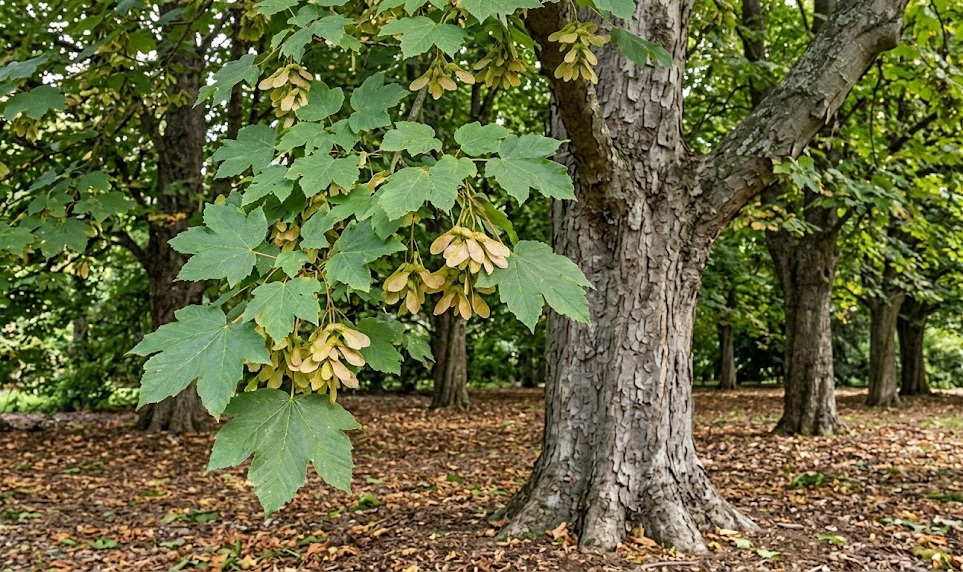
The condition of the bark can tell you a lot about the internal health of the tree. Smooth bark on younger branches is normal, but as the tree ages, the bark naturally becomes more plate-like and textured. Any deep cracks, oozing sap, or large areas of peeling bark should be investigated further to rule out serious issues. These physical markers are often the first indicators of underlying physiological problems that need addressing.
Observing the tree’s reaction to extreme weather events provides insight into its resilience and structural strength. After a heavy storm, it is wise to walk around the tree and look for broken limbs or hanging branches in the upper canopy. These “widow-makers” can be dangerous and should be removed by a professional to prevent further damage. Early detection of structural weaknesses allows for corrective measures before a total failure occurs.
Environmental factors such as air quality and local pollution levels can also impact the longevity of the sycamore maple. While this species is relatively tolerant of urban conditions, excessive salt spray or chemical runoff can cause marginal leaf burn. If you live in an area with harsh winters, be mindful of how de-icing salts might affect the root zone. Providing a buffer or rinsing the soil in early spring can help mitigate these modern gardening challenges.
Enhancing the local ecosystem
A sycamore maple is more than just an ornamental feature; it is a vital component of the local biological network. The flowers provide an early source of nectar for bees and other pollinators during the spring months. By maintaining a healthy tree, you are supporting a wide range of insects that form the base of the food chain. This ecological contribution is one of the most rewarding aspects of caring for such a magnificent species.
The dense canopy of a mature tree offers essential nesting sites for various bird species throughout the year. As the tree grows, it creates a microclimate underneath that can support shade-loving plants and diverse soil organisms. You might notice that the temperature under a sycamore maple is significantly cooler during the height of a summer afternoon. This natural cooling effect is beneficial for both the surrounding garden and the people who enjoy it.
The winged seeds, often called “helicopters,” are a fascinating feature that also serves as a food source for small mammals. While they can be numerous, they represent the tree’s attempt to ensure its legacy in the landscape. Managing the resulting seedlings is a simple part of routine garden maintenance that prevents the tree from becoming too invasive. Embracing the natural cycle of the tree adds a layer of depth to your gardening experience.
Choosing to care for a sycamore maple is a long-term commitment to the environment and future generations. The carbon sequestration capabilities of such a large tree are significant and help offset local emissions. Every year that the tree grows larger, its ability to filter the air and provide shade increases. Your dedication to its professional care ensures that these benefits will continue for many decades to come.
Advanced techniques for specimen trees
For those who wish to maintain a sycamore maple as a centerpiece, advanced arboricultural techniques may be employed. Soil aeration can be used to combat compaction in high-traffic areas where people often walk near the tree. This process involves creating small holes in the soil to allow air and water to reach the roots more effectively. It is a specialized task that can rejuvenate an older tree that has begun to show signs of stress.
Root zone injections are another professional method used to deliver nutrients or systemic treatments directly where they are needed. This targeted approach is often more effective than surface applications, especially in urban environments with restricted soil access. It allows for precise control over the tree’s nutritional intake without affecting the surrounding lawn or garden beds. Consulting with a certified arborist can help determine if this is appropriate for your specific situation.
In some cases, cabling and bracing might be necessary to support heavy or overextended limbs in the canopy. This hardware is designed to limit the movement of branches during high winds, reducing the risk of breakage. It should only be installed by experts who understand the physics of tree growth and wood strength. When done correctly, it can extend the life of a structurally compromised but otherwise healthy specimen.
Growth regulators are sometimes used in urban forestry to manage the size of trees near power lines or buildings. These substances slow down the vertical growth while often increasing root density and leaf thickness. While not always necessary for residential trees, they provide an option for maintaining a sycamore maple in a confined space. Understanding these professional tools allows for more flexible management of large-scale landscape assets.
Longevity and legacy planning
The sycamore maple is a tree that bridges the gap between the present and the future. When you care for one today, you are essentially gardening for people who will live a hundred years from now. This perspective encourages a more patient and deliberate approach to every maintenance task you perform. It reminds us that our small actions in the garden contribute to a much larger natural history.
Creating a historical record of the tree’s growth can be a satisfying project for any dedicated gardener. You might choose to measure the circumference of the trunk every year or photograph the tree from the same spot each season. These records provide a tangible timeline of the tree’s development and your role in its journey. It turns routine care into a meaningful tradition that connects you with the land.
Thinking about the tree’s eventual replacement is a mark of a truly professional and forward-thinking manager. While we hope our trees live forever, having a plan for the next generation ensures continuity in the landscape. You might consider planting a younger tree nearby as the older one reaches its final stages of life. This overlapping strategy maintains the ecological and aesthetic values of the site indefinitely.
Ultimately, the goal of caring for a sycamore maple is to foster a relationship between humanity and the natural world. These trees stand as silent witnesses to the passing of time and the changing seasons. By providing the expert care they require, you are participating in a timeless act of stewardship. The reward is a majestic, healthy tree that brings beauty and life to your surroundings every single day.
Adapting to climate variability
Modern gardening requires an awareness of how changing weather patterns might affect traditional care routines. The sycamore maple is relatively resilient, but increased frequency of heatwaves or unseasonal frosts can take a toll. You may need to adjust your watering schedule or provide extra mulch during particularly dry winters. Being flexible and observant is key to helping the tree adapt to these shifting environmental conditions.
Watching for new pests that might migrate into your area due to warmer temperatures is also part of a modern care plan. Some insects that were previously restricted to southern regions may start to appear further north. Staying informed through local agricultural extensions or gardening groups will help you catch these issues early. Knowledge is the most powerful tool in any gardener’s arsenal when facing new challenges.
In areas prone to heavy snow, the weight of winter accumulation can be a concern for the sycamore maple’s broad branches. Gently shaking off heavy snow from accessible limbs can prevent physical damage or snapping. However, you should never attempt to knock off ice, as this can cause the brittle wood to shatter. Proper winter care ensures the tree emerges in the spring without unnecessary structural setbacks.
Every sycamore maple has its own unique personality and set of challenges based on its specific location. What works for a tree in a park might be different from what a tree in a backyard requires. By paying close attention to your individual tree, you develop a specialized knowledge that no textbook can fully provide. This personal connection is what transforms a simple gardening task into a professional passion.