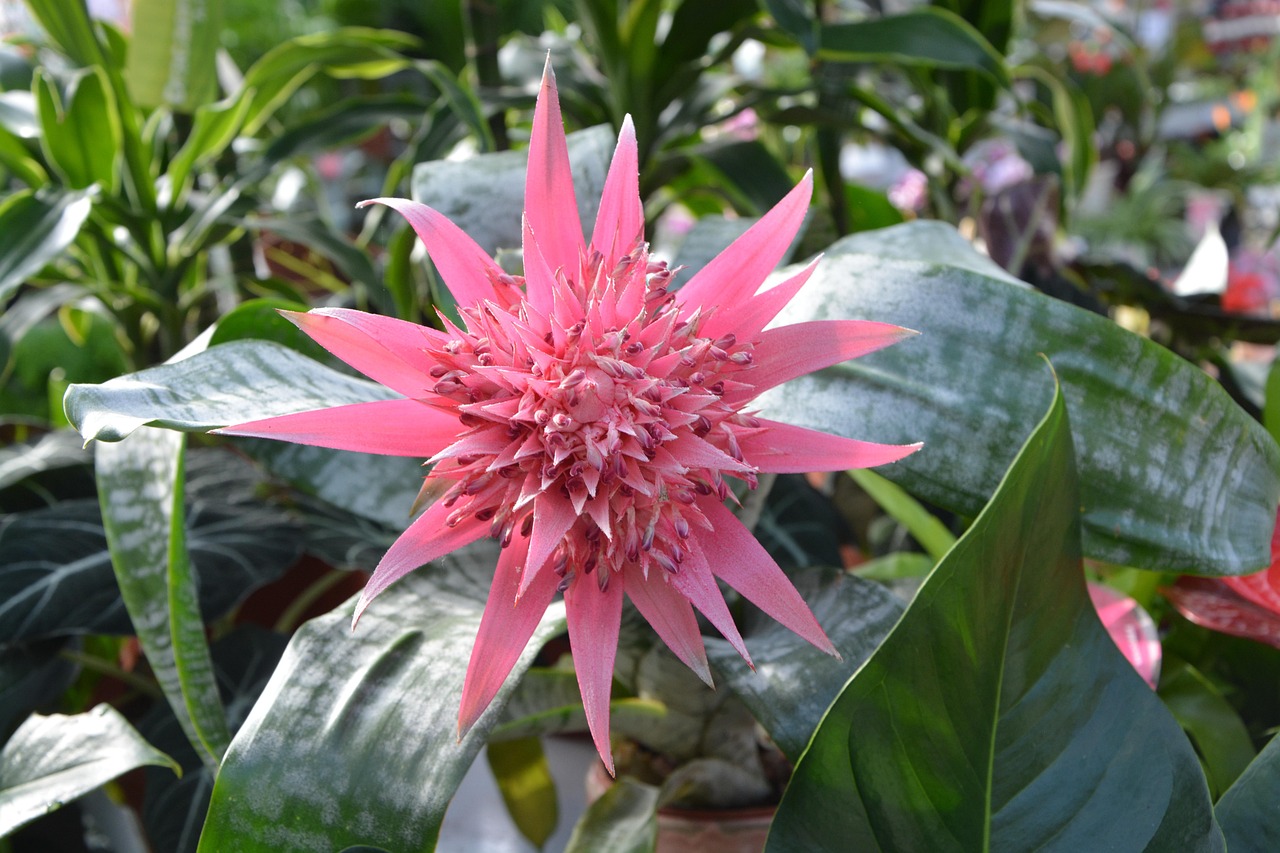

The silver vase plant is one of the most striking members of the bromeliad family and offers a unique aesthetic to any indoor garden. Its thick, silver-dusted green leaves form a natural reservoir that serves as the heart of its hydration system. To keep this plant healthy, you must understand its epiphytic nature and how it interacts with its environment. This guide will help you master the foundational care required for a long-lasting and vibrant specimen.
Maintaining the right humidity levels is the first major step in ensuring your plant thrives throughout the year. Because these plants naturally grow on trees in tropical forests, they absorb moisture from the air around them. You can simulate this by placing the pot on a tray filled with pebbles and a small amount of water. Just make sure the bottom of the pot does not touch the water directly to avoid root issues.
Temperature management is another critical factor for the overall well-being of your silver vase plant. It prefers a consistent environment that stays between 18 and 24 degrees Celsius during the daytime hours. Avoid placing your plant near drafty windows or air conditioning vents that could cause sudden temperature drops. These fluctuations can stress the plant and might even prevent it from producing its beautiful pink inflorescence.
The silver scales on the leaves are not just for decoration but serve a vital physiological purpose for the plant. These scales, known as trichomes, help the plant trap moisture and nutrients from the atmosphere in the wild. You should never try to wipe these scales off, as doing so can damage the plant’s ability to regulate its hydration. Instead, keep the leaves clean by gently misting them with distilled water to remove dust.
Understanding the natural growth cycle
Every silver vase plant follows a distinct life cycle that culminates in a spectacular flowering event. The plant grows as a rosette for several years before it finally produces its iconic pink bracts and small violet flowers. Once the flowering period ends, the mother plant will slowly begin to decline over several months. This is a natural process and should not be seen as a sign of poor care or disease.
More articles on this topic
During the growth phase, the plant focuses all its energy on expanding its leaf span and building reserves. You will notice the rosette becoming tighter and deeper as the plant matures towards its blooming stage. Providing consistent care during this period ensures that the eventual flower will be large and long-lasting. Healthy plants often maintain their colorful bracts for up to six months under ideal conditions.
As the bloom begins to fade, the plant redirects its remaining energy toward producing offspring at the base. These small plantlets, often called pups, are the future of your collection and require careful monitoring. You should continue to care for the mother plant as long as it has green leaves to support these pups. This transitional period is vital for the successful establishment of the next generation of bromeliads.
Patience is essential when waiting for a young plant to reach its full maturity and flowering potential. It can take three to five years for a pup to grow large enough to produce its own flower spike. Rushing the process with excessive chemicals is rarely successful and can often harm the plant’s structural integrity. Enjoy the architectural beauty of the silver foliage while the plant prepares for its grand finale.
Creating a tropical microclimate indoors
Replicating a tropical environment within a modern home requires a thoughtful approach to air circulation and moisture. While high humidity is beneficial, stagnant air can lead to fungal problems that are difficult to treat later. Use a small fan in the room to keep the air moving gently around your collection without pointing it directly at the leaves. This balance of moisture and movement mimics the natural breezes found in the plant’s native canopy.
More articles on this topic
Grouping several tropical plants together can naturally increase the local humidity through a process called transpiration. When plants release moisture through their leaves, they create a small pocket of humid air that benefits all surrounding greenery. The silver vase plant fits perfectly into such arrangements due to its upright growth habit and contrasting colors. This method is often more effective than occasional misting, which dries out very quickly in heated rooms.
Digital hygrometers are inexpensive tools that can help you monitor the exact moisture levels in your growing area. Aim for a humidity range between fifty and sixty percent to keep the foliage looking its best and prevent brown tips. If your home is particularly dry during the winter, a dedicated room humidifier might be a necessary investment. Keeping the environment stable will prevent the silver scales from becoming dull or brittle over time.
Avoid placing your plant in areas with high traffic where the leaves might be frequently brushed against by people. The edges of the leaves can be quite sharp and may cause minor scratches if you are not careful. Furthermore, physical contact can disturb the delicate silver coating that protects the leaf surface from intense light. Find a dedicated spot where the plant can grow undisturbed while still being a focal point of the room.
Maintaining leaf health and aesthetics
The visual appeal of the silver vase plant depends largely on the pristine condition of its broad, arching leaves. Dust can accumulate quickly on the textured surface, blocking light and hindering the plant’s ability to photosynthesize. Use a soft, dry cloth or a very light spray of water to keep the foliage clean and bright. Avoid using commercial leaf shine products, as they can clog the trichomes and interfere with moisture absorption.
If you notice the leaf tips turning brown, it is usually a sign of low humidity or chemical sensitivity. Trim the brown edges with sterilized scissors, following the natural shape of the leaf to maintain its beauty. Check your water source, as chlorine and minerals in tap water can sometimes cause these localized burns. Switching to rainwater or filtered water often resolves this aesthetic issue within a few weeks of new growth.
The silver dusting on the leaves can vary in intensity depending on the amount of light the plant receives. In brighter conditions, the plant often produces more of this protective coating to shield itself from solar radiation. If your plant looks more green than silver, it might be an indication that it needs a slightly brighter location. However, always transition the plant slowly to prevent the leaves from scorching under sudden intensity.
Lower leaves will naturally age and turn yellow or brown as the plant grows taller and wider. These can be removed by gently pulling them away or cutting them close to the base of the plant. Removing old foliage keeps the specimen looking tidy and prevents pests from finding hiding spots in the debris. Always use clean tools when performing any maintenance to prevent the spread of pathogens between your plants.
Encouraging a successful blooming period
Bringing a silver vase plant into bloom is a rewarding experience that requires a combination of age and environment. The plant must be mature enough to support the energy demands of producing a large inflorescence and seeds. If your plant is several years old and hasn’t bloomed, you might need to provide a gentle environmental trigger. Some growers use the ethylene gas from ripening fruit to stimulate the flowering process in stubborn plants.
To use the fruit method, place the plant inside a large clear plastic bag with a few ripe apples. Seal the bag and keep it in a shaded spot for about three days before removing the plant. The ethylene gas released by the apples signals the plant to begin the transition into its reproductive phase. You should see the first signs of the flower spike emerging from the center within eight to twelve weeks.
Once the pink bract starts to emerge, ensure the plant receives very consistent light and moisture levels. Any sudden stress during this time can cause the flower to stall or develop unevenly in the center. Keep the central reservoir filled with fresh water and avoid getting the developing flower spike too wet. The color of the bracts will intensify as they mature, providing a stunning contrast against the silver leaves.
The actual flowers are small and purple, appearing between the scales of the large pink bract during the peak. These tiny flowers only last for a short time, but the pink bract itself remains attractive for months. Do not be discouraged when the small purple petals fade, as the overall structure stays beautiful. This long-lasting display is why the silver vase plant remains a favorite in the horticultural world.
Long term health and plant vitality
Ensuring the longevity of your silver vase plant involves monitoring the health of the root system and the crown. While the plant takes in much of its moisture through the leaves, the roots still need a stable environment. Use a very well-draining potting mix that allows air to reach the roots at all times to prevent rot. A healthy root system provides the anchor the plant needs as it grows top-heavy with a large bloom.
Check the center of the plant regularly to ensure there is no debris or decaying organic matter trapped inside. If the water in the urn becomes foul or cloudy, it should be flushed out and replaced immediately. Good hygiene in the central reservoir is the best way to prevent bacterial infections from taking hold. A healthy plant will have a clean, fresh-smelling center that is free of any slime or mold.
As the plant matures, it may become slightly unstable in its pot due to the weight of the thick leaves. You can place the plastic nursery pot inside a heavier ceramic or stone decorative container for added stability. This also allows you to manage the humidity more effectively by adding a layer of damp moss between the pots. Stability is important because any tipping can spill the water out of the central urn and mess up the floor.
Observation is the most powerful tool for any gardener looking to maintain a healthy collection of bromeliads. Spend a few minutes each week looking closely at the leaf undersides and the base of the plant. Early detection of any changes in color or texture allows you to make adjustments before problems become severe. A proactive approach to care will reward you with a magnificent specimen that lives through its full cycle.
Managing the transition after flowering
When the magnificent pink bract finally begins to turn brown and dry out, the plant is entering its final stage. This is not a failure on your part, but the completion of the biological mission of the silver vase plant. You should carefully cut away the faded flower spike at its base to keep the plant looking clean. This allows the mother plant to focus her remaining nutrients on the development of the pups.
The offsets will appear at the base of the mother plant, usually nestled between the lowest leaves. These pups are genetically identical to the parent and will eventually grow into full-sized blooming plants themselves. Do not be tempted to remove them too early, as they rely on the mother for food and water. They should be at least one-third the size of the parent before you even consider separating them.
Continue to fill the central urn of the mother plant even after the flower is gone to support the offspring. The mother plant will gradually lose its vibrant color and may start to shrivel over the following year. This slow decline is the perfect time to learn about the reproductive strategies of epiphytic plants in the wild. Eventually, the mother will become unsightly, and the pups will be ready to start their own independent lives.
If you prefer a fuller look, you can leave the pups attached and simply remove the mother plant once she dies. This will result in a multi-headed specimen that can be very impressive when several rosettes bloom at once. However, this requires a larger container and careful management of the water reservoirs in each individual plant. Regardless of your choice, the cycle of the silver vase plant is a fascinating journey for any grower.