
The silkvine is an incredibly vigorous deciduous climber that is prized for its unique foliage and striking, although somewhat oddly scented, flowers. Many gardeners appreciate its ability to quickly cover fences, pergolas, and unsightly structures with a dense screen of glossy green leaves. Successfully managing this plant requires a deep understanding of its natural Mediterranean origins and its aggressive growth habits. To ensure it thrives without becoming an invasive nuisance, one must follow a structured approach to its maintenance throughout the changing seasons.
Understanding the environmental needs
The native habitat of this vine provides a blueprint for its successful cultivation in any garden setting. It originates from the warmer regions of Southern Europe and Western Asia, where it enjoys plenty of heat and sunlight. You should aim to replicate these conditions by choosing a site that offers a warm microclimate and protection from freezing winds. While it is remarkably adaptable to various soil types, providing a well-drained foundation is the most critical factor for long-term health.
Soil composition plays a secondary but vital role in the overall vitality of the climbing stems. It prefers a loamy or sandy texture that allows roots to breathe while maintaining a baseline level of moisture. You can improve heavy clay soils by adding organic matter or grit to ensure that water does not stagnate around the sensitive root crown. A neutral to slightly alkaline pH level is ideal, though the plant typically tolerates a wide range of acidity.
Establishing a strong structural foundation is necessary because of the sheer weight of the mature vines. Since this climber uses twining stems rather than tendrils or adhesive pads, it requires a sturdy support system to climb effectively. You should install heavy-duty wires, wooden lattices, or metal frameworks before the plant reaches its rapid growth phase. Without proper support, the vines will sprawl across the ground and potentially smother neighboring plants or lawn areas.
More articles on this topic
Monitoring the growth rate is a task that begins early in the spring and continues until the first frost. This plant is known for its ability to produce several meters of new growth in a single growing season under optimal conditions. You must remain vigilant to ensure that it does not entwine itself around delicate gutters, roof tiles, or nearby trees. Regular guidance of the young shoots will help you shape the plant according to your specific landscape design goals.
Managing seasonal transitions
Spring marks the beginning of the most active phase when the sap begins to rise and new buds appear. During this time, you should focus on clearing away any debris from the previous year to prevent fungal growth at the base. It is the perfect moment to check the integrity of your support structures before they are hidden by dense foliage. A light application of compost can provide the necessary energy boost for the upcoming explosion of green growth.
Summer care revolves around maintaining a balance between moisture levels and heat management. Although the plant is relatively drought-tolerant once established, extreme heatwaves may cause the leaves to wilt slightly during the afternoon. Providing a deep watering during the early morning hours helps the plant withstand the intense midday sun without stress. You should also watch for any signs of nutrient deficiency that might manifest as yellowing between the leaf veins.
More articles on this topic
Autumn is a period of preparation where the plant begins to slow down its metabolic processes and prepare for dormancy. You will notice the leaves turning a subtle yellow or brown before they eventually drop, leaving the architectural stems exposed. This is an excellent time to evaluate the overall structure of the vine and plan for any major corrective actions in the spring. Reducing the water supply gradually will help the woody tissues harden off properly before the arrival of cold temperatures.
Winter maintenance is minimal but involves protecting the root zone in particularly harsh climates. While mature specimens are quite hardy, young plants may benefit from a thick layer of mulch to prevent the ground from freezing too deeply. You should avoid any heavy pruning during the winter months to prevent cold damage to the open cuts. Simply keeping the area clear of heavy snow loads that could break the branches is usually sufficient for a healthy overwintering.
Optimizing health and aesthetics
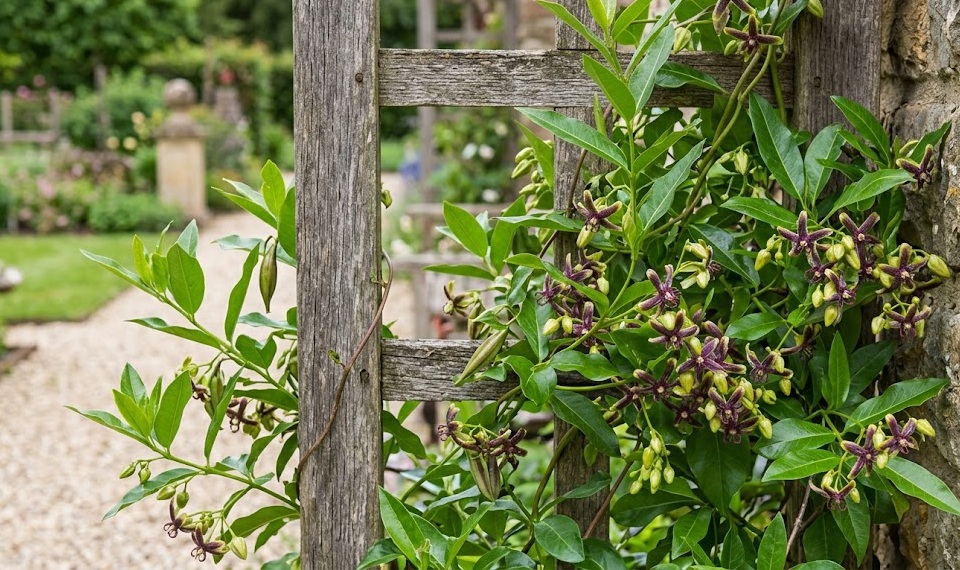
The unique flowers of the silkvine appear in mid-summer and offer a distinct visual appeal with their brownish-purple petals. To encourage a more prolific blooming period, you should ensure the plant receives maximum sunlight throughout the day. While the scent is often described as medicinal or even slightly unpleasant by some, it attracts a variety of interesting pollinators to the garden. Removing spent flower clusters can sometimes help keep the plant looking tidy, though it is not strictly necessary for its health.
Leaf health is a primary indicator of how well the plant is adapting to its specific location in your garden. The glossy, dark green surface of the leaves should remain consistent throughout the peak of the growing season. If you notice any spotting or unusual curling, it may be a sign of environmental stress or a localized pest issue. Keeping the foliage dry during watering sessions is a simple way to prevent common leaf-related problems from developing.
Air circulation is an often overlooked aspect of caring for such a dense and vigorous climbing species. As the vine thickens over several years, the interior sections can become overly crowded and prone to stagnant air. You should occasionally thin out the oldest or most congested stems to allow light and wind to penetrate the center of the plant. This practice not only improves the health of the leaves but also reduces the risk of fungal infections in humid weather.
Long-term management involves recognizing when the vine has reached its allotted space and needs more restrictive care. It is a plant that rewards the patient gardener who is willing to provide consistent, firm guidance to its sprawling nature. By understanding its cycle of growth and rest, you can enjoy its Mediterranean charm for many decades. A well-maintained silkvine is a testament to the balance between wild natural vigor and thoughtful horticultural intervention.