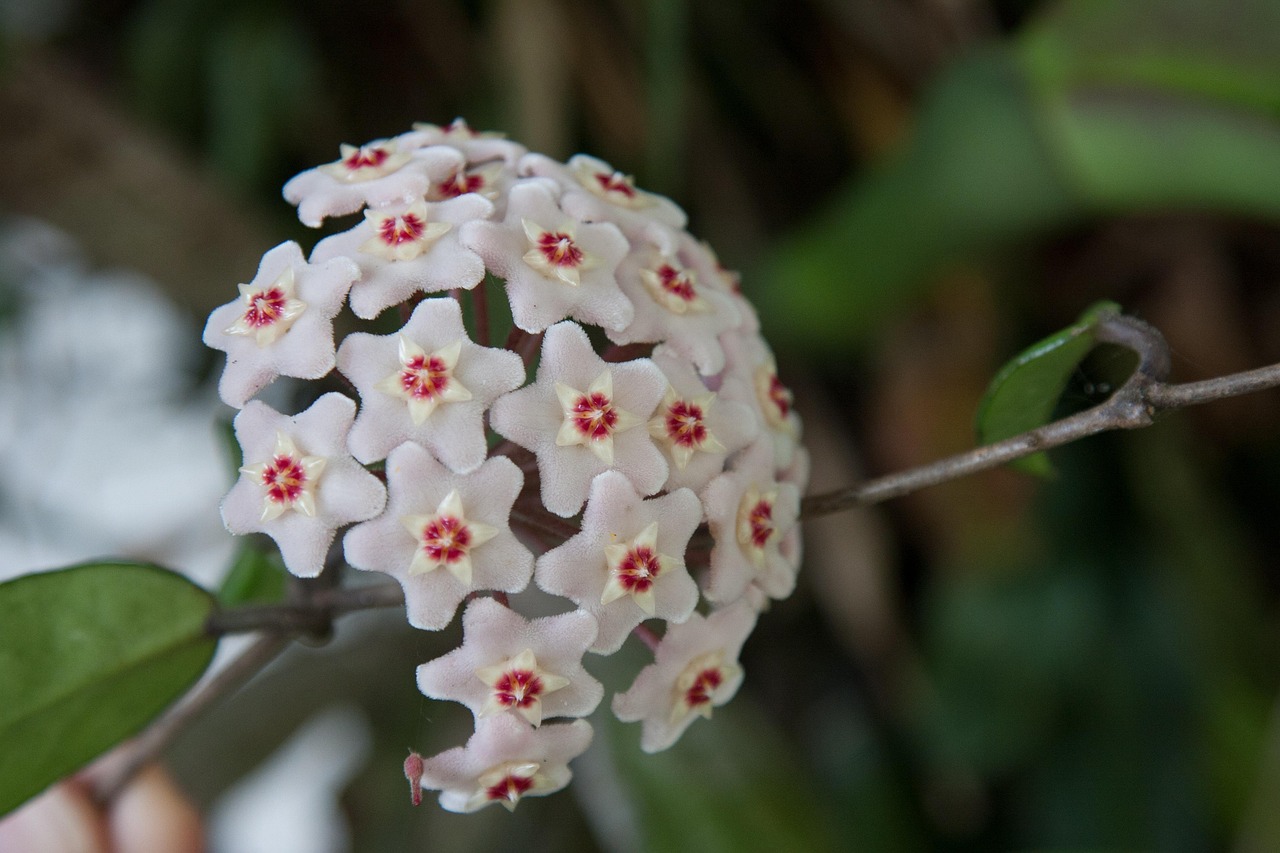

The porcelainflower is one of the most beloved indoor climbing plants because of its stunning, star-shaped blossoms and thick, waxy foliage. You will find that this species is remarkably durable and can live for decades if you provide it with the right environment. It is a slow grower initially, but once it establishes its root system, it can produce long vines that wrap gracefully around any support. Many gardeners appreciate its ability to adapt to various indoor conditions, making it a staple in many home collections.
Finding the right spot for your plant is the first step toward a successful growing experience. You should look for a place with bright, indirect light where the leaves can soak up energy without getting burned by the midday sun. Eastern or western windows are often ideal because they offer gentle morning or afternoon rays that promote healthy growth. If the plant is kept in too much shade, it might stop producing its characteristic flowers and grow very sparse foliage.
The potting medium plays a vital role in how well the roots can breathe and absorb nutrients throughout the year. You should aim for a mixture that is well-draining but still retains a bit of moisture to keep the plant hydrated. A combination of high-quality potting soil, orchid bark, and perlite usually creates the perfect balance for these epiphytic growers. Never let the plant sit in heavy, compacted soil, as this is the most common cause of root issues in home environments.
Consistency is key when it comes to the temperature and humidity levels in your living space. These plants prefer a warm environment that mimics their natural tropical habitat, so try to keep them away from cold drafts or air conditioning vents. While they can tolerate average household humidity, they will truly thrive if you provide a bit of extra moisture in the air. You can achieve this by placing a tray of water nearby or grouping several plants together to create a microclimate.
Providing the right substrate for healthy roots
The choice of soil is perhaps the most critical decision you will make when setting up your plant for long-term success. You want to avoid standard garden soil because it is far too dense and will likely suffocate the delicate root system. Instead, look for materials that promote aeration, such as coconut coir or coarse sand, to mix into your base. This allows the roots to spread easily and ensures that excess water can drain away quickly after every watering session.
More articles on this topic
When you are preparing the pot, make sure there are plenty of drainage holes at the bottom to prevent water from pooling. You might also consider using a terracotta pot, which is porous and helps the soil dry out more evenly than plastic containers. A healthy root system is the foundation of a beautiful plant, so taking the time to get the soil right is worth the effort. You will notice that the plant looks much more vibrant when its roots are happy and well-oxygenated.
If you find that your soil is drying out too quickly, you can add a little bit of peat moss to the mix to help hold onto moisture. However, you must be careful not to overdo it, as the goal is always to maintain a light and airy texture. Many experts recommend refreshing the top layer of soil every year to provide a boost of fresh organic matter. This simple task can significantly improve the overall health and appearance of your climbing vines over time.
Observing how your plant reacts to the soil will tell you everything you need to know about its current state. If the leaves start to turn yellow or feel mushy, it might be a sign that the soil is retaining too much water for too long. On the other hand, if the soil pulls away from the edges of the pot, it might be too dry and need a thorough soaking. Adjusting your mix based on these visual cues is the best way to become a professional indoor gardener.
Managing humidity and air circulation
Tropical plants often struggle in modern homes because the air is much drier than what they are accustomed to in the wild. You can help your plant feel more at home by misting the leaves occasionally with room-temperature water during the dryer months. This not only increases the humidity around the plant but also helps to keep the leaves clean and free of dust. Clean leaves are better at photosynthesizing, which leads to stronger growth and more frequent flowering.
More articles on this topic
Air circulation is another important factor that many people overlook when placing their plants in a room. You should ensure that there is a gentle breeze or some movement of air to prevent fungal spores from settling on the foliage. However, you must be careful not to place the plant directly in the path of a strong heater or a cold window draft. Finding a balanced spot where the air is fresh but stable will help prevent many common leaf problems.
If you live in a particularly dry climate, investing in a small humidifier can make a world of difference for your collection. You will notice that the new leaves grow larger and the vines become more flexible when the humidity is kept around fifty percent. Many enthusiasts also use pebble trays filled with water to provide a constant source of evaporation right beneath the plant. These small adjustments can transform a struggling specimen into a lush and healthy showpiece.
During the summer months, you might even consider moving your plant to a sheltered balcony or patio where it can enjoy the natural humidity. Just make sure to keep it away from direct sunlight and protect it from any sudden drops in temperature during the night. The fresh air and natural light of the outdoors can often trigger a growth spurt that you wouldn’t see inside. Always remember to bring the plant back indoors before the first frost of autumn arrives.
Temperature stability for consistent growth
Maintaining a stable temperature is essential if you want your plant to grow steadily throughout the year. These plants are quite sensitive to sudden changes, so try to keep the room temperature between eighteen and twenty-four degrees Celsius. If the temperature drops too low, the plant might enter a state of shock and stop growing altogether for several months. You should always prioritize a warm and cozy environment if you want to see those beautiful flowers.
In the winter, you need to be especially mindful of where you place your pot to avoid cold windowsills. Even a few hours of exposure to freezing air can cause the leaves to drop or become permanently damaged. If you feel a chill coming through the glass, it is best to move the plant a few feet back into the room. This small precaution will save you a lot of trouble and keep the foliage looking green and healthy.
On the flip side, extreme heat can also be stressful for the plant if it is not accompanied by enough water and humidity. If the room becomes too hot during a summer heatwave, you should increase the watering frequency to compensate for the faster evaporation. You might also want to close the curtains during the hottest part of the day to keep the environment cool. A consistent climate is one of the best ways to ensure that your plant stays happy for many years.
Watching for signs of temperature stress will help you make quick adjustments before any serious damage occurs. If the leaves start to curl or develop brown edges, the plant might be telling you that it is either too hot or too cold. By paying close attention to these signals, you can fine-tune the environment to meet the specific needs of your vine. A happy plant is much more likely to reward you with its famous porcelain-like blossoms.
Supporting the climbing habit of the vines
Because this plant is a natural climber, it will eventually need some form of support to grow upward and stay organized. You can use a simple bamboo hoop, a moss pole, or even a decorative trellis to give the vines something to grab onto. Training the vines early on will help create a more balanced and aesthetically pleasing shape as the plant matures. If you leave it to grow without support, the long vines might tangle or break under their own weight.
When you are attaching the vines to a support, be very careful not to tie them too tightly, as this can damage the stems. You can use soft garden twine or plastic plant clips that allow for a little bit of movement and growth. As the plant grows, you should check the ties periodically to make sure they are not cutting into the delicate tissue. This gentle guidance will help the plant reach its full potential without any unnecessary stress.
Many people enjoy the look of these plants when they are allowed to trail down from a hanging basket or a high shelf. While this is certainly a beautiful option, keep in mind that the plant might grow more slowly without a vertical support to climb. The vines naturally want to reach toward the light, so giving them a path upward is often the best way to encourage vigorous growth. You can experiment with different styles of support to see what works best in your home.
As the plant gets larger, you might need to upgrade to a sturdier trellis or a taller pole to accommodate the new growth. Don’t be afraid to wrap the vines around the support multiple times to create a fuller and bushier appearance. This technique also helps to distribute the weight of the leaves more evenly across the structure. A well-supported plant is not only healthier but also becomes a stunning focal point in any room.
Understanding the flowering cycle
One of the most exciting moments for any gardener is seeing the first clusters of flowers appear on their plant. These blooms are famous for their sweet, honey-like fragrance that becomes especially strong during the evening hours. You should know that the flowers grow from specialized structures called spurs, which should never be removed. Even after the flowers fade, the plant will use the same spurs to produce new blossoms in the following years.
To encourage your plant to bloom, you need to provide it with enough light and a slightly restricted root environment. Many enthusiasts find that their plants flower more reliably when they are slightly root-bound in a smaller pot. If you move the plant to a pot that is too large, it might focus all its energy on growing roots and leaves instead of flowers. Patience is often required, as it can take several years for a young plant to reach flowering maturity.
During the blooming season, you should try to avoid moving the plant or changing its environment too drastically. Sudden shifts in light or temperature can cause the developing buds to drop before they have a chance to open. It is best to find a good spot and leave the plant there so it can focus on the demanding process of flowering. Once the flowers are open, they can last for several weeks, filling your home with their unique scent.
If your plant is healthy but refuses to bloom, you might want to consider giving it a slightly cooler rest period during the winter. This mimics the natural seasonal changes that the plant experiences in its native habitat and can trigger the production of flower buds. You should also make sure you are not over-fertilizing with nitrogen, which promotes leaves but can inhibit flowers. A balanced approach to care is the most reliable way to enjoy those famous porcelain blossoms.
Long-term maintenance and longevity
This species is known for its incredible longevity, often being passed down through generations of families as a living heirloom. To keep your plant healthy for decades, you should focus on providing consistent care rather than making frequent, drastic changes. Wiping the leaves with a damp cloth every few weeks will prevent pests and keep the plant looking its best. This simple habit also allows you to inspect the vines closely for any signs of trouble.
Repotting should only be done when the plant has completely outgrown its current container and the roots are starting to circle the bottom. Because these plants don’t mind being a bit crowded, you only need to repot every three to five years on average. When you do repot, choose a container that is only one size larger than the previous one to avoid overwhelming the roots. This gradual process ensures that the plant remains stable and continues to grow at a healthy pace.
Over time, some of the older leaves near the base of the plant might turn yellow and fall off naturally. You shouldn’t worry about this unless it happens to many leaves at once, as it is just a normal part of the plant’s life cycle. You can simply prune away any dead or unsightly growth to keep the plant looking tidy and fresh. Regular maintenance is much easier than trying to fix a major problem that has been ignored for a long time.
By following these guidelines, you can enjoy the beauty of your porcelainflower for many years to come. It is a rewarding experience to watch a small cutting grow into a massive, flowering vine that fills your living space with life. Every plant is a bit different, so don’t be afraid to listen to what your specific specimen is telling you. With a little bit of patience and care, you will have a thriving green companion that stands the test of time.