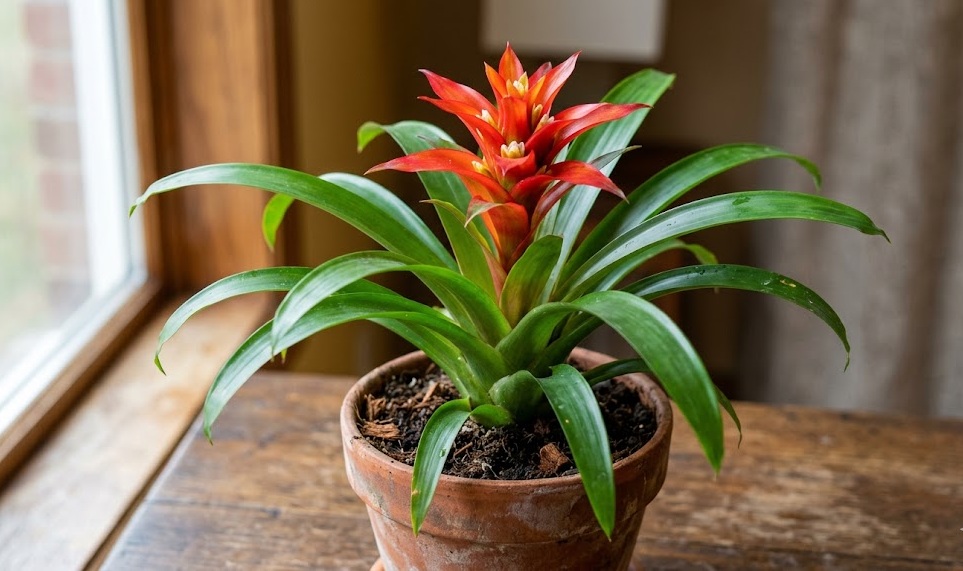

Maintaining a healthy guzmania bromeliad requires a basic understanding of its unique tropical nature and growth habits. These plants are appreciated by enthusiasts for their stunning flower bracts and deep green foliage that can brighten any interior space. Achieving long-term success involves mimicking their natural South American rainforest environment as closely as possible within your home. By following a structured care routine, any gardener can ensure their specimen thrives and remains a focal point in their collection.
The environment where you place your plant significantly impacts its overall vitality and the longevity of its colorful display. These epiphytic plants naturally grow on trees, meaning they prefer excellent air circulation and moderate temperatures throughout the year. You should avoid placing them near drafty windows or heating vents that can cause sudden temperature fluctuations. A stable room temperature between eighteen and twenty-four degrees Celsius is generally considered ideal for consistent growth.
Humidity is perhaps the most critical factor in successful bromeliad care because these plants absorb moisture through their leaves. In a typical dry household, you may need to increase the ambient moisture levels using a humidifier or a pebble tray. Misting the foliage with distilled water every few days can also prevent the leaf tips from turning brown and brittle. This practice mimics the misty conditions of the jungle canopy where these beautiful plants originate.
Understanding the life cycle of this species is essential for managing your expectations regarding its appearance and eventual decline. Every individual rosette will bloom only once in its lifetime, producing a vibrant central stalk that lasts for several months. After the flowering phase concludes, the mother plant will slowly begin to fade while producing small offsets at the base. Recognizing this natural progression allows you to transition your care from the main plant to its emerging offspring.
Creating the perfect substrate for tropical growth
The foundation of any healthy plant starts with the medium in which its roots are anchored and nourished. Since these bromeliads are not terrestrial by nature, they do not thrive in standard, heavy potting soil that retains too much moisture. You should look for a mixture that is specifically designed for orchids or epiphytes to ensure adequate drainage. A blend containing peat moss, bark, and perlite provides the necessary structure and aeration for the root system.
More articles on this topic
When you select a container, ensure it has multiple drainage holes to prevent water from stagnating around the delicate roots. Even though the roots primarily serve as anchors, they can still suffer from rot if kept in a waterlogged environment for too long. Small clay pots are often preferred because they allow the substrate to breathe better than plastic alternatives. Choosing the right size is also important, as these plants generally prefer to be slightly root-bound.
Maintaining the cleanliness of the foliage is a professional detail that many casual growers often overlook during their routine. Dust can accumulate on the broad leaves and block the tiny pores used for gas exchange and moisture absorption. Use a soft, damp cloth to gently wipe the leaves once a month to keep the plant looking pristine and healthy. Avoid using commercial leaf shine products, as the chemicals can interfere with the plant’s natural biological processes.
Monitoring the overall health of the specimen involves observing the color and texture of the leaves on a regular basis. Vibrant green leaves with a firm texture indicate that the plant is receiving the correct balance of nutrients and water. If the leaves start to look pale or yellow, it might be a sign of environmental stress or nutritional deficiency. Early intervention is always the best way to prevent minor issues from becoming significant problems for your plant.
Optimizing air circulation and room placement
Proper air movement is vital for preventing the buildup of mold and ensuring the plant can breathe effectively. In stagnant environments, moisture can sit on the leaves for too long and lead to unsightly fungal spots. You should try to place your bromeliad in a room that has consistent, gentle air movement without being directly in a gale. Natural ventilation from an open window during mild weather can provide a refreshing boost to the plant’s health.
More articles on this topic
The physical placement of the plant within a room can determine how well it manages the varying light conditions throughout the day. It is often best to keep the pot on a stand or a shelf where air can circulate around all sides of the foliage. This prevents the underside of the leaves from becoming a sanctuary for pests that prefer dark and still environments. A well-placed plant will look more symmetrical and balanced as it grows towards the available light sources.
Seasonal changes require you to reconsider where your plant is located to avoid the extremes of summer and winter. During the peak of summer, moving the plant away from south-facing windows can prevent the leaves from scorching. In the winter months, you might need to move it closer to a light source to compensate for the shorter days. Being observant of these environmental shifts will help you maintain a stable microclimate for your guzmania.
Interactions with other houseplants can also influence the health and humidity levels of your specific bromeliad specimen. Grouping several tropical plants together creates a collective micro-environment that naturally holds more moisture in the air. This community effect can reduce the frequency of manual misting and create a lush, jungle-like aesthetic in your home. Just ensure that the plants are not so crowded that they compete for light or restrict air flow between them.
Managing the transition after the flowering period
Once the central bract begins to lose its color and turn brown, the plant is entering the final stage of its life. This can be a disappointing time for new owners, but it is a completely normal part of the botanical process. You can carefully remove the spent flower stalk using sterilized shears to keep the plant looking tidy. This action encourages the plant to redirect its remaining energy into producing the next generation of offsets.
The appearance of small pups at the base of the mother plant is a rewarding sign of a successful care routine. These offsets will eventually grow into full-sized plants that will produce their own beautiful flowers in a few years. You should continue to care for the mother plant as long as it has green leaves to support the pups. The mother plant acts as a nutrient source for the young offsets during their initial stages of development.
Separating the pups should only be done when they are at least one-third the size of the original mother plant. If you remove them too early, they may not have enough stored energy or a sufficient root system to survive. Use a sharp, clean knife to cut the pup away from the main stem, ensuring you include some roots if possible. Once separated, these young plants can be potted into their own containers using the same airy substrate.
Patience is a necessary virtue when waiting for your new offsets to mature and reach their own flowering stage. It can take several years of consistent care before the new rosettes are large enough to produce a vibrant central bract. During this time, focus on providing steady light, humidity, and nutrients to build a strong foundation. The satisfaction of seeing a plant you propagated yourself come into bloom is a highlight for any gardener.
Professional tips for maintaining leaf aesthetics
The visual appeal of a guzmania is largely defined by its sleek, architectural leaves that fan out from the center. To maintain this look, you should regularly inspect the plant for any signs of physical damage or tip burn. Using tap water with high mineral content can sometimes leave white deposits on the foliage over time. Switching to rainwater or filtered water can prevent these marks and keep the leaves looking naturally glossy.
Adjusting the orientation of the pot every few weeks ensures that the plant grows evenly and does not lean toward the light. If one side of the rosette receives significantly more light, the plant can become lopsided and lose its aesthetic symmetry. A simple quarter-turn during your weekly watering routine is usually enough to maintain a balanced shape. This practice also ensures that all parts of the foliage can photosynthesize effectively and remain healthy.
Avoid the temptation to use heavy oils or waxes to make the leaves appear shinier than they naturally are. These products can clog the stomata and prevent the plant from regulating its internal temperature and moisture levels. If the leaves look dull, it is usually a sign that the plant needs more humidity or a gentle cleaning with water. Healthy foliage has a natural, subtle sheen that reflects its internal vitality and proper hydration.
In some cases, the lower leaves of the plant may naturally turn yellow and die off as the plant matures. This is part of the aging process and does not necessarily indicate a problem with your overall care routine. You can simply pull these dry leaves away or cut them off close to the base to maintain a clean appearance. Keeping the base of the plant clear of dead organic matter helps prevent the development of unwanted mold.
Long term health monitoring and troubleshooting
Keeping a simple log of your plant’s progress can help you identify patterns in its growth and health over the seasons. Note down when you fertilize, when it starts to bloom, and when the first offsets appear at the base. This information is invaluable for fine-tuning your care routine and anticipating the needs of the plant in the future. Small adjustments made based on historical data can lead to much better long-term results for your collection.
If you notice that the central tank is smelling unpleasant, it is a sign that the water has become stagnant and bacteria are growing. You should immediately flush the tank with fresh water and ensure that you change it more frequently in the future. Stagnant water can lead to rot that quickly spreads to the core of the plant, often proving fatal. A fresh, clean tank is the best defense against internal decay and many common pathogens.
Watching for changes in leaf color can alert you to potential issues with light intensity or nutrient availability in the substrate. For example, leaves that turn very dark green may be signaling that the light levels are too low for optimal growth. Conversely, leaves that take on a yellowish or bleached appearance are likely receiving too much direct sunlight. Balancing these signals requires a keen eye and a willingness to move the plant to a better location.
Finally, remember that every individual plant may have slightly different needs based on the specific conditions of your home. What works perfectly in a humid kitchen might not be suitable for a dry living room or a cool hallway. Be prepared to experiment slightly and observe how the plant responds to various changes in its daily routine. This attentive approach is what separates a truly successful indoor gardener from someone who simply follows a list of rules.
Seasonal care adjustments for consistent vitality
The transition between seasons brings changes in day length, temperature, and indoor air quality that affect your bromeliad. During the spring and summer, the plant is in its most active growth phase and requires more frequent attention to its needs. You will likely find that the water in the central tank evaporates more quickly when the weather is warm. Increasing the frequency of misting during these months helps the plant cope with the higher metabolic demands of active growth.
Autumn serves as a transitional period where you should start reducing the amount of fertilizer you provide to the plant. As the light levels drop, the plant’s growth naturally slows down, and it requires fewer nutrients to maintain its health. Over-fertilizing during this time can lead to a buildup of salts in the substrate that might damage the roots. It is also a good time to check for any pests that might have moved in during the summer months.
Winter care is all about protection and maintaining a baseline level of health until the spring returns once again. You should be especially careful with watering, as the lower temperatures mean the plant will dry out much more slowly. Keep the plant away from cold glass panes, as the temperature near a window can be significantly lower than the rest of the room. Providing a little extra artificial light can help prevent the plant from becoming weak and stretched during the dark months.
By understanding these seasonal rhythms, you can provide the consistent care that leads to a spectacular floral display. Each phase of the year offers different challenges, but also different opportunities to observe the plant’s resilience. A guzmania that is well-cared for throughout the year will produce the strongest pups and the most vibrant flowers. Your dedication to these details will be rewarded with a beautiful and healthy piece of the tropics in your home.