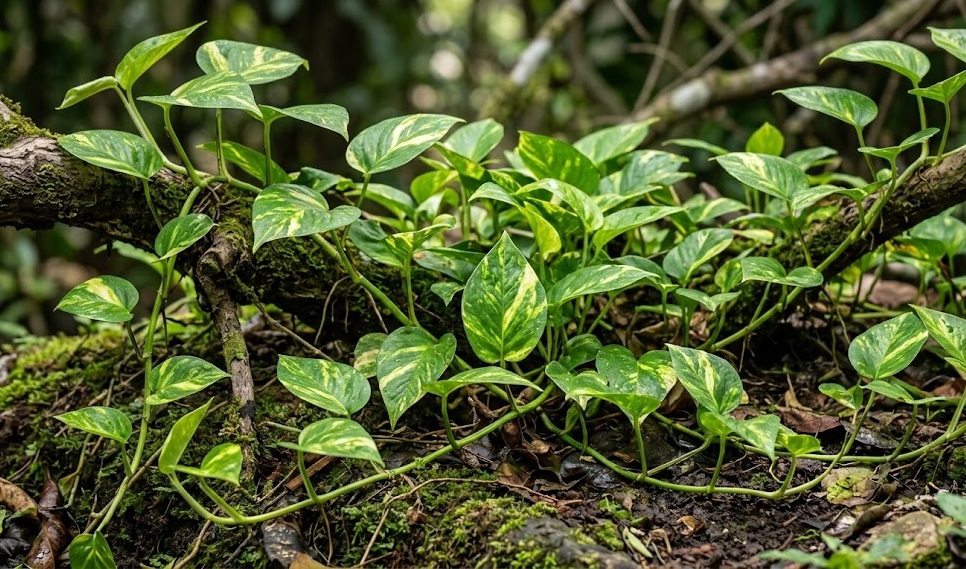

Providing the right environment for your indoor greenery is a journey that begins with understanding the fundamental needs of the species. The golden pothos is celebrated for its resilience and striking heart-shaped foliage, making it a staple in many modern homes and professional offices. You will find that these plants are incredibly forgiving, yet they truly thrive when you pay attention to the subtle cues they provide regarding their health. Establishing a consistent routine allows the plant to adapt to your specific microclimate while maintaining its vibrant variegation and vigorous growth habit.
Maintaining the correct temperature is vital for the long-term vitality of this tropical climber as it mirrors its natural rainforest habitat. You should strive to keep your indoor environment between sixty-five and eighty-five degrees Fahrenheit to ensure steady development throughout the year. If the temperature drops significantly during the night, the metabolic processes of the plant may slow down, leading to stunted leaves or even root distress. Avoiding cold drafts from windows or air conditioning units is a practical step that prevents sudden thermal shock to the delicate vascular system of the foliage.
Humidity plays a secondary but equally important role in the overall aesthetic appeal of the leaves and the strength of the aerial roots. While this species can tolerate the relatively dry air found in most residential buildings, a slight increase in moisture levels will encourage larger and more glossy leaves. You might consider placing a tray of pebbles with water beneath the pot or grouping it with other plants to create a localized humid zone. Regularly misting the plant can provide a temporary boost, although a dedicated humidifier is often the most effective solution for those living in particularly arid regions.
Selecting the appropriate growing medium is the foundation upon which all other care practices are built to ensure a long and healthy life. A well-draining potting mix that incorporates perlite or orchid bark will prevent the soil from becoming overly compacted and suffocating the root system. You should aim for a mixture that retains enough moisture to keep the plant hydrated but allows excess water to pass through freely. Every two years, it is beneficial to refresh the soil to provide new nutrients and ensure the structure of the substrate has not broken down over time.
Promoting vertical growth and structural support
Encouraging your plant to climb can transform its appearance from a simple trailing vine into a majestic vertical feature in your living space. Using a moss pole or a wooden trellis provides the aerial roots with something to latch onto as they reach upward toward the light source. As the plant climbs higher, you will notice that the leaves often grow larger and develop more intricate patterns compared to those left to hang. Securing the stems gently with soft ties helps guide the growth until the plant establishes its own firm grip on the support structure.
More articles on this topic
The interaction between the plant and its support mimics the way it grows in the wild, scaling the trunks of massive trees in tropical forests. You should keep the moss pole slightly damp to encourage the aerial roots to penetrate the material and absorb additional moisture and micronutrients. This method not only supports the physical weight of the vine but also improves the overall hydration levels of the higher sections of the plant. Watching the transformation as the vines find their footing is one of the most rewarding aspects of caring for this specific variety.
Choosing the right location for a climbing display requires a balance between aesthetic goals and the physiological requirements of the foliage. Vertical structures often place the upper leaves closer to the ceiling, where temperatures can be warmer and air circulation might be different than at floor level. You need to ensure that the entire height of the pole receives adequate light to prevent the lower sections from becoming sparse or leggy. Rotating the pot occasionally will ensure that all sides of the climbing vine receive equal exposure to the available light source.
If you prefer a more compact look, you can still use small supports to manage the density of the foliage without letting it take over an entire wall. Pruning the tips of the vines while they are on a support encourages lateral branching, which fills in any gaps and creates a lush, bushy appearance. This technique is particularly effective for those who want a statement piece that remains manageable within a limited square footage. Experimenting with different shapes and sizes of supports allows you to customize the plant to fit the unique geometry of your interior design.
Maintaining leaf health and aesthetic appeal
The broad leaves of this species act as natural dust collectors, which can eventually hinder their ability to photosynthesize effectively and breathe. You should make it a habit to wipe the foliage gently with a damp cloth every few weeks to remove any accumulated particles or grime. This simple act not only keeps the plant looking its best but also allows you to inspect the underside of the leaves for any early signs of stress. Using lukewarm water is preferable, as it avoids shocking the plant and helps dissolve any mineral deposits that might have formed from misting.
More articles on this topic
Shine and luster are indicators of a healthy plant, but you should avoid using commercial leaf shine products that can clog the stomata. Natural methods, such as a very dilute solution of water and a drop of mild soap, are much safer for maintaining that characteristic glow. If you notice the leaves becoming dull despite regular cleaning, it may be an indication that the plant requires more light or a boost in nutrition. Keeping the foliage clean ensures that the plant can maximize every bit of light it receives, which is crucial during the darker months of the year.
The variegation that makes this variety so popular is highly dependent on the care it receives and the environment it inhabits. If you notice that new leaves are coming out solid green, the plant might be telling you that it needs a brighter spot to maintain its yellow or white marbling. Conversely, if the leaves appear pale or washed out, it could be a sign of too much direct exposure to harsh afternoon sun. Finding that perfect middle ground is the key to preserving the beautiful patterns that define the aesthetic of the golden pothos.
Observing the orientation and turgidity of the leaves provides immediate feedback on the internal water pressure and general well-being of the vine. Healthy leaves should feel firm to the touch and stand out confidently from the stem rather than drooping or curling inward. If you see the edges starting to brown or crisp, it is often an environmental signal related to low humidity or inconsistent watering. Developing a keen eye for these subtle physical changes will allow you to intervene long before any serious issues arise.
Seasonal transitions and environmental adaptation
As the seasons change, the internal clock of your plant will naturally shift its growth rate and nutritional requirements to match the external conditions. During the spring and summer months, you will likely observe a surge in new leaf production and stem elongation as the days grow longer. You should capitalize on this active phase by ensuring the plant has consistent access to water and the necessary minerals to support this rapid expansion. It is the ideal time to consider any major changes, such as repotting or moving the plant to a more prominent location.
When autumn approaches and the light levels begin to dwindle, the plant will enter a period of relative rest where growth becomes much slower. You must adjust your care routine accordingly by reducing the frequency of watering to prevent the soil from remaining saturated for too long. The lower temperatures and reduced light mean the plant uses less energy, and over-servicing it during this time can lead to more harm than good. Recognizing this natural cycle is essential for maintaining a healthy specimen that can bounce back vigorously when the warm weather returns.
The transition between seasons is also a critical time to evaluate the placement of your plant relative to heating and cooling systems. As you turn on the furnace in the winter, the sudden drop in humidity and the flow of hot air can be particularly taxing on the foliage. You might find that moving the plant just a few feet away from a heat vent makes a significant difference in preventing leaf drop or browning. Monitoring these environmental shifts allows you to provide a stable sanctuary for your plant regardless of the weather outside.
Spring serves as a period of awakening where you can evaluate the successes and challenges of the previous year to plan for the future. You should look for signs of new growth at the nodes as a signal to begin increasing your maintenance efforts once again. This is also the best time to perform any heavy pruning if the plant has become too long or unmanageable over the winter. Setting a strong foundation in the early spring ensures that the plant has the momentum it needs to thrive throughout the entire growing season.
Managing the growth space and placement
The versatility of this plant allows it to fit into many different niches within a home, from high shelves to hanging baskets near a window. You should consider the ultimate length of the vines when choosing a spot, as they can quickly reach several feet in length if left unchecked. Placing the plant in a high location allows the foliage to cascade downward, creating a beautiful green curtain effect that adds depth to a room. However, you must ensure that you can still easily reach the pot for regular watering and maintenance tasks.
Airflow is an often overlooked factor that can influence how well your plant settles into its designated spot in the house. Stagnant air can encourage the development of mold on the soil surface or provide a haven for certain types of opportunistic pests. You should try to place the plant in an area where there is gentle natural air movement without subjecting it to harsh or direct gusts. This promotes a healthier environment and helps the plant regulate its temperature more effectively through the process of transpiration.
Compatibility with other household members, including pets and children, is an important consideration when deciding on a permanent home for your vine. Since the leaves contain calcium oxalate crystals, it is best to keep the trailing stems out of reach to prevent accidental ingestion or irritation. Utilizing wall-mounted hooks or tall pedestals can keep the plant safe while still allowing it to be a central part of your interior decor. Taking these precautions ensures that everyone in the household can enjoy the beauty of the greenery without any safety concerns.
The reflective surfaces in a room, such as mirrors or light-colored walls, can subtly enhance the amount of ambient light available to your plant. You can use these design elements to your advantage if you have a room that is naturally a bit darker than the plant would prefer. Placing the pothos opposite a mirror can bounce light back onto the leaves that would otherwise be lost to the shadows. Being creative with your placement allows you to grow a healthy plant even in spaces that might initially seem less than ideal.
Understanding the root system and container needs
The roots of the golden pothos are surprisingly robust and can quickly fill a container if the growth conditions are favorable and consistent. You should check the drainage holes periodically to see if any roots are starting to circle the bottom or push their way out. This is a clear sign that the plant has become root-bound and requires a slightly larger pot to continue its upward trajectory. A pot that is one to two inches wider than the current one is usually sufficient to provide the extra space needed for expansion.
Choosing the right material for your container can influence how quickly the soil dries out and how much air reaches the roots. Terracotta pots are porous and allow for excellent aeration, but they may require more frequent watering as they wick moisture away from the soil. Plastic or glazed ceramic pots retain moisture for much longer, which can be beneficial if you tend to forget a watering session now and then. You should match the pot material to your personal watering style and the specific humidity levels of your home environment.
Proper drainage is non-negotiable for this species, as sitting in water will quickly lead to the decline of the root system and yellowing leaves. You must ensure that every container you use has at least one functional drainage hole at the bottom to allow excess water to escape. If you fall in love with a decorative planter that lacks drainage, you can use it as a “cachepot” by placing a standard nursery pot inside it. This allows you to maintain the aesthetic you want while still protecting the health of the plant’s roots.
When you do decide to repot, it is a great opportunity to inspect the health of the root system and remove any dead or decaying material. Healthy roots should be firm and generally light in color, ranging from white to a tan or light brown hue. If you encounter any soft or black sections, you should trim them away with sterile scissors before placing the plant in its new home. Taking the time to care for the hidden half of your plant ensures that the visible foliage remains strong and beautiful.
Long-term success and troubleshooting common issues
Even with the best intentions, you may occasionally encounter challenges such as sudden leaf drop or a lack of new growth on your vines. These issues are rarely fatal and usually serve as a communication tool from the plant about its current environmental needs. You should take a systematic approach to troubleshooting by checking the soil moisture, light levels, and potential pest presence one at a time. Most problems can be solved with a simple adjustment to your routine or by moving the plant to a slightly different location.
Yellowing leaves are the most common complaint among growers, and they can be caused by a variety of factors ranging from aging to overwatering. If the yellowing is occurring only on the oldest leaves near the base of the stem, it is likely just a natural part of the plant’s life cycle. However, if many leaves are turning yellow at once, it is a strong indicator that the soil is staying too wet for too long. Reviewing your watering schedule and checking the drainage is the first step in correcting this very common issue.
Small or stunted leaves are often a sign that the plant is not receiving enough light or nutrients to sustain its current size. You might find that moving the plant closer to a window or starting a regular fertilization program during the growing season solves the problem. It is also worth checking if the plant has become severely root-bound, as this can limit the amount of resources the plant can take in. Addressing these basic needs will often result in a quick resurgence of large, healthy foliage.
Ultimately, the key to long-term success with the golden pothos is patience and a willingness to learn from the plant itself as it grows. You will develop a unique bond with your greenery as you watch it trail through your home and adapt to the passing years. It is a journey of discovery that rewards you with cleaner air and a more vibrant, living space to enjoy every day. By following these expert guidelines, you are setting yourself up for a lifetime of successful gardening with one of the world’s most beloved indoor plants.