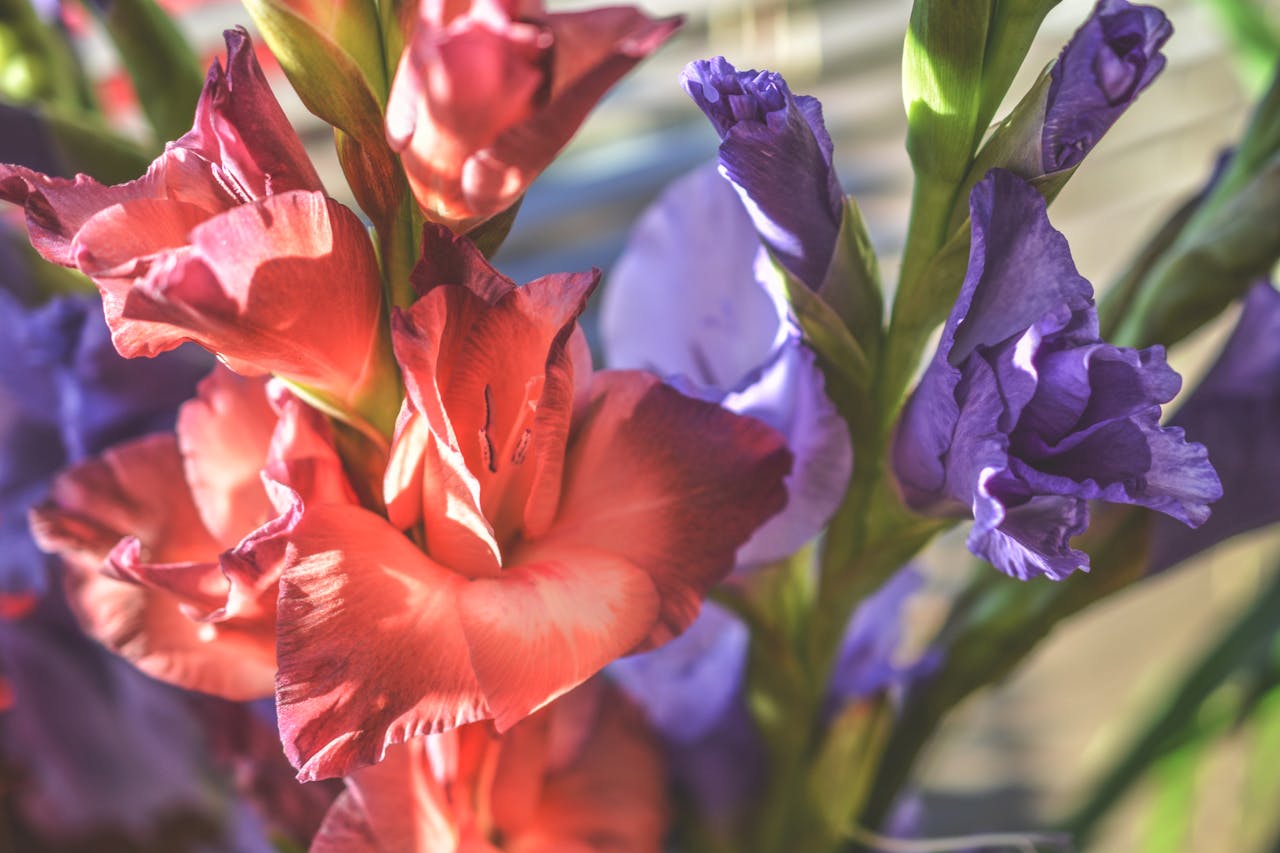

Maintaining the majestic presence of these tall flowers requires a consistent and disciplined approach throughout the growing season. You must pay close attention to the specific needs of the soil and the structural integrity of the stems as they develop. Proper care begins with understanding that these plants are heavy feeders and require ample resources to produce their signature blooms. By establishing a routine early on, you can ensure that your garden remains vibrant and healthy for many months.
The soil environment is the most critical factor in determining the overall success of your floral display. You should aim for a well-draining medium that is rich in organic matter to provide a steady supply of nutrients. If the ground is too heavy or compacted, the roots will struggle to penetrate and absorb the necessary moisture. Adding compost or aged manure before the season begins can significantly improve the texture and fertility of the planting site.
Consistency in environmental monitoring allows you to react quickly to any changes in weather or plant health. You should inspect the leaves regularly for any signs of discoloration or stress which might indicate a deeper issue. Sturdy growth is often a reflection of how well the plant is adapting to its specific location in the garden. Keeping the area free of weeds is also essential as it reduces competition for water and vital minerals.
Providing adequate space between individuals is a simple yet effective way to prevent the spread of localized problems. Air circulation plays a major role in keeping the foliage dry and reducing the risk of stagnant conditions. You will notice that plants with more room tend to develop stronger stems and more symmetrical flower spikes. This spatial management is a hallmark of a professional approach to intensive ornamental gardening.
Structural support for tall flower spikes
As the flower spikes begin to reach their full height, they often become top-heavy and vulnerable to wind damage. You should install support stakes early in the development phase to avoid disturbing the root system later. Tying the stems loosely to these supports ensures they grow straight and remain upright during heavy summer storms. Choosing durable materials like bamboo or coated metal will provide the necessary stability without detracting from the natural beauty.
More articles on this topic
The timing of providing support is just as important as the method used to secure the plants. You should ideally place the stakes when the plants are about thirty centimeters tall to guide their upward trajectory. Using soft garden twine or specialized clips prevents the delicate tissue of the stem from being bruised or constricted. This proactive step saves a significant amount of labor and frustration when the blossoms are at their peak.
In exposed areas where wind is a constant factor, a more robust grid system might be necessary for large groupings. You can create a network of supports that allows the plants to lean on each other slightly while remaining anchored to the ground. This method is particularly effective for commercial-scale production or large estate gardens where individual staking is impractical. Observing how the wind moves through your garden will help you determine the best orientation for these structures.
Regularly checking the tension of the ties is a small task that yields great benefits for the longevity of the blooms. As the stems thicken, older ties may become too tight and start to cut into the plant’s vascular system. You should adjust or replace these fasteners periodically to accommodate the natural growth of the gladiolus. Maintaining this level of detail ensures that the structural integrity of the plant is never compromised by the very tools meant to protect it.
General maintenance and foliage health
The health of the leaves is a direct indicator of the plant’s internal state and its ability to photosynthesize efficiently. You must keep the foliage intact and green for as long as possible to allow the corm to store energy. Dust and debris can sometimes accumulate on the broad surfaces, which can be gently rinsed away during morning watering. Healthy leaves should feel firm to the touch and exhibit a deep, uniform color across the entire surface.
More articles on this topic
Removing dead or damaged leaves should be done with sharp, sterilized tools to prevent the introduction of pathogens. You should only prune parts of the plant that are clearly beyond recovery or show signs of infectious disease. Indiscriminate cutting can stress the plant and reduce its ability to produce high-quality flowers in the following year. A minimalist approach to pruning during the active growth phase is generally the most professional strategy to adopt.
Monitoring for environmental stressors like extreme heat or unexpected cold snaps is a vital part of daily maintenance. You might consider providing temporary shade during the hottest parts of the day if the leaves show signs of scorching. Mulching the base of the plants helps regulate soil temperature and keeps the root zone cool and moist. These small adjustments create a more stable environment that allows the gladiolus to focus its energy on floral production.
Integrated maintenance also involves keeping a detailed log of how different varieties respond to your specific garden conditions. You will find that some cultivars are more resilient than others when faced with fluctuating humidity or soil types. Recording these observations allows you to refine your care techniques over several seasons for better results. This data-driven approach elevates simple gardening to a more sophisticated level of agricultural management.
Managing the flowering period effectively
When the first florets begin to open at the bottom of the spike, the plant has reached its most demanding stage. You should ensure that moisture levels remain constant to prevent the delicate petals from wilting prematurely. The transition from growth to flowering requires a shift in the plant’s metabolic priorities which you must support. Providing a balanced environment during this time will maximize the duration and intensity of the color display.
Deadheading is the practice of removing spent flowers to keep the spike looking tidy and to prevent seed formation. You should pinch off the individual blossoms as they fade, starting from the bottom and working your way up. This prevents the plant from diverting energy into producing seeds which are not needed for corm-based propagation. Maintaining a clean spike also reduces the risk of mold developing on decaying floral tissue.
If you are growing these flowers for cutting, the best time to harvest is when only one or two florets are open. You should use a sharp knife to cut the stem at an angle, leaving at least four leaves on the plant. This ensures that the corm continues to receive nutrients even after the main flower spike has been removed. Placing the cut stems immediately into lukewarm water will help them stay fresh and vibrant for a longer period.
Managing the aesthetic quality of the garden requires a balance between natural growth and human intervention. You should aim to create a seamless transition between the different stages of blooming across your entire collection. By staggered planting, you can extend the flowering season and enjoy a continuous supply of fresh blossoms. This level of planning is essential for creating a professional and visually stunning horticultural environment.
Seasonal checks and environmental adaptation
As the seasons transition, your care routine must adapt to the changing light levels and temperatures. You will notice that the growth rate slows down as the days become shorter and the air turns cooler. Reducing the frequency of certain maintenance tasks while increasing the focus on preparation is a natural progression. Understanding these cyclical changes allows you to work in harmony with the plant’s natural biological clock.
Soil health should be reassessed at the end of the primary blooming period to determine if any amendments are needed. You can take soil samples to check for nutrient depletion or changes in acidity that might affect future crops. This is a great time to plan for the next season and decide which areas of the garden need improvement. A professional gardener is always thinking one step ahead of the current weather conditions.
Protecting the plants from early frosts is a critical task if you want to maximize the energy stored in the coms. You can use frost blankets or extra layers of mulch to provide insulation against sudden drops in temperature. Keeping the foliage alive for as long as possible is the key to ensuring a strong start in the following spring. These protective measures are especially important in regions with unpredictable autumn weather patterns.
Observing the local wildlife and its interaction with your plants can provide valuable insights into the health of your garden ecosystem. You might notice beneficial insects that help control pests or birds that use the tall stems as perches. Encouraging a diverse biological environment supports the overall resilience of your gladiolus collection. This holistic view of garden care leads to more sustainable and successful agricultural practices over the long term.
Best practices for gardening tools and hygiene
The tools you use for maintenance are just as important as the techniques you apply to the plants themselves. You should always use high-quality shears and knives that are kept sharp and free of rust. Dull blades can tear the plant tissue, creating jagged wounds that are slow to heal and prone to infection. Investing in professional-grade equipment will make your tasks easier and result in cleaner, healthier cuts.
Sterilization of tools between uses is a non-negotiable step in maintaining a disease-free garden environment. You can use a solution of isopropyl alcohol or a mild bleach mixture to wipe down your blades after working on each plant. This simple habit prevents the accidental transfer of microscopic pathogens from one individual to another. Professional growers recognize that hygiene is the first line of defense against many common garden ailments.
Proper storage and maintenance of your equipment will extend its lifespan and ensure it is always ready for use. You should clean your tools after every session and apply a light coating of oil to prevent oxidation on metal surfaces. Keeping your workspace organized allows you to find exactly what you need when a task requires immediate attention. A well-maintained toolkit is the mark of a dedicated and disciplined horticultural professional.
Teaching others the importance of tool hygiene can help improve the overall health of the wider gardening community. You should lead by example and demonstrate how easy it is to incorporate cleaning into a regular routine. Sharing your knowledge about tool selection and care fosters a culture of excellence and respect for the craft. This commitment to quality ensures that the art of gardening continues to thrive and evolve.
Maximizing the visual impact of the garden
The final goal of all your care and maintenance is to create a breathtaking display of color and form. You should consider how the height and texture of the gladiolus interact with other species in your landscape. Grouping plants by color or bloom time can create focal points that draw the eye and provide structural interest. A well-designed garden reflects both the technical skill and the artistic vision of the person who maintains it.
Lighting plays a subtle but significant role in how the colors of the blossoms are perceived by the observer. You can position your plants so that the morning or evening sun highlights the translucent quality of the petals. Understanding the path of the sun through your garden allows you to place varieties where they will look their best. This attention to environmental detail elevates the garden from a collection of plants to a cohesive work of art.
Regularly reviewing the layout of your garden allows you to make improvements and try new combinations each year. You should take photographs and notes during the peak of the season to remember what worked and what didn’t. This reflective process is essential for growth and ensures that your skills as a gardener continue to sharpen. Every season offers a new opportunity to refine your vision and achieve even greater success.
Sharing your beautiful results with others is one of the most rewarding aspects of intensive flower gardening. You might invite fellow enthusiasts to tour your garden or share photos on professional horticultural platforms. The joy of seeing the fruits of your labor appreciated by others is a powerful motivator to maintain high standards. Ultimately, the care you provide to your gladiolus is a testament to your passion for the natural world.