
Successful cultivation of these magnificent flowering shrubs requires a deep understanding of their specific biological needs and environmental preferences. While they are often considered hardy, achieving the iconic lush blooms and vibrant foliage demands consistent attention throughout the growing season. Modern horticulture emphasizes a holistic approach where soil health, moisture levels, and climatic protection work in harmony to support the plant’s development. By establishing a solid foundation in the early stages of growth, the long-term vitality of the specimen can be ensured for decades.
The selection of an appropriate site is the first critical step in ensuring the overall health and longevity of the plant. Gardeners must evaluate the local microclimate, considering factors such as wind exposure and the proximity of competing root systems from nearby trees. Ideally, the location should provide shelter from harsh afternoon sun while allowing for adequate natural light during the cooler morning hours. A well-chosen spot reduces the physiological stress on the plant, leading to more robust growth and more frequent flowering cycles.
Soil structure plays a fundamental role in the nutrient uptake and water management of the root system. These plants prefer a loamy texture that is rich in organic matter, providing both drainage and the ability to hold necessary moisture. Incorporating well-rotted compost or leaf mold into the planting area improves the soil’s cation exchange capacity, making nutrients more available to the roots. Constant monitoring of the soil condition helps prevent compaction, which can otherwise lead to root suffocation and stunted growth.
Maintaining the desired aesthetic and health of the shrub involves a series of seasonal maintenance tasks that should not be overlooked. Removing dead or damaged wood in early spring encourages the plant to direct its energy toward productive new growth and bloom development. Throughout the summer, monitoring for signs of heat stress or nutrient deficiencies allows for timely interventions that prevent permanent damage. As autumn approaches, reducing certain maintenance activities helps the plant prepare for its natural dormancy phase without unnecessary metabolic stimulation.
Understanding soil acidity and bloom color
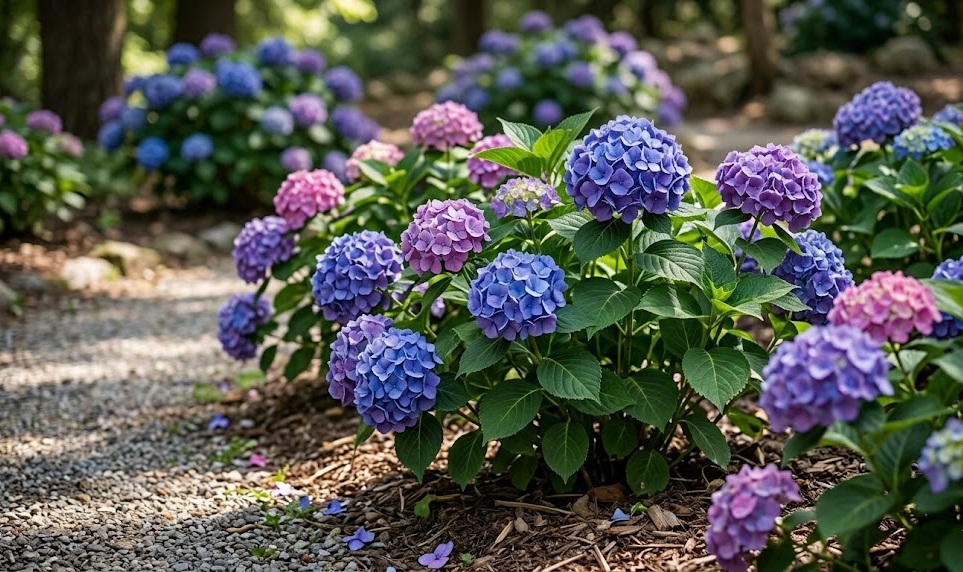
The fascinating ability of certain varieties to change color based on soil chemistry is a unique characteristic that many enthusiasts seek to manipulate. This phenomenon is primarily driven by the availability of aluminum ions in the soil, which is directly influenced by the pH level. In acidic soils with a pH below 5.5, the flowers typically take on deep blue or purple hues due to high aluminum solubility. Conversely, alkaline soils with a pH above 6.5 result in pink or red blooms as aluminum becomes less accessible to the plant.
More articles on this topic
Adjusting the soil pH is a gradual process that requires patience and regular testing to achieve the desired results over several seasons. To encourage blue flowers, the addition of aluminum sulfate or elemental sulfur can help lower the pH level safely. For those preferring pink tones, agricultural lime or dolomitic limestone can be incorporated into the soil to increase alkalinity. It is vital to perform these adjustments incrementally to avoid shocking the plant’s root system or creating toxic mineral imbalances.
Consistency is key when attempting to maintain a specific color, as the soil naturally tends to revert to its original chemical state over time. Regular applications of the chosen soil amendments should be scheduled during the early spring and late autumn for maximum effectiveness. Using a reliable pH meter or sending soil samples to a professional laboratory ensures that the adjustments are precise and data-driven. This scientific approach eliminates guesswork and provides the best environment for the desired floral display.
The impact of water quality on soil pH should also be considered, especially in areas with very hard or very soft tap water. Frequent irrigation with alkaline water can slowly raise the pH of the soil, potentially shifting blue flowers toward a purpler or pinker shade. Utilizing rainwater for irrigation is an excellent way to maintain a more stable and naturally acidic environment for the roots. Understanding these subtle chemical interactions allows for a more professional level of garden management and aesthetic control.
Mulching and moisture conservation
Mulching is an indispensable practice for protecting the delicate root systems of these shrubs from extreme temperature fluctuations and moisture loss. A thick layer of organic material applied around the base of the plant acts as an insulating blanket throughout the year. During the hot summer months, mulch keeps the soil cool and reduces the rate of evaporation, which is crucial for water-loving species. In the winter, it provides a barrier against deep frost, protecting the shallow roots from freezing and thawing cycles.
More articles on this topic
Choosing the right mulching material can contribute to the long-term health and nutritional profile of the garden soil. Pine bark, wood chips, and pine needles are popular choices that decompose slowly while adding organic matter back into the earth. These materials also tend to be slightly acidic, which supports the preferred growing conditions for most varieties. Avoid using synthetic mulches or stones, as these can trap excessive heat and do not contribute to the biological life of the soil.
The application technique is just as important as the material chosen to ensure the mulch performs its intended function effectively. A layer of about five to eight centimeters is usually sufficient to provide the necessary benefits without impeding air exchange. It is critical to leave a small gap between the mulch and the main stems of the plant to prevent rot and pest infestations. Refreshing the mulch layer annually helps maintain its effectiveness and keeps the garden looking well-tended and professional.
Beyond moisture retention, mulching serves as a natural weed suppressant, reducing competition for water and nutrients in the root zone. By blocking sunlight from reaching the soil surface, it prevents the germination of many common garden weeds that could otherwise invade the planting area. This reduction in weed growth also means less physical disturbance of the soil during manual weeding, which protects the integrity of the hydrangea’s root system. A well-mulched garden is both more sustainable and easier to maintain over the long term.
Air circulation and plant spacing
Providing adequate space between individual plants is essential for promoting healthy air circulation and reducing the risk of fungal infections. When shrubs are crowded together, humidity levels within the canopy can rise significantly, creating an ideal environment for pathogens like powdery mildew. Professional landscapers always account for the mature size of the variety when planning the initial layout of the garden. Allowing for natural air movement helps keep the foliage dry and prevents the stagnant conditions that lead to leaf spots.
Proper spacing also ensures that each plant has sufficient access to sunlight and soil nutrients without having to compete with its neighbors. Overcrowded plants often exhibit leggy growth and sparse flowering as they stretch toward available light sources. By respecting the individual needs of each specimen, the gardener can achieve a more balanced and aesthetically pleasing landscape. This approach also makes it much easier to perform routine maintenance tasks like pruning and fertilizing without damaging nearby plants.
The layout of the garden should take into account the prevailing wind directions to further enhance natural ventilation throughout the planting beds. While these shrubs need protection from strong, drying winds, a gentle breeze is beneficial for maintaining a healthy microclimate around the leaves. Strategic placement of taller structures or windbreaks can help filter the air without completely blocking its movement. Observing the garden during different weather conditions provides valuable insights into how air flows through the space.
In situations where plants have become overgrown and are beginning to overlap, selective pruning can help restore necessary airflow. Thinning out some of the interior branches allows light and air to penetrate deep into the center of the shrub. This practice not only improves the health of the plant but also encourages more uniform bloom production across the entire canopy. Maintaining a balance between lush growth and open structure is a hallmark of professional horticultural care.
Seasonal monitoring and observation
Developing a keen eye for the subtle changes in the plant’s appearance is one of the most important skills for any dedicated gardener. Regular inspections allow for the early detection of potential issues, such as the first signs of pest activity or minor nutrient imbalances. Observing how the leaves respond to daily temperature changes can provide immediate feedback on the adequacy of the current irrigation schedule. A plant that appears vibrant in the morning but wilts slightly in the afternoon may require a more consistent moisture supply.
Keeping a gardening journal can be an invaluable tool for tracking the performance and health of the shrubs over several growing seasons. Recording bloom times, weather patterns, and the dates of specific maintenance tasks helps identify trends and plan future interventions. This historical data allows the gardener to refine their techniques based on the specific conditions of their own local environment. Over time, these observations lead to a deeper intuitive understanding of the plant’s life cycle and requirements.
Professional growers often pay close attention to the development of the buds during the late summer and early autumn. Since many varieties set their flower buds for the following year during this time, any environmental stress can impact next season’s display. Ensuring the plant is well-hydrated and protected from extreme heat during this critical window is essential for future success. This forward-thinking approach distinguishes the expert gardener from the casual hobbyist.
Observing the interaction between the plants and the local wildlife can also provide clues about the health of the garden ecosystem. A diverse population of beneficial insects, such as ladybugs and lacewings, often indicates a balanced environment where pests are kept under control naturally. If certain plants seem consistently more attractive to pests, it may be a sign of underlying stress or poor site conditions. Using these biological indicators helps guide more sustainable and effective management decisions throughout the year.
Rejuvenating older specimens
Over time, even the most well-cared-for shrubs may begin to show signs of decline, such as reduced flowering or a cluttered, woody interior. Rejuvenation pruning is a powerful technique used to breathe new life into older plants by stimulating fresh, vigorous growth from the base. This process typically involves the strategic removal of the oldest and least productive stems over a period of two to three years. By gradually replacing old wood with new shoots, the gardener can restore the shrub’s youthful appearance and flowering potential.
The best time to begin a rejuvenation project is in the early spring before the new growth cycle starts in earnest. Identifying the oldest stems, which often have thick, peeling bark and few healthy buds, is the first step in the process. Removing about one-third of these old branches each year ensures that the plant is not overly stressed by the loss of its canopy. This gradual approach allows the root system to adapt and support the rapid growth of the new replacement shoots.
Feeding the plant with a balanced fertilizer after heavy pruning provides the necessary energy for the surge in new vegetative growth. It is also critical to maintain consistent moisture levels during this recovery period, as the plant is more vulnerable to environmental stress. The new shoots that emerge will be more flexible and productive, eventually producing larger and more vibrant flower heads. This long-term investment in the plant’s structure pays off with a renewed and more spectacular garden presence.
Sometimes, a complete renovation is necessary if a plant has been severely neglected or damaged by extreme weather events. In these cases, cutting the entire shrub back to within a few inches of the ground can trigger a total reset of the growth. While this may mean the loss of flowers for a season or two, the resulting growth is often remarkably healthy and well-formed. Such drastic measures should only be taken when the plant’s root system is established and the overall health of the specimen is sufficient to support recovery.
Long-term garden integration
Integrating these shrubs into a larger landscape design requires an understanding of how they will interact with other species over the coming years. They serve as excellent foundation plants, providing structural weight and long-lasting color that anchors the garden’s visual appeal. When paired with perennials that have different bloom times, a continuous sequence of interest can be created from early spring through late autumn. Considering the autumn foliage colors and winter structural forms adds another layer of depth to the garden’s design.
Successful integration also involves planning for the changing light conditions as the surrounding trees and shrubs mature and grow taller. A spot that was once in full sun may become increasingly shaded over a decade, necessitating adjustments in care or even relocation. Monitoring these long-term environmental shifts ensures that the garden remains a healthy and thriving environment for all its inhabitants. Flexibility in design and management is key to maintaining a professional-grade landscape over many years.
Professional gardeners often use these shrubs to create natural borders or low-maintenance hedges that define different zones within the garden. Their dense foliage provides excellent screening and privacy during the growing season while adding a soft, organic texture to the landscape. Choosing varieties with different mature heights allows for tiered planting arrangements that create a sense of depth and complexity. This thoughtful spatial planning maximizes the visual impact of the plants while respecting their biological needs.
Finally, the long-term success of the garden depends on the commitment to sustainable practices that protect the health of the entire ecosystem. Reducing the reliance on synthetic chemicals and focusing on soil biology creates a more resilient environment for the plants to thrive. By working with nature rather than against it, the gardener ensures that these beautiful shrubs remain a centerpiece of the landscape for many generations to come. Professional horticulture is ultimately about the stewardship of the land and the careful cultivation of its many wonders.