
Understanding the basics of lavender maintenance
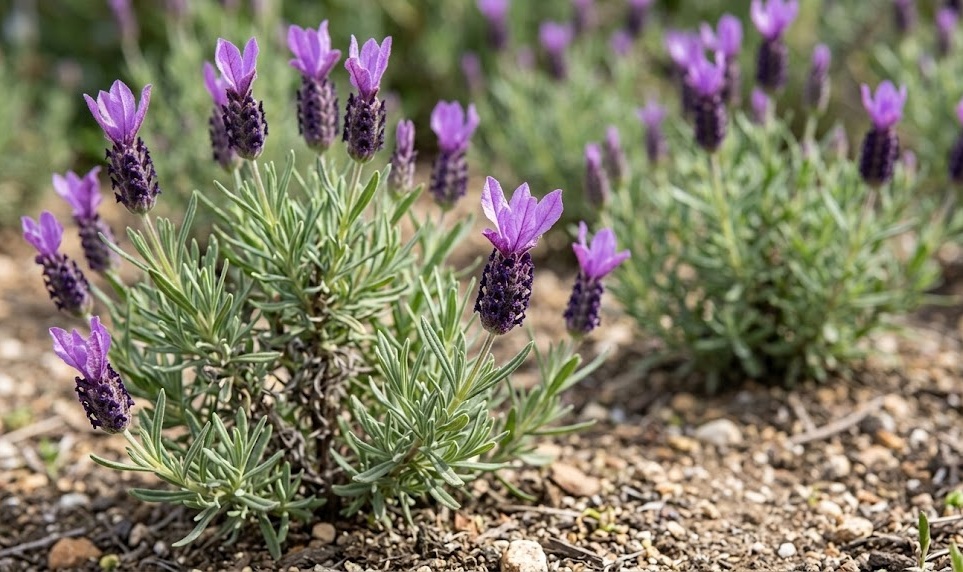
Caring for the French lavender requires a delicate balance of attention and understanding of its Mediterranean origins. This specific variety stands out with its unique rabbit-ear bracts that add a playful touch to any garden landscape. You will find that providing the right environment is the most important step for long-term success with this plant. Let us explore the various aspects of keeping this aromatic shrub healthy and vibrant throughout the seasons.
The plant thrives when it is treated with a minimalist approach regarding certain resources. It does not demand constant monitoring but expects a few critical conditions to be met consistently. You should observe the foliage regularly to understand how the plant reacts to your local climate. Healthy growth is characterized by silver-green leaves and a sturdy structure that resists leaning or breaking.
The fragrance of this lavender is distinct and slightly more camphor-like than its English cousins. This scent serves as a natural defense mechanism against many common garden herbivores. Many gardeners appreciate that it attracts beneficial pollinators while keeping less desirable visitors at bay. You can maximize this aromatic output by ensuring the plant receives enough warmth and adequate airflow.
Maintaining a clean area around the base of the plant is vital for preventing rot. Weeds can compete for nutrients and, more importantly, can trap moisture against the lower stems. You should clear away any fallen debris or dead leaves that accumulate during the growing season. A tidy garden bed allows the roots to breathe and the sun to reach the crown effectively.
Creating the ideal soil environment
The foundation of a healthy lavender plant lies directly in the composition of the earth it grows in. You must ensure that the soil is exceptionally well-draining to avoid any standing water issues. Sandy or gravelly textures are preferred because they allow excess moisture to move away from the sensitive roots. If your garden has heavy clay, you will need to amend it significantly before planting anything.
More articles on this topic
The pH level of the soil should be slightly alkaline or at least neutral for optimal health. You can easily test your soil to see if it needs a boost of lime to reach the desired levels. French lavender struggles in acidic conditions, which can lead to stunted growth and poor flowering. Adding a small amount of crushed limestone can make a world of difference for the plant’s vitality.
Nutrient density is not as important as the physical structure of the soil for this species. In fact, overly rich soil often leads to leggy growth and fewer flowers being produced. You should avoid using heavy compost or nitrogen-rich fertilizers that promote foliage at the expense of blooms. A lean soil environment encourages the plant to remain compact and produce more of those iconic flowers.
Proper aeration is another factor that many beginner gardeners tend to overlook. The roots require oxygen just as much as they require water and minerals to survive. Compacted soil prevents this gas exchange and can lead to a slow decline in the plant’s health. You can maintain aeration by avoiding stepping near the root zone and using light mulch materials.
Establishing a seasonal rhythm
As the seasons change, the needs of your French lavender will shift accordingly. Spring is the time for growth and preparation for the intense flowering period ahead. You should watch for the first signs of greening to know when to start your maintenance routine. This is the ideal window to assess any damage that might have occurred during the colder months.
More articles on this topic
Summer brings the heat that this Mediterranean native truly loves and appreciates. During these months, the plant will put most of its energy into developing its unique blooms. You might need to provide a bit more water during extreme heat waves, but never overdo it. The goal is to support the flowering process without creating a humid environment that leads to stress.
Autumn is the period when the plant begins to slow down its metabolic processes. It is a time for tidying up and ensuring the shrub is sturdy enough for the coming wind. You should reduce any supplemental feeding and let the wood harden off naturally. This transition is crucial for the plant to survive the upcoming winter without significant tissue damage.
Winter care is mostly about protection from excess moisture rather than just the cold temperatures. Since the plant is evergreen, it still needs some light, but its water requirements drop significantly. You should ensure that snow does not weigh down the branches and cause them to split. Preparing the plant correctly in the fall will ensure it returns with vigor in the spring.
The philosophy of pruning
Pruning is perhaps the most daunting task for many, but it is essential for a long-lived plant. You should think of pruning as a way to rejuvenate the shrub and maintain its shape. Without regular cutting, French lavender tends to become woody and sparse in the center. A well-pruned plant remains dense, productive, and much more aesthetically pleasing in the garden.
The first major pruning should occur right after the first flush of flowers has faded. You want to remove the spent flower stalks and about an inch of the green foliage. This encourages the plant to potentially produce a second, smaller crop of blooms later in the year. It also prevents the plant from wasting energy on seed production, which can be taxing.
Never cut back into the old, brown wood that no longer has any visible green leaves. French lavender rarely regenerates from old wood, and such heavy pruning can kill the plant entirely. You must always leave some green growth below your cuts to ensure the plant can recover. This careful approach protects the structural integrity of the shrub while encouraging new shoots.
Cleaning your tools before and after pruning is a professional habit you should adopt. Sharp, sterile shears prevent the spread of pathogens and make clean cuts that heal quickly. You should wipe your blades with alcohol between different plants to maintain garden hygiene. This simple step can prevent a localized issue from becoming a garden-wide disaster.
Growing in containers and pots
French lavender is an excellent candidate for container gardening on terraces or balconies. You have much more control over the soil quality and drainage when using a pot. It is important to choose a container that is large enough to accommodate the root system comfortably. Terracotta pots are often preferred because they are porous and allow for better evaporation of moisture.
The potting mix should be even lighter than the soil you would use in the ground. You can mix a standard potting soil with plenty of perlite or coarse sand to improve drainage. This ensures that even during heavy rain, the water does not sit around the roots for long. Container-grown plants also need more frequent checks for moisture since pots dry out faster.
Feeding container plants is slightly different because nutrients wash out more quickly with watering. You should use a very diluted, low-nitrogen fertilizer only a few times during the growing season. Too much food will result in a plant that outgrows its pot too quickly and loses its scent. A balanced approach will keep the container lavender compact and healthy for several years.
Repotting should be done every two years to refresh the soil and provide more space. You will notice the plant needs a larger home when roots start appearing at the drainage holes. Spring is the best time for this task, as the plant is ready to begin a new growth cycle. Always handle the root ball gently to avoid any unnecessary transplant shock.
Companion planting for health
Choosing the right neighbors for your lavender can improve its health and appearance. You should look for plants that share similar needs for sun and well-draining soil. Mediterranean herbs like rosemary, thyme, and sage are perfect companions for this beautiful shrub. They create a cohesive aesthetic and share a common cultural requirement that simplifies your gardening tasks.
Avoid planting lavender near moisture-loving species like hostas or ferns. These plants require frequent watering that would be detrimental to the health of the lavender. The resulting humidity in such a crowded space could also lead to fungal problems for the silver leaves. Proper spacing between different plants ensures that air can circulate freely around each individual.
Some gardeners use lavender as a protective border for more sensitive vegetable crops. The strong scent can confuse pests that rely on their sense of smell to find food. It also brings in bees and butterflies that help with the pollination of your entire garden. This functional beauty makes it a staple in both ornamental and productive landscapes.
Taller plants should be placed to the north of the lavender to ensure they do not cast shade. The French variety is particularly sensitive to light and will lean toward the sun if blocked. You can create a tiered effect by placing lower-growing succulents in front of the lavender. This creates a visually stunning and ecologically sound garden bed that thrives with minimal input.
Harvesting and utilizing the blooms
Harvesting the flowers is a rewarding experience that allows you to bring the garden indoors. You should pick the blooms just as the first tiny flowers on the head begin to open. This is when the essential oils are at their peak concentration and the fragrance is strongest. Use sharp scissors to cut the stems, leaving enough length for easy handling or bundling.
The best time of day for harvesting is in the mid-morning after the dew has evaporated. You want the plant material to be dry to prevent any mold during the drying process. Avoiding the intense midday sun ensures that the oils haven’t started to dissipate from the heat. Collected stems should be kept in a cool, shaded spot until you are ready to process them.
Drying French lavender is simple if you have a dark, well-ventilated space available. You can tie small bunches together with string and hang them upside down to dry naturally. This method preserves the color of the bracts and keeps the stems straight for decorative use. It usually takes about two weeks for the flowers to be completely dry and ready for storage.
The dried blooms can be used in sachets, potpourri, or as a decorative element in dried arrangements. While French lavender is not typically used for cooking like the English variety, its scent is wonderful for crafts. You can also extract the oils for homemade soaps or candles if you have a large enough harvest. The possibilities for enjoying your garden’s bounty are nearly endless.