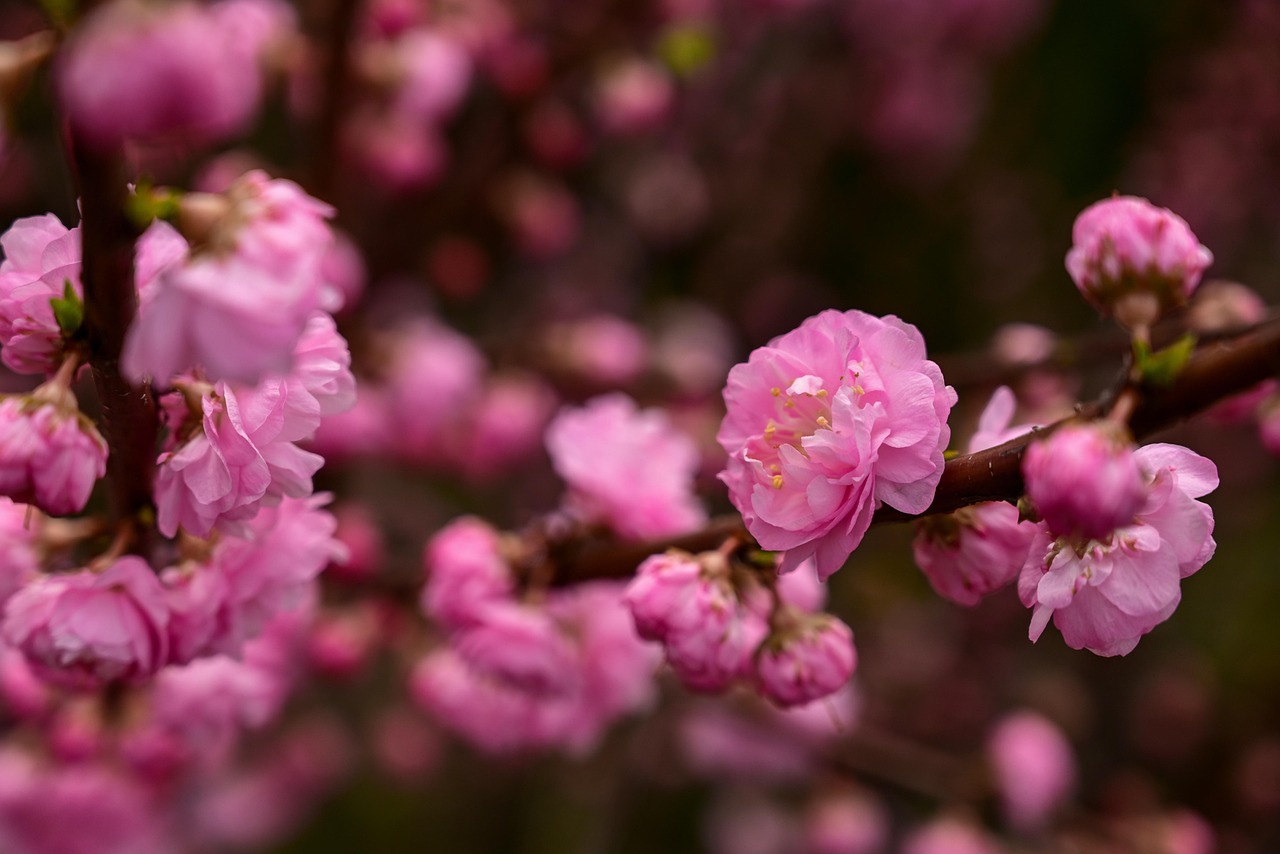

Maintaining the health and vibrant bloom of the flowering almond requires a nuanced understanding of its specific biological needs throughout the growing season. This ornamental shrub is widely celebrated for its spectacular pink blossoms that appear in early spring, often before the foliage fully emerges. To ensure that your plant remains a centerpiece of the garden, you must pay close attention to environmental conditions and physical maintenance. Proper care involves a combination of strategic placement, consistent monitoring for vitality, and a deep respect for the plant’s natural growth cycle.
Fundamental characteristics of growth
The growth habit of this shrub is naturally rounded and multi-stemmed, though it is frequently grafted onto a trunk to create a small, decorative tree. Understanding the structural integrity of the plant is vital because the grafted varieties require different physical support than the natural shrub forms. You should observe the branching patterns every spring to ensure the plant is developing a balanced canopy that can support the weight of its blossoms. A healthy specimen will show vigorous new growth each year, provided the roots are well-established in a hospitable environment.
Environmental adaptability is one of the reasons this plant is so popular among gardeners in temperate climates. It can withstand a variety of soil types, although it clearly prefers well-drained conditions to avoid root rot. You should also consider the microclimate of your garden, as late spring frosts can sometimes damage the delicate flower buds before they have a chance to open. By providing a slightly sheltered location, you can protect the aesthetic value of the shrub from harsh winds and unpredictable temperature drops.
Foliage development follows the blooming period, with bright green leaves that provide a lush backdrop for the rest of the summer. These leaves are typically serrated and have a fine texture that adds a delicate feel to any landscape design. During the summer months, the primary goal is to maintain the health of this foliage so the plant can effectively photosynthesize and store energy for the following year. Healthy leaves are a clear indicator that the root system is functioning properly and receiving adequate moisture from the soil.
Seasonal transitions dictate the intensity of the care required, shifting from high-maintenance spring pruning to passive summer observation. As autumn approaches, the plant begins to slow its metabolic processes in preparation for the dormant winter phase. You will notice the leaves turning yellow or bronzed before they eventually drop, which is a completely natural part of the deciduous cycle. Keeping the area around the base of the plant clean of fallen debris will help prevent the overwintering of pathogens that could affect next year’s growth.
More articles on this topic
Optimizing the soil environment
The foundation of a long-lived shrub lies in the quality and structure of the soil in which it is planted. It thrives best in loamy soil that contains a significant amount of organic matter to facilitate nutrient uptake. You can improve the existing garden soil by incorporating well-rotted compost or leaf mold several weeks before the planting season begins. This preparation ensures that the soil has a crumbly texture that allows roots to penetrate easily and expand without resistance.
Drainage is perhaps the most critical factor when discussing soil requirements for this specific species. It does not tolerate “wet feet,” meaning that water should never stand around the root zone for extended periods. If your garden has heavy clay soil, you might consider planting the shrub in a raised bed or on a slight mound to encourage runoff. Adding grit or coarse sand to the planting hole can also help improve the internal drainage of heavier soil types.
Soil pH levels should ideally be slightly acidic to neutral for the best performance of the flowering almond. While the plant is somewhat adaptable to slightly alkaline conditions, extreme pH levels can lead to nutrient deficiencies like iron chlorosis. You can test your soil with a simple home kit to determine if any amendments are necessary to bring the pH into the optimal range. If the soil is too alkaline, adding elemental sulfur or peat moss can gradually lower the pH over several months.
Microbial activity within the soil is often overlooked but remains essential for breaking down organic matter into usable nutrients. Encouraging a healthy population of earthworms and beneficial fungi will naturally aerate the soil and improve its overall structure. You should avoid using heavy chemical pesticides that might harm these beneficial organisms, opting instead for organic mulches. A thick layer of bark mulch will not only suppress weeds but also feed the soil as it slowly decomposes over time.
More articles on this topic
Annual maintenance routines
The most intensive part of the care routine happens immediately after the flowering period has concluded for the year. Because the buds for next year’s flowers are formed on the wood produced during the current summer, late pruning is discouraged. You should focus your efforts on removing spent flowers and any dead or diseased wood as soon as the petals have fallen. This timing ensures that the plant directs all its energy into producing strong, healthy new shoots that will carry the future blossoms.
Summer maintenance is largely about monitoring and providing supplemental support during periods of high heat or drought. While the plant is relatively hardy, extreme temperatures can stress the vascular system and lead to premature leaf drop. You should check the soil moisture levels regularly by feeling the top few inches of the earth near the base of the trunk. Providing a deep soak once a week is generally more effective than frequent shallow waterings that do not reach the deeper roots.
As the growing season winds down, you should refrain from any heavy fertilization that might stimulate new growth. Late-season growth is often soft and succulent, making it highly susceptible to damage from the first autumn frosts. Instead, focus on maintaining a clean environment by removing any weeds that might compete for nutrients or harbor pests. This period of transition is an excellent time to evaluate the overall health of the shrub and plan for any structural changes needed in the spring.
Winter care is minimal but involves protecting the plant from physical damage caused by heavy snow or hungry wildlife. In areas with high rabbit or deer populations, a simple wire mesh cage around the trunk can prevent them from gnawing on the bark. You should also ensure that the mulch layer is sufficient to insulate the roots against the cycle of freezing and thawing. Once the plant is dormant, it requires very little attention until the first signs of bud swell appear in the late winter.
Enhancing the blooming cycle
To achieve a truly spectacular floral display, you must understand the factors that trigger and support bud development. The flowering almond produces its blossoms on “old wood,” which means the growth from the previous year is the source of the flowers. If you prune too late in the season or too early in the spring, you will inadvertently remove the flower buds. Maintaining a consistent pruning schedule is therefore the most important factor in maximizing the visual impact of the shrub.
The intensity of the bloom is also directly related to the amount of sunlight the plant receives during the previous summer. Sunlight fuels the photosynthesis needed to create the carbohydrates that the plant stores in its stems and roots. A shrub that is grown in too much shade will produce fewer flowers and the stems may become leggy and weak. Ensuring that the plant has an open, sunny position will result in a much denser cluster of blossoms along every branch.
Nutrient availability during the early spring growth spurt can also influence the quality and duration of the flowers. While the plant uses stored energy to begin blooming, a light application of a balanced fertilizer can provide the necessary boost. You should apply this fertilizer just as the buds begin to swell, being careful not to over-fertilize, which can lead to excessive leaf growth. A steady supply of nutrients ensures that the flowers are vibrant in color and have the strength to remain on the branches longer.
Water management during the blooming phase is often neglected but can significantly extend the life of the individual flowers. If the soil becomes too dry while the plant is in full bloom, the flowers may wilt and drop prematurely to conserve moisture. Keeping the soil consistently moist, but not soggy, during the two to three weeks of flowering will help maintain the turgor of the petals. This small adjustment in care can make a noticeable difference in how long you get to enjoy the spring display.
Managing the growth habit
Controlling the size and shape of the flowering almond is essential for integrating it into a cohesive garden design. Without regular intervention, the shrub can become somewhat unkempt and develop a tangled interior that restricts airflow. You should aim for a vase-like shape that allows light to reach the center of the plant, which promotes health throughout the entire structure. This structural pruning is best done in the spring, focusing on removing crossing branches that might rub against each other.
For those growing the grafted tree form, managing suckers that emerge from the rootstock is a constant but necessary task. These suckers are often from a different species or variety and will quickly sap energy from the ornamental graft if left alone. You should prune these shoots off at the very base as soon as they appear, ideally before they become woody. Keeping the trunk clean of these unwanted growths ensures that the decorative canopy remains the primary focus of the plant.
Thinning out the oldest branches every few years can rejuvenate an aging shrub and encourage the growth of vigorous new wood. You should identify the thickest, least productive stems and cut them back to the ground level or to a strong lateral branch. This process, often called renewal pruning, prevents the plant from becoming too woody and keeps the blooming area within eye level. It is a long-term strategy that ensures the shrub remains attractive for decades rather than just a few seasons.
The height of the shrub can be managed through careful tipping of the branches, but this should be done with caution to avoid a “sheared” look. Instead of using hedge trimmers, use sharp hand pruners to make individual cuts at different heights for a more natural appearance. This approach maintains the delicate, arching habit of the branches while keeping the plant within its allotted space in the garden. A well-managed growth habit not only looks better but also makes the plant more resistant to breakage from wind or ice.
Environmental stress factors
Air circulation is a critical environmental factor that is often ignored until problems like powdery mildew or leaf spot arise. If the shrub is planted too close to a solid wall or in a crowded corner, the humid air will linger around the leaves. You can mitigate this by ensuring there is enough space between the flowering almond and its neighbors for a gentle breeze to pass through. Good airflow helps the foliage dry quickly after rain, which is the best natural defense against many common fungal diseases.
Temperature fluctuations in the late winter can sometimes trick the plant into breaking dormancy too early. If a warm spell is followed by a sudden deep freeze, the sap within the stems can freeze and cause the bark to split. This physical damage creates an entry point for pathogens and can lead to the death of entire branches. While you cannot control the weather, applying a layer of light-colored mulch can help keep the ground temperature more stable and delay premature growth.
Urban environments present unique stressors such as soil compaction and air pollution that can take a toll on garden plants. If you are growing the flowering almond near a sidewalk or driveway, the soil may become hard and depleted of oxygen. You can combat compaction by periodically aerating the soil with a garden fork and adding organic matter to the surface. Being mindful of salt runoff from winter road treatments is also important, as salt can dehydrate the roots and cause leaf burn.
Competing for resources with large trees or aggressive perennials can also weaken the shrub over time. The flowering almond has a relatively shallow root system that can be easily outcompeted for moisture and nutrients by established giants. You should maintain a clear, weed-free zone around the base of the shrub to minimize competition and allow the roots to thrive. If planting under a tree canopy, ensure the shrub receives enough filtered light and supplemental water to compensate for the overhead competition.
Long term health strategies
Developing a keen eye for the early signs of stress or disease is the hallmark of an expert gardener. You should make it a habit to inspect the stems, leaves, and trunk of your shrub at least once a month during the growing season. Early detection of issues like scale insects or borer holes can mean the difference between a simple treatment and losing the entire plant. A healthy plant is much better at defending itself, so maintaining overall vigor is your primary line of defense.
Diversity in the garden can also contribute to the long-term health of your flowering almond by attracting beneficial insects. By planting a variety of flowering perennials nearby, you can encourage ladybugs, lacewings, and predatory wasps that keep pest populations in check. This biological control reduces the need for chemical interventions and creates a more resilient ecosystem in your backyard. A garden that works with nature rather than against it is always easier to maintain in the long run.
Documentation can be a powerful tool for understanding how your specific plant responds to the unique conditions of your site. Keeping a simple garden journal where you note the dates of blooming, pruning, and any significant weather events can provide valuable insights. Over several years, you will start to see patterns that help you anticipate the plant’s needs before they become urgent. This historical record is an excellent way to refine your care techniques and ensure the continued success of your ornamental garden.
Ultimately, the flowering almond is a rewarding plant that provides a burst of joy every spring with its delicate pink clouds of color. While it does require specific attention to pruning and environmental conditions, the effort is well worth the aesthetic payoff. By following these professional guidelines, you can ensure that your shrub remains healthy, productive, and beautiful for many years to come. Consistency and observation are the keys to mastering the care of this exquisite garden favorite.