
Finding the right balance for your new plant is the first step toward long-term success and vibrant growth. You will notice that this specific variety thrives when you treat it with a gentle touch and consistent observation. It is not a demanding companion, but it does require you to understand its unique biological rhythms and tropical origins. Once you establish a routine, you will find that the plant responds with lush, deeply textured foliage that brightens any room.
The humidity levels in your home play a significant role in how well your emerald ripple peperomia develops its signature ridges. You should aim for a moderate to high humidity environment to mimic its natural habitat in the South American rainforests. If your indoor air is particularly dry, placing a small tray of water nearby can make a world of difference for the leaves. You will see that the plant maintains its structural integrity much better when the air isn’t stripping away its moisture.
Temperature stability is another crucial factor that you must manage carefully throughout the different seasons of the year. These plants prefer a consistent range that reflects a comfortable indoor climate, ideally staying between eighteen and twenty-four degrees Celsius. You should avoid placing your pot near drafty windows or heating vents that cause sudden shifts in the surrounding air. When the temperature remains steady, the root system stays active and the plant avoids the stress of acclimatization.
The overall aesthetic of your plant is a direct reflection of the care you provide on a weekly basis. You might find that rotating the pot every few days helps the foliage grow evenly rather than leaning toward the light source. It is rewarding to see how such a small adjustment can result in a perfectly symmetrical and attractive indoor specimen. Always remember that your plant is a living entity that adapts to the specific microclimate you create within your living space.
Creating the ideal environment
Selecting the right location for your plant is more than just a matter of interior design or finding a shelf. You should look for a spot that offers filtered light and protection from the harsh afternoon sun that can scorch leaves. Many gardeners find that a North or East-facing window provides the perfect balance of illumination without the risk of heat damage. This careful placement ensures that the deep purple or green hues of the foliage remain vivid and healthy.
More articles on this topic
Air circulation is an often overlooked aspect of indoor gardening that can prevent many common physiological issues. You want to ensure that there is enough space between your plants for air to move freely around the base. This practice helps to regulate the moisture levels on the leaf surfaces and reduces the chances of fungal development. A well-ventilated room provides the fresh carbon dioxide that the plant needs to perform its daily metabolic functions.
The choice of container is just as important as the location because it dictates how the root system expands. You should opt for a pot that has adequate drainage holes to prevent water from sitting at the bottom for too long. Terracotta pots are often recommended because they allow the soil to breathe, though plastic containers work well if you are careful with your watering. Matching the size of the pot to the current root ball prevents the soil from staying overly saturated.
You must also consider the potential impact of household pets and small children on your plant’s living environment. While this variety is generally considered non-toxic, it is still best to keep it in a safe location where it won’t be knocked over. Placing it on a sturdy pedestal or a high shelf can protect the delicate stems from accidental breakage during daily activities. A secure environment allows the plant to grow undisturbed and reach its full potential as a decorative element.
Soil and substrate selection
The foundation of a healthy emerald ripple peperomia lies in the quality and composition of the soil you provide. You should look for a mixture that is light, airy, and capable of holding moisture without becoming compacted or heavy. A blend containing peat moss, perlite, and a bit of coarse sand usually provides the perfect texture for root development. This combination allows oxygen to reach the roots while ensuring that the plant has access to the hydration it requires.
More articles on this topic
You will find that using a high-quality commercial potting mix designed for succulents or indoor plants is a great starting point. It is often beneficial to amend these mixes with extra organic matter to provide a slow-release source of essential nutrients. Avoid using garden soil from your backyard as it is typically too dense and may contain pathogens or pests. A clean, sterile substrate is the best way to ensure that your indoor gardening journey starts on the right foot.
Monitoring the pH level of your soil can give you deeper insights into why your plant might not be thriving. This variety prefers a slightly acidic to neutral environment where it can easily absorb the minerals present in the substrate. If you notice the leaves becoming pale or the growth slowing down significantly, it might be time to test the soil. Adjusting the acidity is a professional touch that separates casual hobbyists from dedicated plant enthusiasts.
Refreshing the soil every couple of years is a necessary task to prevent the buildup of mineral salts and old debris. You don’t always need to move the plant to a larger pot, but providing fresh substrate can rejuvenate a tired specimen. This process gives you a chance to inspect the roots and ensure they are firm, white, and healthy. New soil brings a fresh structure that encourages the plant to put out a flush of new, vibrant leaves.
Understanding growth habits
The emerald ripple peperomia is known for its compact and mounding growth habit, which makes it perfect for small spaces. You will see that the leaves emerge from a central point, creating a dense canopy of corrugated foliage. It rarely grows taller than twenty or thirty centimeters, so it won’t outgrow its designated spot on your desk. This predictable growth pattern allows you to plan your indoor garden layout with confidence and precision.
During the active growing season, you might notice long, slender flower spikes emerging from the center of the foliage. These spikes are a unique feature of the species and look quite different from traditional colorful flowers. Many growers appreciate the architectural look they add to the plant, while others prefer to remove them to focus energy on leaves. Regardless of your preference, their appearance is a sign that your plant is happy and well-cared for.
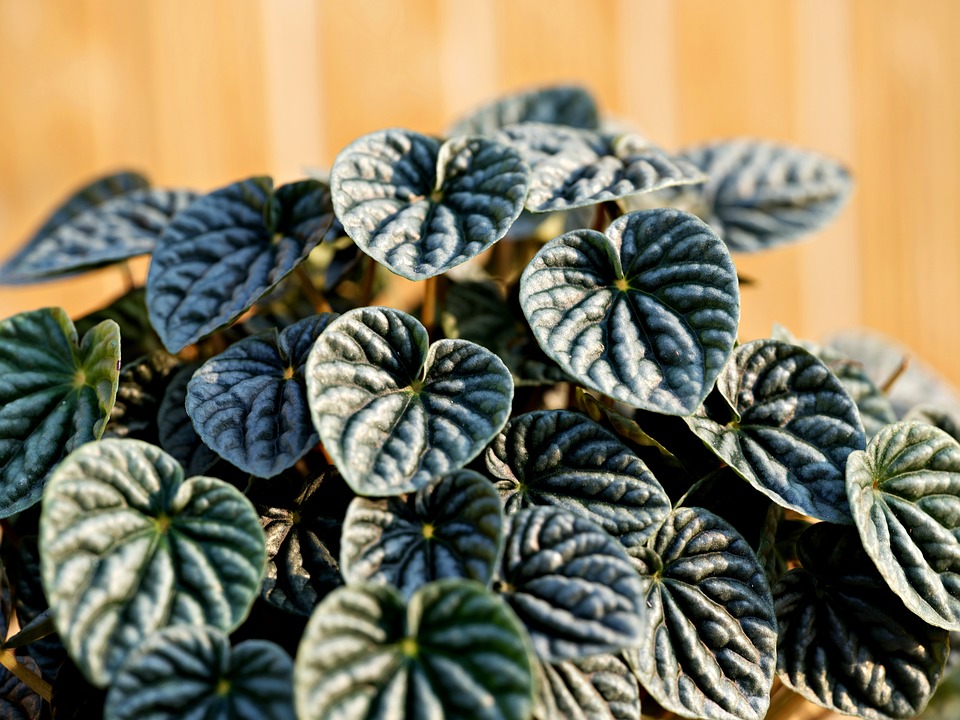
The texture of the leaves is not just for show; it is a fascinating adaptation that helps the plant manage its resources. Those deep ridges increase the surface area of the leaf, allowing for more efficient gas exchange and light absorption. You can feel the thickness of the foliage, which indicates that the plant stores a small amount of water within its tissues. This succulent-like quality gives the plant a bit of resilience if you occasionally forget to check the soil.
As your plant matures, it may naturally start to spread horizontally and fill the entire diameter of its container. You can encourage this bushy appearance by ensuring that light reaches all sides of the plant equally throughout the year. If the plant starts to look leggy or sparse, it usually means it is reaching for more light or needs a nutrient boost. Keeping a close eye on these physical changes will help you understand the specific language of your plant.
Seasonal adjustments in care
When the seasons shift from summer to autumn, you must be prepared to change your approach to plant maintenance. The decreasing daylight hours mean that your emerald ripple peperomia will naturally slow down its metabolic processes. You should reduce the frequency of your interventions to match the plant’s decreased demand for resources during the darker months. This transition is a natural part of the plant’s life cycle and requires a patient, observant gardener.
Winter brings its own set of challenges, particularly regarding the dry air caused by indoor heating systems. You might need to move your plant further away from radiators to prevent the delicate leaf edges from becoming crisp. It is a good time to focus on maintaining a stable temperature and ensuring the plant isn’t exposed to cold drafts. Despite the slower growth, the plant still needs a bright spot to maintain its rich coloration until spring returns.
As the first signs of spring appear, you will notice a renewed energy in your emerald ripple peperomia. This is the ideal time to resume a more regular watering schedule and consider a light application of fertilizer. You might see new leaves beginning to unfurl from the center of the mound as the days grow longer. It is an exciting period where your consistent winter care finally pays off in the form of fresh, green growth.
Summer care is all about managing the heat and ensuring the plant doesn’t dry out too quickly during a heatwave. You should check the soil more frequently and perhaps provide a bit more shade during the peak afternoon hours. High temperatures can cause the plant to transpire more quickly, so maintaining humidity becomes even more important for leaf health. By staying proactive during the hottest months, you ensure that your plant remains a lush oasis in your home.
Aesthetic maintenance and cleaning
Keeping the leaves of your emerald ripple peperomia clean is essential for both its health and its visual appeal. Dust can accumulate in the deep ridges of the foliage, which can eventually block the pores and hinder photosynthesis. You should use a soft, damp cloth or a gentle spray of water to keep the surface of the leaves clear. This simple task not only makes the plant look better but also allows it to breathe more effectively.
Removing old or yellowing leaves from the base of the plant is a quick way to keep the specimen looking tidy. You can gently tug on these leaves, and they will usually pop right off without damaging the main stem. This practice prevents decaying organic matter from attracting pests or creating an environment for mold growth. A clean plant base encourages better air circulation and leaves more room for new growth to emerge.
You might also want to occasionally prune back any stems that have become too long or are growing in an awkward direction. This type of light maintenance helps to preserve the compact, rounded shape that is so characteristic of the variety. Use a pair of clean, sharp scissors to make precise cuts near the base of the stem to avoid leaving unsightly stubs. Regular grooming sessions are a great way to bond with your plant and monitor its overall condition.
The overall presentation of your plant can be enhanced by choosing a decorative outer pot that complements the leaf color. You can place the functional nursery pot inside a ceramic or stone vessel to match your home’s decor. This allows you to maintain the necessary drainage while elevating the style of your indoor gardening display. A well-presented plant becomes a true conversation piece that showcases your skills as a dedicated gardener.
Long term health strategies
Thinking about the long-term health of your emerald ripple peperomia involves more than just daily watering and occasional feeding. You should aim to create a stable ecosystem where the plant can thrive for many years without significant stress. This involves being mindful of the quality of water you use, as tap water can sometimes contain minerals that build up. Using filtered or rain water can prevent the leaf tips from browning over time and keep the soil chemistry balanced.
Observing the plant for any subtle changes in leaf color or texture is the best way to catch potential issues early. You should become familiar with what a healthy leaf looks like so that you can spot deviations immediately. Early detection of environmental stress or nutrient deficiencies makes it much easier to correct the problem before it becomes serious. Your proactive approach is the most effective tool you have for maintaining a beautiful and healthy plant collection.
Sharing your passion for gardening with others can also provide new insights into the best practices for this species. You might join local plant groups or online forums to exchange tips and experiences with fellow emerald ripple enthusiasts. Learning from the successes and failures of others can help you refine your own techniques and avoid common pitfalls. A community of like-minded gardeners is a valuable resource that can deepen your appreciation for the hobby.
Ultimately, the goal is to enjoy the process of nurturing a living thing and watching it grow under your care. The emerald ripple peperomia is a rewarding plant that offers a unique visual texture and a sense of calm. As you become more experienced, you will find that the care routine becomes second nature and the plant thrives. Your dedication ensures that this beautiful species will continue to provide joy and greenery to your home for many seasons.