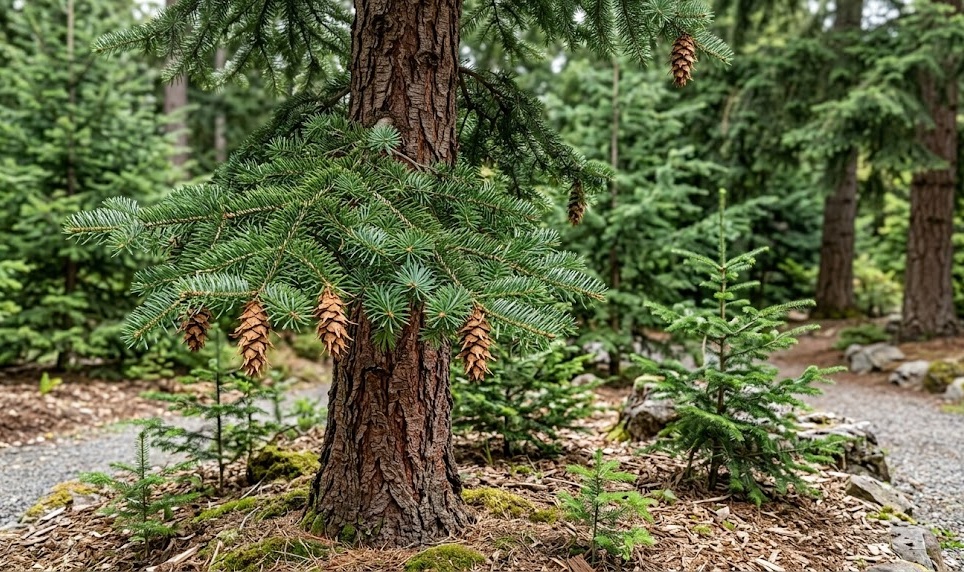

Maintaining the health and vitality of the Douglas fir requires a deep understanding of its specific environmental needs and growth patterns. This majestic evergreen is not just a centerpiece of the forest but also a demanding resident of any managed landscape or timber plantation. To ensure its long-term success, one must pay close attention to the delicate balance between soil chemistry, moisture levels, and physical protection. By following professional guidelines, you can foster a robust specimen that will thrive for generations to come.
Establishing the ideal site
Selecting the perfect location is the first step toward a healthy and flourishing tree. The site must offer enough vertical and horizontal space for the canopy to expand without restriction from buildings or other large structures. You should consider the wind patterns in your area, as young trees can be susceptible to physical damage from strong gusts. A stable environment allows the root system to anchor itself firmly into the ground during the early years of development.
Air circulation is another critical factor that often goes overlooked by novice gardeners. Proper airflow reduces the humidity trapped within the dense needles, which significantly lowers the risk of fungal infections. You must ensure that the tree is not crowded by smaller shrubs that might block the natural movement of air around the lower branches. A well-ventilated space promotes a drier microclimate that is less hospitable to pathogens that thrive in stagnant conditions.
Soil drainage plays a pivotal role in the long-term survival of this species. While the Douglas fir enjoys consistent moisture, it cannot tolerate “wet feet” or standing water around its roots for extended periods. You should observe the chosen site after a heavy rain to see how quickly the water disappears from the surface. If the water lingers for more than a few hours, you might need to consider installing a drainage system or choosing a slightly elevated spot.
The orientation of the site relative to the sun will dictate the tree’s growth rate and needle color. Even though these trees are resilient, they perform best when they receive ample light without being scorched by extreme afternoon heat in warmer climates. You should aim for a location that offers protection from the harshest elements while still providing the energy needed for photosynthesis. Finding this balance is key to preventing stress and ensuring the tree remains vibrant throughout the seasons.
More articles on this topic
Soil composition and acidity
The chemical makeup of the soil is the foundation upon which the health of the Douglas fir is built. These trees generally prefer acidic to neutral soil, typically within a pH range of 5.0 to 6.5. You can easily test your soil using a standard kit to determine if any amendments are necessary before the tree begins its active growth phase. If the soil is too alkaline, the tree may struggle to absorb essential micronutrients, leading to yellowing needles and stunted growth.
Organic matter is a vital component of the soil structure for any high-performing conifer. Incorporating well-rotted compost or leaf mold into the planting area improves the soil’s ability to hold onto nutrients while maintaining aeration. You should aim for a loamy texture that allows roots to penetrate deeply without meeting too much physical resistance. This structural integrity ensures that the roots can access both water and air in the correct proportions.
Mineral balance is equally important for the physiological processes of the tree. Douglas firs require a steady supply of nitrogen, phosphorus, and potassium, along with secondary minerals like magnesium and sulfur. You should avoid over-fertilizing with synthetic products that can lead to salt buildup in the soil over time. Instead, focus on building a living soil ecosystem where beneficial microbes can break down organic material into plant-available forms.
The physical depth of the soil determines how large and stable the tree can eventually become. Deep, well-aerated soils allow the primary taproot to descend significantly, providing a strong anchor against environmental stressors. You must ensure that there are no hardpan layers or rocky obstructions close to the surface that could deflect root growth horizontally. A deep soil profile also acts as a reservoir for moisture during the dry summer months, protecting the tree from drought.
More articles on this topic
Root system development
Understanding the behavior of the root system is essential for any professional managing this species. The Douglas fir initially develops a strong taproot, but as it matures, it creates a wide-spreading lateral root system. You must be careful not to compact the soil within the drip line of the tree, as this can crush delicate feeder roots. Protecting the integrity of the soil structure ensures that the tree can continue to draw up water and nutrients efficiently.
Mycorrhizal fungi share a symbiotic relationship with the roots of the Douglas fir that is crucial for its survival. These fungi extend the reach of the root system, helping the tree to absorb phosphorus and water from a much larger volume of soil. You can support this relationship by avoiding the heavy use of fungicides that might harm these beneficial organisms. Maintaining a healthy soil biology is often more effective than applying external fertilizers in the long run.
Physical disturbances to the root zone should be kept to an absolute minimum once the tree is established. Digging trenches for utilities or installing heavy paving near the trunk can cause irreversible damage to the tree’s hydraulic system. You should plan any landscape changes well in advance to ensure that the root zone remains undisturbed and protected. Even minor root pruning can lead to canopy dieback or increased susceptibility to pests and diseases.
Surface mulching is an excellent way to protect the roots from temperature extremes and moisture loss. A thick layer of organic mulch mimics the natural forest floor and provides a buffer against the heat of summer and the frost of winter. You should apply the mulch in a wide circle around the base, ensuring it does not touch the bark of the trunk directly. This practice also prevents the growth of competing weeds that would otherwise steal resources from the tree.
Climate adaptation and resilience
The Douglas fir is remarkably adaptable, but it has specific preferences regarding temperature and humidity. It thrives in regions with cool, moist summers and mild winters, reflecting its native habitat in the Pacific Northwest. You should monitor local weather patterns to anticipate periods of extreme heat or unusual cold that might stress the tree. Providing supplemental care during these spikes in temperature can help the tree maintain its metabolic functions without lasting harm.
Altitude also plays a role in how the tree develops its physical characteristics. Specimens grown at higher elevations often have a more compact growth habit and thicker needles to withstand harsher winds and snow loads. You should select a variety or seed source that is well-suited to your specific local climate and elevation. Using locally adapted stock ensures that the tree has the genetic predisposition to handle the unique challenges of your region.
Humidity levels can influence the rate of transpiration and the overall health of the foliage. In very dry climates, the tree may lose water faster than the roots can replenish it, leading to needle drop and browning. You can mitigate this by planting the tree in groups or near water features that naturally increase the local humidity. Creating a sheltered microclimate can significantly improve the performance of the tree in less-than-ideal environments.
Resilience to snow and ice is a natural trait of the Douglas fir, but it still requires some attention. The flexible branches are designed to shed heavy snow, but extreme ice storms can still cause limb breakage. You should inspect the tree after significant winter weather events to remove any broken or hanging branches safely. Promptly addressing physical damage prevents the entry of pathogens and helps the tree redirect its energy toward healing and new growth.
Weed management and competition
Competition for resources is one of the primary reasons for slow growth in young Douglas firs. Grass and weeds have aggressive root systems that can quickly deplete the surrounding soil of moisture and nitrogen. You should maintain a clear zone around the base of the tree for at least the first five years of its life. This lack of competition allows the young tree to establish its own root system without having to fight for every drop of water.
Mechanical weed control must be done with extreme caution to avoid damaging the shallow roots or the bark of the tree. Using string trimmers or mowers too close to the trunk can cause “girdling,” which cuts off the flow of nutrients between the roots and the needles. You should prefer hand-pulling or the careful application of mulch to keep the area clear of unwanted vegetation. This gentle approach preserves the physical integrity of the tree while achieving the goal of weed suppression.
Chemical herbicides can be used in larger plantations, but they must be selected and applied with professional precision. Some herbicides can be absorbed by the roots of the tree or cause damage if they drift onto the green needles. You must always follow the manufacturer’s instructions and choose products that are specifically labeled for use around conifers. Proper timing of application is also essential to maximize effectiveness against weeds while minimizing risk to the tree.
Over time, the Douglas fir will create its own shade, which naturally suppresses the growth of most competing ground cover. As the canopy closes, the light levels reaching the forest floor decrease, making it difficult for sun-loving weeds to survive. You will notice that the maintenance requirements for weed control decrease significantly as the tree reaches maturity. Until that point, staying vigilant and consistent with your management strategy is the best way to ensure rapid growth.
Long-term structural monitoring
A professional gardener always keeps an eye on the structural integrity of the tree as it grows taller. You should look for the development of “co-dominant leaders,” which are two main stems competing for dominance at the top. This can create a weak union that is prone to splitting during heavy winds or under the weight of snow. Early intervention through corrective pruning can guide the tree toward a single, strong central leader for better stability.
Branch spacing and attachment angles are also important indicators of future structural health. Branches that grow at a wide angle to the trunk are generally stronger and more resilient than those with narrow, “V-shaped” attachments. You should monitor the tree for any branches that seem to be growing inward or crossing over others. Removing these problematic limbs early prevents them from causing bark inclusions or physical wounds that could rot later.
As the tree reaches a significant height, the risk of “windthrow” or falling increases if the root system is compromised. You should regularly check the base of the tree for any signs of soil heaving or cracking, especially after major storms. A slight lean that develops suddenly is a red flag that requires immediate professional evaluation by an arborist. Maintaining a healthy root zone is the best defense against structural failure in the face of environmental pressure.
The condition of the bark can reveal a lot about the internal health and stress levels of the Douglas fir. Healthy bark should be thick and furrowed in older trees, providing a natural armor against pests and minor fires. You should look for any deep cracks, oozing sap, or areas where the bark is peeling away prematurely. These symptoms can indicate underlying issues such as mechanical damage, disease, or extreme environmental stress that need to be addressed.
Enhancing ornamental value
For those growing the Douglas fir in a garden or park setting, aesthetic appearance is often just as important as health. The natural conical shape of the tree is its most striking feature and should be preserved through careful site management. You can enhance the color of the needles by ensuring the tree has access to sufficient micronutrients, particularly iron and manganese. A healthy, well-nourished tree will exhibit a deep, bluish-green hue that is highly prized in landscaping.
The density of the foliage is a direct reflection of the amount of light the tree receives and its overall vigor. You can encourage a fuller look by ensuring that the tree is not overshadowed by other structures or faster-growing species. Providing adequate water during the bud-setting period in late spring will also lead to more robust growth in the following season. A dense canopy not only looks beautiful but also provides better habitat for local bird populations.
The placement of the Douglas fir within a landscape design can create a sense of scale and permanence. Because of its eventual size, it serves as an excellent backdrop for smaller flowering trees or ornamental shrubs. You should consider the color contrast between the dark evergreen needles and the changing foliage of deciduous plants in the fall. Strategic planting can turn a single tree into a focal point that anchors the entire visual composition of your property.
Finally, regular cleaning of the interior branches can keep the tree looking its best throughout the year. As the tree grows, older needles in the center of the canopy will naturally turn brown and drop off. While this is a normal process, you can gently shake or brush out these dead needles to improve the internal appearance and airflow. This simple act of maintenance keeps the specimen looking pristine and allows more light to reach the inner structure of the tree.