
Managing this species requires a deep understanding of its natural lifecycle and environmental preferences in our climate. You will find that consistency is far more important than intensity when it comes to long-term success with these shrubs. Every action you take should aim to mimic the balanced conditions found in its native woodland habitats. Observing the plant daily will reveal subtle changes that guide your maintenance decisions throughout the year.
A well-planned routine begins with checking the moisture levels and the physical condition of the branches. You should look for signs of new growth or any stress caused by fluctuating temperatures or wind. Keeping a simple gardening journal can help you track these developments and identify patterns over several seasons. This proactive approach prevents small issues from becoming major obstacles to the plant’s health.
Weed management around the root zone is another critical component of the basic care strategy. You must ensure that grass and other competing plants do not rob the shrub of essential resources during the peak growing phase. Using hand tools to remove weeds gently will protect the sensitive, shallow roots from accidental mechanical damage. Maintaining a clean area around the base also improves air circulation and reduces the risk of fungal infections.
Interaction with the plant should always be gentle to avoid breaking the delicate flower buds that form early. You might notice that the bark is quite decorative, which adds value even during the dormant winter months. Protecting this bark from physical injury ensures the vascular system remains intact and functional for many years. A healthy exterior is the first line of defense against many common environmental challenges.
Soil and mulch management
Maintaining the quality of the soil is perhaps the most significant task for any dedicated gardener working with this plant. You should focus on preserving a porous structure that allows for excellent drainage while retaining enough moisture for the roots. Adding organic matter annually helps to replenish the nutrients that the shrub consumes during its intensive flowering and fruiting cycles. This natural replenishment supports the complex microbial life that keeps the soil productive and healthy.
More articles on this topic
Mulching provides a protective layer that stabilizes ground temperatures and prevents excessive evaporation during hot summer days. You can use wood chips, shredded leaves, or bark to create an effective barrier around the base of the plant. This layer should be replaced or topped up every spring to ensure its continued effectiveness in weed suppression and moisture retention. Proper mulching also prevents soil compaction, which is vital for the health of the underground root network.
You must be careful not to pile the mulch directly against the trunk of the shrub as this can cause rot. Instead, leave a small gap to allow for adequate air circulation around the bark and the lower stems. This simple adjustment prevents many common fungal problems and keeps the wood dry and strong throughout the year. A well-applied mulch layer acts like a natural blanket that supports the plant through every season.
Over time, you will notice that the soil composition improves as the organic mulch decomposes into the earth. This process invites beneficial organisms like earthworms, which further aerate the soil and distribute nutrients to the deeper root layers. Encouraging this natural cycle reduces the need for heavy chemical interventions and promotes a more sustainable garden ecosystem. A healthy soil foundation is the secret to the longevity and productivity of your cornelian cherry.
Nutrient balance and observation
Monitoring the nutritional needs of the plant is a task that changes as the shrub matures and the seasons shift. You should look for specific indicators such as leaf size and color to determine if the current nutrient levels are sufficient. A lack of vigor often points to a deficiency in the soil that needs to be addressed with specific organic supplements. Understanding the chemistry of your garden helps you provide exactly what the plant needs without over-fertilizing.
More articles on this topic
During the early spring, the plant prepares for a massive energy expenditure as it bursts into golden yellow blossoms. You can support this process by providing a balanced supply of nitrogen and phosphorus to encourage both growth and flower development. It is important to apply these nutrients just as the buds begin to swell to ensure they are available when most needed. This timing ensures that the shrub has the strength to produce a heavy crop of fruit later in the season.
You should also pay attention to the trace minerals that are often overlooked but are essential for fruit quality and taste. Elements like potassium and magnesium play a vital role in the metabolic processes that produce the characteristic tart sweetness of the berries. If you notice any unusual spotting or yellowing between the leaf veins, it might be time to test your soil for mineral imbalances. Addressing these small details makes a significant difference in the professional quality of your harvest.
Observing how the plant reacts to different weather patterns will also give you clues about its overall nutritional state. Plants that are well-nourished are much more resilient to temporary droughts or sudden cold snaps that might occur. You will find that a healthy plant recovers much faster from environmental stress than one that is struggling with nutrient deficiencies. Your role is to act as a silent supporter, providing the building blocks for the plant’s natural strength.
Environmental protection and health
Protecting your shrub from physical damage and environmental stressors is a key part of maintaining its professional appearance. You should consider the impact of strong winds, which can dry out the foliage and damage the delicate blossom in early spring. Planting a windbreak or choosing a sheltered location can significantly improve the health and yield of the cornelian cherry. A stable environment allows the plant to focus its energy on growth rather than repair.
You must also guard against the damage that can be caused by local wildlife or domestic animals that might browse on the stems. Small fences or protective guards can be used during the early years of the plant’s life until the bark becomes thicker and more resistant. Checking for signs of animal activity regularly allows you to take action before significant damage occurs to the structure of the shrub. Maintaining the integrity of the branches is essential for its long-term health and aesthetic value.
During periods of extreme heat, you can provide temporary shade to prevent the leaves from scorching under the intense afternoon sun. While the plant loves light, sudden peaks in temperature can be stressful if the root system is not fully established. You should ensure that the plant has enough water to cool itself through transpiration during these challenging days. A little extra care during a heatwave can prevent the fruit from dropping prematurely.
Maintaining a clean garden environment is the most effective way to protect the health of your plants without using chemicals. You should remove any diseased branches or fallen fruit that could attract pests or harbor pathogens over the winter. This practice of garden hygiene creates a safe space where the cornelian cherry can thrive without constant competition from harmful organisms. A clean site is a professional site, reflecting the care you put into your work.
Seasonal maintenance tasks
Each season brings a unique set of tasks that you must perform to keep the cornelian cherry in peak condition. In the spring, your focus should be on cleaning up the site and preparing the soil for the upcoming growth spurt. You should check the irrigation system to ensure it is functioning correctly before the drier months arrive. Taking these early steps sets the stage for a successful year of growth and fruit production.
Summer maintenance involves monitoring the water levels and checking for any signs of pest activity on the leaves or fruit. You should continue to manage the mulch layer and remove any weeds that manage to break through the barrier. This is also the time to observe the developing fruit and ensure that the plant is not being overstressed by an excessively heavy crop. If necessary, you can provide additional support to branches that are heavily laden with berries.
Autumn is the season for harvesting the ripe fruit and preparing the plant for the upcoming winter dormancy. You should clean the ground beneath the shrub to remove any old berries that could ferment and attract unwanted insects. This is also a good time to apply a final layer of compost to the root zone to provide slow-release nutrients for the following spring. Preparing the plant properly in the autumn ensures a smooth transition into the colder months.
Winter is the time for structural observation and planning for any major pruning tasks that might be needed in late winter. You can appreciate the decorative bark and the interesting branch structure while the plant is resting. This dormant period is also ideal for reviewing your garden journal and deciding on any changes to your care routine for the next year. Constant reflection and planning are what separate a professional gardener from a casual hobbyist.
Optimizing fruit development
The ultimate goal for many who grow this plant is the production of a high-quality crop of cornelian cherry berries. You can influence the quality of the harvest by ensuring that the plant has access to consistent moisture during the fruiting phase. Dry spells during the summer can lead to small, underdeveloped fruit that lacks the characteristic flavor profile of the species. Keeping the roots hydrated allows the plant to transport the sugars and acids needed for perfect ripening.
You should also consider the role of pollinators in the early spring and create a garden environment that attracts them. While the plant is often self-fertile, having a variety of insects visiting the flowers can improve the overall fruit set and size. Planting companion flowers that bloom at the same time can help bring these beneficial visitors to your garden. This natural boost to the fertilization process is a simple way to increase your annual yield.
Thinning the fruit is sometimes necessary if the shrub has produced more berries than it can realistically support. You might find that removing a small percentage of the fruit allows the remaining ones to grow larger and develop a better taste. This practice also prevents the branches from becoming so heavy that they risk breaking under the weight of the crop. A balanced harvest is better for both the plant’s health and the quality of your kitchen ingredients.
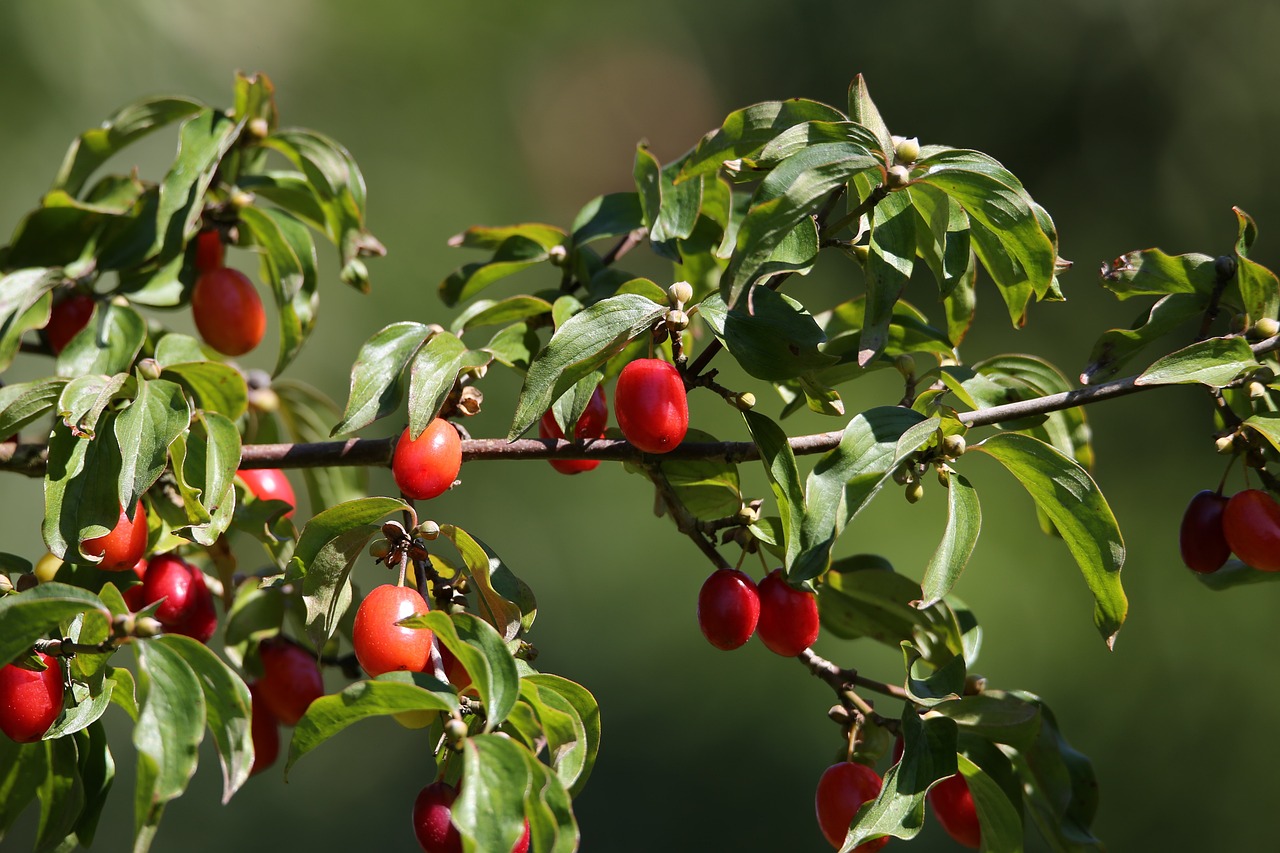
Knowing exactly when to harvest is a skill that you will develop through experience and careful observation of the fruit’s color. The berries should be a deep, dark red and feel slightly soft to the touch when they are fully ripe and ready for use. You can also harvest them when they are just starting to turn and allow them to ripen further off the plant if necessary. This flexibility allows you to manage the harvest according to your own schedule and needs.
Long term sustainability
Ensuring the long-term health of the cornelian cherry means looking beyond the current season and planning for many years ahead. You should focus on building a resilient plant that can withstand the changing climate and local environmental challenges. This involves maintaining the health of the soil and the local ecosystem just as much as caring for the shrub itself. A sustainable approach ensures that you will be enjoying the fruits of your labor for decades to come.
You can contribute to this sustainability by using organic fertilizers and natural pest control methods whenever possible in your garden. This protects the beneficial insects and soil microbes that are essential for a healthy and productive growing environment. Over time, the plant will become more self-sufficient as it develops a deep and robust root system in healthy soil. Reducing chemical inputs is a professional choice that benefits the entire garden landscape.
Consider the role of the cornelian cherry as part of a larger, biodiverse garden that provides food and shelter for various species. The early blossoms are a vital source of nectar for bees, while the late fruit can feed birds during the autumn months. By integrating this plant into a diverse ecosystem, you are creating a more stable and balanced environment for all your plants. This holistic view is the hallmark of a truly expert approach to horticulture and land management.
Finally, sharing your knowledge and the fruits of your harvest with others is a wonderful way to promote this versatile plant. You might find that your success inspires neighbors and friends to plant their own cornelian cherries, contributing to a greener local environment. The legacy of a well-cared-for shrub is measured not just in berries, but in the health and beauty it adds to the world. Your dedication to professional care ensures that this legacy remains strong and vibrant for the future.