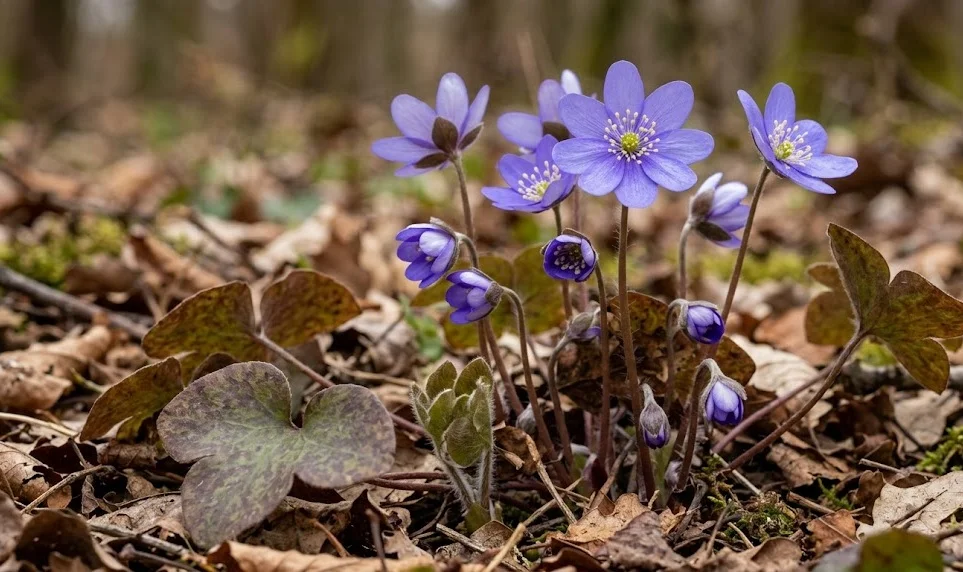

The common liverwort is one of the most enchanting signs of early spring in our temperate forests and gardens. This small perennial plant brings a splash of deep blue or purple to the landscape when most other flora is still dormant. Understanding its specific needs is essential for any gardener who wishes to cultivate this delicate forest dweller successfully. Professional care begins with replicating its natural woodland habitat as closely as possible within your green space.
Establishing the right environment requires a deep appreciation for the subtle shifts in forest floor dynamics throughout the year. These plants have evolved to thrive under the canopy of deciduous trees where light levels fluctuate significantly between seasons. During the early spring months, they enjoy full access to the sun before the trees above fully develop their leaves. Once the canopy closes, the liverwort benefits from the cooling shade and protection from the harsh midday summer heat.
Soil structure is perhaps the most critical factor in ensuring the long-term health and vitality of your plants. In the wild, these flowers grow in soil that is rich in organic matter and leaf mold, which provides a steady supply of nutrients. The earth should be loose and friable to allow the delicate root systems to penetrate easily and breathe. Aim for a slightly alkaline to neutral pH level, as high acidity can often hinder the plant’s ability to absorb essential minerals.
Managing the humidity levels around the foliage will help prevent the plant from drying out during the warmer months of the year. While these plants are surprisingly resilient, they do not tolerate prolonged periods of drought or extremely dry air well. You should consider planting them in groups to create a more stable microclimate that retains moisture more effectively. Providing a thick layer of organic mulch can also help maintain the necessary moisture levels while protecting the sensitive crown from temperature swings.
Understanding the soil chemistry and composition
Maintaining a balanced nutrient profile within the soil is a professional requirement for achieving the best floral displays each season. The presence of calcium is particularly beneficial for these plants as it mimics the limestone-rich areas where they often occur naturally. You can incorporate crushed eggshells or a small amount of garden lime if your soil test indicates an overly acidic environment. Consistently monitoring the soil condition will allow you to make minor adjustments before any signs of stress appear.
More articles on this topic
The drainage capabilities of your garden bed must be exceptional to prevent the roots from sitting in stagnant water during the winter. Even though the plant enjoys moisture, waterlogged soil will quickly lead to root rot and the eventual death of the specimen. Mixing in some sharp sand or fine grit can improve the porosity of heavier clay soils significantly. This structural improvement ensures that excess rainwater moves away from the crown while leaving enough moisture for the plant’s needs.
Organic matter serves as the primary source of slow-release energy for the common liverwort throughout its entire growing cycle. Well-rotted leaf mold is the ideal amendment because it recreates the natural decomposition process found on the forest floor. You should avoid using fresh manure or high-nitrogen chemical fertilizers that can burn the sensitive roots or cause leggy growth. A top-dressing of organic compost in late autumn will provide all the necessary sustenance for the following spring’s bloom.
Compaction is a silent enemy of forest plants that can severely limit their growth and ability to spread over time. It is vital to avoid walking on the soil immediately surrounding your plants to keep the earth light and airy. If the soil becomes too packed, oxygen levels drop and the beneficial microbial life in the dirt will begin to decline. Using stepping stones or designated paths around your planting areas can help preserve the soil structure for years to come.
Managing the seasonal growth patterns
Observing the emergence of the first flower buds in late February or March is a highlight for any serious gardening enthusiast. These buds are often covered in fine, silky hairs that protect them from the remaining frost and cold winds of winter. As the flowers fade, the new leaves begin to unfurl, providing a lush green carpet that remains attractive for many months. Professional gardeners pay close attention to this transition to ensure the plant has enough energy for seed production.
More articles on this topic
During the peak of summer, the plant often enters a period of slower growth to conserve its internal resources and moisture. You might notice the foliage becoming a darker green or even slightly leathery as it adapts to the increased light levels and heat. This is a natural defensive mechanism and should not be confused with a sign of poor health or disease. Maintaining a consistent watering routine during this phase will support the plant without forcing unnecessary new growth.
Autumn is a time of preparation when the plant begins to store carbohydrates in its rhizomatous root system for the coming year. The cooling temperatures and increased rainfall typically trigger a secondary phase of root development that is crucial for stability. You should resist the urge to tidy up the area too aggressively during this time to leave some natural protection. Falling leaves from nearby trees provide the perfect natural blanket that will insulate the ground during the first frosts.
Winter dormancy is a period of rest, but it does not mean the plant requires no attention or consideration from the gardener. While the visible parts of the plant may look static, the internal processes are slowly preparing for the explosive growth of spring. Protection from freezing winds is more important than protection from the cold itself, as desiccation is a major risk. A well-sited plant will survive even the harshest winters if its root zone remains protected and undisturbed.
Optimizing the garden microclimate
Creating a microclimate that shields your plants from extreme weather events will significantly increase their lifespan and flower quality. Large stones or decorative logs can act as heat sinks that stabilize the ground temperature during the chilly nights of early spring. These features also provide a windbreak that prevents the delicate flowers from being battered by the strong gusts of March. Carefully positioning your plants near these elements creates a safer environment for them to flourish.
The presence of neighboring plants can also influence the humidity and light levels that reach the liverwort’s lower leaves. Low-growing ferns or small forest grasses make excellent companions that help trap moisture in the air near the ground. Avoid planting aggressive groundcovers that might compete too heavily for nutrients or physically overwhelm the slower-growing liverwort. A balanced community of woodland plants will create a self-sustaining ecosystem that requires less intervention over time.
Air circulation is an often overlooked aspect of garden care that can prevent many common fungal issues from developing. While the plants need a sheltered spot, they should not be placed in stagnant corners where the air never moves. Gentle air movement helps dry the leaves after rain and reduces the likelihood of mildew or rot taking hold. Strategic thinning of overhanging branches can improve both light penetration and air flow without sacrificing the necessary shade.
In urban environments, the heat island effect can sometimes cause the soil to dry out much faster than in a rural setting. You may need to compensate for this by increasing the frequency of watering or using more substantial mulching techniques. Potted specimens are even more vulnerable to temperature fluctuations and require extra care to prevent the root ball from overheating. Using terracotta or thick ceramic pots can provide better insulation for the roots compared to thin plastic containers.
Professional techniques for foliage maintenance
Keeping the leaves healthy is vital because they are the primary engines for photosynthesis and energy storage for the entire plant. You should regularly inspect the foliage for any signs of discoloration, spots, or damage from wandering garden visitors. Removing a single damaged leaf can often prevent the spread of a localized infection to the rest of the clump. Always use clean, sharp shears to make precise cuts that heal quickly without leaving ragged edges for pathogens.
The semi-evergreen nature of the foliage means that some leaves may persist through the winter and look a bit tattered by spring. Many professionals choose to leave these older leaves in place until the new flower stalks are well-established and visible. These old leaves provide a bit of extra protection for the emerging buds and help the plant retain moisture. Once the new growth is strong, you can carefully remove the unsightly older foliage to improve the aesthetic appeal.
Dust and debris can sometimes accumulate on the leaves, especially if the garden is located near a busy road or construction site. A gentle rinsing with clean water can help keep the leaf pores open and functioning at their maximum efficiency. Avoid doing this during the hottest part of the day to prevent water spots or potential leaf scorch from the sun. Evening or early morning is the best time for a light misting that will evaporate before the humidity levels drop.
As the plant matures, the foliage clump will naturally expand and become denser, which can sometimes lead to overcrowding in the center. This density can trap moisture and limit the light that reaches the inner parts of the plant’s crown. You can selectively thin out a few leaves to allow more light and air to penetrate the heart of the clump. This practice encourages a more robust and balanced growth habit that looks much more professional in a garden setting.
Enhancing floral production through care
The quality of the blooms is a direct reflection of the care provided during the preceding twelve months of the growing year. To encourage a more prolific display, ensure the plant has access to sufficient potassium and phosphorus during its active growth phases. These minerals are essential for flower development and root strength, providing the foundation for a spectacular spring show. You can apply a organic liquid feed specifically formulated for woodland plants just as the first buds appear.
Deadheading the spent flowers is a common practice that can prevent the plant from wasting energy on seed production if seeds are not desired. By removing the fading blooms, you signal the plant to redirect its resources back into the roots and the development of next year’s buds. This technique is particularly useful for younger plants that are still establishing themselves in a new garden location. However, if you wish for the plant to naturalize and spread, you should leave a few healthy seed heads.
Timing your interventions is key to ensuring that you do not accidentally damage the developing flower stalks buried deep in the crown. You should be extremely careful when working around the base of the plant starting from late autumn onwards. Even a small amount of mechanical damage can result in aborted flowers or distorted growth when spring finally arrives. Using a soft brush to clear away excess debris from the crown is much safer than using heavy garden tools.
A consistent environment leads to consistent flowering, so try to avoid making drastic changes to the plant’s surroundings once it is happy. If a nearby tree is removed and the light levels suddenly increase, the plant may experience a period of stress and reduced blooming. You may need to provide artificial shade or move the plant to a more suitable location to restore its blooming potential. Long-term success with these flowers is built on patience and a deep understanding of their slow, deliberate pace of life.
Common pitfalls to avoid in daily care
One of the most frequent mistakes is over-watering the plant during the winter months when it is largely inactive and the soil is cool. Saturated soil in cold weather is a primary cause of crown rot, which is often fatal and difficult to treat. You should only water during the winter if there has been a prolonged dry spell and the ground is not frozen. Always check the moisture level a few inches below the surface before deciding to add any more water to the bed.
Ignoring the pH level of the soil can lead to nutrient lockout, where the plant cannot access the minerals even if they are present. Many gardeners assume that all forest plants prefer acidic soil, but this species actually thrives best in more neutral or alkaline conditions. Regularly testing your soil will help you avoid the frustration of seeing a plant decline for no apparent reason. Simple amendments can quickly correct the balance and bring the plant back to its full, vibrant potential.
Planting the liverwort too deeply is another common error that can stifle growth and lead to the eventual rot of the crown. The crown should be level with the soil surface, allowing the leaves and flowers to emerge without having to push through layers of heavy earth. If the plant is buried too deep, the lack of air circulation around the base will create a perfect environment for fungal pathogens. Always pay close attention to the planting depth when installing new specimens or moving older ones.
Finally, do not be tempted to move the plant frequently, as it highly values stability and takes time to recover from root disturbance. Every time the plant is moved, it must focus its energy on repairing roots rather than producing beautiful flowers and healthy leaves. Choose a permanent location with care and let the plant establish itself over several seasons for the best results. Professional gardening is often about knowing when to step back and let nature take its course in a well-prepared environment.