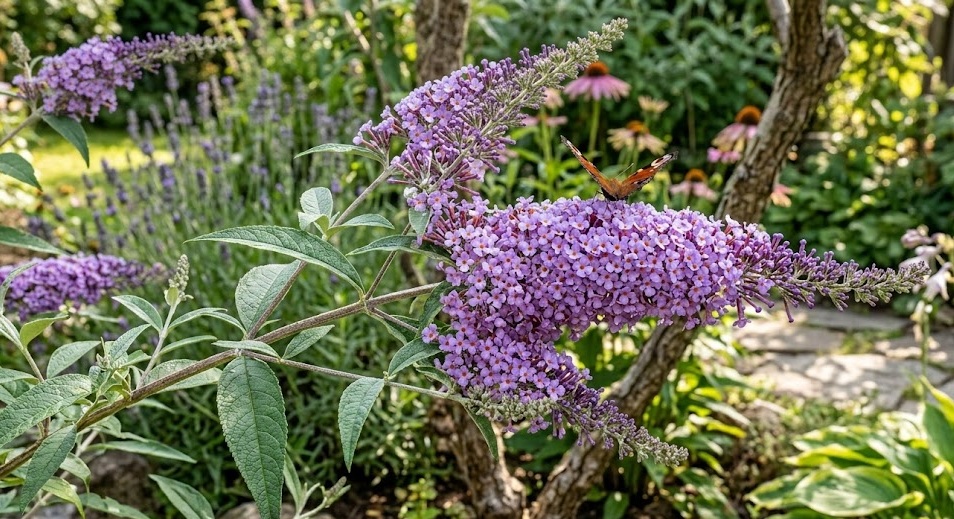

Maintaining a vibrant garden requires understanding the specific needs of each plant species you choose to cultivate. The butterfly bush is a remarkably resilient and rewarding shrub that can anchor a landscape with its long-lasting blooms and sweet fragrance. To ensure it thrives, you must provide a balanced environment that caters to its vigorous growth habits and heavy flowering schedule. Proper care involves a combination of environmental monitoring, physical maintenance, and timely intervention throughout the growing season.
Establishing the ideal environment
Providing the right foundation is the first step in ensuring your butterfly bush grows into a healthy, impressive specimen. These shrubs are known for their rapid growth, which means they require plenty of space to expand without being crowded by neighboring plants. You should observe how the air flows through your garden to prevent stagnant pockets where moisture might linger too long on the leaves. A well-placed bush will reward you with stronger stems and a much higher density of flower spikes during the peak of summer.
Soil quality plays a significant role in the long-term health of the plant, although it is generally quite adaptable. It prefers soil that is rich in organic matter but, most importantly, provides excellent drainage to prevent root issues. If you notice water pooling around the base after a heavy rain, you might need to amend the area with compost or grit to improve the structure. Avoiding heavy clay soils whenever possible will help the root system establish itself quickly and deeply during the first few years.
Temperature and climate fluctuations are also important factors to consider when planning your care routine. While these plants are hardy, they respond best to consistent warmth during their active growing phase in late spring and summer. You should be aware of the local frost dates in your region to manage the transition between seasons effectively. Protecting the base of the plant during unseasonably cold snaps can prevent unnecessary stress on the woody structure of the shrub.
Lastly, the overall aesthetic and functional integration of the bush into your garden design affects how you manage its care. A butterfly bush located at the back of a border might need less frequent aesthetic pruning than one positioned near a walkway. You should consider the proximity to other pollinator-friendly plants to create a cohesive ecosystem that supports local wildlife. By thinking about the plant as part of a larger living system, you can tailor your maintenance tasks to be more efficient and effective.
More articles on this topic
Seasonal maintenance routines
As spring arrives, the primary focus shifts to encouraging new growth and preparing the plant for the upcoming blooming season. You should begin by clearing away any debris or dead leaves that have accumulated around the base over the winter months. This cleanup helps prevent the development of fungal spores and allows the soil to warm up more quickly under the sun. Once the first green shoots appear, it is a clear signal that the plant is ready for its annual cycle to begin in earnest.
During the height of summer, the workload increases as the plant enters its most active flowering period. You will find that keeping a close eye on the hydration levels of the soil is crucial during particularly hot and dry spells. While the bush is drought-tolerant once established, it will produce more significant and frequent blooms if it does not have to struggle for moisture. Regularly checking the foliage for signs of wilting can help you adjust your care schedule before the plant suffers any lasting damage.
The process of deadheading is a vital part of mid-season care that many gardeners sometimes overlook. By removing faded flower spikes, you prevent the plant from putting energy into seed production and instead encourage it to produce new buds. This simple task can significantly extend the flowering season, often providing color well into the early weeks of autumn. It also keeps the shrub looking tidy and prevents the messy appearance of browning seed heads throughout the canopy.
As autumn approaches and growth begins to slow down, you should gradually reduce the intensity of your maintenance tasks. It is important to stop any heavy feeding at this point to allow the wood to harden off before the arrival of winter. You can continue to remove spent flowers, but avoid any major structural pruning that might stimulate tender new growth vulnerable to frost. This transition period is essential for the plant to store the necessary nutrients and energy required to survive the dormant months.
More articles on this topic
Managing growth and space
The vigorous nature of the butterfly bush means that space management is an ongoing concern for any gardener. Because these shrubs can grow several feet in a single season, you must monitor their footprint to ensure they do not overwhelm smaller perennials. Regular thinning of the branches can help maintain a balanced shape and allow light to reach the interior of the plant. This practice not only improves the look of the shrub but also keeps the woody framework strong and capable of supporting heavy blooms.
If you find that your bush is becoming too leggy or sparse at the base, you may need to adjust your approach to structural maintenance. Encouraging branching lower down on the main stems creates a fuller, more attractive silhouette that provides better coverage in the garden. You can achieve this by making strategic cuts that direct growth toward the outer edges of the canopy. Consistency is key, as small adjustments made throughout the year are much easier to manage than a major corrective overhaul.
Root space is another critical aspect of growth management that happens beneath the surface of the soil. The root system of a mature butterfly bush is extensive and competitive, which can make it difficult for nearby shallow-rooted plants to thrive. You should maintain a clear zone around the base of the shrub to minimize competition for water and nutrients. Using a layer of organic mulch can help define this area while providing the added benefit of moisture retention and weed suppression.
In larger landscapes, you might consider how multiple bushes interact with each other and the surrounding structures. Providing enough distance between individual plants ensures that each one can reach its full potential without being shaded out by its neighbors. This spatial awareness also makes it much easier to access the plants for routine care tasks like pruning or inspecting for pests. A well-spaced garden always appears more intentional and professional, highlighting the natural beauty of the butterfly bush.
Nutritional requirements and soil health
Understanding the nutritional needs of your plants is fundamental to a professional gardening approach. The butterfly bush does not require excessive feeding, but it does benefit from a steady supply of essential minerals during its peak growth. A balanced application of organic matter in the spring can provide a slow-release source of nutrients that lasts for several months. You should focus on maintaining a healthy soil biome rather than relying solely on quick-fix synthetic fertilizers.
Soil pH levels can influence how well the plant absorbs the nutrients that are present in the ground. Generally, these shrubs prefer a neutral to slightly alkaline environment, which is common in many residential garden settings. If your soil is particularly acidic, you might notice a yellowing of the leaves or stunted growth despite regular care. Conducting a simple soil test every few years can provide valuable insights into whether you need to add lime or other amendments to balance the chemistry.
The texture of the soil also dictates how effectively the roots can access the resources they need to sustain rapid growth. Sandy soils drain quickly but may lose nutrients faster, requiring more frequent organic additions like compost or well-rotted manure. Conversely, loamy soils provide an ideal balance of drainage and nutrient retention, making them the preferred choice for this species. Regularly aerating the soil around the drip line of the plant can help oxygen reach the roots and improve overall vigor.
Micronutrients, though needed in smaller quantities, are just as important for the long-term vitality of the shrub. Elements like iron, magnesium, and zinc contribute to the deep green color of the foliage and the intensity of the floral pigments. If you observe unusual discolorations or distorted growth patterns, it may be a sign of a specific mineral deficiency. Addressing these issues with targeted soil treatments ensures that your butterfly bush remains a healthy and striking feature in your landscape.
Enhancing floral production
Every gardener wants to maximize the number of blooms on their butterfly bush to attract as many pollinators as possible. The secret to prolific flowering lies in the combination of proper sunlight exposure and strategic physical maintenance. Since flowers are produced on new wood, your goal is to stimulate as much fresh growth as possible during the early part of the season. A plant that is allowed to become too woody and old will inevitably produce fewer and smaller flower spikes.
Monitoring the environmental conditions during the budding phase can help you predict and enhance the quality of the flowers. High humidity and adequate soil moisture during the formation of the buds will result in larger, more vibrant clusters. You should avoid overhead watering when the flowers are open, as the weight of the water can cause the branches to droop or break. Instead, direct your irrigation toward the base of the plant to keep the roots hydrated without damaging the delicate blooms.
The timing of your maintenance tasks can also play a major role in how long the flowering period lasts. By staggered deadheading, you can ensure that the plant always has a mix of open flowers and developing buds. This technique prevents a sudden “gap” in the color palette of your garden and provides a consistent food source for butterflies. Observing the plant daily allows you to catch the flowers just as they begin to fade, which is the perfect time to intervene.
Finally, consider the role of local biodiversity in the health and appearance of your shrub’s flowers. A garden that is buzzing with life is usually a sign of a healthy environment where plants can thrive without excessive chemical interference. Encouraging beneficial insects through diverse plantings creates a natural balance that protects your butterfly bush from stressors. This holistic approach results in a more resilient plant that can dedicate all its energy to producing spectacular floral displays year after year.
Protecting against environmental stress
Environmental stress can manifest in many ways, from heat exhaustion during a drought to physical damage from high winds. Because the butterfly bush has relatively brittle wood, it can be susceptible to breaking during summer storms or heavy gusts. You should consider the wind patterns in your yard when choosing a permanent location for the shrub. Providing some level of protection, such as a nearby fence or a sturdier row of evergreens, can act as a windbreak and prevent structural damage.
Heat stress is another common issue, especially for plants that are situated against south-facing walls or on paved areas. During extreme heatwaves, the reflective heat from these surfaces can scorch the leaves and cause the flowers to wilt prematurely. You can mitigate this by providing extra hydration and ensuring there is a thick layer of mulch to keep the root zone cool. If the plant shows signs of severe stress, temporary shading during the hottest part of the afternoon might be necessary.
Cold stress is primarily a concern for young plants or those grown in regions that are at the edge of their hardiness zone. While mature bushes can often recover from a hard freeze, younger specimens may suffer significant dieback if not properly protected. You should monitor the weather forecasts closely during late autumn and early spring when unexpected frosts are most likely to occur. Using frost blankets or extra layers of straw around the base can provide the insulation needed to survive these critical periods.
Urban environments present their own set of challenges, including air pollution and limited soil volume in smaller yards. The butterfly bush is surprisingly tolerant of urban conditions, but it still requires some extra attention to thrive in these settings. Regularly rinsing the dust off the leaves can improve photosynthesis and keep the plant looking fresh and healthy. By being proactive and observant, you can help your plant overcome the various stresses of its environment and maintain its professional appearance.
Longevity and rejuvenation
A butterfly bush is generally considered a short-lived perennial or shrub, typically lasting between ten and twenty years in a garden. To ensure it remains a productive part of your landscape for as long as possible, you must focus on regular rejuvenation. This involves removing older, unproductive wood every few years to make room for vigorous new shoots. A plant that is never thinned will eventually become a tangled mess of dead branches and sparse foliage.
You can tell when a bush is starting to decline if its growth slows down significantly and the flower spikes become noticeably smaller. When this happens, a more aggressive approach to maintenance might be required to spark new life into the plant. Cutting the entire shrub back close to the ground in late winter is a standard practice that often results in a completely refreshed specimen by mid-summer. This “hard reset” is one of the best ways to extend the functional life of the shrub in your garden.
Monitoring the health of the main trunk and the crown is also essential for long-term success. Over time, the center of the plant can become overly woody and may even begin to rot if moisture is trapped within the dense branch structure. Ensuring good air circulation and keeping the crown clear of debris will help prevent these issues from developing. A healthy, open center allows sunlight to reach the base, which encourages the growth of the new shoots that will eventually replace the older ones.
Ultimately, the goal of a professional gardener is to work with the natural lifecycle of the plant rather than against it. By accepting that the butterfly bush is a fast-growing and relatively short-lived species, you can plan for its eventual replacement or propagation. This forward-thinking approach ensures that your garden remains dynamic and beautiful, with healthy plants always ready to take the place of those that have reached the end of their peak years. Taking pride in this cycle of growth and renewal is what makes gardening such a rewarding and professional endeavor.