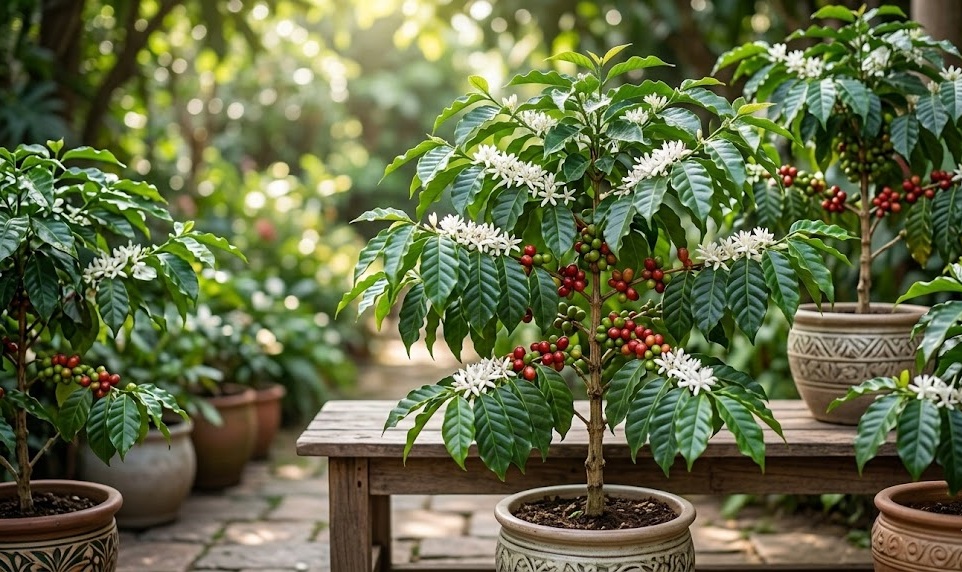

Cultivating a thriving coffee plant requires a deep understanding of its tropical origins and specific biological needs within a controlled environment. These plants are known for their glossy green foliage and delicate white flowers that eventually give way to the cherries we harvest for beans. To achieve a professional standard of growth, one must balance environmental factors with consistent maintenance routines throughout the year. Success in this area provides not only a beautiful ornamental display but also a profound insight into the complexity of agricultural science.
General characteristics and growth habit
The natural growth of these evergreen shrubs is characterized by a distinctive tiered branching pattern that creates a full and lush silhouette. In their native habitats, they can reach significant heights, though indoor cultivation usually keeps them at a manageable size through pruning. The leaves are the primary indicator of health, featuring a deep emerald hue and a characteristic wavy margin that catches the light. Understanding these physical traits helps a grower identify when the plant is performing at its physiological peak.
Maintaining the structural integrity of the plant involves monitoring the density of the foliage and the strength of the central stem. Mature specimens will eventually develop a woody bark which provides the necessary support for the weight of the developing cherries. You should observe the spacing between the leaf nodes to determine if the plant is receiving adequate energy for its metabolic processes. Proper growth habit is a reflection of the overall harmony between the plant and its immediate surroundings.
Environmental stressors often manifest first in the newest growth at the tips of the branches, making regular inspection a necessity for any serious gardener. When the plant is thriving, you will notice a consistent production of new leaves that emerge in a lighter green shade before darkening. This cycle of renewal is essential for maintaining the photosynthetic capacity required for eventual flowering and fruiting. A professional approach treats every leaf as a vital component of the plant’s solar energy collection system.
Long-term care strategies should always account for the slow but steady maturation of the root system beneath the soil surface. While the visible parts of the plant are often the focus, the hidden architecture of the roots dictates the longevity of the specimen. Providing enough space for expansion without over-potting is a delicate balance that requires careful observation and timing. By respecting the natural pace of the plant, you ensure a healthy and resilient addition to your collection.
More articles on this topic
Substrate selection and root health
The foundation of any successful coffee cultivation project lies in the physical and chemical properties of the growing medium used. These plants prefer a substrate that offers high porosity while maintaining a slightly acidic pH level between six and six and a half. A professional mix often includes a combination of peat moss, perlite, and high-quality compost to ensure both drainage and nutrient retention. This balance prevents the roots from sitting in stagnant water which can lead to rapid decline and disease.
Root health is directly tied to the oxygen levels available within the soil structure, making the choice of aggregates highly significant. Using coarse materials like bark or lava rock can help maintain the necessary air pockets even after repeated watering cycles. You should avoid heavy clay-based soils that compact easily and restrict the movement of gasses around the delicate root hairs. A well-structured medium allows the plant to establish a robust network that can efficiently transport minerals to the upper canopy.
Regular monitoring of the soil’s condition is necessary to prevent the accumulation of mineral salts from water and fertilizers. Over time, the structure of the substrate can break down, leading to a loss of aeration and a decrease in the overall drainage capacity. You might notice the soil staying wet for longer periods, which is a clear signal that the medium needs to be refreshed or amended. Professionals often choose to replace the top layer of soil annually to maintain a healthy environment for the surface roots.
When selecting a container, the material can influence the moisture levels and temperature of the root zone significantly. Porous materials like terracotta allow for better gas exchange but may require more frequent watering than plastic or glazed ceramic options. You must ensure that any pot used has multiple drainage holes to facilitate the exit of excess moisture after irrigation. Balancing the container type with your specific substrate choice is a hallmark of expert horticultural practice.
More articles on this topic
Creating a stable microclimate
Consistency is the most important factor when managing the microclimate surrounding a coffee plant, as sudden fluctuations can cause leaf drop. These plants thrive in temperatures that mimic a tropical highland environment, ideally staying between eighteen and twenty-four degrees Celsius. You should avoid placing the plant near cold drafts from windows or direct heat sources like radiators that can dry out the foliage. Achieving a stable thermal environment allows the plant to focus its energy on growth rather than recovering from temperature shocks.
Humidity plays a vital role in the transpiration process and the overall luster of the glossy leaves. In many indoor environments, the air is naturally too dry, necessitating the use of humidifiers or gravel trays filled with water. You should aim for a relative humidity level of at least fifty percent to prevent the edges of the leaves from browning. Misting can provide a temporary boost, but it is not a substitute for a consistently humid atmosphere.
Air circulation is often overlooked but is essential for preventing the buildup of pathogens and encouraging strong stem development. A gentle movement of air helps to strengthen the plant’s tissues and ensures that moisture does not sit on the leaves for too long. However, you must be careful not to subject the plant to strong winds or constant high-velocity air from fans. A professional setup uses subtle ventilation to keep the environment fresh and dynamic without causing mechanical stress to the plant.
Seasonal changes in the external environment will inevitably affect the indoor microclimate, requiring proactive adjustments from the grower. During the summer months, you may need to increase the frequency of cooling measures or move the plant further from glass surfaces. In contrast, winter requires careful monitoring of heating systems to ensure the air does not become lethally dry. By staying ahead of these shifts, you maintain a protective cocoon that allows the plant to flourish year-round.
Moisture management and humidity
Watering is perhaps the most frequent task in coffee care, yet it is often the most misunderstood aspect of the process. The goal is to keep the soil consistently moist but never waterlogged, which requires a tactile approach to monitoring the substrate. You should check the moisture levels daily by feeling the top inch of the soil to determine if irrigation is necessary. Professionals use filtered or rainwater whenever possible to avoid the buildup of chlorine and fluoride found in many municipal supplies.
The technique used for watering can have a significant impact on the health of the foliage and the efficiency of the roots. Applying water directly to the soil surface until it drains freely from the bottom ensures that the entire root ball is saturated. You should avoid getting water on the leaves during the heat of the day to prevent potential fungal issues or sun scalding. Emptying the drainage saucer immediately after watering prevents the bottom roots from being submerged in standing water.
Humidity levels directly influence how quickly the plant uses the water available in the soil through the process of transpiration. When the air is humid, the plant transpires less, which can lead to slower drying times for the substrate. You must adjust your watering frequency based on the ambient humidity to ensure you are not overwatering during damp periods. Understanding this relationship allows you to fine-tune your care routine to the specific needs of the individual specimen.
Observation of the plant’s physical response is the best guide for perfecting your moisture management strategy. A slight drooping of the leaves can be an early sign of thirst, though you should aim to water just before this occurs. Conversely, yellowing lower leaves or a soft stem can indicate that the roots are suffering from too much water. Mastery of this balance comes with time and a close attention to the subtle cues provided by the plant itself.
Nutrient delivery and fertilization
Feeding the coffee plant is essential for supporting the intense metabolic demands of producing its characteristic dense foliage. During the active growing season, which spans from early spring to late autumn, a regular fertilization schedule should be implemented. You should use a balanced, water-soluble fertilizer that contains a full spectrum of micronutrients to ensure comprehensive health. A professional tip is to dilute the fertilizer to half strength to provide a steady supply of nutrients without risking root burn.
Nitrogen is the primary element responsible for the vibrant green color and rapid leaf development seen in healthy specimens. However, phosphorus and potassium are equally important for the development of a strong root system and the eventual production of flowers. You must ensure that the fertilizer you choose is formulated for acid-loving plants to maintain the correct soil chemistry. Applying nutrients to damp soil rather than dry soil helps to protect the delicate root hairs from chemical stress.
The frequency of fertilization should be reduced significantly during the winter months when the plant’s growth slows down naturally. Over-fertilizing during a period of dormancy can lead to a toxic buildup of salts in the substrate which can damage the plant. You should always follow the manufacturer’s instructions but remain flexible enough to adjust based on the plant’s visible growth rate. A professional grower views fertilization as a supplement to, not a replacement for, high-quality soil and proper light.
Trace elements like iron, magnesium, and zinc are required in very small amounts but are critical for preventing chlorosis and other deficiency symptoms. If you notice the veins of the leaves staying green while the rest of the tissue turns yellow, an iron supplement may be necessary. Using a seaweed-based tonic once a month can provide these essential minerals in a highly bioavailable form. Keeping a log of your fertilization efforts will help you identify which products and schedules yield the best results for your plant.
Light exposure and positioning
Finding the right location for your coffee plant involves balancing its need for high light levels with its sensitivity to direct afternoon sun. In their native environments, these plants often grow as understory specimens, receiving dappled or filtered light throughout the day. You should aim to place the plant near a bright window, preferably one that faces east or has a sheer curtain to soften the rays. Proper light exposure is the driving force behind photosynthesis and the plant’s ability to produce energy for growth.
If the light is too intense, you will notice the leaves becoming pale or developing brown, crispy patches known as sun scorch. On the other hand, insufficient light will result in leggy growth with large gaps between the leaves and a general lack of vigor. You should rotate the pot a quarter turn every week to ensure that all sides of the plant receive equal exposure. This simple practice prevents the plant from leaning toward the light source and maintains a symmetrical shape.
The intensity of light changes with the seasons, meaning the ideal spot in the winter might be too bright during the peak of summer. You must be prepared to move the plant or adjust your window treatments to accommodate these natural shifts in solar radiation. Monitoring the distance between the plant and the glass is also important, as windows can act as conductors for both heat and cold. A professional approach involves using a light meter to precisely measure the foot-candles or lux available in different parts of the room.
Artificial lighting can be a valuable tool for growers who live in northern latitudes or have limited natural window space. Full-spectrum LED grow lights can provide the necessary wavelengths for healthy growth without generating excessive heat that could dry out the plant. You should set these lights on a timer to provide approximately twelve to fourteen hours of consistent illumination per day. Using technology to supplement nature ensures that your coffee plant remains productive and healthy regardless of the weather outside.
Advanced care for mature plants
As a coffee plant ages, it requires more sophisticated management to maintain its productivity and ornamental value. Mature specimens may begin to flower after three to four years of consistent care, producing clusters of jasmine-scented white blossoms. You should provide slightly more phosphorus during the flowering stage to support the development of these delicate structures. Pollination can be assisted indoors by gently shaking the branches or using a small brush to move pollen between flowers.
The transition from flower to fruit is a long process that can take up to nine months depending on the environmental conditions. During this time, the plant will divert a significant amount of energy into the developing cherries, which turn from green to deep red. You must maintain perfect watering and feeding routines to ensure that the plant does not abort the fruit due to stress. Seeing the entire lifecycle from bloom to harvest is the ultimate reward for a dedicated horticulturalist.
Repotting mature plants becomes a major task that should only be undertaken when the plant is truly root-bound. You should choose a new container that is only one or two sizes larger than the current one to avoid the dangers of excess soil moisture. Trimming the roots slightly during the repotting process can help to stimulate new growth and keep the plant at a manageable size. This is also an excellent opportunity to inspect the core of the root ball for any hidden issues or pests.
Maintaining the health of a large coffee plant also involves regular cleaning of the foliage to remove dust and potential pests. Dust can block the stomata and reduce the efficiency of photosynthesis, so wiping the leaves with a damp cloth is highly beneficial. You should also take the time to remove any dead or dying material from the interior of the plant to improve airflow. Treating your mature coffee plant with this level of detail ensures that it will remain a centerpiece of your collection for many years.