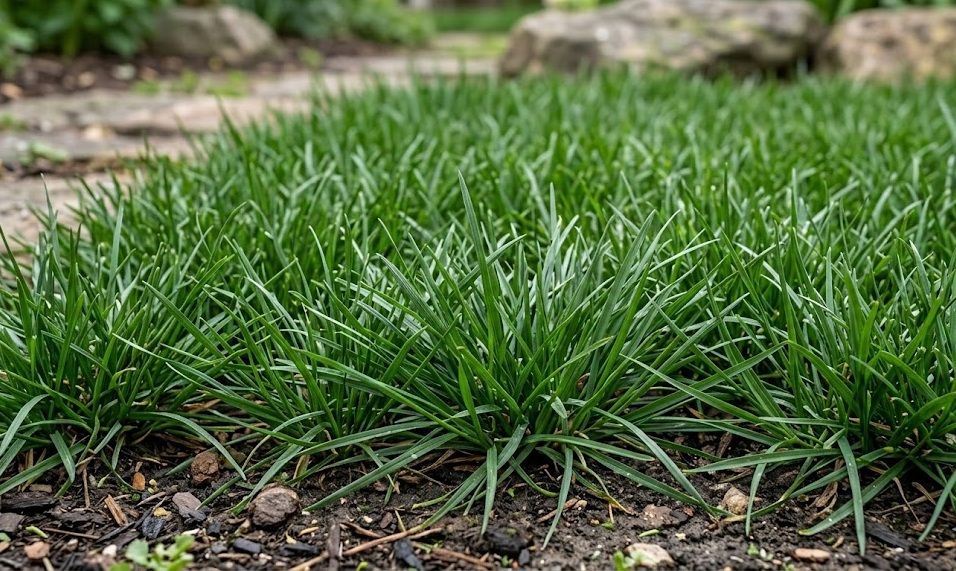

Maintaining a healthy lawn requires a deep understanding of the specific needs of the grass species you have chosen for your landscape. Tall fescue is a remarkably resilient cool-season grass that has gained immense popularity due to its deep root system and ability to withstand various environmental stressors. Providing the right care involves a balance of cultural practices that promote thick growth and prevent common issues like thinning or weed invasion. By following a structured maintenance routine, you can ensure that your turf remains vibrant and functional throughout the growing season.
Soil preparation and fundamental needs
The success of your turf starts long before the first seed is even planted or the first blade of grass is mown. Soil testing is a critical first step because it reveals the nutritional status and pH levels of your growing medium, which should ideally be between six and seven. If the soil is too acidic or alkaline, the grass will struggle to uptake essential nutrients regardless of how much fertilizer you apply. Compaction is another common enemy, so ensuring that the soil is well-aerated allows roots to penetrate deep into the earth for better stability.
Understanding the growth cycle of this specific species is essential for timing your maintenance tasks effectively throughout the year. As a cool-season variety, it experiences its most significant growth spurts during the mild temperatures of spring and autumn. During these windows, the plant focuses on developing a robust root architecture that will sustain it during the harsh summer heat. If you neglect care during these peak periods, the lawn will be much more vulnerable to drought and heat exhaustion later on.
Aeration should be performed at least once a year, preferably in the autumn, to combat the natural settling of the soil. Using a core aerator removes small plugs of soil, which creates channels for oxygen, water, and nutrients to reach the root zone directly. This process also helps break up thatch, which is the layer of organic debris that can build up between the soil surface and the green vegetation. A thick thatch layer can harbor pests and prevent moisture from reaching the roots, leading to a decline in overall health.
Proper drainage is equally important to prevent the roots from sitting in waterlogged soil for extended periods. While this grass is quite hardy, constant saturation can lead to root rot and provide a breeding ground for various fungal pathogens. You should inspect your lawn after heavy rainfall to identify any low spots where water tends to pool and take corrective action if necessary. Grading the soil or installing drainage solutions can make a significant difference in the long-term viability of your garden’s green spaces.
More articles on this topic
Mowing techniques for optimal health
Mowing is perhaps the most frequent task you will perform, and doing it correctly is vital for the longevity of the plants. You should always maintain a higher cutting height for this species, typically between three and four inches, to encourage deeper root growth. Taller grass provides shade to the soil surface, which reduces moisture evaporation and prevents weed seeds from receiving the light they need to germinate. If you cut the grass too short, you stress the plant and make it much more susceptible to heat damage and disease.
The frequency of your mowing should be determined by the growth rate of the grass rather than a fixed calendar schedule. A professional rule of thumb is the one-third rule, which states that you should never remove more than one-third of the grass blade in a single session. Removing too much at once shocks the plant and forces it to divert energy away from root development to repair the damaged foliage. During peak growth periods, you may need to mow every five to seven days to stay within this healthy limit.
Maintaining sharp mower blades is a non-negotiable requirement for professional-level lawn care in any agricultural or domestic setting. Dull blades tear the grass instead of cutting it cleanly, leaving jagged edges that turn brown and provide entry points for pathogens. You can easily spot the damage from dull blades by looking for a white or frayed appearance at the tips of the grass blades after mowing. Sharpening your blades at least twice a season will result in a much cleaner look and a healthier, more resilient turf.
Leaving grass clippings on the lawn, a practice known as grasscycling, is highly beneficial for the nutrient cycle of your soil. These clippings decompose quickly and return valuable nitrogen and organic matter back to the earth, reducing the need for synthetic fertilizers. As long as you are mowing frequently enough that the clippings are small, they will not contribute to thatch buildup or smother the living grass. This simple habit saves time and money while improving the overall texture and fertility of the landscape.
More articles on this topic
Seasonal management strategies
Each season brings unique challenges that require you to adapt your maintenance approach to match the environmental conditions. In the spring, your focus should be on cleaning up winter debris and preparing the grass for the upcoming surge in growth. This is the ideal time to apply a light fertilizer and address any bare spots that may have developed over the colder months. You must be careful not to over-stimulate growth too early, as a late frost could damage the tender new shoots.
Summer care is primarily about stress management and ensuring the survival of the turf through periods of high heat and potential drought. You should avoid heavy fertilization or aggressive aeration during the hottest months, as the grass is often in a semi-dormant state to conserve energy. Increasing the mowing height slightly during this time provides extra shade for the root zone and helps the soil retain its precious moisture. Monitoring for signs of wilt or discoloration will allow you to adjust your irrigation before permanent damage occurs.
Autumn is arguably the most important season for rehabilitating the lawn and preparing it for the challenges of the coming year. This is the window for core aeration, overseeding, and applying a high-quality fertilizer that promotes root strength rather than top growth. By filling in thin areas with fresh seed, you increase the density of the lawn, which naturally crowds out weeds and improves the aesthetic appeal. The cooler temperatures and consistent rainfall typical of this season provide the perfect environment for new seedlings to establish themselves.
Winter care involves minimal direct action but requires you to protect the dormant grass from physical damage. You should avoid walking on the lawn when it is frozen, as the brittle blades can break and the crown of the plant can be crushed. Keeping the area clear of heavy objects, such as fallen leaves or garden furniture, prevents the grass from being smothered and rotting underneath. While the grass is not actively growing, the roots are still alive and require a stable, undisturbed environment to survive until spring.
Weed control and prevention
A thick and healthy lawn is the best natural defense against the encroachment of unwanted weeds and invasive species. When the grass is dense, there is simply no space or light available for weed seeds to take hold and compete for resources. Cultural practices such as proper mowing height and adequate fertilization are your primary tools for maintaining this competitive advantage. If you notice weeds beginning to appear, it is often a sign that the grass is under stress or the soil conditions are suboptimal.
Pre-emergent herbicides can be used in the early spring to prevent the germination of common annual weeds like crabgrass. These products create a chemical barrier in the upper layer of the soil that stops seedlings before they can emerge above the surface. Timing is critical for these applications, as they must be applied before the soil temperature reaches a certain threshold. You must also remember that pre-emergents will prevent your desired grass seeds from growing, so do not use them if you plan to overseed.
For weeds that have already established themselves, spot treatment with post-emergent herbicides may be necessary to regain control of the area. It is always better to target specific weeds rather than applying chemicals to the entire lawn, as this minimizes environmental impact and reduces stress on the grass. Identifying the specific type of weed is crucial, as broadleaf weeds require different treatments than grassy weeds. Always follow the manufacturer’s instructions carefully to avoid damaging the surrounding vegetation or harming local wildlife.
Manual weeding remains a viable and environmentally friendly option for small gardens or localized infestations. Using a dedicated weeding tool allows you to remove the entire root system, which is essential for perennial weeds that can regrow from small fragments. This method is most effective when the soil is moist, as the roots will slide out much more easily without breaking. Regular inspections of your green spaces will allow you to catch problems early before they have a chance to spread across the entire property.
Nutrient management and soil health
Fertilization provides the essential building blocks that allow the grass to produce energy and build strong cell walls. Nitrogen is the most important nutrient for leafy green growth, but it must be applied in the correct amounts to avoid burning the plants. A slow-release fertilizer is often preferred because it provides a steady supply of nutrients over several weeks rather than a sudden spike. This consistency leads to more uniform growth and a more stable internal chemistry for the individual grass plants.
Phosphorus and potassium are the other two primary components of a complete fertilizer and serve different but equally important roles. Phosphorus is vital for early root development and is especially important when you are establishing a new lawn or overseeding existing areas. Potassium helps the plant regulate its internal water balance and improves its overall resistance to disease and extreme temperatures. By choosing a fertilizer with the right balance of these three elements, you support the holistic health of the entire turf system.
Organic fertilizers and soil amendments offer a long-term approach to building soil fertility and improving structure. Materials like compost or seaweed extract add beneficial microbes and micronutrients that are often missing from synthetic products. These organic options improve the soil’s ability to hold water and nutrients, creating a more self-sustaining environment over time. While they may work more slowly than chemical fertilizers, the results are often more durable and better for the local ecosystem.
Over-fertilization is a common mistake that can lead to excessive top growth at the expense of root health and environmental safety. Excess nitrogen can leach into the groundwater or runoff into local streams, causing pollution and harmful algal blooms. It also makes the grass more succulent and attractive to certain pests and fungal diseases that thrive on rapid, weak growth. Always follow the recommended application rates based on your soil test results to achieve the best balance for your specific conditions.
Dealing with environmental stress
Tall fescue is known for its drought tolerance, but even this hardy species has its limits during prolonged dry spells. When the plant experiences moisture stress, the blades may roll upward or take on a bluish-gray tint as a defensive mechanism. This is a clear signal that the lawn requires deep irrigation to replenish the moisture in the root zone. Providing water early in the morning allows the foliage to dry before nightfall, which is a key step in preventing fungal outbreaks.
Heat stress often goes hand in hand with drought and can cause the grass to enter a state of dormancy to survive. During these periods, the grass may turn brown and stop growing, which is a natural survival strategy and not necessarily a sign of death. You should avoid any activities that further stress the lawn, such as heavy foot traffic or the application of chemicals, until temperatures drop. Once the conditions improve and moisture returns, the grass will typically green up and resume its normal growth pattern.
Compacted soil prevents the roots from accessing the air and water they need, making the lawn much more susceptible to all forms of stress. In high-traffic areas, the soil particles are pressed together, closing the pore spaces that are essential for a healthy underground ecosystem. Regular aeration is the most effective way to alleviate this compaction and restore the vital flow of resources. You might also consider creating designated paths or using stepping stones to direct traffic away from sensitive areas of the lawn.
Shade is another environmental factor that can challenge the growth of even the most adaptable grass varieties. While this species can handle moderate shade better than many other cool-season grasses, it still requires at least four to six hours of sunlight to thrive. In heavily shaded areas, you may need to thin out tree canopies to allow more light to reach the ground level. Alternatively, adjusting your maintenance by mowing higher and reducing fertilizer in the shade can help the grass cope with the lower light levels.
Professional equipment and long-term goals
Investing in high-quality tools will make your maintenance tasks easier and lead to much better results for your landscape. A reliable spreader ensures that fertilizers and seeds are distributed evenly, preventing the striped or patchy appearance caused by uneven application. You should also have a sturdy rake for clearing debris and a dedicated tool for edging the borders of your lawn. Keeping your equipment clean and well-maintained prevents the spread of diseases and ensures that every task is performed with precision.
Developing a long-term vision for your garden or agricultural area allows you to make better decisions in the short term. Instead of looking for quick fixes, focus on building a resilient system that can withstand the unpredictable nature of the climate. This might involve gradually improving the soil quality or transitioning to more sustainable management practices over several years. A patient and consistent approach will eventually reward you with a beautiful, durable green space that requires less intensive intervention.
Professional landscaping is as much about observation as it is about physical labor and chemical applications. Spending time walking your lawn and looking closely at the grass will help you spot early signs of trouble before they become major problems. You will begin to recognize the subtle changes in color or texture that indicate a need for water, nutrients, or pest control. This intuitive understanding of your environment is what separates a casual gardener from a true expert in turf management.
Success in caring for this robust grass species comes down to consistency and a respect for the natural biological processes of the plant. By aligning your actions with the seasonal needs of the turf, you create an environment where the grass can truly flourish. Whether you are managing a small backyard or a large professional field, the principles of deep roots and healthy soil remain the same. With the right knowledge and a bit of effort, you can enjoy a lush, professional-quality lawn for many years to come.