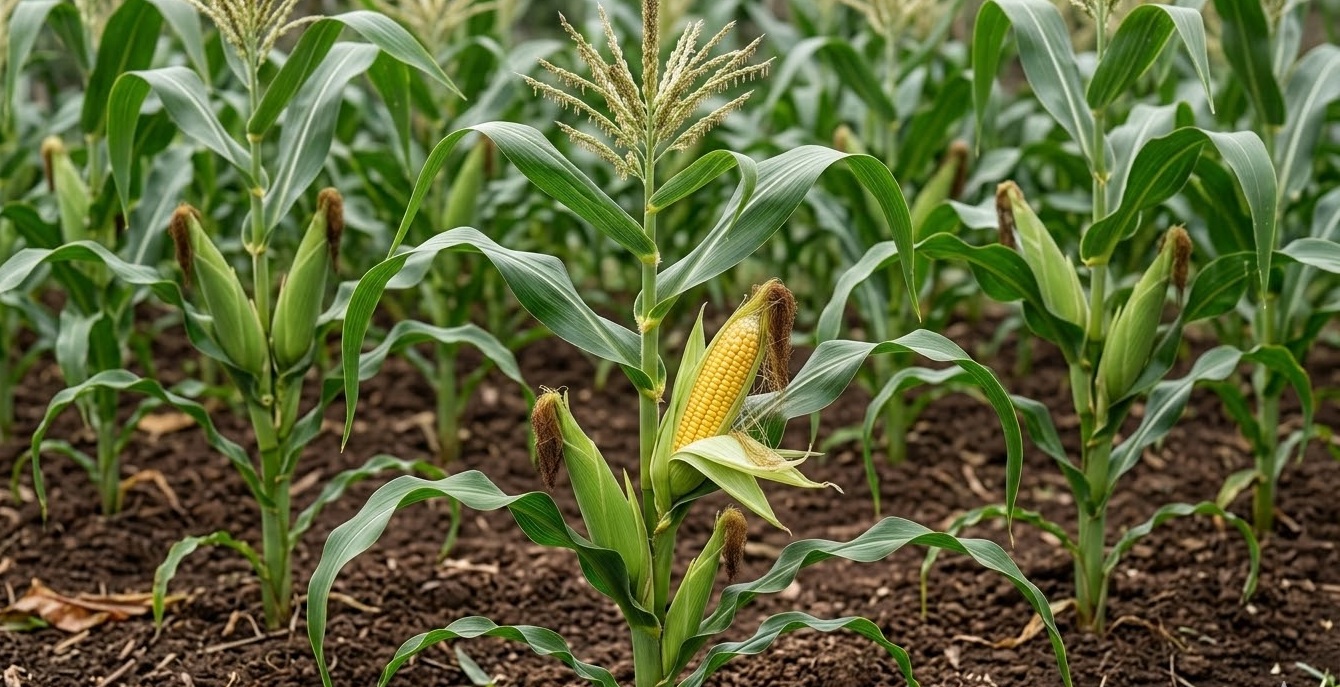

Managing sweet corn successfully requires a deep understanding of its physiological needs throughout the entire growing season. You must pay close attention to the soil environment and the nutrient availability to ensure the ears develop their characteristic sweetness. A professional approach involves constant monitoring of weather patterns and plant responses to avoid any growth setbacks. By implementing a systematic care routine, you can maximize both the quality and the quantity of your harvest.
Soil maintenance and cultivation
The foundation of healthy corn begins with maintaining a loose and well-aerated soil structure throughout the growth period. You should perform shallow cultivation around the base of the plants to break up any soil crust that forms after heavy rains. This process ensures that oxygen reaches the root system, which is vital for the intensive metabolic processes of the plant. Be careful not to go too deep with your tools, as the root system of sweet corn is surprisingly shallow and easily damaged.
Weed competition is one of the most significant threats to a productive sweet corn patch during the early stages. You need to keep the area clean of invasive plants that compete for the same nitrogen and water resources. Once the corn reaches a certain height, it will naturally shade out many smaller weeds, providing a self-sustaining canopy. Until that point, manual hoeing or the careful application of organic mulch can be highly effective strategies for suppression.
Mulching provides multiple benefits beyond just weed control for your sweet corn crops. By applying a thick layer of straw or dried grass clippings, you can significantly reduce the rate of soil moisture evaporation. This layer also acts as a temperature regulator, keeping the roots cooler during the intense heat of mid-summer. Over time, the decomposition of organic mulch contributes to the humus content of the soil, improving its overall fertility.
Observing the physical appearance of the leaves can provide immediate feedback on the success of your soil management. If the foliage appears vibrant and dark green, it indicates that the roots are successfully accessing the necessary minerals. Yellowing of the lower leaves often suggests a need for better aeration or a potential nutrient lockout caused by soil compaction. Addressing these issues early prevents permanent stunting and ensures the plants stay on track for a timely harvest.
More articles on this topic
Nutrient management strategies
Sweet corn is known in the agricultural community as a heavy feeder that requires a consistent supply of nitrogen. You should divide your nutrient applications into several stages to match the plant’s specific growth cycles. The first major boost is typically needed when the plants reach about knee-height, as this is when rapid vegetative growth begins. Using a high-quality organic fertilizer or a balanced synthetic mix will provide the fuel necessary for robust stalk development.
The second critical window for fertilization occurs just before the tasseling stage begins. This is the moment when the plant shifts its energy from leaf production to reproductive development and ear formation. Providing a potassium-rich supplement at this stage can help improve the sugar transport mechanisms within the plant. This directly impacts the final flavor profile and the plumpness of the kernels you intend to harvest later.
Micro-nutrients also play a subtle but vital role in the overall health of your sweet corn plantation. Elements like zinc and magnesium are essential for chlorophyll production and efficient photosynthesis in large-leaved crops. If you notice interveinal chlorosis, it might be time to apply a foliar spray to bypass soil-related uptake issues. Professional growers often use soil tests to pinpoint these specific deficiencies before they become visible problems in the field.
Consistency is the most important factor when applying any type of soil amendment to your garden. Sudden spikes in nutrient levels can cause “burn” or lead to rapid, weak growth that is susceptible to wind damage. It is much better to provide smaller, more frequent doses than one massive application that might wash away. Always water the area thoroughly after fertilizing to help the nutrients migrate down to the active root zone.
More articles on this topic
Supporting pollination and ear development
Pollination is perhaps the most delicate phase in the lifecycle of sweet corn and requires your indirect support. Since corn is wind-pollinated, the arrangement of your plants plays a much bigger role than the presence of insects. You should always grow corn in blocks rather than single long rows to ensure the pollen reaches the silks effectively. Without proper pollination, the ears will have missing kernels, which significantly reduces the quality of the final product.
During the period when the silks are visible, it is crucial to avoid any overhead irrigation that might wash away the pollen. High humidity or extreme heat during this window can also reduce the viability of the pollen grains. You can assist the process by gently shaking the stalks on calm mornings to release the pollen into the air. This manual intervention can be particularly helpful in smaller garden patches where wind flow might be obstructed by fences or buildings.
Once the silks begin to turn brown and dry, the plant focuses entirely on filling the kernels with sugars and starch. You must ensure that the plants do not experience any water stress during this kernel-filling stage. Any interruption in the moisture supply can lead to “tip blanking,” where the end of the cob fails to develop fully. Keeping the soil consistently moist during this three-week window is the secret to professional-grade sweet corn.
Protecting the developing ears from external damage is another aspect of high-level care you should consider. Birds and small mammals are often attracted to the ripening corn and can destroy a crop in just a few days. Using physical barriers or light netting can deter these visitors without harming the plants themselves. Regularly checking the firmness of the ears will help you determine the exact moment when the corn is ready for the kitchen.
Environmental stress mitigation
Extreme heat can be a major challenge for sweet corn, especially when temperatures consistently rise above thirty degrees. You can help the plants cope by ensuring they have deep moisture reserves in the soil before the heatwave hits. Morning watering is always preferable as it allows the foliage to dry while providing the roots with a full reservoir for the day. Stressed corn leaves will often curl inward as a defensive mechanism to reduce water loss through transpiration.
Wind protection is another factor that professional growers must account for when managing tall corn varieties. The heavy tops of the corn stalks make them prone to “lodging,” which is when the plants are blown over by strong gusts. You can prevent this by hilling up the soil around the base of the stalks to provide better physical support. In very exposed areas, planting a taller windbreak or using support wires might be necessary for the tallest sweet corn hybrids.
Late-season frosts can be devastating if you have planted a variety with a long growing season. You should keep a close eye on the local weather forecast as the autumn months approach. If a frost is predicted, covering the plants with a specialized garden fabric can offer a few degrees of protection. This extra effort can often buy you the few days needed for the ears to reach full maturity and peak sweetness.
Soil pH balance is an environmental factor that is often overlooked but deeply affects plant health. Sweet corn prefers a slightly acidic to neutral environment, typically between six and seven on the pH scale. If the soil becomes too alkaline, the plant will struggle to absorb phosphorus and iron, regardless of how much you fertilize. Periodically testing and adjusting the soil with sulfur or lime will keep the growing environment optimal for years to come.
Integrated weed management
A professional approach to weed control involves a combination of mechanical, cultural, and biological methods. You should start with a clean bed long before the first seeds are even placed in the ground. Using the “stale seedbed” technique, where you allow weeds to germinate and then kill them before sowing corn, is highly effective. This reduces the overall weed seed bank in the top layer of the soil for the remainder of the season.
Cover cropping is a fantastic way to manage weeds in the “off-season” while also improving soil structure for your corn. Planting a winter rye or clover crop prevents bare soil from being colonized by aggressive perennial weeds. When you turn these crops into the soil in the spring, they provide a boost of organic matter. This natural cycle reduces the need for chemical herbicides and promotes a more balanced ecosystem in your garden.
The spacing of your corn plants also acts as a natural form of weed suppression through canopy closure. When you plant at the correct density, the large leaves of the corn eventually overlap, cutting off sunlight to the ground below. This creates a micro-climate that is too dark for most weed species to survive or thrive. It is a biological solution that saves you hours of manual labor as the season progresses into the mid-summer months.
If you decide to use organic mulches for weed control, ensure they are free of their own weed seeds. Using poorly composted manure or low-quality hay can actually introduce new problems into your corn patch. Pine bark or clean straw are much safer choices that provide excellent coverage without the risk of infestation. Maintaining a clean perimeter around your corn block also prevents weeds from creeping in from the edges.
Water conservation and efficiency
Efficient water use is not only environmentally responsible but also leads to better sweet corn quality. You should aim for a deep soaking that reaches at least twenty centimeters into the soil profile. Frequent shallow watering encourages a weak, surface-level root system that cannot withstand dry spells. By watering deeply and less often, you force the roots to grow downward, creating a more resilient and stable plant.
Drip irrigation is widely considered the gold standard for watering sweet corn in a professional setting. This system delivers water directly to the base of each plant, minimizing waste and keeping the foliage dry. Dry leaves are much less susceptible to fungal diseases like rust or leaf blight, which thrive in damp conditions. It also allows you to automate the process, ensuring the plants receive a consistent amount of moisture regardless of your schedule.
Monitoring the soil moisture level is a task that you can perform with a simple moisture meter or by hand. You should check the moisture about ten centimeters below the surface to see if it feels cool and damp. If the soil at that depth is dry and crumbly, it is definitely time to turn on the irrigation system. During the peak of summer, a large corn plant can transpire a surprising amount of water in a single afternoon.
Rainwater harvesting is an excellent way to provide your sweet corn with high-quality, chlorine-free water. Setting up a series of barrels to collect runoff from a shed or house roof can provide a significant backup supply. Plants often respond better to natural rainwater as it typically has a more favorable pH than treated tap water. It is a cost-effective and sustainable way to ensure your garden remains productive even during local water restrictions.
Harvesting and post-care
Knowing exactly when to harvest is the final and most rewarding step in the care of sweet corn. You should check the ears when the silks have turned completely dark brown but before they become brittle. Gently peel back a small portion of the husk and pierce a kernel with your fingernail to check the liquid inside. If the liquid is clear, it is too early; if it is milky, the corn is at its absolute peak of flavor.
The timing of the harvest during the day also makes a measurable difference in the sweetness of the kernels. You should pick your corn in the early morning hours when the sugar content is at its highest and the ears are cool. As soon as the sun hits the plants, the corn begins to convert those sugars into starches, reducing the quality. Professional growers often have their harvest in the cooler or on the table within minutes of removal from the stalk.
After the harvest is complete, you are left with a significant amount of biomass in the form of stalks and leaves. You can chop this material up and add it to your compost pile to recycle the nutrients for next year. Alternatively, if the plants were disease-free, you can leave them on the surface to act as a winter mulch for the soil. This prevents erosion and provides a habitat for beneficial soil organisms during the colder months of the year.
Reflecting on the season’s successes and challenges is an essential part of becoming an expert corn grower. You should take notes on which varieties performed best in your specific soil and micro-climate. Perhaps you noticed that a certain area of the garden stayed too wet or that a specific pest was particularly active. These observations will allow you to refine your care techniques and achieve even better results in the following growing season.