
Maintaining a healthy garden environment requires a deep understanding of the specific needs of each perennial species you choose to cultivate. Rock soapwort is a particularly rewarding choice for those who appreciate a low-maintenance yet visually striking groundcover that thrives in rocky or sloped terrains. To ensure the plant remains vibrant throughout the growing season, you must focus on consistent monitoring and providing the right environmental conditions. This guide will walk you through the essential steps needed to master the art of caring for this resilient and beautiful alpine plant.
General maintenance guidelines
Proper care starts with a commitment to observing the plant’s natural growth cycle and reacting to its subtle changes. You should regularly check the foliage for any signs of stress, such as yellowing leaves or a lack of vigor in the stems. While this species is known for its toughness, it still benefits from a proactive approach to garden hygiene and space management. Keeping the surrounding area tidy will prevent competition and allow the plant to spread its delicate pink carpet effectively.
One of the most important aspects of long-term care is ensuring that the plant does not become too woody or sparse in the center. As the years progress, you might notice that the older parts of the stems lose their leaves, leaving the middle of the clump looking somewhat bare. You can easily address this by implementing a regular schedule of gentle intervention and environmental adjustments. By staying ahead of these natural tendencies, you ensure a lush and continuous display of color.
Environmental stability is another key factor in the successful cultivation of these trailing perennials in your landscape. You should try to minimize major disturbances to the root system once the plant has established itself in its permanent location. While they are adaptable, they prefer a consistent routine when it comes to the basic elements of soil health and surrounding airflow. This stability allows the plant to focus its energy on flower production rather than recovering from external shocks.
Finally, remember that the goal of maintenance is to mimic the plant’s native alpine habitat as closely as possible. This means avoiding excessive pampering, which can lead to leggy growth and a weakened overall structure. You want to encourage a compact, hardy habit that can withstand the various challenges of the outdoor environment. By striking the right balance between care and neglect, you will find that rock soapwort becomes a reliable backbone of your garden design.
More articles on this topic
Soil management and health
The foundation of any successful gardening endeavor lies in the quality and composition of the soil where your plants reside. Rock soapwort specifically requires a medium that offers excellent drainage to prevent moisture from sitting around the delicate root crown. You should aim for a soil structure that is somewhat gritty or sandy, as this mimics the rocky crevices where the plant naturally thrives. If your garden soil is naturally heavy in clay, you must take steps to amend it before expecting optimal results.
Adding organic matter can be helpful, but you must be careful not to over-enrich the ground, which can lead to soft and unattractive growth. A light touch with compost or leaf mold is usually sufficient to provide the necessary micronutrients without overwhelming the plant’s natural hardiness. You should focus more on the physical structure of the earth rather than its chemical richness. Ensuring that the pH remains neutral to slightly alkaline will also contribute to the long-term health of your soapwort colonies.
Aeration is another critical component of soil management that often goes overlooked by novice gardeners. You can maintain good airflow within the root zone by ensuring the soil doesn’t become compacted over time due to heavy foot traffic or intense rainfall. Using a small hand tool to gently loosen the surface around the plant can make a significant difference in its ability to breathe. This practice also helps water penetrate deeper into the ground where the roots can access it more efficiently.
Long-term soil health can be further supported by using inorganic mulches like gravel or crushed stone around the base of the stems. This type of mulch helps to keep the foliage off the damp earth, which is essential for preventing rot in high-humidity climates. It also helps to regulate soil temperature, keeping the roots cool during the heat of summer and protected during winter fluctuations. By focusing on these structural details, you create an environment where the soapwort can truly flourish.
More articles on this topic
Weed control strategies
Keeping the area around your groundcover free of invasive weeds is essential for maintaining the visual integrity of the planting. Because rock soapwort grows low to the ground, it can easily be overtaken by taller, more aggressive weed species if left unattended. You should make it a habit to perform regular weeding sessions, especially during the spring when growth is most rapid. Removing weeds while they are still small prevents them from competing for valuable water and nutrients.
Hand-pulling is often the most effective method for controlling weeds within a dense mat of soapwort without damaging the delicate stems. You must be careful to remove the entire root system of the weed to ensure it does not quickly reappear in the same spot. If you encounter deep-rooted perennial weeds, you may need to use a specialized tool to extract them carefully. Consistent effort in this area will allow your soapwort to form a thick, weed-suppressing carpet over time.
The density of a healthy soapwort plant is actually its best defense against the encroachment of unwanted vegetation. When the plant is cared for properly, it fills in gaps quickly, leaving very little room for weed seeds to germinate and find light. You should focus on encouraging this dense growth habit through proper spacing and occasional thinning if necessary. A well-established colony acts as a natural mulch, reducing the amount of time you spend on manual labor.
In some cases, you might consider using a pre-emergent barrier in the early spring before the weeds begin their active growth cycle. However, you must ensure that any product you use is safe for use around broadleaf perennials and won’t inhibit the soapwort’s own spread. Always read labels carefully and test a small area before applying any chemical controls to your entire garden bed. Relying on physical barriers and manual removal is generally the safest and most effective approach for this specific plant.
Growth monitoring and assessment
Regularly assessing the progress of your rock soapwort allows you to catch potential issues before they become major problems for the plant. You should look at the overall color of the leaves, which should be a healthy, vibrant green throughout the primary growing season. Any sudden changes in color or texture could indicate a deficiency in nutrients or a change in soil moisture levels. By developing a keen eye for these details, you become a more effective steward of your garden’s health.
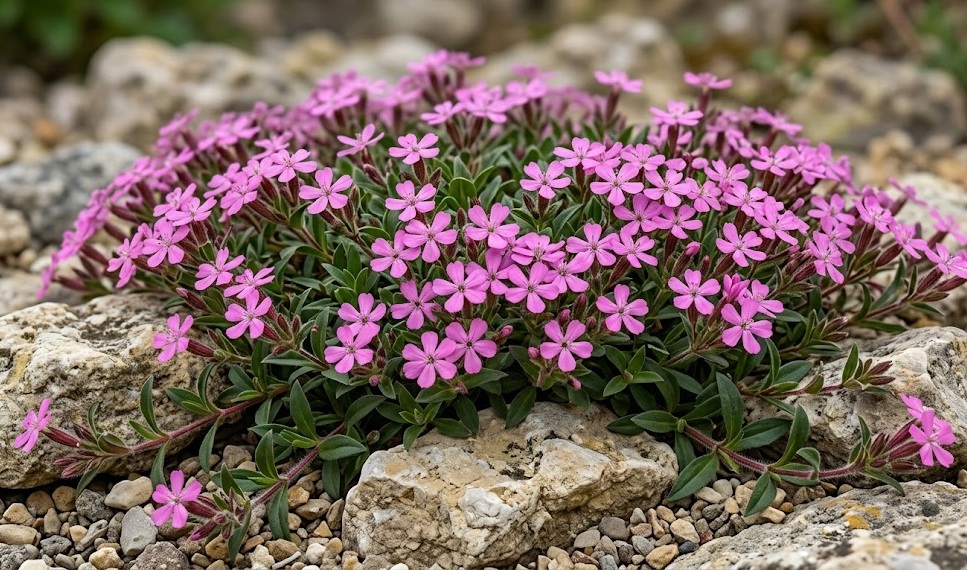
Observing the flowering period is another great way to gauge the success of your care routine and environmental placement. The plant should produce a profusion of small, five-petaled flowers that almost completely cover the foliage during its peak. If the blooming is sparse or delayed, it might be a sign that the plant is not receiving enough light or that it needs a gentle pruning. Take note of when the flowers appear and how long they last to help plan your garden’s seasonal transitions.
You should also keep an eye on the rate of spread to ensure the plant is filling its designated space at a healthy pace. While you want the soapwort to expand, you should also be mindful of it encroaching on less vigorous neighboring plants. If the growth becomes too aggressive, you can easily manage the borders by trimming back the leading stems. This keeps the garden looking intentional and prevents any one species from dominating the entire landscape.
Checking the structural integrity of the stems and roots is particularly important after extreme weather events like heavy storms or heatwaves. You might find that some parts of the plant have become dislodged or that soil has washed away from the root crown. Promptly addressing these physical issues ensures that the plant remains securely anchored and hydrated. This type of proactive monitoring is what separates a thriving garden from one that is merely surviving.
Seasonal care transitions
The needs of rock soapwort change as the seasons transition, requiring you to adapt your maintenance routine accordingly. In the spring, your focus should be on cleaning up any debris and preparing the plant for its most active growth phase. This is the time to remove any dead stems from the previous year and apply a light layer of fresh mulch if needed. Starting the season with a clean slate helps the plant direct all its energy into new foliage and flower buds.
As the heat of summer arrives, your primary concern shifts toward managing moisture levels and protecting the plant from extreme temperatures. While soapwort is drought-tolerant, it will appreciate an occasional deep soak during prolonged periods without rain to maintain its appearance. You should also watch for any signs of sun scorch if the weather becomes exceptionally intense for several days. Providing a little extra attention during the peak of summer ensures the plant doesn’t go into a state of dormancy too early.
The autumn months are a time for consolidation and preparing the plant for the upcoming dormant period in the winter. You might consider a light trimming to remove spent flowers and encourage a more compact shape before the first frost. This is also a good time to evaluate the success of the year and make plans for any divisions or relocations in the following spring. Taking these steps in the fall ensures the plant enters the winter in the best possible condition.
Winter care is mostly about protection and ensuring the plant is not sitting in waterlogged soil during the cold months. In regions with significant snowfall, the snow itself can act as a natural insulator against the harshest freezing temperatures. You should avoid walking near the dormant plants to prevent compacting the frozen ground and damaging the underlying root structures. This cycle of seasonal awareness allows the soapwort to return with renewed vigor year after year.
Essential tools and equipment
Having the right tools on hand makes the care of rock soapwort much easier and more efficient for any gardener. A high-quality pair of bypass pruners is essential for making clean cuts when you need to trim back the stems or remove spent blooms. You should keep your blades sharp to avoid crushing the delicate plant tissue, which can lead to disease entry points. A small hand fork is also incredibly useful for gentle weeding and loosening the soil surface without disturbing the roots.
For watering tasks, a watering can with a fine rose or a garden hose with a gentle spray setting is ideal. This allows you to apply water directly to the base of the plant without flattening the foliage or washing away the soil. If you have a large area of groundcover, a soaker hose system can be a highly efficient way to provide consistent moisture. Investing in reliable irrigation tools ensures that your watering efforts are effective and targeted where they are needed most.
A sturdy garden kneeling pad or a small stool can make the manual tasks of weeding and monitoring much more comfortable. Since soapwort is a low-growing plant, you will spend a fair amount of time close to the ground while performing maintenance. Protecting your joints and back will allow you to spend more time enjoying the process of gardening rather than rushing through it. Small ergonomic tools can make a significant difference in your overall experience as a dedicated gardener.
Finally, consider keeping a simple garden journal to track the progress and care schedule of your soapwort colonies over time. Recording dates of flowering, fertilization, and any issues you encounter will help you refine your approach in future seasons. This documentation becomes a valuable resource as you learn more about the specific microclimate of your garden and how the plants respond to it. Being organized with your tools and information is a hallmark of a truly professional gardening approach.
Longevity and plant rejuvenation
Rock soapwort is a relatively long-lived perennial, but it does benefit from occasional rejuvenation to keep it looking its best. Over time, the plant may lose some of its vigor or develop a woody center that doesn’t produce as many flowers. You can revitalize an older clump by carefully dividing it and replanting the younger, more vibrant sections. This process not only refreshes the original plant but also provides you with new specimens to use elsewhere in your garden.
Timing your rejuvenation efforts is important, with early spring being the most ideal window for major interventions. By acting before the plant begins its main growth spurt, you give the roots plenty of time to establish themselves in their new environment. You should ensure that the newly moved or divided sections receive extra care and consistent moisture until they show signs of new growth. This proactive step can extend the life of your soapwort display for many years to come.
Sometimes, a simple but deep pruning is all that is needed to stimulate new growth from the base of the plant. If the soapwort has become leggy or unkempt, cutting it back significantly after the main flowering period can work wonders. You will soon see fresh green shoots emerging, creating a much tighter and more attractive cushion of foliage. Don’t be afraid to be bold with your shears, as this species is remarkably resilient and responds well to being cut back.
Ultimately, the longevity of your plants is a reflection of the consistent care and attention you provide throughout their lives. By understanding the natural cycle of the soapwort and providing for its basic needs, you create a sustainable and beautiful garden feature. A well-maintained rock soapwort plant can provide decades of joy and color with just a little bit of effort and foresight. Treat each plant as a long-term investment in your landscape, and it will reward you with endless beauty.