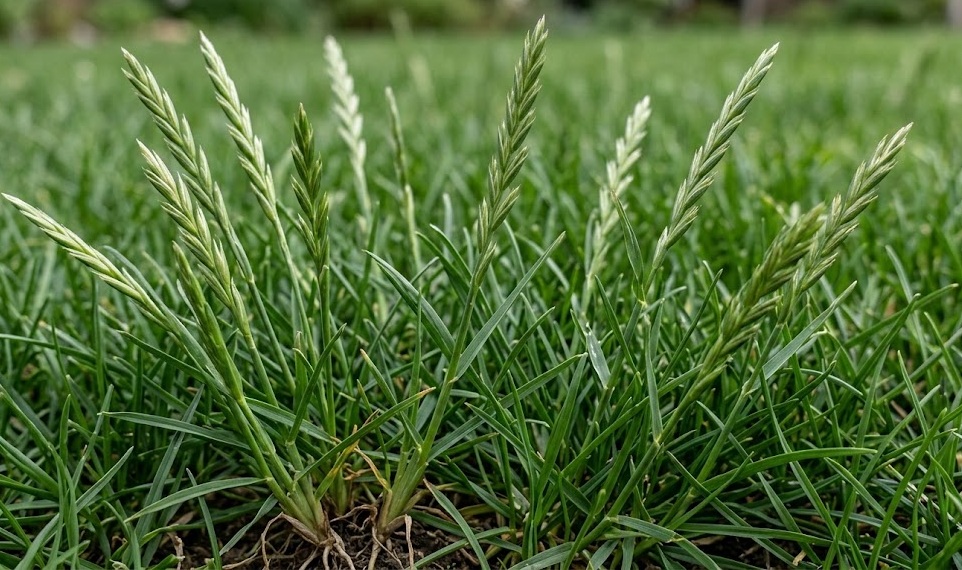

Maintaining a healthy lawn of perennial ryegrass requires a dedicated approach that combines consistent monitoring with timely interventions. You should understand that this species is highly valued for its rapid establishment and durability under heavy foot traffic. Providing the right conditions allows the grass to develop a deep root system that can withstand various environmental stresses. Proper care involves a holistic view of the ecosystem, including soil health, light exposure, and physical maintenance routines throughout the growing season.
Successful management starts with understanding the growth cycle of the grass to anticipate its needs before problems arise. You need to observe the color and density of the blades frequently to identify early signs of nutrient deficiency or water stress. Regular interaction with your landscape helps you develop an intuitive sense for when the plants require extra attention. Developing a structured maintenance schedule will ensure that no critical steps are missed during the busiest parts of the year.
The physical structure of the soil plays a significant role in how well your perennial ryegrass performs over the long term. You must ensure that the earth remains loose enough for oxygen to reach the roots while maintaining enough structure to hold moisture. Heavy clay soils can become compacted easily, which restricts the growth of the fine root hairs necessary for nutrient uptake. Adding organic matter or sand can help improve the drainage and aeration properties of your garden beds or lawn areas.
Weed management is a continuous process that preserves the aesthetic and biological integrity of your turf. You should encourage the grass to grow as densely as possible to naturally outcompete opportunistic weeds that try to take hold. If you notice bare patches, it is essential to address them quickly by overseeding to prevent weed seeds from germinating in the open soil. Manual removal of weeds is often the most effective method for small areas, as it avoids the use of harsh chemicals.
Essential soil nutrients and chemistry
The chemical balance of your soil directly impacts the vibrancy and health of your perennial ryegrass throughout the year. You should conduct a soil test at least once every two years to determine the pH levels and specific nutrient concentrations. Most ryegrass varieties thrive in slightly acidic to neutral soil, typically ranging between six and seven on the pH scale. Adjusting the soil chemistry through the application of lime or sulfur can make a significant difference in how the grass absorbs fertilizers.
More articles on this topic
Nitrogen is the most critical element for promoting the lush green growth and rapid recovery that this species is known for. You should apply nitrogen-rich fertilizers during the peak growing periods of spring and early autumn when the grass is most active. Phosphorus is equally important for establishing strong roots, especially when you are trying to thicken a thinning lawn. Potassium helps the plant regulate its internal water balance and improves its overall resistance to disease and extreme temperatures.
Secondary nutrients like magnesium and iron also contribute to the deep green color that many homeowners and professionals desire. You might notice a yellowing of the grass blades if these minerals are lacking in the soil profile. Applying a balanced micronutrient spray can often provide a quick boost to the appearance of the lawn without over-stimulating top growth. It is important to follow the recommended application rates to avoid burning the delicate foliage with excessive salts.
Organic amendments can provide a slow-release source of nutrients that benefits the soil microbiology over a longer period. You should consider using compost or well-rotted manure to improve the soil structure and increase the population of beneficial microbes. These organisms help break down organic matter into forms that the grass can easily absorb through its root system. Building a healthy soil food web reduces the reliance on synthetic inputs and creates a more self-sustaining garden environment.
Seasonal maintenance adjustments
Adapting your care routine to the changing seasons is vital for the long-term survival and beauty of your ryegrass. In the early spring, you should focus on removing debris and dead material that accumulated over the winter months. This cleanup allows more light and air to reach the emerging shoots, stimulating a faster green-up. You should also check for any areas damaged by snow or ice and prepare them for repair once the ground warms up.
More articles on this topic
As the summer heat intensifies, the growth of perennial ryegrass typically slows down as the plant enters a semi-dormant state. You should increase the height of your mower blades to provide more shade for the soil and the sensitive crown of the plant. Reducing the frequency of heavy activities on the lawn during periods of extreme heat will prevent physical damage to the stressed grass. Morning maintenance is preferred during these months to avoid working when the sun is at its most intense.
Autumn is perhaps the most important time for preparing your ryegrass for the challenges of the coming winter. You should focus on deep fertilization and aeration during this period to strengthen the roots before the first frost arrives. Removing fallen leaves is crucial, as a thick layer of foliage can trap moisture and encourage fungal growth on the grass below. This is also the ideal time for overseeding to ensure the lawn remains thick and competitive against winter weeds.
Winter care is mostly about protection and minimizing disturbance while the grass is in its most vulnerable state. You should avoid walking on the lawn when it is frozen, as the ice crystals within the plant tissues can cause cellular damage. If you use salt to clear paths nearby, be careful not to let the runoff reach the grass, as high salinity can be toxic. Maintaining a clean and clear surface throughout the winter will lead to a much healthier and more vigorous start in the spring.
Aeration and soil oxygenation
The process of aeration is essential for preventing soil compaction and ensuring that life-sustaining oxygen reaches the root zone. You should look for signs of compaction, such as water pooling on the surface or areas where the grass remains thin despite proper care. Using a core aerator that removes small plugs of soil is the most effective way to open up the ground. This physical intervention allows nutrients and water to penetrate deeper into the profile, encouraging deeper root growth.
Timing your aeration properly is key to achieving the best results without causing unnecessary stress to the plants. You should ideally aerate during the active growth phases in the spring or autumn when the grass can recover quickly. Aerating during the heat of summer can lead to excessive drying of the soil and may harm the roots. Always ensure the soil is moist but not saturated before you begin the process to make the work easier and more effective.
After the aeration process is complete, you have a perfect opportunity to introduce top-dressing materials to the lawn. You should spread a thin layer of high-quality compost or sand over the surface and rake it into the newly created holes. This practice helps to gradually change the soil composition and provides a fresh boost of organic matter to the root zone. It also creates an ideal environment for new seeds to germinate if you choose to overseed at the same time.
Mechanical aeration also helps to break up the layer of thatch that naturally accumulates between the green blades and the soil surface. You should monitor the thickness of this layer and aim to keep it below half an inch for optimal health. If the thatch becomes too thick, it can act like a sponge, preventing water and air from reaching the roots below. Regular aeration is a proactive way to manage thatch and keep your perennial ryegrass in peak condition.
Thatch management and vertical mowing
Thatch is a layer of living and dead organic matter that forms a barrier at the base of the grass plants. While a small amount of thatch is beneficial for insulation, too much can lead to shallow rooting and increased disease susceptibility. You should inspect the base of your grass occasionally to see if the thatch layer is becoming excessive. If you find it difficult to push your finger through to the soil, it may be time for a more intensive treatment.
Vertical mowing, or power raking, is a specialized technique used to physically remove excess thatch from the lawn. You should use a machine with vertical blades that reach down into the thatch layer without damaging the main root systems. This process can be quite aggressive and will temporarily make the lawn look somewhat ragged and thin. However, the long-term benefits include much better water infiltration and a more resilient turf structure.
After performing vertical mowing, you should immediately remove the loosened debris from the surface to prevent it from settling back down. You can use a lawn vacuum or a standard rake to collect the organic material for composting elsewhere. This is also an excellent time to apply a light fertilizer to help the grass recover from the physical stress of the procedure. Within a few weeks, you should see a significant improvement in the density and color of your ryegrass.
Maintaining a balanced biological environment in your soil can help naturally manage thatch levels over time. You should encourage the activity of earthworms and beneficial bacteria that naturally decompose organic matter. Avoiding the over-application of certain pesticides can preserve these helpful organisms and keep the ecosystem in balance. A healthy, active soil will do much of the work for you, reducing the need for intensive mechanical thatch removal.
Weed control strategies
Integrated weed management is the most effective way to keep your perennial ryegrass lawn looking its best. You should start by focusing on cultural practices that favor the grass over undesirable broadleaf or grassy weeds. Maintaining a thick, healthy canopy of ryegrass is your primary defense against the encroachment of invasive species. When the grass is vigorous and tall enough, it shades the soil surface, preventing many weed seeds from ever getting started.
If you decide to use herbicides, you should always choose products that are specifically labeled for use on perennial ryegrass. You should apply pre-emergent treatments in the early spring to stop crabgrass and other annual weeds before they sprout. For existing weeds, spot treatments with a selective post-emergent herbicide are often better than blanket applications. This targeted approach reduces the total amount of chemicals used and protects the overall health of your landscape.
Natural alternatives for weed control are becoming increasingly popular for home gardeners and professionals alike. You can use corn gluten meal as a natural pre-emergent that also provides a small amount of nitrogen to the soil. Hand-pulling remains a highly effective and environmentally friendly way to deal with occasional invaders before they go to seed. Staying vigilant and removing weeds as soon as they appear will save you a lot of work in the long run.
Monitoring the edges of your lawn is important because weeds often migrate from neighboring properties or flower beds. You should consider installing physical barriers or maintaining a clean edge to prevent creeping weeds from entering your ryegrass area. Keeping the surrounding environment tidy will reduce the total weed seed bank that your lawn has to contend with. A proactive mindset is the key to maintaining a pristine and professional-looking green space.
Long-term health and monitoring
Ensuring the longevity of your perennial ryegrass requires a commitment to regular observation and minor adjustments. You should take a few minutes each week to walk across the lawn and look for any changes in texture or color. Early detection of problems allows you to intervene before a small issue becomes a widespread disaster. Keeping a simple gardening journal can help you track patterns and remember what worked well in previous seasons.
Over the years, you may notice that the density of your ryegrass begins to decline naturally as individual plants age. You should plan for periodic overseeding every few years to introduce younger, more vigorous plants into the mix. This practice keeps the lawn looking youthful and ensures that it remains resistant to pests and environmental stress. Choosing new cultivars that have improved disease resistance can also upgrade the overall quality of your turf.
Environmental factors such as shade trees or changes in drainage patterns can affect the health of your grass over time. You should be prepared to adapt your maintenance routine as the surrounding landscape matures and changes. Trimming overhanging branches can restore the light levels needed for ryegrass to thrive in previously shaded areas. Staying flexible and responsive to the needs of the plants will yield the best results for your outdoor space.
Professional advice can be invaluable when you encounter a problem that is difficult to diagnose or treat on your own. You should not hesitate to consult with local agricultural experts or university extension services for specialized information. They can provide insights into regional pests or soil conditions that are unique to your specific location. Sharing your experiences with other gardening enthusiasts can also lead to new ideas and more effective care techniques.