
Establishing a successful environment for these exotic climbers begins with a thorough understanding of their specific habitat preferences and biological needs. You must select a location that offers protection from harsh winds while allowing for sufficient airflow to prevent stagnant conditions. Most gardeners find that a south-facing wall provides the ideal microclimate for sustained growth and prolific flowering throughout the warmer months. Observing how the light and wind patterns change in your garden will help you determine the most effective spot for your plant.
The root system of these plants is surprisingly robust, but it still requires enough space to expand without competition from aggressive neighbors. You should avoid planting them too close to large shrubs or trees that might steal essential moisture and nutrients from the soil. Providing a clear area for the base of the vine ensures that you can easily monitor for any signs of stress or pest activity. A well-placed plant will reward you with lush foliage and intricate blooms that serve as a stunning centerpiece in any landscape.
Creating a stable microclimate involves more than just picking a sunny spot in the garden. You need to consider the reflective heat from walls or fences, which can sometimes be too intense during the peak of summer. Using organic mulch around the base helps regulate soil temperature and keeps the roots cool during heatwaves. This balance between warmth and protection is the secret to keeping your vines healthy and productive for many years.
Air circulation is often overlooked, but it plays a critical role in preventing fungal diseases that thrive in humid, still air. You should ensure that the vines are not so densely packed that air cannot move freely through the foliage. Regular thinning of excess growth can help maintain this balance and improve the overall health of the plant. Healthy air movement also helps the flowers dry quickly after rain, reducing the risk of blossom rot.
Soil management and preparation
The foundation of a healthy vine lies in the quality and structure of the soil you provide for its roots. These plants prefer a well-draining medium that is rich in organic matter but not overly saturated with heavy clay. You can improve poor soil by mixing in generous amounts of well-rotted compost or leaf mold before planting. Testing the pH level of your garden bed will ensure that it falls within the slightly acidic to neutral range they prefer.
More articles on this topic
Drainage is perhaps the most important factor when it comes to long-term survival in the garden. If your soil is naturally heavy and retains too much water, you might consider building a raised bed or planting on a slight slope. Adding coarse sand or perlite to the planting hole can also help water move away from the sensitive crown area. Excessive moisture around the roots during the winter months is a common cause of plant failure that you must avoid.
Nutrient availability is essential for the rapid growth and heavy flowering expected from these vigorous climbers. While they are not overly demanding, they do benefit from a steady supply of balanced nutrients throughout the growing season. You should focus on building a living soil biology by encouraging earthworms and beneficial microbes through organic practices. Avoid using heavy chemical fertilizers that can lead to salt buildup and damage the delicate feeder roots over time.
Soil compaction can restrict root growth and prevent oxygen from reaching the underground portions of the plant. You should avoid walking on the soil directly around the base of the vine to keep the structure loose and airy. If you notice the soil becoming hard or crusty, gently loosen the top layer with a hand fork without disturbing the roots. Maintaining a crumbly, open soil texture allows the plant to establish a deep and resilient root system.
Providing structural support
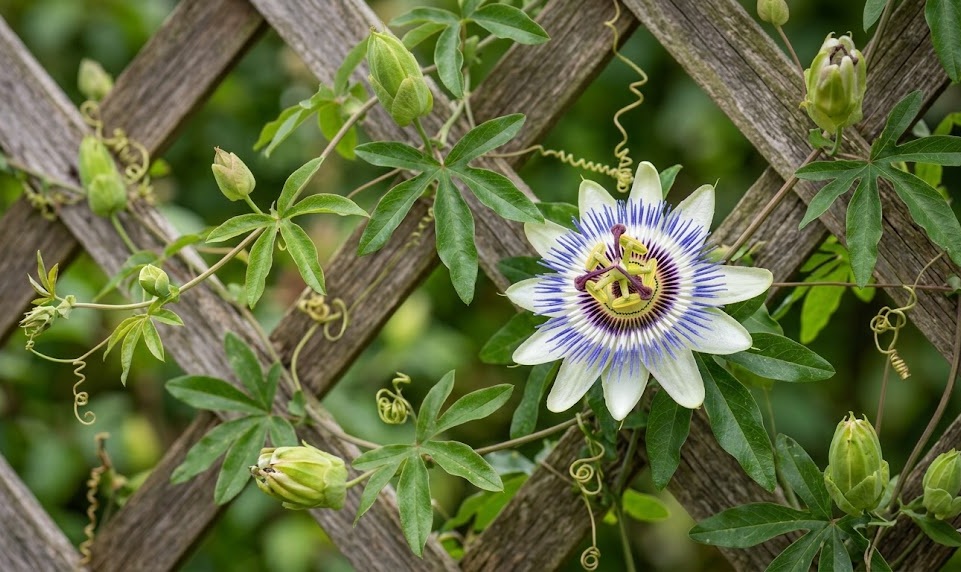
Because these plants use specialized tendrils to climb, providing the right kind of support is vital for their upward progress. You should install a sturdy trellis, wire system, or fence before you even put the plant in the ground. The support needs to be strong enough to hold the weight of a mature vine, especially after a heavy rain. Horizontal wires or thin wooden slats are easiest for the tendrils to wrap around as the plant grows.
More articles on this topic
The height of the support structure should be at least two meters to allow the vine to express its natural growth habit. If the support is too short, the vine will eventually double back on itself and create a tangled mess of foliage. You can guide the young shoots toward the trellis by gently tying them with soft garden twine until they find their own grip. Proper spacing on the trellis allows for better light penetration and air movement throughout the entire canopy.
Vertical gardening with these vines is an excellent way to maximize space in smaller gardens or on patios. You can use large containers with built-in obelisks if you do not have a permanent fence or wall available. This portability allows you to move the plant to more sheltered locations if the weather becomes too extreme. Always ensure the container is heavy enough so that the wind does not tip the entire structure over.
Over time, the vine will become quite woody and heavy at the base, requiring even more stability from the support. You should check the integrity of your trellis or wires every spring before the new growth begins in earnest. Replace any rusted wires or rotting wood that might snap under the weight of the summer foliage. A well-supported vine is much easier to manage and prune when the time comes for maintenance.
Managing climate and temperature
While many species are native to tropical regions, some varieties have adapted to more temperate climates with surprising resilience. You need to know the specific hardiness of your chosen variety to provide the right level of protection. During the first few years, young plants are much more sensitive to cold than established, woody specimens. Applying a thick layer of mulch in late autumn can help protect the root zone from early frosts.
Extreme heat can also stress the plant, leading to wilted leaves and dropped flower buds. On very hot days, you might notice the foliage looking limp in the afternoon, but it should recover once the sun goes down. Providing some light afternoon shade can be beneficial in regions where the summer sun is particularly scorching. Consistent moisture in the soil helps the plant regulate its internal temperature through the process of transpiration.
Humidity is a key factor that influences the health and appearance of the glossy green leaves. If you live in a very dry climate, you might see the edges of the leaves turning brown or becoming brittle. Grouping plants together or using a misting system can help create a more humid environment that mimics their native forest home. High humidity also helps the flowers stay open longer and improves the chances of successful pollination.
Wind protection is often the difference between a thriving vine and one that struggles to put on growth. Strong gusts can tear the delicate tendrils away from their supports and bruise the soft new shoots. You can create a natural windbreak using other hardy shrubs or by installing a decorative screen near the planting site. A calm environment allows the plant to focus its energy on flower production rather than repairing physical damage.
Encouraging healthy growth cycles
The growth cycle of these vines is characterized by rapid expansion during the warm months followed by a period of rest. You will see the most dramatic progress during the late spring and early summer when temperatures remain consistently high. It is important to provide enough space for this growth so the plant does not become overcrowded and stressed. Regular monitoring during this phase allows you to spot any potential problems before they become serious.
Flowering is the highlight of the growing season and requires a significant investment of energy from the plant. You can encourage more blooms by ensuring the vine receives enough light and phosphorus-rich nutrients. If the plant is producing lots of leaves but no flowers, it might be receiving too much nitrogen. Deadheading spent blooms is not strictly necessary but can help the plant look tidier and prevent unwanted seed production.
The transition into autumn marks a slowing of growth as the plant prepares for the cooler months ahead. You should stop any heavy fertilizing at this stage to allow the new wood to harden off before the first frost. Reducing the amount of water you provide will also signal to the plant that it is time to enter a period of dormancy. This natural cycle is essential for the long-term vigor and longevity of the vine in your garden.
Observing the natural rhythm of your plant will help you become a more intuitive and successful gardener. You will eventually learn to recognize the subtle signs that the plant is happy or needs a little extra attention. Every season brings new challenges, but a well-cared-for vine is surprisingly forgiving and resilient. Taking the time to understand these cycles ensures that you can provide the right care at exactly the right time.
Monitoring plant health regularly
Regular inspections of the foliage and stems will help you catch any issues before they spread to the rest of the plant. You should look closely at the undersides of leaves where many common pests like to hide and lay their eggs. Yellowing leaves can be a sign of many things, from nutrient deficiencies to simple overwatering or natural aging. Keeping a garden journal can help you track these changes and identify patterns over several growing seasons.
Pests are attracted to the lush growth of these vines, especially when the plant is stressed or weakened. You should encourage beneficial insects like ladybugs and lacewings to take up residence in your garden to provide natural control. If you do find a localized infestation, it is often best to treat it manually or with organic soaps before reaching for stronger chemicals. A healthy, vigorous plant is always the best defense against any kind of insect attack.
Disease prevention is much easier than trying to cure an established infection once it has taken hold. You should always use clean, sharp tools when pruning to avoid introducing pathogens into the open wounds. Removing any fallen leaves or debris from around the base of the plant reduces the places where disease spores can overwinter. Good hygiene practices in the garden are essential for maintaining a collection of healthy and productive vines.
Growth patterns can also tell you a lot about the health of the root system hidden beneath the soil. If the new shoots are stunted or pale, it may indicate that the roots are struggling with poor drainage or a lack of oxygen. You might need to adjust your watering schedule or improve the soil structure if you see these symptoms persisting. Paying attention to these small details will help you maintain the professional look of your horticultural display.
Creating long term stability
The ultimate goal of caring for these vines is to create a permanent and beautiful feature in your outdoor space. You should think of the plant as a long-term investment that will grow in beauty and complexity every single year. Proper care during the early years establishes the foundation for a vine that can live for decades under the right conditions. Consistency in your maintenance routine is the key to achieving this kind of lasting success.
As the vine ages, the main trunk will become thicker and more like the bark of a small tree. You must ensure that the support structure is still capable of holding this increased weight without bowing or breaking. Sometimes, you may need to add additional wires or reinforce the existing trellis to accommodate the mature plant. Watching the transformation from a small seedling to a massive flowering vine is one of the great joys of gardening.
Sharing your passion and knowledge with other gardeners is a wonderful way to expand your own understanding of these plants. You might find that trading cuttings or seeds with neighbors leads to discovering even more interesting varieties for your collection. Local gardening clubs and online forums are great places to find expert advice and troubleshoot any specific problems you might encounter. Gardening is a continuous learning process that keeps you connected to the natural world.
Finally, remember to step back and enjoy the incredible beauty that your hard work has created in the garden. The sight of a passionflower in full bloom is truly one of the most spectacular experiences in the world of horticulture. You have created a habitat that supports pollinators and brings a touch of the exotic to your own backyard. Your dedication to proper care ensures that this beauty will continue to flourish for many seasons to come.