
Napa cabbage is a versatile and nutrient-dense vegetable that requires specific attention to detail during its growth cycle. To achieve the best results, gardeners must understand the unique physiological needs of this cool-season crop. Successful cultivation starts with choosing the right variety for your specific climate and soil conditions. It is essential to provide a stable environment where the plant can thrive without excessive stress.
Temperature control plays a vital role in preventing the cabbage from bolting prematurely during the spring or fall seasons. Most varieties prefer consistent temperatures ranging between fifteen and twenty degrees Celsius for optimal head formation. If the weather becomes too hot, the plant may focus on seed production rather than developing a tight, edible head. Proper shading or timing your planting schedule can help mitigate these common thermal challenges effectively.
Air circulation is another critical factor that many novice growers tend to overlook when spacing their plants in the field. Leaving enough room between the rows ensures that humidity does not build up around the base of the foliage. This simple practice significantly reduces the risk of fungal outbreaks and other moisture-related issues throughout the season. You should always aim for a balance between maximizing your garden space and maintaining long-term plant health.
Soil quality is the foundation upon which every successful harvest is built for these demanding and hungry vegetables. The earth should be rich in organic matter and possess excellent drainage properties to prevent dangerous root suffocation. Regular testing of the soil’s pH levels will tell you if adjustments are needed to improve nutrient availability. Investing time in soil preparation before the season begins will pay off with much higher yields later.
Understanding the environmental needs
The climate where you choose to grow your vegetables will dictate much of the care routine required for success. Napa cabbage thrives in cool, moist conditions that mimic its native high-altitude or temperate origins. Sudden shifts in weather can trigger a stress response that negatively impacts the final quality of the leaves. Monitoring local forecasts allows you to take proactive steps, such as covering plants during unexpected late-season frosts.
More articles on this topic
Humidity levels must be kept relatively high to support the rapid leaf expansion characteristic of this particular species. However, stagnant air combined with high moisture can create a breeding ground for various pathogens and diseases. Finding a location with gentle natural breezes helps keep the foliage dry while still providing the necessary ambient moisture. You might consider using windbreaks if your garden is located in a particularly exposed or gusty area.
Sunlight exposure is a delicate balance because the plant needs energy but can easily suffer from heat stress. Morning sun is usually ideal as it provides the light required for photosynthesis without the intense heat of the afternoon. In regions with strong solar radiation, using light-colored row covers can provide the necessary protection for the tender leaves. Observation is key to determining if your plants are receiving the correct amount of light each day.
Seasonal timing is perhaps the most important decision a gardener makes when planning for a cabbage harvest. Planting too early in the spring may expose the young seedlings to cold snaps that trigger early flowering. Conversely, a late summer planting must be timed so the heads mature before the deep freezes of winter arrive. Understanding your local frost dates is essential for creating a reliable and productive gardening calendar.
Soil management and maintenance
Preparing the soil involves more than just tilling the ground and removing the weeds from the area. You should incorporate plenty of well-rotted compost or aged manure to ensure a steady supply of essential nutrients. This organic material also improves the soil structure, allowing roots to penetrate deeper and access water more easily. Healthy soil life, including beneficial microbes and earthworms, will support the overall vitality of your garden.
More articles on this topic
The drainage capacity of your soil must be tested to ensure that water does not pool around the roots. While the cabbage requires consistent moisture, standing water can lead to root rot and other devastating physiological disorders. If your soil is heavy clay, consider building raised beds to improve the vertical drainage and aeration of the site. Sandy soils may require more frequent additions of organic matter to hold onto moisture and nutrients.
Mulching is a highly effective technique for maintaining consistent soil temperatures and preserving vital moisture levels during the day. A layer of straw or wood chips around the base of the plants prevents the sun from baking the earth. This practice also suppresses the growth of competitive weeds that would otherwise steal resources from your vegetables. Reapply the mulch as it breaks down to ensure the soil remains protected throughout the entire growing season.
Regularly checking the soil compaction is important because napa cabbage prefers a loose and friable growing medium for its roots. Avoid walking directly on the planting beds to prevent crushing the delicate air pockets within the soil structure. If the ground becomes too hard, the roots will struggle to expand, leading to stunted growth and small heads. Gentle cultivation with a hand tool can help keep the top layer of soil open and breathable.
Monitoring growth and development
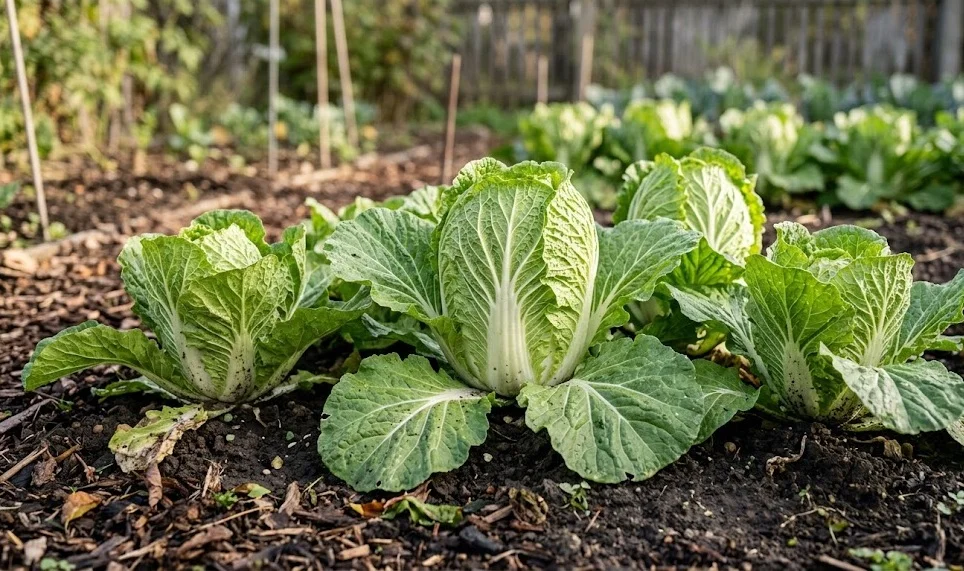
As the plants begin to grow, you must watch for the transition from the leafy stage to the heading stage. The inner leaves should start to fold over each other to form a compact and dense central structure. If the leaves remain open and loose, it may be an indication of insufficient nutrients or improper environmental conditions. Keeping a garden journal can help you track these developmental milestones and identify potential problems early on.
The color of the leaves is a primary indicator of the health and nutritional status of your cabbage plants. Deep green foliage typically suggests adequate nitrogen levels and a robust photosynthetic process occurring within the cells. If you notice yellowing or pale spots, it might be time to provide a balanced liquid fertilizer to the soil. Consistent observation allows you to react quickly to the changing needs of the developing crop.
Size monitoring is essential for determining the right time for various maintenance tasks and eventually for the final harvest. You should measure the diameter of the heads periodically to ensure they are meeting the expected growth rates for the variety. Comparing your plants to established growth charts can give you confidence that your care routine is working as intended. Remember that different varieties will have different final sizes and maturity timelines to consider.
Uniformity in the garden is a sign of consistent care and high-quality soil conditions across the entire planting area. If some plants are significantly smaller than others, investigate the local soil or water distribution for any discrepancies. Addressing these localized issues can help ensure that the entire crop reaches maturity at roughly the same time. A uniform harvest makes planning for storage or processing much easier for the home gardener.
Protective measures for young plants
Young seedlings are particularly vulnerable to environmental stressors and should be hardened off before being moved permanently outdoors. This process involves gradually exposing the indoor-grown plants to the wind, sun, and fluctuating temperatures of the garden. Skipping this step often results in transplant shock, which can permanently stunt the growth of the cabbage. Take at least a week to slowly acclimate your plants to their new outdoor home.
Row covers are an excellent tool for protecting young napa cabbage from both extreme weather and early-season insect pests. These lightweight fabrics allow light and water to pass through while creating a physical barrier against the elements. They can also provide a few degrees of extra warmth during chilly nights, which can be critical for survival. Ensure the covers are securely anchored to the ground so they do not blow away in the wind.
Wind protection is often necessary for the tender stems of young plants that have not yet established a strong root system. Planting near taller crops or using temporary fences can reduce the physical stress caused by strong or drying winds. If a seedling is whipped around too much, it may develop calluses or even snap at the base of the stem. Creating a calm microclimate will encourage faster and more vigorous early growth for your vegetables.
Physical barriers like cutworm collars can save your entire crop from being destroyed overnight by soil-dwelling pests. These simple devices are placed around the base of the stem to prevent insects from girdling the young plant. While they require a bit of extra effort during the planting process, the protection they offer is well worth the time. Combining multiple protective strategies is the best way to ensure a high survival rate for your seedlings.
Managing nutrient absorption
Providing the right balance of macro and micronutrients is essential for the rapid growth phase of the napa cabbage. Nitrogen is particularly important during the initial weeks to support the development of large and healthy green leaves. However, an excess of nitrogen late in the season can lead to loose heads and a decrease in storage quality. Balanced nutrition ensures that the plant has the energy it needs to build a dense and heavy head.
Calcium deficiency is a common problem that manifests as “tipburn” on the inner leaves of the developing cabbage head. This issue is often caused by inconsistent watering rather than a lack of calcium in the soil itself. When water flow is interrupted, the plant cannot transport calcium to the rapidly growing leaf margins effectively. Maintaining steady soil moisture is the best way to prevent this unsightly and damaging physiological disorder.
Micronutrients like boron and molybdenum are also required in very small amounts for the complex biochemical processes within the plant. A deficiency in these elements can lead to distorted growth or internal browning of the cabbage stem. Using a high-quality compost or a complete organic fertilizer usually provides enough of these trace elements for healthy growth. If you suspect a specific deficiency, a professional soil test is the most accurate way to confirm it.
The method of fertilizer application can influence how effectively the plant can absorb the available nutrients from the ground. Side-dressing involves placing fertilizer in a shallow trench next to the row of plants, allowing the roots to find it. Foliar feeding with a liquid seaweed extract can provide a quick boost during periods of high stress or rapid growth. Always follow the manufacturer’s instructions to avoid over-fertilizing and potentially burning the sensitive root systems.
Seasonal adjustments and care
As the days grow shorter and the temperatures begin to drop in the fall, the growth of the cabbage will naturally slow down. This is the period when the heads become denser and the flavors often become sweeter and more refined. You may need to reduce the frequency of watering as the evaporation rates decrease in the cooler weather. However, do not allow the soil to dry out completely, as the plants still require hydration.
Frost protection becomes a priority if you are aiming for a late autumn or early winter harvest in a cold climate. While napa cabbage can tolerate light frosts, heavy freezes can damage the outer leaves and compromise the storage life. Heavy blankets or specialized thermal covers can be used to protect the crop during particularly cold nights. Removing these covers during the day allows the plants to continue absorbing sunlight and warmth.
Cleaning up the garden area at the end of the season is an important part of long-term care and pest management. Remove any spent plants or debris that could harbor diseases or insects through the winter months. Composting healthy plant material returns nutrients to the cycle, but diseased plants should be disposed of elsewhere. A clean garden in the fall sets the stage for a much easier start in the following spring.
Reflecting on the successes and challenges of the past season will help you improve your care routine for next year. Take note of which varieties performed best in your specific soil and microclimate conditions. You might decide to adjust your planting dates or try a different irrigation method based on your observations. Continuous learning is the hallmark of a professional and dedicated gardener who seeks the best results.
Final steps before harvest
The final weeks of growth are critical for ensuring that the heads are firm and ready for the long-term storage process. You can check for firmness by gently squeezing the head with your hands to feel the internal resistance. A mature head should feel solid and heavy for its size, indicating that the leaves are tightly packed. If the head still feels soft or springy, give it a few more days to continue developing.
Reducing irrigation slightly just before the harvest can help improve the flavor concentration and the shelf life of the cabbage. Too much water at the very end can sometimes cause the heads to split or become overly watery. This technique requires careful monitoring to ensure the plants do not wilt or become stressed during the final stretch. It is a subtle adjustment that can make a noticeable difference in the final quality of your produce.
Preparing your harvesting tools in advance ensures that you can work quickly and efficiently when the time is right. A sharp, clean knife is essential for making a smooth cut at the base of the head without damaging the stem. Sterilizing your tools between uses helps prevent the spread of any lingering pathogens from one plant to another. Efficiency during harvest minimizes the time the cut cabbage spends in the sun before being moved to cool storage.
Once harvested, the cabbage should be handled gently to avoid bruising the tender outer leaves which can lead to decay. Remove any damaged or loose outer foliage, but leave enough to protect the dense heart of the cabbage. Moving the crop immediately to a cool, dark environment will preserve its crispness and nutritional value for as long as possible. Proper post-harvest handling is the final step in a successful care cycle for napa cabbage.