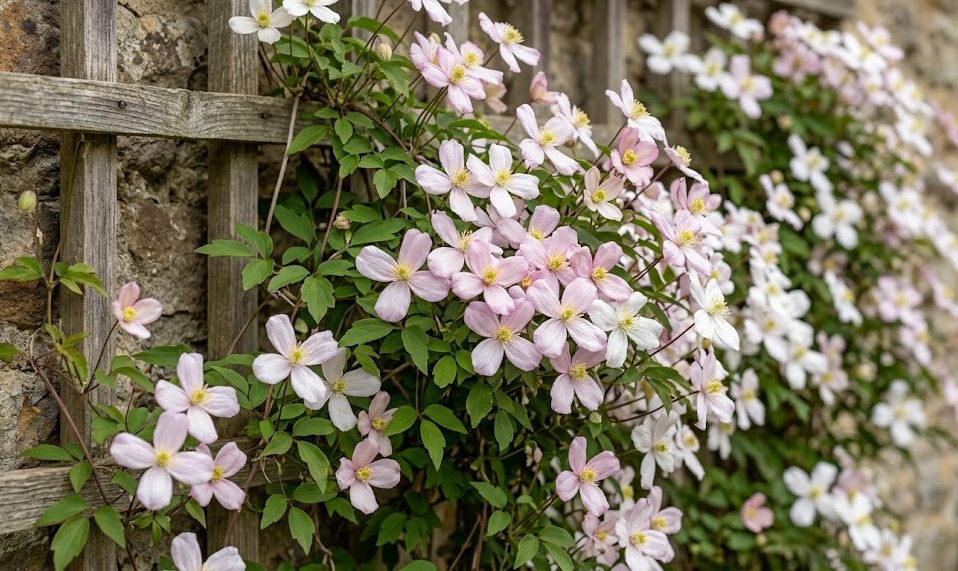

Establishing a robust care routine for mountain clematis ensures that this vigorous climber remains a highlight of the garden for many years. This specific variety is known for its incredible growth rate and the sheer volume of blossoms it produces during the late spring months. To achieve the best results, gardeners must understand the fundamental balance between providing enough space for expansion and managing the plant’s health. Successful cultivation starts with a commitment to observing how the plant interacts with its immediate environment and the support structures provided.
Maintaining the health of the foliage is a primary concern for anyone looking to grow a lush and impressive vertical display. The leaves should remain a deep green throughout the growing season, which indicates that the root system is functioning efficiently and absorbing necessary nutrients. Regular inspection of the stems is also required to ensure that there are no signs of physical damage or early disease onset. If the plant appears to be thinning out at the base, it might be a sign that the upper canopy is becoming too dense and blocking vital light.
Support structures play a crucial role in the overall care and aesthetic presentation of this magnificent woody climber. Since this plant can grow several meters in a single season, the trellis or fence must be strong enough to withstand significant weight, especially when wet. You should regularly check the attachment points to make sure the vines are not strangling themselves as they thicken over time. Guiding the young shoots early in the season helps to distribute the weight evenly and prevents the center of the plant from becoming an impenetrable tangle.
The overall vitality of the plant is often reflected in the abundance of its vanilla-scented flowers that appear in May and June. To maintain this level of performance, you should ensure that the plant is not competing too heavily with nearby aggressive weeds or grass. Clearing a small circle around the base of the main stem allows for better air circulation and easier monitoring of the soil condition. Consistent care throughout the year, even during the dormant winter months, builds the foundation for the spectacular show that arrives every spring.
Environmental adaptability and placement
When considering the long-term success of mountain clematis, the specific microclimate of the planting site is a factor that cannot be overlooked. This climber is relatively hardy, but it performs best when it is protected from the harshest drying winds that can damage tender new growth. Choosing a site that offers a bit of shelter while still providing ample space for the vine to roam is the ideal scenario for any gardener. The plant is remarkably adaptable to various garden styles, ranging from formal cottage gardens to more naturalized woodland settings.
More articles on this topic
Air circulation is an essential component of the environment that helps prevent many common fungal issues that plague the genus. By placing the plant in a location where air can move freely through the foliage, you significantly reduce the risk of moisture-trapping pockets. This is particularly important in regions with high humidity or frequent summer rainfall where leaves might stay wet for extended periods. A well-ventilated spot ensures that the plant dries quickly after a downpour, keeping the stems and leaves in peak condition.
The relationship between the roots and the shoots is somewhat unique, as this plant prefers a “cool feet, warm head” approach. This means that while the top of the vine enjoys reaching for the sunlight, the base should remain shaded and relatively cool. You can achieve this environmental balance by planting low-growing shrubs or perennials around the base of the clematis to provide natural shade. This simple placement strategy mimics the plant’s natural habitat where it often grows through larger trees and shrubs to reach the light.
Monitoring the surrounding vegetation is a continuous part of managing the environment for a healthy mountain clematis. Because it is such a vigorous grower, it can sometimes overwhelm neighboring plants if it is not given its own dedicated space. It is wise to observe how the vine interacts with nearby trees or architectural elements to ensure it is not causing unintended damage. Adjusting the environment by thinning out overhanging branches from other trees can help maintain the perfect balance of light and air for your climber.
Soil management and root health
The foundation of a thriving mountain clematis lies beneath the surface in the quality and structure of the soil. This plant thrives in soil that is rich in organic matter and has a loamy texture that allows for both moisture retention and drainage. Before the growing season begins, it is often beneficial to assess the soil compaction levels around the base of the plant. Soils that are too heavy or clay-like can restrict root growth, while overly sandy soils may dry out too quickly for the plant’s liking.
More articles on this topic
Maintaining a stable pH level is another expert tip for ensuring that the roots can effectively take up the minerals they need. Generally, a neutral to slightly alkaline soil is preferred, although the plant is quite tolerant of a range of conditions. If the soil is naturally very acidic, the addition of a small amount of garden lime can help bring the levels into a more favorable range. Consistent soil testing every few years provides the data needed to make informed decisions about soil amendments and long-term care.
Root health is directly linked to the temperature of the soil, which is why mulching is such a critical practice. A thick layer of organic mulch, such as well-rotted compost or bark chippings, acts as an insulative blanket for the underground system. This layer helps to keep the soil temperature consistent during the heat of the summer and the chill of the winter. Furthermore, as the mulch breaks down over time, it continuously improves the soil structure and adds vital nutrients back into the earth.
Deep root systems are what allow the mountain clematis to support such a massive amount of top growth and heavy flowering. You should avoid any deep digging or heavy cultivation near the base of the plant to prevent accidental damage to the sensitive feeder roots. Instead, focus on top-dressing the soil with fresh organic material every spring to keep the root zone healthy and active. A healthy root system is the best defense against environmental stress and ensures the plant can recover quickly from any unforeseen damage.
Seasonal maintenance routines
As spring approaches, the maintenance routine for mountain clematis shifts toward supporting the rapid explosion of new growth. This is the time to inspect the previous year’s wood and remove any small sections that may have suffered from winter dieback. Providing a light application of a balanced fertilizer at this stage gives the plant the energy it needs for its intensive blooming period. It is also the best time to ensure that all support wires and ties are secure and ready for the weight of the new vines.
Summer care focuses primarily on moisture management and the physical guidance of the fast-growing stems. During periods of high heat, the plant may require more frequent attention to ensure that it does not wilt under the intense sun. You should spend time gently tucking stray shoots back into the trellis to maintain the desired shape and coverage of the area. This prevents the plant from growing into windows, gutters, or other areas where it might become a nuisance or cause structural issues.
Autumn marks a period of transition where the plant begins to slow its metabolic processes and prepare for the coming cold. This is an excellent time to clean up fallen leaves from around the base to reduce the presence of overwintering pests or pathogens. While the plant does not require heavy pruning at this stage, removing any obviously dead or diseased wood is a good practice. Reducing the overall bulk of the plant slightly can also help it withstand heavy snow or ice loads that might occur during the winter.
Winter maintenance is relatively minimal but remains important for the long-term structural integrity of the plant. Periodically checking the main trunk and primary branches for cracks or damage caused by freezing temperatures is highly recommended. If the plant is growing in a particularly exposed location, providing a temporary windbreak can help protect the dormant buds. Staying proactive throughout the seasons ensures that the mountain clematis enters each new year with the best possible chance of success.
Enhancing the aesthetic appeal
The primary reason most gardeners choose mountain clematis is for the spectacular visual impact it provides in the landscape. To maximize this beauty, it is helpful to consider the backdrop against which the pale pink or white flowers will be displayed. Darker colored fences or walls can make the delicate blossoms stand out much more vividly than a light-colored surface. Planning the color scheme of the surrounding garden to complement the clematis creates a more cohesive and professional-looking outdoor space.
Timing the flowering period with other garden residents can result in truly stunning combinations that elevate the entire garden design. For instance, planting late-blooming tulips or early perennials near the base can create a multi-layered effect during the spring transition. As the clematis flowers fade, the lush green foliage remains an attractive screen that provides privacy and a cooling effect. Integrating different textures of foliage around the climber adds depth and interest even when the plant is not in its peak bloom.
Training the vines to grow horizontally rather than just straight up can significantly increase the number of flowers produced. This technique encourages the development of lateral shoots, which are often where the highest concentration of flower buds is located. By zig-zagging the stems across a wall or fence, you can create a solid wall of color rather than a few thin columns of growth. This simple adjustment in training can transform a standard plant into a breathtaking focal point that captures everyone’s attention.
Finally, keeping the plant tidy by removing any spent flowers or yellowing leaves helps maintain a polished look throughout the season. While deadheading is not strictly necessary for the health of mountain clematis, it can prevent the formation of excessive seed heads. Some gardeners, however, enjoy the decorative look of the fluffy seed heads that follow the blossoms, which can add interest in late summer. Ultimately, the way you choose to groom your plant should reflect your personal gardening style and aesthetic goals.
Strategic growth management
Controlling the sheer vigor of mountain clematis is one of the most significant challenges for both novice and experienced gardeners. If left to its own devices, a single plant can easily cover a large shed or climb to the top of a mature tree within a few years. It is essential to have a clear plan for how much space the plant is allowed to occupy before it begins its rapid ascent. Regular “pinching out” of the growing tips in early spring can help promote a bushier habit and keep the plant within its designated boundaries.
Managing the density of the vine is also important for maintaining a healthy balance of light and air throughout the entire structure. A plant that is too thick in the center will eventually lose its inner leaves, leading to a hollow and unattractive appearance. By selectively thinning out some of the older stems every few years, you allow light to reach the interior and encourage new growth from the base. This process of renewal keeps the plant looking young and prevents it from becoming a woody, unproductive mass of stems.
When the climber reaches the top of its support, it will often begin to cascade downward, creating a beautiful weeping effect. This can be encouraged if you have the space, but it also requires careful monitoring to ensure the weight does not collapse the trellis. If the plant becomes too heavy, you may need to install additional support beams or guy wires to distribute the load safely. Strategic management of this downward growth can add a unique architectural element to your garden design that few other plants can provide.
Sometimes, a mountain clematis might grow into a neighbor’s property or over a shared boundary, necessitating clear communication and cooperation. It is always better to prune the plant back before it becomes an issue for others, as this maintains good relationships and garden order. Being mindful of the plant’s potential reach allows you to enjoy its beauty without it becoming a source of stress or extra work. A well-managed climber is a testament to the gardener’s skill and attention to detail over many growing seasons.
Long term health and vitality
As mountain clematis ages, its care requirements may shift slightly to accommodate its larger size and more established root system. Older plants are generally more drought-tolerant, but they still benefit from occasional deep watering during extreme heatwaves. The main stems will eventually become quite woody and thick, almost like the trunk of a small tree, which adds a sense of permanence to the garden. Keeping this woody base protected from mechanical damage, such as from lawnmowers or string trimmers, is vital for long-term survival.
Periodically renewing the soil fertility around an old plant is necessary to sustain its high energy demands for flowering. Even an established plant will appreciate a fresh application of compost or a specialized clematis food every couple of years. You should also watch for any signs of declining vigor, which could indicate that the soil is becoming depleted or the roots are overly congested. Taking the time to care for an aging plant ensures that it continues to be a reliable performer for decades to come.
Understanding the lifespan of the plant helps gardeners make better decisions about when to perform major rejuvenation tasks. While mountain clematis is long-lived, it may eventually require a hard pruning to stimulate fresh growth from the ground up. This can be a daunting task, but the plant is remarkably resilient and will usually bounce back with renewed energy the following season. Regular maintenance prevents the need for such drastic measures, but knowing it is an option provides peace of mind.
Sharing the success of your mountain clematis with others is one of the joys of gardening and a sign of a healthy plant. Whether through sharing cuttings or simply allowing others to enjoy the view, a well-cared-for climber brings community value. The lessons learned from managing such a vigorous and beautiful species can be applied to many other areas of horticulture. Ultimately, the care of mountain clematis is a rewarding journey that blends science, art, and a bit of patience.