
Establishing the ideal woodland environment
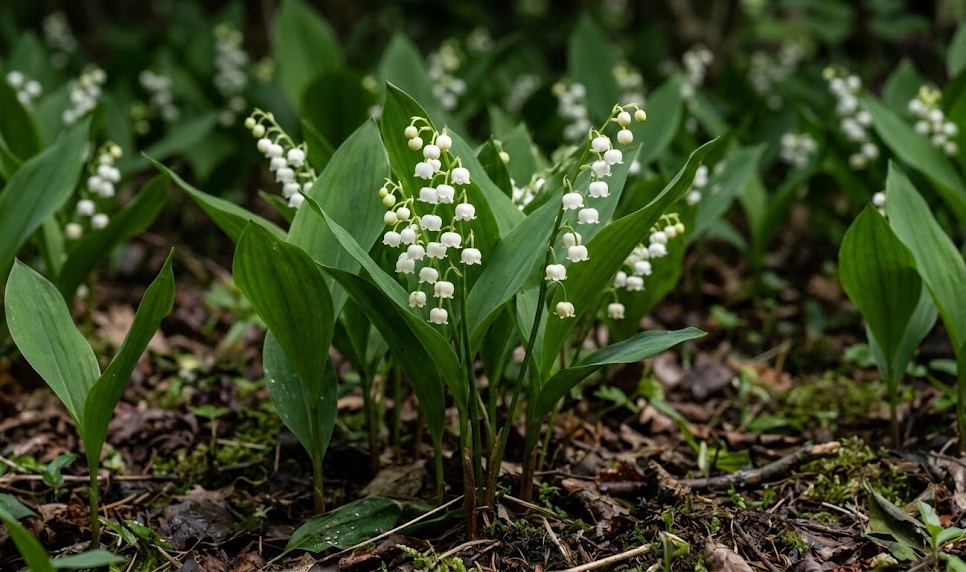
The fundamental care of lily of the valley begins with understanding its natural habitat as a woodland perennial. You must provide a cool and shaded environment that mimics the forest floor of a deciduous woodland. Successful cultivation depends on maintaining high soil quality and consistent moisture levels throughout the growing season. This plant is known for its resilience once established, but it requires careful attention during its initial years.
Soil drainage is perhaps the most critical factor when choosing a permanent spot for your plants. While they love moisture, they cannot survive in soil that remains waterlogged for extended periods. You should incorporate plenty of organic matter like leaf mold or well-rotted compost to improve the structure. These additions help the soil retain vital moisture while allowing excess water to drain away from the delicate roots.
Temperature management is another key aspect that dictates the health of your garden beds. These flowers thrive in temperate climates and often struggle in areas with excessive summer heat. If you live in a warmer region, providing deep shade is non-negotiable for their long-term survival. Keeping the roots cool with a thick layer of mulch can significantly reduce heat stress during the hottest months.
Long-term maintenance involves monitoring the spread of the plants to ensure they do not become overcrowded. Healthy colonies will naturally expand through their underground rhizome system every single year. You should observe the density of the foliage to decide when intervention or thinning might be necessary. Providing a balanced environment allows these delicate flowers to return with vigor every spring season.
Managing the spread of rhizomes
The growth habit of this species is characterized by an extensive underground network of creeping rhizomes. These roots allow the plant to colonize large areas relatively quickly under the right conditions. You need to be mindful of where you plant them to avoid competition with less vigorous species. Installing deep root barriers can be an effective way to keep the colony within its designated boundaries.
More articles on this topic
Aggressive spreading is often a sign of a very healthy and well-nourished plant colony. If the plants begin to encroach on walkways or other flower beds, you can easily dig up the excess. It is best to perform this task in early spring before the new growth fully emerges. Managing the spread manually ensures that your garden layout remains organized and visually appealing throughout the year.
Overcrowding can lead to a decrease in flower production as the plants compete for limited nutrients. When the density becomes too high, the individual stems may appear smaller and less vibrant. Thinning the patch every few years encourages the remaining plants to grow stronger and produce more blooms. This practice also improves air circulation, which is vital for preventing various fungal issues.
Providing adequate space between the initial plantings will give the colony room to develop naturally. You should plan for a spread of at least several inches per year in optimal soil conditions. Understanding this growth pattern helps you design a garden that accommodates the plant’s natural tendencies. A well-managed patch provides a lush green carpet that serves as a perfect backdrop for other spring flowers.
Enhancing soil quality for longevity
Rich and loamy soil is the foundation for a flourishing patch of these fragrant spring flowers. You should aim for a soil composition that is high in organic content and slightly acidic. Adding composted forest floor material can provide the specific nutrients that these plants crave. Regular soil testing can help you determine if any specific amendments are needed to maintain health.
More articles on this topic
Soil compaction is a common enemy that can hinder the development of the underground root system. You must avoid walking over the planting beds to keep the earth light and airy. If the soil becomes too hard, the rhizomes will struggle to push through and expand. Using stepping stones within the garden can help you perform maintenance without damaging the soil structure.
Mulching is a highly effective technique for preserving soil quality and suppressing unwanted weed growth. A thick layer of organic mulch will slowly break down and feed the soil over time. You can use wood chips, shredded leaves, or bark nuggets to achieve the best results. This layer also acts as an insulator, protecting the roots from sudden temperature fluctuations in the spring.
Nutrient cycling occurs naturally in a healthy woodland garden through the decomposition of fallen leaves. You should allow some leaf litter to remain on the beds during the autumn months. This natural mulch provides protection and returns essential minerals to the earth as it decays. Emulating these natural processes reduces the need for synthetic inputs and promotes a sustainable garden ecosystem.
Monitoring seasonal changes and plant health
Observing the plants throughout the changing seasons is essential for identifying potential problems early. In the spring, you should look for the first tips of growth emerging from the soil. Any signs of yellowing or stunted growth at this stage could indicate issues with the roots. Catching these problems early allows you to take corrective action before the blooming period begins.
During the summer, the foliage should remain a deep and vibrant green color. If the leaves start to turn brown or crispy at the edges, the plant is likely suffering from heat stress. You may need to increase the frequency of watering or provide additional temporary shade. Healthy foliage is necessary for the plant to store energy for the following year’s growth.
Autumn marks the period when the plants begin to transition into their dormant state. The leaves will naturally turn yellow and then brown as the weather cools down. You should not worry about this change, as it is a normal part of the plant’s life cycle. Removing the dead foliage in late autumn can help keep the garden tidy and reduce pest hideouts.
Winter is a time of rest for the rhizomes buried deep beneath the surface of the soil. Even though there is no visible growth, the roots are still active in a dormant capacity. Providing a final layer of mulch before the first frost can offer extra protection against deep freezes. This careful seasonal monitoring ensures that your plants remain healthy for many years to come.
Improving air circulation and plant density
Proper air movement is often overlooked but is vital for the health of dense groundcovers. When plants are packed too tightly together, humidity can become trapped between the leaves. This stagnant air creates the perfect environment for mold and mildew to develop quickly. You should ensure that the planting site is not completely enclosed by dense walls or shrubs.
Thinning the colony is the most direct way to improve the airflow around the individual stems. By removing a portion of the plants, you allow more wind to penetrate the foliage. This simple task can significantly reduce the risk of leaf spot and other moisture-related diseases. It is a proactive measure that keeps the entire patch looking clean and professional.
Strategic placement in the garden can also help facilitate better natural air movement. You should avoid planting in deep hollows where cold or damp air tends to settle. Choosing a slightly sloped area or a spot with consistent breezes is highly beneficial. These environmental choices make the daily care of the plants much easier for the gardener.
Maintaining a clean garden environment is the final step in ensuring good air circulation. You should regularly remove any fallen debris or weeds that might block the flow of air. Keeping the surrounding area clear allows the plants to breathe and grow without unnecessary competition. A well-ventilated garden is almost always a healthier and more productive garden space.
Utilizing companions for garden balance
Choosing the right companion plants can enhance the visual appeal and health of your garden beds. Plants like ferns and hostas thrive in the same shaded conditions as your lily of the valley. These companions provide a variety of textures and leaf shapes that complement the delicate flowers. They also help to fill in gaps and create a more cohesive woodland aesthetic.
Companion planting can also serve functional purposes beyond simple decoration and visual interest. Larger plants can provide extra shade for the smaller flowers during the intense afternoon sun. Their root systems can also help stabilize the soil and prevent erosion on sloped sites. Creating a diverse plant community leads to a more resilient and balanced garden ecosystem.
You must ensure that the companions you choose do not have overly aggressive root systems. Some groundcovers might compete too strongly with the rhizomes for space and nutrients. It is best to select plants that have different root depths to minimize direct competition. This careful selection process ensures that all species in the bed can thrive together.
Flowering periods should also be considered when planning your garden layout and plant selection. You can choose companions that bloom at different times to extend the season of interest. While the lily of the valley provides beauty in the spring, other plants can take over in the summer. This approach keeps your garden looking vibrant and full of life for many months.
Maintaining aesthetic appeal and flower production
The beauty of these plants lies in their delicate white bells and intense, sweet fragrance. To maximize flower production, you must ensure the plants receive enough light during the early spring. While they love shade, too much deep shade can sometimes result in fewer blooms over time. Finding the perfect balance of light and shadow is the hallmark of an expert gardener.
Removing spent flower stalks is a simple way to keep the plants looking neat and tidy. You should cut the stems back to the base once the blossoms have completely faded. This prevents the plant from wasting energy on seed production and directs it back to the roots. It also keeps the foliage looking clean and prevents any rotting material from sitting on the leaves.
Foliage care is just as important as flower care for maintaining the overall look of the bed. You should avoid cutting back the green leaves until they have naturally turned yellow in the fall. These leaves are the primary source of energy production for the underground rhizomes during the summer. Keeping them healthy ensures a spectacular show of flowers during the next growing season.
Regularly inspecting the patch for any signs of damage or uneven growth will keep it looking its best. You can fill in any bare spots by transplanting small sections of rhizomes from denser areas. Consistency in care and attention to detail will result in a professional-grade garden display. Your efforts will be rewarded every year when the air fills with that unmistakable spring scent.