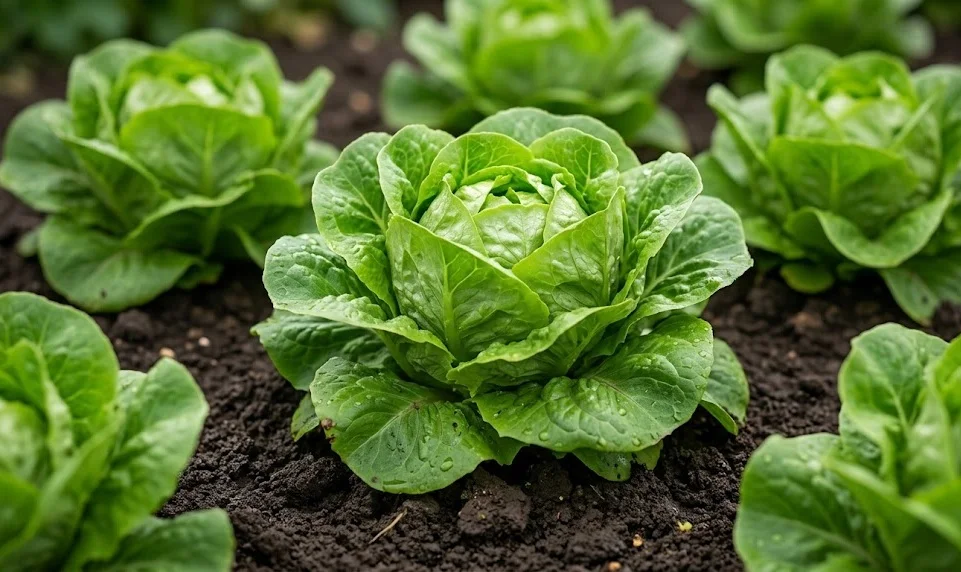

Maintaining the health of your lettuce patch begins with a deep understanding of the soil structure and its nutrient composition. You should focus on creating a friable, well-draining environment that allows the delicate root systems to expand without resistance. Adding organic matter like well-rotted compost can significantly improve the texture and water-holding capacity of the earth. When you prepare the bed properly, you set a strong foundation for the entire growing season.
The pH level of the soil plays a critical role in how well your plants can absorb necessary nutrients from their surroundings. Most varieties of lettuce prefer a slightly acidic to neutral environment, typically ranging between 6.0 and 7.0 on the scale. You can easily test your garden soil with a simple kit to determine if any amendments are required before planting. If the soil is too acidic, a light application of lime might be necessary to balance the conditions for optimal growth.
Proper aeration is another key factor that gardeners often overlook when focusing on general plant care throughout the spring. Compacted soil prevents oxygen from reaching the roots, which can lead to stunted growth or even root rot in damp conditions. You can use a broadfork or a simple garden fork to gently lift and loosen the earth without flipping the layers entirely. This practice encourages beneficial microbial activity and ensures that moisture can penetrate deeply into the lower profiles.
Consistency in soil moisture is the final pillar of successful lettuce cultivation during the warmer months of the year. Because lettuce has a shallow root system, the top few inches of soil must remain consistently damp but never waterlogged. You might find that checking the moisture levels daily helps you stay ahead of any potential drought stress for the plants. Healthy soil acts like a sponge, releasing moisture slowly to the crop while maintaining the structural integrity of the garden bed.
Weeding and aeration techniques
Keeping your lettuce beds free of competing vegetation is one of the most time-consuming but rewarding tasks in the garden. Weeds often grow much faster than leafy greens and can quickly steal the light, water, and nutrients intended for your crop. You should aim to remove weeds while they are still small and their root systems are relatively undeveloped. Using a sharp hoe or simply pulling them by hand ensures that the surrounding soil remains undisturbed for your lettuce.
More articles on this topic
Regularly breaking the surface crust of the soil helps maintain a steady flow of gases between the atmosphere and the roots. When the ground becomes hard after a heavy rain, it can create a barrier that prevents light showers from soaking in effectively. You can use a hand cultivator to gently scratch the surface around your plants at least once every week. This simple action not only improves aeration but also disrupts the germination of any new weed seeds lurking just below.
When you work around your lettuce plants, it is important to be extremely careful not to damage the tender leaves or stems. Any physical injury to the plant can become an entry point for pathogens or attract unwanted pests to the area. You should focus your efforts on the space between the rows rather than working too closely to the individual heads. A gentle touch ensures that the plants continue to thrive without the stress of mechanical damage during their peak growth phase.
Observation is your best tool when it reached to maintaining the balance of your garden ecosystem through manual intervention. By spending time in the garden each day, you can spot emerging issues before they become widespread problems for your entire harvest. You might notice that certain areas of the bed dry out faster or that specific weeds are more persistent than others. Adjusting your techniques based on these observations will make your gardening efforts much more efficient and productive over time.
Maximizing growth with mulch
Applying a layer of organic mulch around your lettuce plants can drastically reduce the amount of time you spend on maintenance. Mulch acts as a protective barrier that suppresses weed growth by blocking the sunlight needed for seeds to germinate. You can use materials like straw, shredded leaves, or even dried grass clippings from your own lawn. This layer also helps to regulate soil temperature, keeping the roots cool when the sun begins to intensify during the day.
More articles on this topic
Moisture retention is perhaps the most significant benefit of using mulch in a professional gardening environment. By covering the soil surface, you prevent rapid evaporation and ensure that the water you apply stays where the plants need it most. This means you will likely need to irrigate less frequently, saving both time and precious water resources throughout the season. A steady supply of moisture prevents the lettuce from becoming bitter, which is a common problem in dry conditions.
As organic mulch breaks down over time, it slowly contributes valuable nutrients back into the soil for the plants to use. This natural decomposition process mimics the forest floor and encourages a healthy population of earthworms and beneficial bacteria. You should periodically check the thickness of your mulch layer and add more if it begins to thin out or disappear. This continuous cycle of replenishment builds long-term soil fertility and improves the overall health of your garden patch.
When you apply mulch, make sure to leave a small gap around the base of each lettuce plant to prevent rot. If the mulch is pressed directly against the stem, it can trap too much moisture and create a bridge for crawling insects. A clean circle of about an inch or two is usually enough to provide protection without causing any harm to the crop. Following this simple rule will help you enjoy all the benefits of mulching while keeping your plants safe and healthy.
Companion planting strategies
Growing lettuce alongside specific neighbor plants can create a more resilient and productive environment in your backyard garden. Certain vegetables and flowers release scents or chemicals that naturally repel the pests that typically plague leafy greens. For instance, planting onions or chives nearby can confuse aphids and prevent them from settling on your tender lettuce leaves. This natural approach to pest management reduces the need for external interventions and supports a healthier ecosystem.
You can also use taller plants to provide much-needed shade for your lettuce during the hottest parts of the summer afternoon. Sunflowers, corn, or even staked tomatoes can act as living sunshades that prevent the lettuce from bolting or turning bitter. By carefully planning the layout of your garden, you can maximize the use of space and protect sensitive crops simultaneously. This strategy allows you to extend the harvesting season well into the warmer months of the year.
Some companion plants are known to improve the flavor of the vegetables growing around them through subterranean interactions. Many gardeners swear that planting dill or chervil in the same bed as lettuce results in a more vibrant and crisp harvest. While the scientific evidence may vary, the presence of aromatic herbs definitely attracts beneficial pollinators to your garden space. These insects can help manage pest populations by preying on the bugs that might otherwise damage your lettuce.
Diversity in the garden bed prevents the rapid spread of diseases that often target monocultures of a single plant type. When you mix lettuce with different species, you create physical barriers that make it harder for pathogens to travel from leaf to leaf. You should experiment with different combinations to see what works best for your specific climate and soil conditions. Building a diverse garden is one of the best ways to ensure a steady and healthy supply of fresh produce.
Seasonal maintenance routines
Adjusting your care routine as the seasons transition is vital for maintaining a continuous supply of fresh greens for your table. During the cool spring months, your focus should be on maximizing sunlight and protecting young plants from sudden late frosts. You might need to use row covers or cold frames to keep the temperature stable during the unpredictable weather of early April. This early attention pays off with a much faster growth rate and an earlier first harvest.
As the heat of summer approaches, your priorities will shift toward cooling the soil and preventing the plants from going to seed too quickly. Bolting is a natural process triggered by high temperatures and long days, but it makes the leaves tough and unpalatable. You can try frequent light misting to lower the ambient temperature around the plants during the peak of the day. Providing extra water and shade will help you maintain the quality of your lettuce even when the sun is at its strongest.
The arrival of autumn brings a new set of challenges and opportunities for the dedicated lettuce grower in the home garden. Cooler nights and shorter days actually improve the sweetness of many varieties, making it an excellent time for a second planting. You should remove any spent summer plants and refresh the soil with a bit of compost before putting in new seeds. Keeping a close eye on the forecast will help you decide when to provide extra protection against the first light freezes.
Recording your observations in a simple garden journal can help you refine your seasonal routines over many years of growing. Note down the dates of your first and last frosts, as well as the performance of different varieties in various weather conditions. This personal data is incredibly valuable for planning future gardens and ensuring you are always prepared for the changing seasons. Learning from your own experience is the fastest way to become a truly expert gardener in your local area.
Tool upkeep for gardeners
Having the right tools in good condition makes every task in the lettuce garden easier and more enjoyable for the grower. You should invest in a high-quality hand trowel and a sharp hoe that feel comfortable in your hand during extended use. Dull tools require more effort and can cause jagged cuts on your plants, which increases the risk of infection and stress. Taking a few minutes to sharpen your blades at the start of the season is a very wise investment of time.
Cleaning your tools after every use prevents the unintentional spread of soil-borne diseases between different parts of your garden. You can keep a bucket of sand mixed with a little bit of vegetable oil nearby to quickly plunge your tools into after work. This simple practice removes dirt and provides a light protective coating that prevents rust from forming on the metal surfaces. It also ensures that your equipment is always ready for the next task without any extra preparation needed.
Proper storage is another important aspect of tool maintenance that helps extend the lifespan of your valuable garden equipment. You should keep your tools in a dry, covered area like a shed or a garage where they are protected from the elements. Hanging them on a wall or placing them in a dedicated rack prevents the edges from becoming dull or damaged by sitting on a concrete floor. Organized storage also means you can always find exactly what you need when a garden emergency arises.
You should also pay attention to the condition of your watering equipment, such as hoses, nozzles, and watering cans, throughout the year. Leaky connections waste water and can create muddy spots in your garden paths that are difficult to manage later. Periodically checking the rose of your watering can for clovers or mineral buildup ensures a gentle and even flow of water for your seedlings. Maintaining your infrastructure is just as important as caring for the plants themselves in a professional garden.
Efficient harvesting practices
Knowing exactly when and how to harvest your lettuce will ensure that you get the best possible flavor and texture from your crop. Most leaf varieties can be harvested using the “cut and come again” method, where you only take the outer leaves as needed. This allows the inner heart of the plant to continue growing and producing new foliage for several weeks or even months. You should always use a sharp pair of scissors or a knife to make clean cuts that heal quickly.
The time of day you choose to harvest can have a significant impact on how long your greens stay fresh after they are picked. It is best to gather your lettuce early in the morning while the leaves are still turgid and full of moisture from the night. If you wait until the heat of the afternoon, the plants will likely be slightly wilted and may lose their crispness much faster. This simple timing adjustment can make a world of difference in the quality of your salads and sandwiches.
When you are ready to harvest an entire head of lettuce, you should cut it just above the soil line with a steady hand. You can then immediately remove any yellowed or damaged outer leaves and place the head in a cool, shaded spot. Some gardeners prefer to wash their lettuce immediately in cold water to remove any lingering soil or small insects before storage. Drying the leaves thoroughly before putting them in the refrigerator helps prevent them from becoming slimy or spoiled prematurely.
Regular harvesting actually encourages the plants to keep producing and prevents them from reaching the maturity stage where they begin to bolt. By taking a little bit of produce every day, you keep the plants in a youthful and vigorous state of growth. If you have more lettuce than you can eat, consider sharing your bounty with neighbors or friends to avoid any waste in the garden. Keeping the plants active is the key to a long and successful lettuce season in any gardening environment.