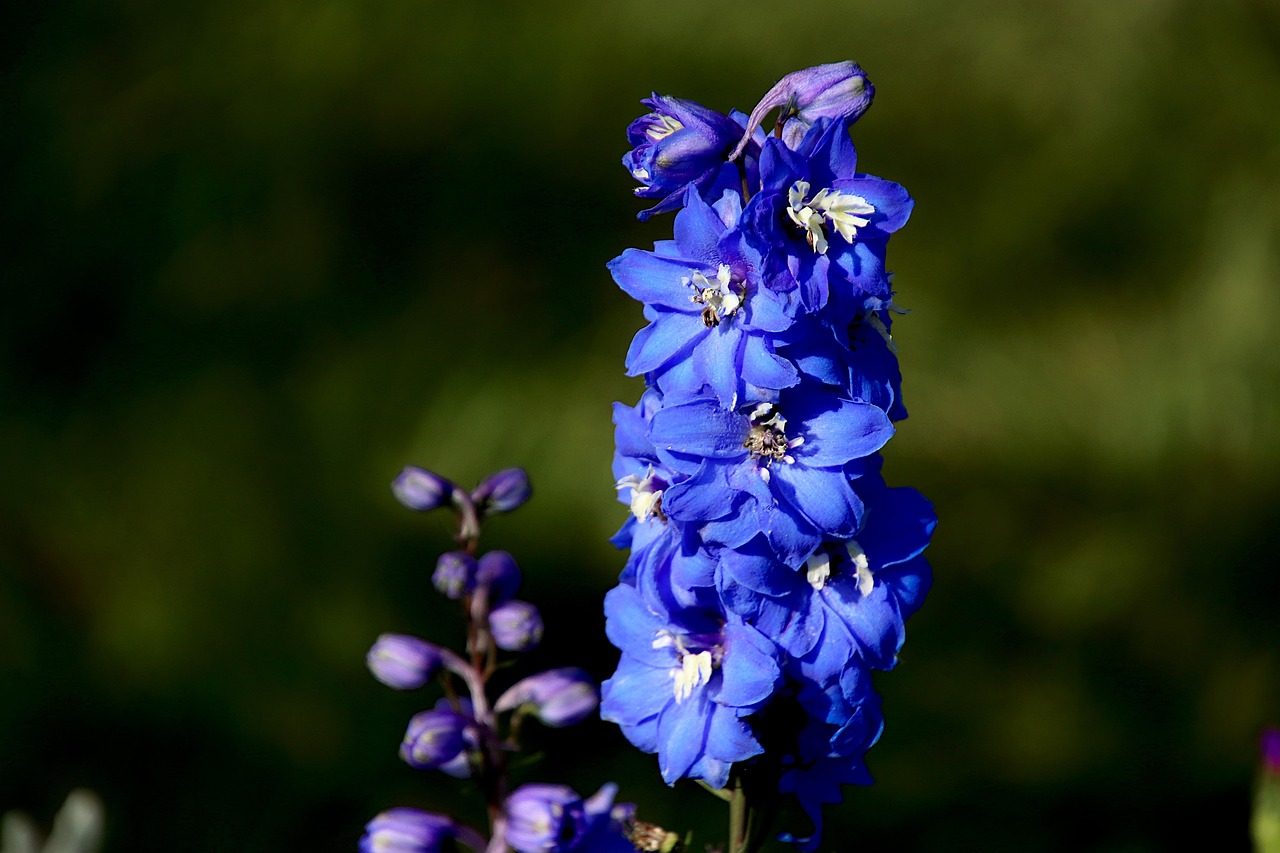

Maintaining these towering perennials requires a blend of vigilance and understanding of their specific environmental needs. To ensure they reach their full potential, you must pay close attention to the soil conditions and the stability of their stems. Proper care begins with selecting a site that offers protection from harsh winds while providing the rich nutrients these plants crave. By establishing a solid foundation during the early growth stages, you can enjoy a spectacular display of color throughout the blooming season.
Establishing the right environment
Finding the perfect location in your garden is the first step toward successful cultivation. These plants prefer deep, fertile soil that drains well but retains enough moisture to keep roots cool. You should avoid heavy clay that might cause waterlogging or sandy soils that dry out too quickly. Adding organic matter like well-rotted compost or leaf mold can significantly improve the soil structure for better results.
Temperature management is another critical factor for the healthy development of your flowers. They generally thrive in cooler climates and may struggle in areas with extreme summer heat. If you live in a warmer region, providing some afternoon shade can help prevent the foliage from scorching. Consistent moisture levels in the soil will also help the plant cope with rising temperatures during July and August.
The pH level of your garden soil should ideally be neutral to slightly alkaline for optimal growth. You can perform a simple soil test to determine if you need to add lime to raise the pH or sulfur to lower it. Most professional gardeners recommend a range between 6.5 and 7.5 for these specific perennials. Monitoring this balance annually ensures that the plants can easily absorb the nutrients provided through fertilization.
Proper spacing between individual plants is essential to prevent overcrowding and promote healthy growth. When the crowns have enough room, they are less likely to compete for vital resources like water and minerals. You should aim for at least fifty to sixty centimeters of distance between each specimen. This layout also makes it much easier for you to perform routine maintenance tasks without damaging neighboring plants.
More articles on this topic
Structural support and staking
Due to their impressive height, these perennials often require artificial support to stay upright. Their hollow stems are surprisingly fragile and can easily snap during a sudden summer storm or heavy rainfall. You should install your support system early in the spring before the plants reach thirty centimeters in height. This proactive approach allows the foliage to grow around the stakes, making the support look more natural.
Bamboo canes or sturdy metal stakes are the most common choices for providing the necessary stability. You can carefully tie the main stems to the stakes using soft garden twine or specialized plant clips. It is important to leave enough room within the loop for the stem to expand as it matures. Avoid using wire or thin string that could cut into the delicate plant tissue over time.
For larger groupings, specialized circular supports or wire cages can be highly effective. These structures allow multiple stems to grow through a grid, providing collective stability for the entire clump. As the flower spikes develop, you might need to add additional ties to support the weight of the heavy blooms. Keeping the stems vertical ensures that the flowers remain visible and aesthetically pleasing.
Regularly check the tension of your ties throughout the growing season to ensure they are still effective. Wind can cause the plants to shift, which might loosen the knots or cause the stakes to lean. If you notice a stem starting to bend, adjust the support immediately to prevent permanent damage. Taking these small steps will protect your investment and ensure a long-lasting floral display.
More articles on this topic
Maintaining soil moisture and temperature
Mulching is a highly effective technique for keeping the root zone cool and consistently moist. You can apply a five-centimeter layer of organic mulch, such as shredded bark or compost, around the base of the plants. This layer acts as an insulator, protecting the delicate roots from the direct heat of the summer sun. It also helps to suppress weed growth, which reduces competition for water and nutrients in the soil.
When applying mulch, be careful not to pile it directly against the stems or the crown of the plant. Leaving a small gap of a few centimeters will prevent moisture from trapping against the bark, which could lead to rot. You should replenish the mulch layer in early spring and again in late autumn to maintain its benefits. This practice creates a stable environment that mimics the natural woodland floors where many ancestors of these plants originated.
Consistent irrigation is vital, especially during periods of active growth and flower production. You should aim to keep the soil evenly moist but never saturated or soggy for long periods. Watering deeply at the base of the plant encourages the roots to grow further down into the soil. Surface watering often leads to shallow root systems that are more vulnerable to drought and heat stress.
Morning is generally considered the best time to irrigate your garden beds. This timing allows any moisture on the leaves to dry quickly as the sun rises, reducing the risk of fungal infections. If you must water in the evening, try to keep the foliage as dry as possible. Using a soaker hose or a drip irrigation system can be an excellent way to deliver water precisely where it is needed.
Promoting air circulation for plant health
Good airflow is a primary defense against many common garden ailments that affect tall perennials. When plants are packed too tightly together, humidity levels rise, creating a breeding ground for mildew and mold. You can improve circulation by ensuring that the surrounding area is free from dense weeds or overhanging branches. Thinning out some of the smaller stems from the center of large clumps can also help.
Strategic placement in the garden can naturally enhance the movement of air around your flowers. Try to avoid planting them in stagnant corners or against solid walls that block the prevailing breeze. A location that receives a gentle breeze will help keep the foliage dry and healthy throughout the summer. This natural ventilation is often the most cost-effective way to maintain a disease-free garden.
Monitoring the density of the foliage as the season progresses will help you identify potential problems. If the lower leaves start to turn yellow or show signs of spotting, it may be a signal that circulation is poor. You can selectively remove a few leaves to open up the structure of the plant. This minor intervention can make a significant difference in the overall vitality of the specimen.
Large garden beds should be designed with paths or gaps that allow air to flow between different groups of plants. These corridors not only facilitate maintenance but also act as ventilation channels. Maintaining a clean garden environment by removing fallen leaves and debris further supports healthy air movement. A well-ventilated garden is much easier to manage and far more resilient against environmental stressors.
The importance of deadheading blooms
Removing spent flowers is a crucial task for extending the blooming period of your larkspur. When you cut off the faded spikes, the plant redirects its energy from seed production back into the root system. This process often encourages the development of secondary flower spikes later in the summer. You should use sharp, sterilized pruning shears to make clean cuts just above a set of leaves.
Timing is everything when it comes to effective deadheading for the best results. You should monitor the flower spikes daily and remove them as soon as the majority of the individual blossoms have withered. Waiting too long allows the plant to start forming seed pods, which signals the end of its flowering cycle. Consistent attention during June and July will reward you with a much longer period of color.
In addition to promoting more flowers, deadheading helps to maintain a tidy and professional appearance in your garden. Faded flower spikes can look messy and may attract unwanted pests as the tissue begins to decompose. By keeping the plants clean, you reduce the risk of disease spreading through the garden bed. A well-maintained garden always reflects the care and expertise of the person who manages it.
Some gardeners choose to leave a few flower spikes at the end of the season to collect seeds for future planting. If you decide to do this, wait until the pods have turned brown and started to crack open. However, keep in mind that seedlings from modern hybrids may not look exactly like the parent plant. For most ornamental gardens, consistent deadheading remains the preferred practice for maximum visual impact.
Nutrient management throughout the season
Highly productive perennials require a steady supply of nutrients to fuel their rapid growth. You should begin a regular feeding schedule in early spring as soon as the first new shoots appear. A balanced fertilizer with a ratio like 10-10-10 is often suitable for providing the basic elements. You can apply the fertilizer to the soil surface and gently water it in to reach the root zone.
As the flower spikes begin to elongate, switching to a fertilizer higher in phosphorus can be beneficial. Phosphorus is the key nutrient that supports the development of large, vibrant blooms and strong root systems. You might also consider using a liquid fertilizer every few weeks for a quick nutrient boost during the peak of summer. Always follow the manufacturer’s instructions to avoid over-fertilizing, which can damage the roots.
Incorporating organic matter like composted manure into the soil each year provides a slow-release source of nutrition. This practice also improves the biological activity in the soil, making it easier for plants to access existing minerals. You can top-dress the garden beds with a thin layer of compost every spring before the growth becomes too dense. This natural approach builds long-term soil health and reduces the need for synthetic chemicals.
Observing the color and size of the leaves can give you clues about the nutritional status of your plants. If the leaves appear pale or stunted, it may indicate a nitrogen deficiency that needs immediate attention. On the other hand, dark green, lush foliage with very few flowers might suggest an excess of nitrogen. Balancing these elements requires experience and a keen eye for the subtle changes in plant behavior.
Longevity and perennial maintenance
While these plants are technically perennials, they are often relatively short-lived compared to other garden favorites. You can expect a healthy clump to remain vigorous for about three to five years before it starts to decline. To maintain a constant presence in your garden, you should plan to renew your stock regularly. Dividing the crowns every few years is one of the most effective ways to rejuvenate older plants.
Keeping accurate records of when each plant was established will help you manage the lifecycle of your garden beds. You might notice that older specimens produce fewer flower spikes or smaller blossoms over time. When a plant loses its vigor, it is often better to replace it with a fresh seedling rather than trying to nurse it back to health. This proactive rotation ensures that your garden remains full of life and color every year.
Autumn maintenance is the final step in ensuring the long-term success of your larkspur collection. Once the foliage has turned brown after the first hard frost, you should cut the stems back to ground level. Removing the dead material prevents pests from overwintering in the garden and reduces the risk of disease spores surviving until spring. Cleaning your tools after this task is essential to prevent cross-contamination between different plants.
Professional gardeners often use the winter months to plan for the upcoming season and order new varieties. Exploring different cultivars can add variety to your garden and help you find plants that are better suited to your specific microclimate. By combining expert care with a strategic approach to plant health, you can master the art of growing these magnificent flowers. Your dedication will be evident in every towering spike of blue, purple, or white that graces your landscape.