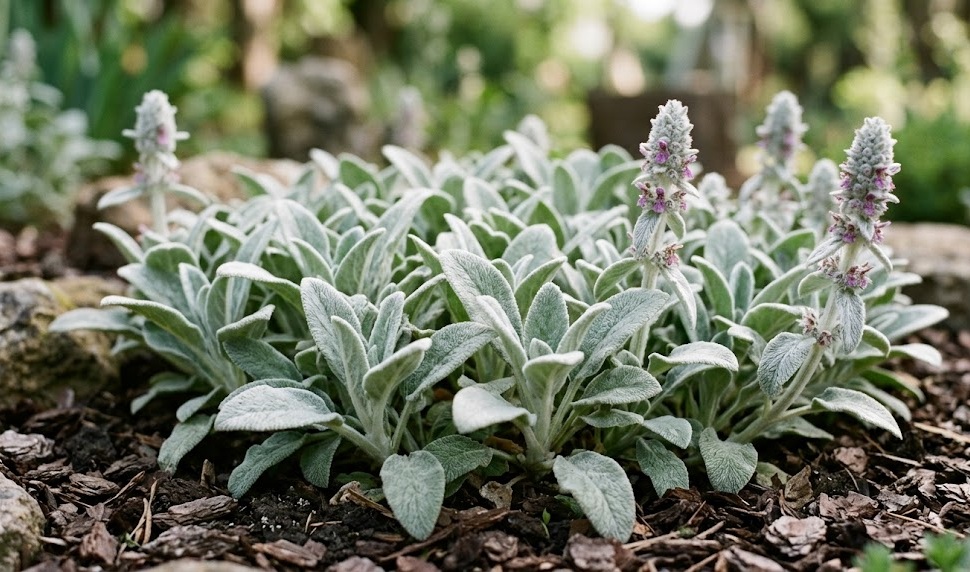

Maintaining a healthy garden environment requires understanding the specific needs of unique foliage plants like the lamb’s ear. This perennial is widely beloved for its silvery, velvet-textured leaves that provide a striking contrast to traditional green garden beds. While it is generally considered a low-maintenance plant, achieving the best visual results necessitates a consistent approach to its basic requirements. Successful care involves balancing light, soil conditions, and physical maintenance to ensure the plant thrives across various seasons.
Essential maintenance for silver foliage
Keeping the distinctive silver leaves in top condition is the primary goal for most gardeners growing this species. You should regularly inspect the lower leaves, as they are prone to trapping moisture against the soil surface. Removing any browned or withered foliage from the base helps improve air circulation around the crown of the plant. This simple practice prevents the dense mats from becoming a breeding ground for humidity-related issues during the summer months.
The texture of the leaves is their most defining characteristic, but it also makes them sensitive to overhead contact. You should avoid handling the foliage excessively when it is wet, as the soft hairs can hold onto water and become matted. If the plant begins to look untidy after a heavy rain, a gentle fluffing of the leaves can help them dry out more efficiently. Maintaining this aesthetic appeal requires a watchful eye on the overall density of the clump throughout the growing season.
Airflow is perhaps the most critical factor in the long-term health of your lamb’s ear patches. Because the plant grows in a spreading, mat-like fashion, the center can often become overly congested. You can mitigate this by ensuring that neighboring plants do not lean over or shade the lamb’s ear too heavily. Strategic placement within the garden layout will allow natural breezes to move through the foliage, which keeps the silver hairs dry and vibrant.
Consistency in your observation will allow you to catch small issues before they become widespread problems. If you notice the silver color fading into a duller green, it might be a sign that the plant is receiving too much water or not enough light. Adjusting the surrounding environment or thinning out the patch can often restore the plant’s characteristic luster. A proactive approach to maintenance ensures that the plant remains a highlight of your landscape for years to come.
More articles on this topic
Managing the growth habits of the colony
This plant is known for its ability to spread quickly via runners, creating a lush groundcover in a relatively short period. You need to monitor the perimeter of the patch to ensure it does not encroach on more delicate garden neighbors. If the spread becomes too aggressive, simply digging up the outer edges will help maintain the desired boundaries. This management is best done in the early spring when the plant is just beginning its active growth phase.
The center of older clumps can occasionally die out, leaving a hollow or brown middle section that detracts from the plant’s beauty. This is a natural progression of the plant’s growth cycle and indicates that the colony needs rejuvenation. You can easily fix this by removing the dead center and allowing younger, more vigorous runners to fill the space. Alternatively, replanting young offsets into the center will quickly restore the full, carpeted look of the patch.
Understanding how the plant interacts with its environment will help you predict its growth patterns each year. In ideal conditions with well-drained soil, the spreading can be quite rapid, requiring more frequent intervention. In tougher, drier soils, the growth will be more controlled and compact, which might be preferable for smaller garden spaces. You should tailor your management style to the specific vigor displayed by your plants in their current location.
Groundcover plants like this are excellent for suppressing weeds, but they still require some initial help to establish dominance. During the first year of growth, keep the area between young plants clear of competing vegetation to allow the lamb’s ear to knit together. Once the mat is fully formed, the dense foliage will naturally shade out most weed seeds. This natural weed suppression is one of the greatest professional advantages of using this plant in large-scale landscaping.
More articles on this topic
Seasonal transitions and foliage health
As the seasons change, the appearance and needs of the lamb’s ear will shift significantly to adapt to the weather. In the spring, the focus should be on removing the tattered remains of the previous year’s growth to make room for new shoots. This cleanup provides a fresh start and allows the emerging silver leaves to receive maximum sunlight. You will notice a rapid transformation as the weather warms and the new foliage begins to expand.
Summer heat can be challenging for the plant, especially in regions with high humidity which can cause the leaves to melt or rot. During these months, it is vital to keep the foliage as dry as possible and provide plenty of space between individual plants. If the weather remains exceptionally muggy, the plant may enter a semi-dormant state where growth slows down. Do not be alarmed by this, as the plant is simply conserving energy to survive the stressful environmental conditions.
Autumn is a period of stabilization where the plant prepares for the coming colder months by toughening its tissues. You should reduce any intensive maintenance during this time and allow the plant to harden off naturally. The silver color often intensifies as the light levels change, providing a beautiful late-season display in the garden. Avoiding heavy pruning in late autumn ensures that the plant has enough protection for its crown before the first frost.
Winter care is mostly hands-off, but the physical structure of the plant remains visible in many climates. While the leaves may flatten or become ragged under snow, the root system remains active and hardy underground. You should avoid walking on or near the frozen patches to prevent crushing the dormant crowns. Protecting the soil structure during the winter will pay dividends when the plant emerges with renewed vigor in the spring.
Optimizing soil conditions for longevity
The foundation of a healthy lamb’s ear patch is the quality and drainage capability of the soil it inhabits. This plant thrives in poor to moderately fertile soil, as overly rich ground can lead to floppy, weak growth. You should aim for a soil structure that allows water to pass through rapidly, preventing any standing moisture around the roots. Sandy or loamy soils are ideal, while heavy clay should be amended before planting to improve its porosity.
Soil pH is generally not a major concern, as the plant is adaptable to a wide range of acidity or alkalinity. However, a neutral to slightly alkaline environment often produces the most robust and silver-colored foliage. You can test your soil if you notice poor growth, but usually, the plant will manage well without significant chemical adjustments. Focus more on the physical texture of the ground rather than its precise chemical makeup for the best results.
Compaction is a common enemy of groundcover plants and can lead to stunted growth or localized die-off. If your garden soil is naturally heavy, incorporating organic matter like compost or fine grit can create the necessary air pockets. You should avoid over-tilling the area once the plants are established, as this can damage the shallow root systems. Maintaining a loose, breathable soil environment is the key to preventing long-term health issues for the colony.
Mulching around the plants can be beneficial if done correctly with the right materials. Avoid using organic mulches that retain too much moisture, such as finely shredded wood or grass clippings, near the base of the plant. Instead, a thin layer of gravel or stone chips can help keep the foliage off the damp soil and suppress weeds. This inorganic mulch approach mimics the plant’s natural rocky habitat and supports its need for a dry surface environment.
Flower management and aesthetic choices
Many gardeners choose to grow this plant primarily for its foliage, but it does produce tall flower spikes in the summer. These spikes are covered in small, purple flowers that can attract various pollinators to your garden space. However, the stalks can sometimes look leggy or untidy, and they often draw energy away from the leaf production. You must decide whether to allow the blooms to develop or to remove them to maintain a compact foliage mat.
If you choose to keep the flowers, be prepared for the plant to look a bit more sparse during the blooming period. The stalks can reach significant heights and may require some support if the area is particularly windy. Once the blooming is finished, cutting the stalks back to the base of the plant will encourage a fresh flush of leaves. This practice helps the plant refocus its resources on maintaining the dense, silvery carpet that defines its appeal.
Some varieties are specifically bred to be non-flowering, which is a great option for those who prefer a strictly foliage-based look. These cultivars maintain a very consistent height and require less intervention throughout the mid-summer months. If you have a standard flowering variety, deadheading the spikes as soon as they fade is a professional standard for keeping the garden neat. This also prevents the plant from self-seeding excessively, which can happen in some favorable garden conditions.
The contrast between the soft leaves and the rigid flower stalks adds a vertical element to the garden design. You might find that the bees and butterflies drawn to the flowers are worth the extra effort of managing the stalks. Observing how the flowers interact with the rest of your landscape will help you make the best decision for your specific garden style. Whether you keep them or cut them, the choice should serve the overall health and visual harmony of your outdoor space.
Enhancing garden design with silver accents
The lamb’s ear is a versatile tool in the hands of a professional landscaper or an experienced gardener. Its neutral silver palette acts as a perfect foil for bright perennials like salvias, lavender, or dark-leaved heucheras. You should place it at the front of a border where its tactile nature can be appreciated by visitors walking past. The low, spreading habit makes it an ideal edging plant that softens the hard lines of paths or stone walls.
In addition to color contrast, the plant offers a unique texture that breaks up the monotony of standard garden greens. Pairing it with fine-textured grasses or glossy-leaved shrubs creates a multi-dimensional look that remains interesting even without flowers. You can use large drifts of lamb’s ear to create a sense of movement and continuity throughout a larger landscape. The way the leaves catch and reflect light can brighten up darker corners of the garden during the twilight hours.
Using this plant in rock gardens or alpine settings highlights its natural resilience and architectural form. It looks particularly effective when allowed to spill over the edges of raised beds or nestled between large boulders. You should consider the ultimate spread of the plant when designing your layout to avoid overcrowding your focal points. The silver foliage remains attractive for most of the year, providing a reliable backbone for your seasonal planting schemes.
Containers are another excellent way to showcase the beauty of this plant, especially in smaller patio spaces. It can serve as a “spiller” in a mixed pot, hanging over the edge to provide a soft, velvet frame for taller centerpieces. Ensure the container has excellent drainage, as the roots are even more sensitive to moisture in a confined environment. This flexibility allows you to bring the unique texture of lamb’s ear to areas where the soil might not be suitable for ground planting.
Professional tips for long-term vitality
To ensure your lamb’s ear remains a healthy part of your garden for a decade or more, regular division is necessary. Every three to four years, the older parts of the plant will naturally lose vigor and the patch may become thin. Digging up the entire clump and separating the young, healthy outer sections for replanting will rejuvenate the colony. This process is best performed in early spring or late autumn when the temperatures are mild and the plant is less stressed.
Monitoring for environmental stress is a key part of professional plant care, especially with silver-leaved species. If the leaves start to show signs of spotting or localized rot, it is often a signal to reduce watering or improve the local airflow. Sometimes, simply thinning out the foliage by hand is enough to reverse these issues and restore the plant’s health. Your goal is to maintain a balance where the plant is vigorous but not overwhelmed by its own density.
Keeping the area around the plants clean of debris is a simple but effective way to prevent many common garden problems. Fallen leaves from nearby trees can trap moisture and block light, leading to patches of dead foliage within the lamb’s ear mat. A quick rake-over or hand-cleaning a few times a year will keep the silver surface looking pristine and healthy. This attention to detail is what separates a standard garden from a professionally maintained landscape.
Finally, trust your instincts as a gardener when it comes to the specific needs of your local microclimate. While general rules apply, the way lamb’s ear grows in a coastal garden may differ from how it behaves in a dry, inland area. Adjust your care routine based on the visible health and growth rate of your individual plants. With a bit of observation and the right basic care, this plant will reward you with a stunning and tactile presence in your garden.