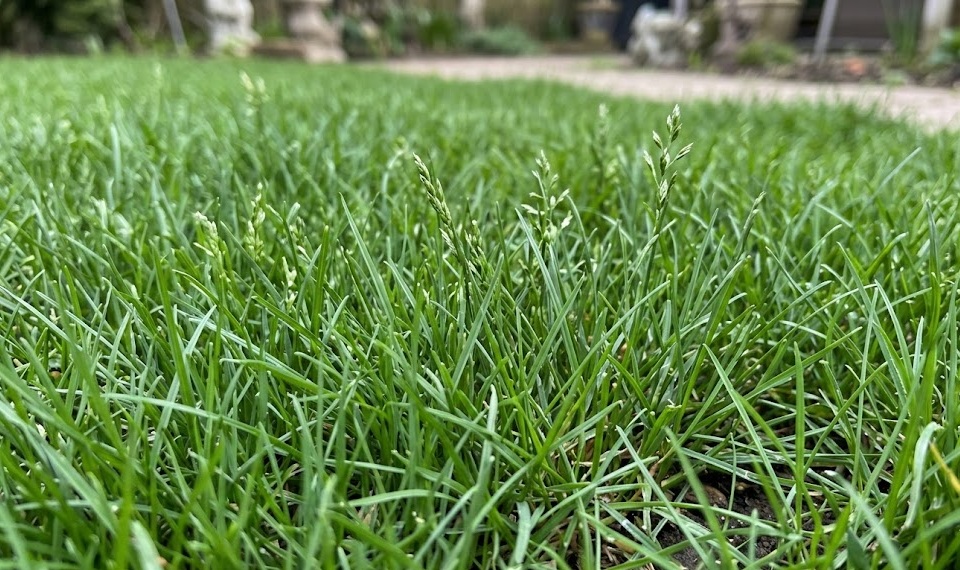

Maintaining a lush and resilient lawn requires a deep understanding of the biological needs of your turf throughout the growing season. You must approach lawn care not just as a chore, but as a scientific endeavor that balances soil health, hydration, and mechanical intervention. When you provide the right environment, this grass species rewards you with a dense, carpet-like texture that can withstand heavy use. Consistency is the most important factor when establishing a routine that ensures your green space remains vibrant for years to come.
Fundamental maintenance for healthy turf
The primary goal of any maintenance program is to support the natural growth cycle of the grass blades and roots. You should monitor the color and density of the lawn weekly to identify any potential issues before they become systemic problems. A healthy lawn acts as a natural cooling system for your garden and provides a safe area for various outdoor activities. By focusing on the structural integrity of the individual plants, you create a foundation that resists environmental stressors and invasive species.
Regular observation allows you to adjust your care routine based on the specific microclimate of your property. You might notice that certain areas receive more foot traffic or have different drainage patterns than others in the yard. Addressing these local variations ensures that every square meter of your lawn receives the exact attention it needs to thrive. Professional-grade results are achieved when you treat the lawn as a living organism rather than a static piece of landscape.
Thatch management is another critical aspect of basic care that many homeowners often overlook during their busy schedules. A thin layer of organic matter is beneficial for cushioning the soil, but excessive buildup can prevent water and nutrients from reaching the roots. You should check the thatch depth at least once a year by removing a small plug of soil and grass. If the spongy layer exceeds one centimeter, it is time to consider mechanical intervention to restore proper airflow and moisture penetration.
Communication between the soil and the atmosphere is essential for the long-term vitality of the grass plants. You can enhance this relationship by keeping the surface free of debris and fallen leaves that might block sunlight. During periods of rapid growth, you may need to increase the frequency of your observations to keep up with the plant’s demands. A proactive mindset prevents the need for costly renovations and keeps the grass looking its best throughout the warmer months.
More articles on this topic
Soil management and aeration practices
The health of your lawn is directly linked to the quality and structure of the soil beneath the surface. Compaction is a silent enemy that restricts root growth and reduces the amount of oxygen available to the plant’s metabolic processes. You will find that heavy clay soils are particularly prone to becoming dense, which limits the movement of water and nutrients. Core aeration is the most effective way to combat this issue and improve the overall environment for root development.
When you perform aeration, you create small holes that allow the ground to breathe and expand naturally. This process encourages the roots to grow deeper into the soil, making the grass more drought-tolerant and resilient. You should ideally aerate during the periods of peak growth in the spring or fall when the grass can recover quickly. Using a hollow-tine aerator ensures that you are actually removing soil cores rather than just pushing the dirt further down.
Soil pH levels also play a significant role in how well your lawn can absorb the minerals you provide through fertilization. Most experts suggest aiming for a slightly acidic to neutral pH range to maximize nutrient bioavailability. You can easily test your soil every few years to determine if you need to apply lime or sulfur to balance the chemistry. Understanding the underlying chemistry of your land allows you to make informed decisions about supplement applications.
Organic matter serves as the biological engine of the soil, supporting beneficial microbes and fungi that help the grass. You can improve soil structure by top-dressing with high-quality compost after your annual aeration sessions. This practice fills the holes with nutrient-rich material and gradually increases the water-holding capacity of sandy soils. Over time, these small improvements lead to a much more stable and self-sustaining ecosystem for your Kentucky bluegrass.
More articles on this topic
Weeding and integrated pest management
A dense stand of grass is your best defense against the encroachment of unwanted weeds and invasive plants. When you maintain a thick canopy, you effectively shade the soil surface and prevent weed seeds from germinating. However, even the most well-maintained lawns will occasionally face pressure from opportunistic species that find a gap in the turf. You should adopt an integrated approach that prioritizes cultural practices before turning to chemical solutions.
Spot-treating individual weeds is much better for the environment and the health of your soil than blanket applications. You can manually remove larger weeds with a specialized tool to ensure that the entire root system is extracted. This prevents the plant from regrowing and reduces the need for herbicides that might stress the surrounding grass. Keeping a keen eye on the edges of your lawn will help you catch invaders before they have a chance to go to seed.
Pre-emergent treatments can be useful in the early spring if you have a history of heavy crabgrass or annual weed pressure. You must time these applications carefully based on soil temperature to ensure they are effective against the targeted species. Following the manufacturer’s instructions exactly is crucial for protecting the beneficial organisms that live in your soil. Always remember that a healthy lawn can outcompete most weeds without significant chemical intervention if given the right resources.
Monitoring for insect activity is just as important as managing plant-based invaders in your garden space. Certain pests can damage the root system or the foliage, leading to brown patches and thinning turf. You should look for signs of irregular chewing or birds pecking at the lawn, which can indicate an infestation. By maintaining high health standards, you ensure that the grass can recover quickly from minor insect damage without lasting aesthetic issues.
Seasonal care and adaptation
As the seasons change, so do the physiological requirements of your Kentucky bluegrass lawn. In the spring, your focus should be on waking up the turf and repairing any damage caused by winter frost or snow mold. This is the ideal time for light raking to remove dead material and prepare the surface for new growth. You will notice a surge in energy as the soil warms up and the days become longer and brighter.
Summer presents the most significant challenges due to high temperatures and potential drought conditions. You must adjust your mowing height and irrigation frequency to help the grass cope with the intense solar radiation. During the hottest weeks, the grass may slow its growth to conserve energy, which is a natural survival mechanism. You should avoid heavy fertilization or aggressive mechanical work during this period to minimize stress on the plants.
The fall is perhaps the most productive season for lawn care because the air is cool but the soil remains warm. This combination creates the perfect environment for root expansion and recovery from summer heat stress. You should focus on building up nutrient reserves and performing core aeration or overseeding to thicken the turf. Preparing the lawn properly in the autumn ensures a much faster green-up when the following spring arrives.
Winter care is largely about protection and minimizing physical traffic on the dormant or frozen grass. You should avoid walking on the lawn when it is covered in frost, as this can break the brittle blades and cause crown damage. Keeping the area clear of heavy objects or piles of snow will prevent suffocation and the development of fungal diseases. Understanding these seasonal shifts allows you to work with nature rather than against it for a beautiful yard.
Improving density through overseeding
Overseeding is a powerful technique for rejuvenating an aging lawn or filling in thin spots that have appeared over time. You should select high-quality seed varieties that match the existing grass to ensure a uniform appearance and growth rate. This process introduces newer, more disease-resistant genetics into your lawn, which improves its overall hardiness. When you keep the turf dense, you leave no room for weeds to establish themselves in the soil.
The best time to overseed is usually in late summer or early autumn when the competition from weeds is lower. You need to ensure good seed-to-soil contact by raking the area or performing aeration before spreading the seeds. Using a broadcast spreader helps you achieve an even distribution across the entire surface of the yard. After sowing, you should lightly roll the area to press the seeds into the ground for better germination rates.
Watering is the most critical factor during the first few weeks after you have introduced new seeds to the lawn. You must keep the surface consistently moist without creating puddles or washing the seeds away from their positions. Light, frequent misting is much better than heavy irrigation until the new blades reach a height of a few centimeters. Once the seedlings are established, you can gradually return to your normal deep-watering routine for the whole area.
Protecting the young grass from foot traffic and heavy equipment is essential during the establishment phase. You should wait until the new grass has been mowed at least two or three times before allowing normal activity to resume. This gives the root systems enough time to anchor themselves firmly in the soil and begin spreading. The result of this effort is a significantly thicker lawn that feels much softer and looks more professional.
Equipment maintenance for turf health
The tools you use to care for your lawn have a direct impact on the quality of the finish and the health of the grass. You should inspect your lawn mower regularly to ensure that the blades are sharp and balanced for a clean cut. Dull blades tear the grass rather than cutting it, which leaves jagged edges that are more susceptible to disease and water loss. Spending a few minutes on equipment maintenance can save you hours of trouble with lawn health issues.
Cleaning your equipment after each use prevents the spread of weed seeds and fungal spores between different areas of your garden. You should wash the underside of the mower deck to remove clippings that can harbor pathogens and cause rust. Checking the oil levels and air filters of your power tools ensures they run efficiently and produce fewer emissions. Reliable equipment makes the task of lawn care much more enjoyable and productive for the gardener.
Your irrigation system also requires periodic checks to ensure that water is being distributed evenly across the lawn. You can place small containers around the yard to measure how much water each zone receives during a cycle. If you notice dry spots or overlapping spray patterns, you may need to adjust the nozzle heads or the timing. Efficient watering saves resources and prevents the development of localized issues caused by uneven moisture levels.
Storage is another factor that influences the lifespan and performance of your gardening machinery and tools. You should keep your mower and other implements in a dry, sheltered area to protect them from the elements. Before winter, it is a good idea to stabilize the fuel and perform a thorough cleaning of all metal surfaces. Well-cared-for tools are an investment that will serve you and your lawn faithfully for many growing seasons.
Long-term sustainability of the lawn
A sustainable approach to lawn care ensures that your green space remains healthy without excessive inputs of chemicals or water. You should aim to create a self-regulating ecosystem where the grass, soil, and beneficial organisms work together harmoniously. Using organic fertilizers and biological controls helps to preserve the natural balance of your local environment. This philosophy not only benefits your immediate surroundings but also contributes to the health of the broader landscape.
Leaving grass clippings on the lawn, a practice known as grasscycling, is a simple way to return nutrients to the soil. These clippings decompose quickly and provide a significant portion of the nitrogen your lawn needs throughout the year. You will find that this reduces your dependence on synthetic fertilizers and saves you time during the mowing process. As long as the clippings are small and the thatch layer is managed, this practice is highly beneficial.
Encouraging deep root growth through proper cultural practices makes your lawn more resistant to the effects of climate change. You should prioritize long-term health over short-term aesthetic boosts that might stress the plants in the long run. By choosing cultivars that are adapted to your local conditions, you reduce the amount of intervention required to keep the grass green. A resilient lawn is one that can bounce back from extreme weather events with minimal human assistance.
Final success in lawn care comes from the patience and dedication you show to your outdoor living space. You should take pride in the progress you make and learn from the challenges that arise each season. Sharing your knowledge with neighbors and fellow gardeners helps to foster a community that values beautiful and sustainable landscapes. Your Kentucky bluegrass lawn is a living legacy that reflects your commitment to the beauty and health of your home.