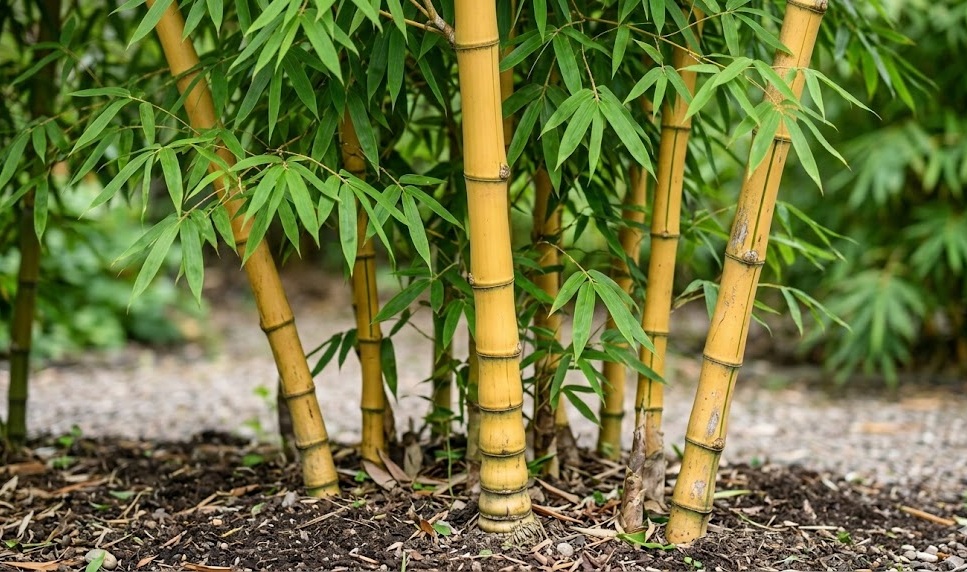

Caring for this vibrant and versatile bamboo variety requires a balanced approach that combines understanding its natural growth habits with consistent maintenance. Golden bamboo is widely appreciated for its unique yellow culms and dense foliage which can create a living screen in almost any garden setting. To keep the plant healthy and aesthetically pleasing, you must pay attention to its specific needs throughout the changing seasons of the year. While it is known for being a resilient species, true success comes from providing the right environmental conditions and proactive care.
Ideal growing conditions for development
The first step in proper care is ensuring that the plant is situated in an environment that mimics its native habitat as closely as possible. This bamboo thrives in fertile, well-draining soil that remains consistently moist but never becomes waterlogged or stagnant. You should consider a location that offers protection from harsh, drying winds which can damage the delicate leaves and cause premature browning. If the soil is too heavy or contains too much clay, adding organic matter such as compost can significantly improve the structure and drainage.
Placement within the garden also dictates how much effort you will need to put into daily or weekly maintenance tasks. A spot with plenty of space allows the plant to reach its full potential without crowding neighboring species or structures. You must also think about the surrounding plants and how their root systems might compete for nutrients and water over time. Providing a dedicated area for the bamboo ensures that it remains the focal point of the landscape while staying healthy and vigorous.
Soil pH plays a crucial role in the overall health and nutrient uptake of the golden bamboo during its growth cycles. Ideally, the soil should be slightly acidic to neutral, which allows the roots to absorb essential minerals more efficiently from the earth. You can test your soil periodically to ensure it remains within the optimal range and make adjustments using sulfur or lime if necessary. Maintaining the right chemical balance in the ground prevents yellowing of the leaves and encourages stronger culm development.
Finally, consider the long-term impact of the bamboo’s spreading nature when choosing its permanent home in your outdoor space. Using a root barrier is often considered a standard part of care for this species to prevent it from encroaching on lawns or flower beds. By managing the physical boundaries of the root system from the start, you reduce the workload associated with controlling its spread later on. This proactive measure allows you to enjoy the beauty of the bamboo without the stress of invasive growth patterns.
More articles on this topic
Monitoring growth and health
Regular observation is one of the most important aspects of caring for any bamboo, as it allows you to catch potential issues early. You should walk through your garden frequently to inspect the color of the culms and the texture of the leaves for any changes. Healthy specimens should display a bright green or golden-yellow hue depending on their age and the amount of sunlight they receive. Any sudden wilting or discoloration can be a sign of environmental stress or a need for adjusted watering schedules.
New shoots typically emerge in the spring and require special attention to ensure they develop into strong, upright culms. You should protect these tender young shoots from physical damage or extreme weather conditions during their rapid growth phase. As they harden off, they will become more resilient, but the initial weeks are critical for establishing the future structure of the plant. Watching these shoots progress provides valuable insight into the overall vitality and energy levels of the root system.
The density of the foliage can sometimes hide problems deep within the center of the bamboo grove or clump. It is helpful to occasionally thin out the canopy to allow for better air circulation and light penetration to the inner stems. This practice not only improves the appearance of the plant but also reduces the risk of fungal issues that thrive in stagnant, humid environments. A well-ventilated bamboo plant is generally much more resistant to common garden ailments and looks much tidier.
Leaf drop is a natural part of the bamboo life cycle, but excessive shedding might indicate a problem with the care routine. While some yellowing and falling of older leaves is expected in the spring, it should not leave the plant looking sparse or sickly. If you notice large patches of dead foliage, check the moisture levels in the soil and look for signs of pests on the undersides of the remaining leaves. Keeping a clean area around the base of the plant also helps you monitor what is happening at the ground level.
More articles on this topic
Seasonal maintenance tasks
During the spring months, the primary focus shifts toward supporting the new growth that begins to push through the soil surface. This is the time when the plant has its highest demand for nutrients and consistent hydration to fuel its rapid expansion. You should clear away any debris or old mulch from the previous winter to make room for the emerging culms to rise freely. Adding a fresh layer of high-quality compost or organic mulch at this stage provides a slow-release source of energy.
Summer care revolves around managing the heat and ensuring the bamboo does not suffer from drought stress during long dry spells. You might need to increase the frequency of your watering sessions, especially during periods of high temperatures and intense afternoon sun. It is best to water early in the morning or late in the evening to minimize evaporation and ensure the roots get a deep soak. Keep an eye on the leaves, as they will often curl inward as a defensive mechanism when the plant is thirsty.
As autumn approaches, the growth rate slows down and the bamboo begins to prepare for the dormant period of the winter months. This is an excellent time to perform a thorough cleaning of the grove by removing any dead, damaged, or weak culms that have accumulated. Reducing the density of the plant now will help it withstand the weight of potential snow or the force of winter winds later. You should also gradually reduce the amount of nitrogen-rich fertilizer to allow the existing wood to harden and mature.
Winter care is mostly about protection and ensuring the plant survives the coldest temperatures without significant damage to its evergreen foliage. In areas with harsh winters, providing a thick layer of mulch around the base helps insulate the shallow root system against freezing and thawing cycles. You should also ensure the plant is well-hydrated before the ground freezes, as evergreen plants continue to lose moisture through their leaves even in winter. If heavy snow falls, gently brush it off the branches to prevent them from snapping under the added weight.
Managing the root system
The rhizomes of golden bamboo are the engine behind its impressive growth and its ability to colonize new areas quickly. Understanding how these underground stems move through the soil is essential for long-term care and garden harmony. You should periodically check the edges of your bamboo’s designated area to see if any rhizomes are attempting to jump over barriers or move into unwanted territory. Cutting these stray rhizomes with a sharp spade once or twice a year is an effective way to keep the plant contained.
Maintaining a healthy root environment involves ensuring the soil does not become overly compacted over time. Bamboo roots need oxygen to function properly, so avoid heavy foot traffic directly over the root zone if possible. If the soil does become hard and impenetrable, you can carefully use a garden fork to aerate the area without damaging the main rhizomes. Adding organic matter to the surface will naturally encourage earthworms and other beneficial organisms to improve soil structure from within.
Mulching is perhaps the most beneficial thing you can do for the root system of your golden bamboo throughout the year. A layer of wood chips, straw, or leaf mold helps regulate soil temperature and retains moisture during the hottest parts of the summer. As the mulch breaks down, it contributes valuable organic material to the soil, mimicking the natural forest floor where bamboo evolved. Aim for a layer that is several inches thick, but keep it slightly away from the actual culms to prevent rot.
If you are growing your bamboo in containers, the care of the root system becomes even more critical due to the limited space available. You will likely need to repot the plant every few years to prevent it from becoming root-bound and losing vigor. During this process, you can prune the roots and refresh the potting medium to provide a new burst of energy for the plant. Container-grown bamboo also requires more frequent watering and specialized fertilization compared to those planted directly in the ground.
Enhancing aesthetic appeal
The visual impact of golden bamboo can be greatly improved with a few simple maintenance techniques that highlight its natural beauty. One popular method is stripping the lower leaves from the culms to showcase the unique “tortoise-shell” internodes often found at the base of this species. This not only creates a cleaner, more architectural look but also improves airflow around the bottom of the plant. You can easily do this by hand or with small shears once the culms have fully matured and hardened.
Keeping the culms clean and free of dust or algae can also make a significant difference in how the plant reflects light in the garden. In some cases, a gentle wash with a garden hose can remove accumulated grime and restore the bright golden luster of the stems. This is particularly effective for plants located near dusty roads or in urban environments where pollution might dull the colors. A clean plant always looks more vibrant and healthy, contributing more to the overall atmosphere of your landscape.
The way you group your bamboo with other plants can also enhance its care and visual effectiveness. Pairing it with broad-leaved evergreens or colorful perennials creates a contrast in texture and form that makes the bamboo stand out. Ensure that the companion plants have similar water and light requirements so that your care routine remains efficient and cohesive. Strategic planting can also help hide the lower, less attractive parts of the bamboo if you prefer a more lush, filled-in look.
Lighting is another factor that can transform the appearance of your bamboo, especially during the evening hours. Placing small spotlights at the base of the grove can highlight the vertical lines of the culms and the delicate movement of the leaves in the breeze. This emphasizes the architectural qualities of the plant and extends its beauty into the night, making your garden a more inviting space. Experimenting with different light angles can reveal hidden details in the texture of the bamboo that you might not notice during the day.
Dealing with environmental stress
Golden bamboo is generally tough, but extreme weather events can put significant stress on even the most established plants. Intense heatwaves can cause the leaves to scorch or turn brown at the edges if the plant cannot pull up water fast enough. During such times, providing temporary shade or using a misting system can help lower the ambient temperature around the foliage. Consistency in your care routine is the best defense against these unpredictable environmental challenges.
High winds are another common source of stress, particularly for taller specimens that catch the wind like a sail. This can lead to physical damage such as snapped culms or uprooted plants if the soil is very soft and wet. If you live in a particularly windy area, consider staking young plants or planting the bamboo in a more sheltered microclimate within your yard. Pruning the top of the bamboo can also reduce its wind resistance and make it less likely to topple over during a storm.
Soil salinity can be an issue in coastal areas or where softened water is used frequently for irrigation. Bamboo is relatively sensitive to high salt levels, which can cause leaf tip burn and stunted growth over time. If you suspect salt buildup, you can flush the soil with large amounts of fresh rainwater or distilled water to wash the salts deeper into the ground. Monitoring the quality of your irrigation water is an important part of long-term care for sensitive garden plants.
Unexpected cold snaps in early spring can damage the tender new shoots that have just begun to emerge from the ground. If a frost is predicted after growth has started, you can cover the base of the plant with a frost blanket or a thick layer of straw for protection. While the main plant will usually survive, losing the first flush of new culms can be disappointing for the gardener. Being prepared to act quickly when the weather changes is a hallmark of an expert bamboo caretaker.
Long-term sustainability and rejuvenation
An established grove of golden bamboo can live for many decades if it is given the proper care and attention it deserves. However, as a grove ages, it can become overly crowded with old, woody culms that no longer contribute to the beauty of the plant. Every few years, you should perform a major thinning operation to remove the oldest stems and make room for younger, more vibrant growth. This process rejuvenates the entire plant and ensures that the energy of the root system is directed toward healthy new culms.
Sustainability in bamboo care also means managing the soil health over long periods without relying solely on synthetic chemicals. Using organic fertilizers and maintaining a healthy layer of mulch encourages a diverse ecosystem of soil microbes that support the plant naturally. This approach builds a more resilient bamboo plant that is better equipped to handle pests, diseases, and environmental fluctuations. A healthy soil foundation is the most important investment you can make in the future of your garden.
If a bamboo plant becomes completely overgrown or neglected, it is often possible to “reset” it through radical pruning. Cutting the entire plant down to the ground level can stimulate the rhizomes to send up a fresh crop of shoots the following spring. While this requires patience as you wait for the plant to reach its former height, the results are often a much healthier and more attractive specimen. This technique should only be used on established plants with a strong, healthy root system to ensure successful recovery.
Finally, sharing your knowledge and even divisions of your plant with other gardeners is a great way to promote the hobby and ensure the species thrives. Golden bamboo is a wonderful plant that brings joy to many people, and its care is a rewarding experience for any dedicated gardener. By following these professional guidelines, you ensure that your bamboo remains a stunning and sustainable feature of your landscape for years to come. Your commitment to quality care will be reflected in every golden culm and rustling leaf in your garden.