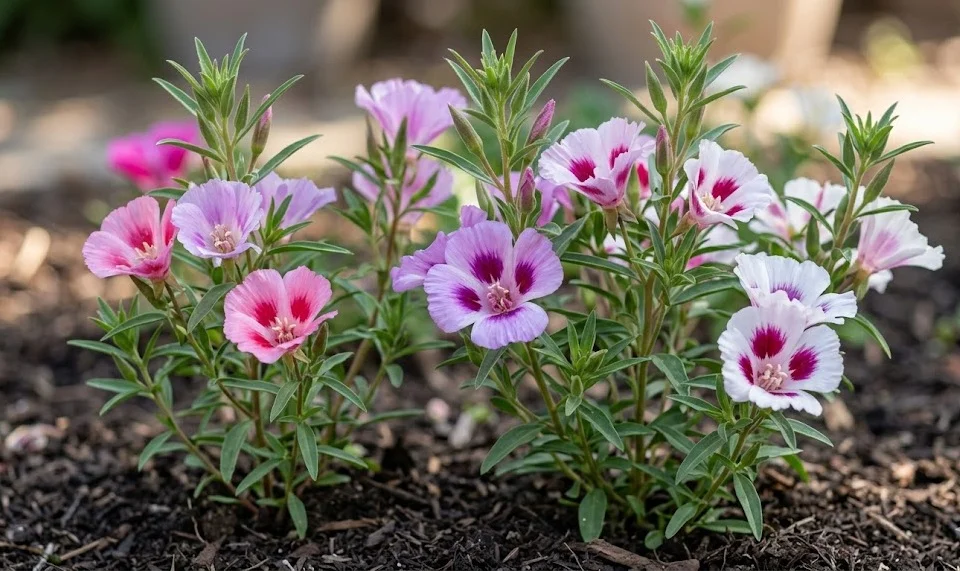

Providing the proper environment for godetia involves understanding its unique rhythm as a cool-season annual that flourishes when temperatures are moderate. You need to ensure the soil is well-draining yet capable of holding enough moisture to sustain the delicate root systems during the initial growth phases. Choosing a location that balances sunlight and protection from extreme midday heat will significantly extend the life of the blossoms. Consistent monitoring of the weather patterns in your local area allows you to adapt your care routine to meet the specific needs of these elegant plants.
Optimal soil conditions
High-quality soil serves as the fundamental building block for a healthy garden display of these vibrant flowers. You should aim for a loamy texture that allows water to penetrate deeply without causing stagnant puddles around the stems. Incorporating organic matter such as well-rotted compost can improve the structure and provide a slow release of essential nutrients. Testing the pH level of your garden bed is also a wise step to ensure the environment is slightly acidic to neutral.
Proper aeration within the soil prevents the compaction that often leads to stunted growth or root issues. You can achieve this by gently tilling the area before planting and avoiding heavy foot traffic near the flower beds. Adding a thin layer of fine mulch helps to regulate the underground temperature while keeping the surface friable. This preparation creates a stable foundation that supports the plant through its entire lifecycle from seedling to full bloom.
Drainage remains one of the most critical factors when you are managing the soil for this specific species. If your garden has heavy clay, you might consider building raised beds to facilitate better water runoff. Mixing in small amounts of horticultural grit or perlite can also enhance the internal drainage capacity of the planting site. Observing how the ground reacts after a heavy rain will tell you if further amendments are necessary to protect the roots.
Nutrient availability must be balanced so that the plant focuses on flower production rather than excessive foliage. You should avoid high-nitrogen fertilizers which often result in lush green leaves but very few of the desired blossoms. Instead, focus on maintaining a steady supply of potassium and phosphorus through natural soil enhancements. A healthy microbial life within the dirt will further assist the plant in absorbing what it needs to thrive.
More articles on this topic
Temperature and climate adaptation
The success of your garden often depends on how well you time the life cycle of these plants with the local climate. They generally prefer the cooler temperatures of late spring and early summer when the air is fresh and the soil is not yet scorched. If you live in a region with rapidly rising summer heat, you must take extra precautions to keep the plants cool. Providing some afternoon shade can prevent the delicate petals from wilting prematurely under intense sun.
Air circulation is vital for preventing the buildup of humidity that can lead to various foliage problems. You should space the plants far enough apart to allow breezes to move freely through the canopy of leaves. This natural ventilation helps to dry off morning dew and keeps the overall temperature around the stems more stable. In very stagnant environments, the plants may struggle to maintain their vigor as the season progresses.
Extreme weather events like heavy thunderstorms or hail can pose a threat to the slender stems of these flowers. You might consider placing them in a sheltered spot that is protected from the prevailing winds of your area. Staking the taller varieties can provide additional support and prevent them from bending or breaking during a summer gale. Watching the local forecast allows you to provide temporary covers if a particularly harsh storm is expected to pass through.
Acclimatization is a process you should respect if you are moving young plants from a greenhouse to the open garden. Gradually exposing them to outdoor conditions over a week or two helps them build the resilience needed for the transition. Start with a few hours of indirect light and slowly increase the duration and intensity of the exposure. This careful approach reduces transplant shock and ensures the plants continue to grow without a significant setback.
More articles on this topic
General maintenance routines
Daily observation is the most effective tool you have for maintaining a beautiful and healthy flower garden throughout the season. You should look for signs of new growth or any subtle changes in the color of the leaves that might indicate a shift in needs. Taking a few minutes each morning to walk through the beds allows you to catch minor issues before they become larger problems. This proactive habit ensures that the plants always receive the attention they require at the right moment.
Removing faded blooms is a standard practice that encourages the plant to put its energy into creating new flowers. You can simply pinch off the spent heads with your fingers or use a small pair of clean garden shears. This process, known as deadheading, not only keeps the display looking tidy but also prevents the plant from going to seed too early. Constant deadheading can significantly extend the flowering period, giving you more weeks of color to enjoy.
Weeding around the base of the plants is necessary to reduce competition for water and vital minerals. You should perform this task carefully to avoid disturbing the shallow root systems of your flowers. Using a hand tool to gently lift weeds from the soil is often safer than pulling them forcefully by hand. Keeping the area clean also reduces the hiding spots for unwanted garden visitors that might feed on the foliage.
Supporting the taller varieties ensures that the floral display remains upright and visible from a distance. You can use thin bamboo stakes or specialized circular supports that blend in with the surrounding greenery. It is best to put these supports in place early in the season so the plants can grow into them naturally. This structural help prevents the heavy flower clusters from dragging on the ground after a period of rain.
Companion planting strategies
Choosing the right neighbors for your flowers can create a more resilient and visually appealing garden ecosystem. You should look for plants that share similar water and light requirements but offer different heights or textures. Low-growing herbs or silver-foliaged perennials can provide a beautiful contrast to the bright satiny petals of the godetia. This diversity makes the entire bed more interesting and can even help to deter certain pests naturally.
Deep-rooted plants can be excellent companions because they do not compete for resources in the upper layers of the soil. You might consider planting them near taller perennials that provide a bit of dappled shade during the hottest part of the afternoon. This layering technique mimics natural environments and creates a microclimate that benefits all the species involved. Such a thoughtful arrangement maximizes the use of your available garden space while promoting plant health.
Flowering companions that attract pollinators will enhance the overall vitality of your garden throughout the summer months. You can include species that bloom at different times to ensure there is always a source of nectar available for bees and butterflies. This increased activity in the garden helps with the pollination of other crops you might be growing nearby. A buzzing, active garden is usually a sign of a healthy and well-balanced outdoor environment.
Avoiding plants that are overly aggressive or invasive is crucial when you are designing your flower beds. You should ensure that the companions do not crowd out the godetia or starve them of the necessary sunlight and air. Keeping a reasonable distance between different species allows each one to develop its full potential without being overshadowed. Monitoring the growth rates of all your plants helps you make adjustments if one starts to dominate the space.
Handling seasonal transitions
As the peak of the flowering season passes, you will notice a gradual change in the appearance and energy of the plants. You should continue with basic care but begin to observe how the local environment is shifting toward the later months. Reducing the amount of supplemental water may be appropriate as the days grow shorter and the air becomes naturally cooler. This transition period is a natural part of the annual lifecycle that you can manage with ease.
Preparing for the end of the bloom involves deciding whether you want to harvest seeds for the following year. You should leave a few of the most robust flower heads on the plant to mature and dry out naturally. Once the seed pods have turned brown and feel brittle, you can carefully collect them for storage. This connection to the future allows you to maintain the lineage of your favorite colors and forms in your own garden.
Cleaning up the garden beds after the first frost helps to maintain a healthy environment for the next planting season. You should remove the spent annuals and add them to your compost pile if they are free from any visible signs of disease. Raking away fallen leaves and debris prevents the buildup of mold or overwintering sites for unwanted insects. A tidy bed in the autumn makes the spring preparation work much faster and more enjoyable for you.
Reflecting on the successes and challenges of the past season provides valuable insights for your future gardening endeavors. You might want to take notes on which locations worked best or which varieties produced the most striking displays. Consider how the timing of your care routines aligned with the weather and what adjustments could improve the results next time. This continuous learning process is what transforms a casual gardener into a true expert over the years.
Common growth challenges
Stunted growth can sometimes occur if the environmental conditions are not quite right during the early stages of development. You should check the soil moisture levels and ensure that the roots are not sitting in overly saturated ground. Sometimes a lack of light can also cause the stems to become weak and leggy as they stretch toward the sun. Adjusting the placement of your plants or thinning out nearby foliage can often resolve these structural issues.
Yellowing leaves are frequently a sign that the plant is under some form of stress or lacking specific nutrients. You should examine the undersides of the leaves to rule out any small visitors that might be causing the discoloration. If the soil is too dry or too wet, the plant may struggle to transport the minerals it needs to the upper leaves. A balanced approach to watering and a light application of organic fertilizer can usually help the plant recover its green hue.
Premature wilting is often linked to high temperatures or a sudden dry spell that depletes the soil moisture quickly. You should provide deep watering in the early morning to give the plant the best chance of staying hydrated throughout the day. Using temporary shade structures can also help protect the foliage during an unexpected heatwave in the middle of the season. Keeping a close eye on the hydration of the soil is the best way to prevent this type of stress.
Weak stems that fall over easily can be a result of too much nitrogen in the soil or a lack of physical support. You should focus on providing a balanced environment that encourages sturdy, fibrous growth rather than just rapid height. If the plants are growing in a very windy spot, they will naturally need more assistance to stay upright. Providing the right structural help early on will save you the frustration of seeing your blooms damaged on the ground.
Aesthetic management for blooms
Creating a visually stunning display requires you to think about the arrangement and density of your plantings. You should aim for a massed effect that creates a sea of color rather than having isolated plants scattered throughout the bed. This approach makes a much larger impact and highlights the satiny texture of the petals more effectively. Grouping different shades of the same color can add depth and a sense of professional design to your garden.
Integrating different heights within the bed allows you to see all the flowers clearly from various angles. You should place the taller varieties toward the back or center of the display and the shorter ones along the edges. This tiered effect ensures that no plant is hidden and that the overall composition feels balanced and intentional. It also helps with air circulation as the taller plants do not block the breeze for the smaller ones.
Color coordination is another way you can elevate the look of your garden throughout the blooming period. You might choose to create a soft pastel theme with pinks and whites or a more vibrant display with bold reds and purples. Considering the colors of your permanent garden features or the exterior of your home can help you choose a palette that harmonizes with the surroundings. A well-planned color scheme shows a high level of expertise and attention to detail.
Lighting in the garden changes throughout the day and can dramatically affect how the colors of the flowers appear to the eye. You should observe your beds in the early morning light and during the golden hour of the late afternoon to see the full range of beauty. The delicate, papery texture of these petals often looks most ethereal when backlit by the sun. Understanding these visual dynamics allows you to place your flowers where they will be seen and appreciated at their very best.