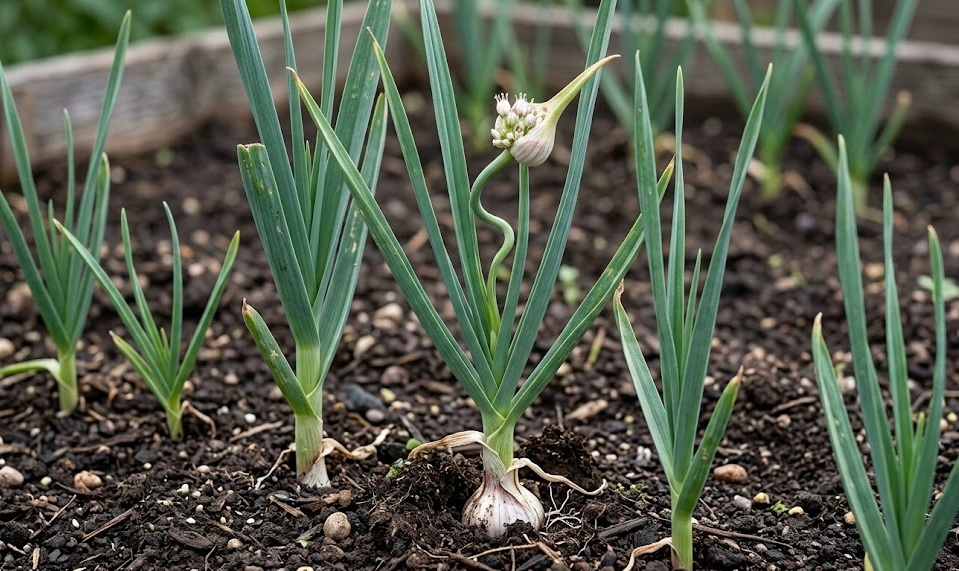

Growing garlic requires a deep understanding of the plant’s biological needs throughout its long development cycle. To achieve high yields and large bulbs, a gardener must maintain a balance between soil nutrition, moisture levels, and physical maintenance. This professional guide explores the comprehensive care routines necessary for both home gardens and commercial plots. Success in garlic cultivation is often determined by the attention paid to detail during the middle stages of the growing season.
Soil maintenance and weed control
Managing the soil surface is one of the most critical aspects of garlic care during the spring months. Keeping the area free from weeds ensures that the garlic plants do not have to compete for nutrients and water. Weeds can quickly overwhelm young garlic shoots, leading to stunted growth and smaller bulbs at harvest time. Regular hoeing should be done carefully to avoid damaging the shallow root systems of the garlic plants.
Mulching is a highly effective technique for maintaining soil health and reducing the need for constant weeding. Organic materials like straw or leaf mold can be spread around the base of the plants to suppress weed germination. This layer also helps to retain moisture in the soil, which is vital during the dry spells of early summer. Additionally, as the mulch breaks down, it contributes organic matter back into the ecosystem, improving the overall soil structure.
The physical structure of the soil must remain loose and aerated to allow the bulbs to expand without resistance. If the soil becomes too compacted, the bulbs may grow in distorted shapes or remain smaller than their genetic potential. Periodically loosening the top layer of soil with a hand tool can facilitate better gas exchange for the roots. This practice also prevents the formation of a hard crust after heavy rains or irrigation sessions.
Professional growers often emphasize the importance of monitoring the soil pH throughout the growing season. Garlic prefers a slightly acidic to neutral soil environment, typically ranging between six and seven. If the soil becomes too alkaline or overly acidic, the plant may struggle to absorb essential micronutrients. Regular soil testing allows for precise adjustments through the application of lime or sulfur-based amendments when necessary.
More articles on this topic
Managing the vegetative growth phase
During the early stages of growth, the garlic plant focuses all its energy on developing strong green foliage. The size of the bulb is directly proportional to the size of the leaves produced during this vegetative phase. Each leaf on the plant represents a potential layer of skin around the garlic bulb that will develop later. Therefore, protecting the foliage from physical damage or environmental stress is a primary goal for any serious gardener.
Temperature fluctuations can sometimes cause the leaves to turn yellow or show signs of stress during the spring. While garlic is a hardy crop, extreme cold snaps followed by rapid warming can disrupt its metabolic processes. Providing temporary covers during unexpected frost events can help maintain steady growth rates and prevent setbacks. Consistency in the environment helps the plant transition smoothly into the bulb-formation stage without losing precious time.
Nitrogen management is crucial during the vegetative phase to ensure the leaves remain dark green and vigorous. A lack of nitrogen often results in pale leaves and a general lack of vitality in the entire crop. However, excessive nitrogen application late in the season can delay bulb development and lead to poor storage quality. Professionals recommend front-loading the nutrient supply to support early leaf expansion while tapering off as the season progresses.
Observation is the key to identifying early signs of nutritional deficiencies or environmental imbalances. A healthy garlic plant should have upright, sturdy leaves that feel firm to the touch. If the leaves start to droop or show strange spotting, it is an indication that the care routine needs immediate adjustment. Keeping a garden journal can help track these changes and relate them to weather patterns or specific interventions.
More articles on this topic
Flower stalk removal for better bulbs
Many varieties of garlic, particularly the hardneck types, will produce a central flower stalk known as a scape. If left to develop, the plant will divert a significant amount of energy into producing seeds or bulbils at the top of the stalk. For gardeners aiming for maximum bulb size, removing these scapes is an essential step in the care process. This intervention redirects the plant’s resources back down into the underground bulb where they are most needed.
The timing of scape removal is important for achieving the best results in terms of bulb weight. It is generally recommended to cut the scapes when they have curled once or twice but before they straighten out. Removing them too early might stress the plant, while removing them too late means much of the energy has already been spent. Using a sharp pair of shears ensures a clean cut that heals quickly without inviting pathogens.
These garlic scapes are not just a byproduct of the care process; they are a culinary delicacy in their own right. They possess a mild, garlicky flavor and a crisp texture that makes them popular in various professional kitchens. Harvesting them provides an intermediate crop for the gardener while simultaneously improving the quality of the main harvest. Many growers sell scapes at local markets to supplement their income during the early summer months.
After the scapes are removed, the plant begins to focus almost exclusively on the enlargement of the cloves. This period of rapid bulb expansion requires consistent environmental conditions to be successful. Any sudden changes in watering or soil stability during this time can result in split skins or uneven bulb growth. Proper scape management marks the transition into the final, most intensive phase of the garlic’s life cycle.
Protecting the crop from environmental stress
Heat stress is a significant concern for garlic as it approaches the final weeks of its development. High temperatures can cause the plant to enter dormancy prematurely, leading to undersized bulbs that do not store well. Providing adequate moisture is the primary defense against heat, but light shading can also be beneficial in extreme climates. Protecting the root zone from excessive heat helps maintain the metabolic activity required for bulb maturation.
Heavy rainfall during the late stages of growth can be just as damaging as a prolonged drought. Excessively wet soil can lead to bulb rot or the development of fungal infections that ruin the harvest. Ensuring that the planting site has excellent drainage is a fundamental part of long-term garlic care strategy. In areas with high clay content, growing garlic in raised beds can provide the necessary protection against waterlogging.
Wind protection is another factor that is often overlooked in professional garlic cultivation. Strong winds can snap the tall leaves or even dislodge the bulbs in loose soil, causing significant physical trauma. Planting garlic near natural windbreaks or using temporary fencing can mitigate the impact of heavy gusts. Protecting the structural integrity of the plant ensures that the photosynthetic process remains uninterrupted until harvest.
The interaction between different environmental factors requires a holistic approach to care. For example, high humidity combined with high temperatures increases the risk of foliar diseases significantly. A professional gardener must adjust spacing and air circulation to account for these local climatic variables. By anticipating these challenges, the grower can create a stable environment where the garlic can thrive despite external pressures.
The importance of crop rotation and soil rest
Garlic should never be grown in the same location year after year to prevent the buildup of soil-borne pathogens. A professional care plan involves a minimum three-year rotation cycle with non-allium crops like legumes or brassicas. This practice breaks the life cycle of specific pests and diseases that target the garlic family. It also allows the soil to recover different nutrient profiles that are depleted by the intensive feeding of garlic.
Cover cropping during the off-season is a sophisticated way to care for the soil that will eventually host garlic. Growing clover or rye during the autumn and winter months protects the soil from erosion and adds organic matter. These “green manures” are tilled back into the earth before planting the next garlic crop, providing a natural fertility boost. This long-term care for the soil foundation is what separates amateur gardeners from professional agriculturalists.
Soil compaction can be managed by avoiding the use of heavy machinery or excessive foot traffic in the garlic beds. Maintaining dedicated pathways ensures that the soil directly around the plants remains light and friable. This careful management of the physical environment allows for deeper root penetration and better access to deep-seated water reserves. Professional growers prioritize soil structure as much as they do the plants themselves.
Resting the soil also provides an opportunity to apply long-term soil conditioners like rock dust or high-quality compost. these materials take time to integrate into the soil ecosystem and become available to the plants. By applying them during the fallow years of the rotation, the gardener prepares a nutrient-rich environment for future garlic crops. Continuous care for the land ensures that every garlic harvest is better than the last.
Preparing the plants for harvest
As the garlic reaches maturity, the lower leaves will naturally begin to turn brown and wither. This is a signal from the plant that it is nearing the end of its life cycle and moving into dormancy. During this time, the gardener should gradually reduce interventions like watering and fertilization to allow the bulbs to cure slightly in the ground. Over-caring for the plant at this stage can actually lead to storage issues later on.
The number of remaining green leaves is the best indicator for determining the exact moment of harvest. Typically, when about half of the leaves have turned brown, the bulbs have reached their maximum size and developed sufficient protective skins. Waiting too long will cause the outer skins to split, exposing the cloves to potential rot and reducing shelf life. Careful observation of the leaf count is a hallmark of expert garlic care.
Loosening the soil around the bulbs before lifting them prevents damage to the delicate outer wrappers. Using a garden fork to gently pry the bulbs upward is much safer than pulling them by the stem. Physical damage during the harvest process can lead to infections that spread quickly during the drying phase. Treating the harvested bulbs with extreme care is the final step in a successful care routine.
Properly cured garlic is the ultimate reward for months of diligent care and attention. The bulbs should be moved to a shaded, well-ventilated area immediately after being lifted from the soil. They need several weeks to dry out completely before the roots and stems are trimmed for long-term storage. This transition from the field to the pantry requires just as much care as the growing process itself.
Professional tools and techniques for garlic care
Investing in high-quality tools can significantly improve the efficiency and effectiveness of garlic maintenance. A dedicated weeding hoe with a sharp, narrow blade allows for precise work between the rows without disturbing the plants. Similarly, professional-grade soil testing kits provide accurate data that eliminates guesswork regarding nutrient applications. Using the right equipment ensures that the care tasks are performed correctly and on schedule.
Irrigation systems like drip lines or soaker hoses are preferred by experts for their precision and water efficiency. These systems deliver water directly to the soil surface, keeping the foliage dry and reducing the risk of disease. Automated timers can be used to ensure that the garlic receives a consistent amount of water even during the gardener’s absence. This level of control is essential for producing high-quality crops in varying weather conditions.
Documentation is a powerful tool for improving care routines over several growing seasons. Recording the dates of planting, fertilization, and scape removal provides a roadmap for future success. It also allows the gardener to identify patterns, such as which varieties respond best to specific care interventions. A professional approach to record-keeping turns every growing season into a valuable learning experience.
Sharing knowledge and techniques with other growers is part of the broader care community in agriculture. Participating in local gardening clubs or online forums can provide insights into regional challenges and innovative solutions. Learning from the successes and failures of others helps a gardener refine their own care practices. In the end, professional garlic care is a blend of scientific principles, practical experience, and a genuine passion for the craft.