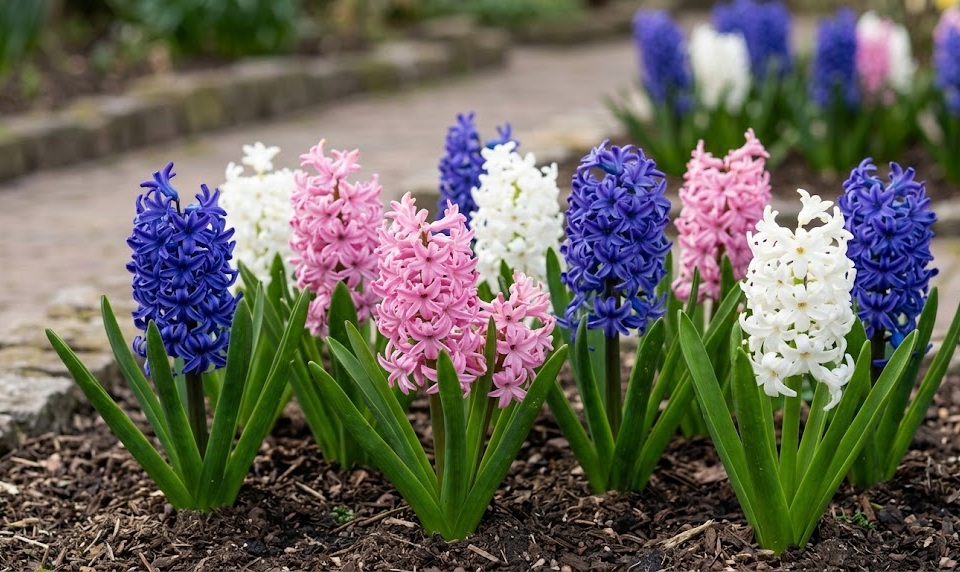

Maintaining the vibrant health of garden hyacinths requires a deep understanding of their specific biological needs and environmental preferences. These spring-blooming perennials are prized for their intense fragrance and dense flower spikes, but they demand consistent attention throughout their active growth period. A successful gardener must balance soil moisture, nutrient availability, and protection from extreme weather to ensure a spectacular display. By following professional cultivation standards, you can transform a simple garden bed into a professional-grade floral exhibition.
Proper site selection is the foundation of long-term success when dealing with these ornamental bulbs. The soil must be exceptionally well-draining to prevent the delicate root systems from succumbing to fungal pathogens or rot during the dormant season. You should aim for a loamy texture that has been enriched with organic matter to provide a steady supply of micronutrients. Checking the acidity levels of your garden soil is also recommended, as these plants prefer a neutral to slightly alkaline environment.
Seasonal transitions dictate the intensity of the care routine you will need to implement for your collection. During the early spring, focus on clearing away any debris or leaf litter that might harbor pests or obstruct emerging shoots. As the temperature rises, monitoring the soil surface becomes a daily task to ensure the bulbs do not dry out during their rapid growth phase. Professional growers often use a thin layer of fine mulch to stabilize soil temperatures and keep the base of the stems cool.
Post-bloom care is perhaps the most critical phase for ensuring the bulbs return with vigor the following year. Once the flowers have faded, you must resist the urge to cut back the green foliage immediately, as these leaves are actively photosynthesizing. This process allows the plant to store energy back into the bulb for next season’s embryonic flower development. Only when the leaves have turned completely yellow and brittle should they be removed from the garden bed to maintain neatness.
Environmental conditions for optimal health
Creating a stable microclimate within your garden is essential for the sustained performance of these fragrant perennials. You should position your hyacinths in a location where they are protected from strong, desiccating winds that can damage the heavy flower heads. Sturdy stems are a hallmark of a healthy plant, but even the strongest stalks can snap under the pressure of a spring storm. Consider using low-profile supports if your garden is particularly exposed to the elements during the peak blooming month.
More articles on this topic
Soil temperature plays a significant role in how quickly the plant progresses through its various growth stages. While these bulbs require a cold period to trigger flowering, excessively cold soil in late spring can stunt the development of the flower spikes. You can manage this by ensuring the planting site receives enough morning sun to warm the earth gradually throughout the day. Monitoring these subtle changes in the environment will help you predict the exact timing of your spring floral display.
Air circulation is an often-overlooked factor that contributes significantly to the overall health of the hyacinth colony. Densely planted beds can create pockets of stagnant, humid air which favor the development of gray mold or other foliar diseases. You should leave enough space between individual plants to allow for a gentle breeze to pass through the foliage and dry any morning dew. This simple preventative measure reduces the need for chemical interventions and promotes a much more resilient garden ecosystem.
Humidity levels should be kept moderate to low to mimic the natural Mediterranean-style conditions where these plants originated. Excessive atmospheric moisture, especially during the warmer parts of the day, can cause the delicate petals to brown or wilt prematurely. If you are growing them in a greenhouse or a sheltered patio, ensure there is adequate ventilation at all times. Professional horticulturists often use fans or strategic window placement to maintain the perfect balance of fresh air and humidity.
Managing the growth cycle through the seasons
The life of a hyacinth begins long before the first green tip breaks through the surface of the soil. Throughout the winter, the bulbs undergo complex chemical changes that prepare them for the sudden burst of energy required in the spring. You must ensure the ground remains undisturbed during this period to avoid damaging the developing root structures. A quiet, cold winter is actually a blessing for these plants as it guarantees a uniform and robust flowering period.
More articles on this topic
As spring arrives, the rapid expansion of the flower stalk requires a significant amount of hydration and mineral support. You will notice that the growth rate increases exponentially once the daytime temperatures consistently stay above a certain threshold. It is fascinating to observe how the plant prioritizes the development of the central flower spike over the surrounding foliage during this time. Keeping a close eye on this progression allows you to adjust your care routine in real-time to match the plant’s needs.
Summer care is characterized by a shift toward dormancy as the plant retreats back into its underground storage organ. Once the foliage has naturally died back, the bulb enters a state of rest where it is less vulnerable to surface conditions. However, you must ensure the soil does not become waterlogged during summer rainstorms, as this is when rot is most likely to occur. Many experts recommend reducing all interventions during this phase to allow the bulb to rest completely.
Autumn marks the beginning of a new root-building phase even though there is no visible growth above the ground. This is the time when the plant establishes the foundation for the next year’s success by expanding its root network into the cooling soil. You might consider adding a light top-dressing of compost at this stage to provide a slow-release source of nutrients for the coming year. Preparing the bed in the fall ensures that the bulbs have everything they need to start strong once the snow melts.
Professional techniques for flower longevity
To extend the life of the blooms, many professional gardeners utilize strategic shading techniques during the peak of the flowering season. While the plants need sun to grow, direct afternoon sunlight can cause the vibrant colors of the petals to fade and the fragrance to dissipate. By providing filtered light during the hottest part of the day, you can keep the flowers looking fresh for several extra days. This is particularly useful if you are planning to showcase your garden for a specific event or holiday.
Watering the plants from the base rather than from above is a professional secret that protects the integrity of the flower clusters. Water droplets trapped within the dense florets can act as magnifying glasses in the sun or provide a breeding ground for fungi. Using a narrow-spout watering can or a drip irrigation system ensures that the moisture goes directly to the roots where it is needed most. This practice also prevents the soil from splashing up onto the lower petals, keeping the display pristine.
Temperature control is another way to manage how long the flowers remain in their prime state. If a sudden heatwave is predicted, moving potted specimens to a cooler, shaded area can prevent them from going to seed too quickly. For bulbs planted in the ground, a thick layer of light-colored mulch can reflect some of the heat and keep the root zone at a more stable temperature. These small adjustments can make a significant difference in the total duration of the blooming period.
Removing individual spent florets from the bottom of the spike can also help maintain a clean and attractive appearance. As the lower flowers begin to wilt, they can be carefully pinched off to allow the upper buds to take center stage. This does not necessarily extend the life of the remaining flowers, but it certainly improves the aesthetic quality of the plant. A well-maintained spike looks much more impressive than one cluttered with decaying organic matter.
Soil quality and structural requirements
The physical structure of the soil is just as important as its nutrient content when it comes to long-term hyacinth health. A mixture containing sand, silt, and clay in balanced proportions provides the ideal environment for bulb expansion and gas exchange. If your garden soil is too heavy with clay, you should incorporate grit or perlite to improve the macro-pore space. This structural improvement allows oxygen to reach the roots, which is vital for preventing the physiological stress that leads to poor blooming.
Organic matter serves as a buffer that helps maintain consistent moisture levels without allowing the soil to become saturated. Well-rotted manure or leaf mold are excellent choices for improving the humus content of your garden beds. These materials also support a healthy population of beneficial soil microbes that help break down minerals into plant-available forms. A living soil is a productive soil, and these bulbs respond exceptionally well to a biologically active environment.
Deep cultivation of the planting area before the bulbs are even placed in the ground can yield significant benefits. By loosening the soil to a depth of at least thirty centimeters, you provide an easy path for the roots to grow downward. This deeper root system allows the plant to access moisture from lower soil layers during dry spells in the spring. It also provides better physical stability for the heavy flower stalks, reducing the likelihood of them leaning or falling over.
Testing the drainage capacity of your chosen site is a professional step that should never be skipped. You can do this by digging a small hole and filling it with water to see how quickly it disappears into the surrounding earth. If the water sits for more than an hour, you may need to consider planting in raised beds or installing a drainage system. Protecting the bulbs from “wet feet” is the single most important factor in preventing large-scale losses in your collection.
Long-term vitality and bulb rejuvenation
Over time, hyacinth bulbs can become crowded as they produce small offsets or “bulblets” around the main base. This crowding leads to a decrease in flower size and density because the plants are competing for a limited supply of nutrients. To rejuvenate your garden, you should plan to lift and divide the bulbs every three to four years after the foliage has died back. This practice allows you to space the bulbs properly and gives the smaller offsets room to grow into flowering-sized specimens.
Inspecting each bulb during the lifting process is a great way to monitor the overall health of your garden. You should look for firm, heavy bulbs with intact basal plates and no signs of soft spots or discoloration. Any bulbs that feel light or show signs of mold should be discarded immediately to prevent the spread of issues to the rest of the stock. This selection process ensures that only the highest quality material is returned to the soil for the next cycle.
Applying a specialized bulb fertilizer during the autumn replanting phase can give your hyacinths the extra boost they need. Look for a product with a higher phosphorus and potassium content to encourage strong root growth and vibrant flower development. Avoid high-nitrogen fertilizers at this stage, as they can promote excessive leaf growth at the expense of the flower spike. A balanced approach to nutrition is the key to maintaining the professional quality of your floral displays.
Keeping detailed records of your planting dates and the performance of different varieties will help you refine your care routine over time. You might find that certain colors or cultivars perform better in specific parts of your garden due to subtle variations in light or soil. This data-driven approach allows you to make informed decisions about which bulbs to replace and which ones to propagate. Gardening at a professional level involves as much observation and record-keeping as it does physical labor.
Maintaining aesthetic standards in the garden
The visual impact of a hyacinth display is often determined by the uniformity of the flower spikes and the health of the surrounding foliage. You should regularly inspect your beds for any “blind” bulbs that produce leaves but no flowers, as these should be removed. Replacing these non-performers with fresh stock ensures that your garden remains a dense tapestry of color and scent. Consistency is a hallmark of professional horticulture, and it requires a ruthless approach to culling weak plants.
Companion planting can enhance the beauty of your hyacinths while providing some practical benefits to the soil. Low-growing perennials or annuals can act as a living mulch, shading the ground and providing a green backdrop for the bright flower spikes. Choose companions that have similar water requirements but will not compete too aggressively for space or nutrients. Classic pairings like pansies or primroses can create a layered look that makes the garden feel more established and professional.
Labeling your different varieties is essential if you want to maintain an organized and educational garden space. Use durable, weather-resistant markers that clearly state the cultivar name and the year it was planted. This not only helps you keep track of which bulbs are which during the dormant season but also adds a professional touch for visitors. An organized garden is much easier to manage and allows you to plan future color schemes with much greater precision.
Finally, always keep your gardening tools clean and sharp to prevent the accidental spread of pathogens between plants. Disinfecting your trowels and shears after working with one group of bulbs is a simple habit that can save your entire collection. Using clean equipment also results in cleaner cuts on the foliage, which heals faster and looks much better. Professionalism in the garden is reflected in the care you take with your tools and the respect you show for the plants.