
Essential growing conditions
Growing these beautiful flowers requires a specific understanding of their Mediterranean origins and growth cycles. You should always ensure that the environment mimics their natural habitat to achieve the best blooming results every year. It is not enough to simply place them in soil and hope for the best without consistent attention. Professional growers emphasize that the balance between temperature and humidity is the primary factor for success.
Soil quality acts as the foundation for any healthy plant and this species is certainly no exception to that rule. You must provide a well-draining medium that prevents water from stagnating around the delicate root systems during the growing phase. Adding organic matter like compost or aged manure can significantly improve the nutrient profile of your garden beds. Many experts suggest a sandy loam mixture because it allows for excellent aeration while retaining just enough moisture for the roots.
Temperature control remains one of the most challenging aspects for home gardeners who want to keep their plants thriving throughout the season. These bulbs prefer cool nights and moderately warm days to trigger the development of their iconic fragrant flower spikes. If the surrounding air becomes too hot, the plant may enter a premature dormancy or fail to produce any flowers at all. Maintaining a steady range between ten and fifteen degrees Celsius during the early stages of growth is considered ideal.
Air circulation is a frequently overlooked component of professional plant care that can prevent many common fungal issues from taking hold. Stagnant air often leads to moisture buildup on the leaves which creates a perfect breeding ground for various pathogens in the greenhouse. You should space your plants adequately to ensure that breeze can move freely through the foliage at all times of the day. Using small fans or opening vents in a glasshouse environment can make a world of difference for the overall health of the crop.
Maintaining healthy foliage
The leaves of the plant serve as the primary engine for energy production through photosynthesis during the active growing season. You will notice that healthy leaves are typically a vibrant green color and stand upright without needing excessive support in the early weeks. It is vital to protect this foliage from physical damage or harsh chemicals that could impair its ability to function correctly. If you observe any yellowing or spotting, it is usually a sign that something in the environment needs immediate adjustment or correction.
More articles on this topic
Dust and debris can accumulate on the surface of the leaves when plants are grown indoors or in dusty greenhouse settings. This layer of grime blocks sunlight and can actually clog the stomata which the plant uses for gas exchange and respiration. You can gently wipe the leaves with a soft damp cloth to keep them clean and functioning at their peak efficiency. Many professionals prefer a light misting of distilled water to wash away particles without leaving behind any unsightly mineral deposits or streaks.
Mechanical injury to the leaves often occurs when plants are moved or when gardening tools are used too close to the base of the stems. Any tear or break in the leaf tissue provides an easy entry point for bacteria and fungi that can quickly spread through the vascular system. You should always handle the plants with care and ensure that there is enough space between rows to walk without brushing against the foliage. Using sharp clean shears for any necessary maintenance will help ensure that wounds heal quickly and cleanly without further complications.
Monitoring the growth rate of the leaves can provide valuable insights into the nutritional status of the soil and the plant. Rapid but weak growth often indicates an excess of nitrogen while stunted leaves might suggest a deficiency in essential micronutrients like iron or magnesium. You should take the time to observe the texture and thickness of the blades to ensure they are developing as they should. Consistent observation allows you to catch potential problems early and keep the entire specimen in top physical condition.
Structural support and stability
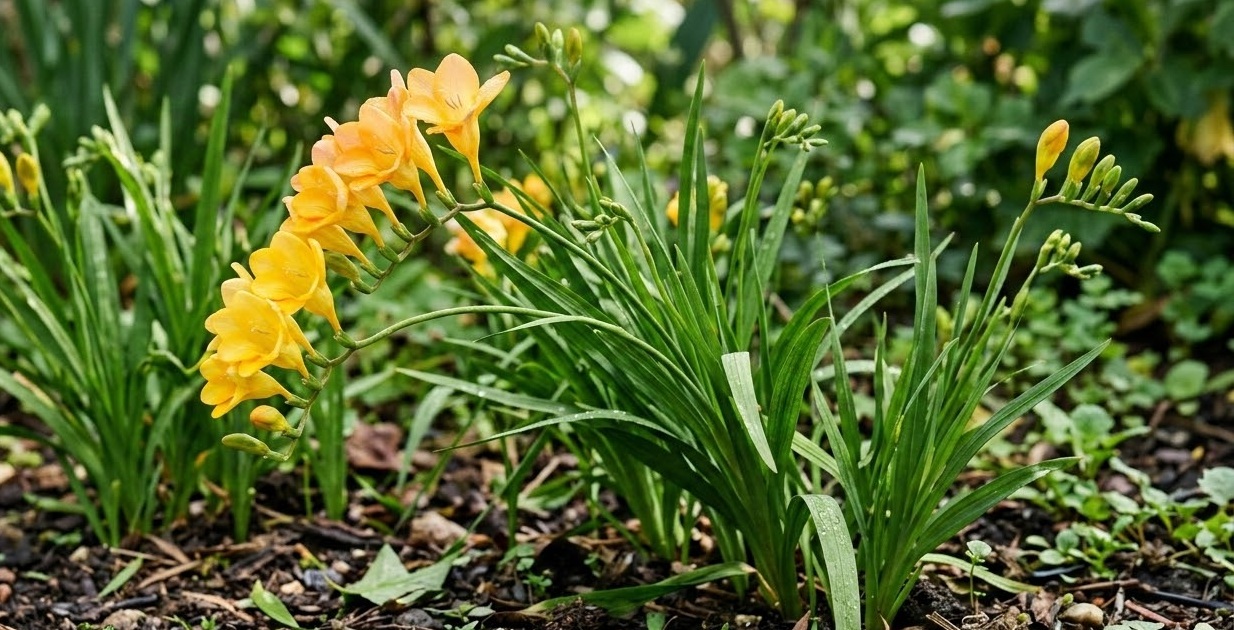
As the flower spikes begin to develop and grow taller, they often become heavy and prone to bending under their own weight. This is especially true for the modern large-flowered varieties that are highly prized for their intense fragrance and vivid colors. Providing adequate support early in the growth process is much easier than trying to fix a stem that has already collapsed. Professionals often use thin bamboo stakes or specialized wire supports to keep the stems growing straight and true toward the light.
More articles on this topic
The timing of installing supports is critical because doing it too late can damage the sensitive root system or the developing flower buds. You should ideally place your stakes in the ground at the time of planting or shortly after the first shoots appear above the soil. This allows the plant to grow into the support system naturally, which results in a much more aesthetically pleasing and stable arrangement. Soft garden twine or plastic-coated wire can be used to gently tie the stems to the stakes without cutting into the delicate plant tissue.
Wind protection is another vital aspect of maintaining structural integrity for plants grown in outdoor garden beds or exposed borders. Strong gusts can easily snap the thin stems or cause the entire plant to lean at an awkward angle that ruins the display. You might consider planting them near a fence or using taller companion plants to act as a natural windbreak for the more fragile specimens. If you live in a particularly windy area, lower-profile varieties might be a better choice to ensure the flowers remain upright and undamaged.
Soil stability also plays a role in how well the plant can support its own weight during the peak of the blooming period. If the soil is too loose or sandy, the bulbs might shift slightly as the foliage grows larger and creates more leverage against the ground. Firming the soil gently around the base of the stems can help provide a more solid anchor for the entire plant structure. You should regularly check the base of each plant to ensure that no erosion has occurred which might expose the bulbs to the elements.
Environmental stressors and resilience
Sudden shifts in environmental conditions can cause significant stress to these plants, leading to dropped buds or stunted growth patterns. You should strive to provide a stable environment that avoids drastic changes in temperature, light intensity, or moisture levels over short periods. High humidity combined with low light is particularly dangerous as it weakens the plant’s natural defenses against common garden pests. Building resilience through consistent care is the best way to ensure your plants can withstand minor fluctuations in the weather.
Drafts from open windows or air conditioning units can be just as damaging as frost for plants kept in an indoor setting. These cold air currents dry out the leaf tips and can cause the delicate flower petals to shrivel before they have a chance to fully open. You should place your pots in a location that receives plenty of light but is shielded from direct paths of moving air. Observing the movement of the leaves can help you identify subtle drafts that might be affecting the health of your indoor garden.
Pollution and air quality also impact the long-term health and vigor of these sensitive flowering bulbs in urban environments. Ethylene gas, which is often produced by ripening fruit or car exhaust, can cause the flowers to age prematurely and fall off the stems. You should keep your plants away from kitchens or garages where these gases are most likely to accumulate in higher concentrations. Providing fresh filtered air whenever possible will help maintain the clarity of the flower colors and the strength of their scent.
Overcrowding in the garden bed creates competition for resources and increases the likelihood of stress-related physiological disorders. When plants are forced to compete for light and nutrients, they become elongated and pale as they struggle to reach the sun. You should follow recommended spacing guidelines to give each bulb enough room to expand its root system and foliage without interference. Thinning out dense clumps of plants every few years will help maintain a healthy population and prevent the spread of localized diseases.
Seasonal transitions and growth
Understanding the natural rhythm of the growth cycle is essential for timing your gardening activities correctly throughout the year. These plants typically go through a period of intense growth in the spring followed by a dormant phase during the hot summer months. You should adjust your watering and feeding schedule to match these shifts in metabolic activity to avoid wasting resources or harming the bulbs. Recognizing the early signs of dormancy will help you transition the plants into their resting phase without causing unnecessary stress.
As the days get longer and temperatures begin to rise, you will notice a surge in leaf production and the emergence of the first flower stalks. This is the time when the plant requires the most energy and consistent moisture to support the rapid development of its tissues. You should monitor the soil daily during this phase to ensure that it never dries out completely, which could abort the flowering process. Providing a balanced liquid fertilizer every two weeks will give the plants the extra boost they need to produce a spectacular show.
Once the flowering period has ended, the plant begins to shift its focus from reproduction back to storing energy in the bulb for the next year. You should resist the urge to cut back the green leaves immediately after the flowers have faded and lost their beauty. The foliage must be allowed to turn yellow and die back naturally so that all the nutrients can be reabsorbed into the underground storage organs. Reducing water gradually during this time will signal to the plant that it is time to prepare for its summer rest.
The dormant period is just as important as the active growth phase for the long-term survival and repeat blooming of these specimens. During the summer, the bulbs need to stay relatively dry and warm to undergo the internal changes necessary for next season’s flower initiation. If the soil remains too wet during dormancy, the bulbs are highly susceptible to rotting and may never sprout again in the autumn. Professional gardeners often lift the bulbs from the ground during this time to store them in a controlled and dry environment.
Optimizing bloom quality
The quality of the flowers is the ultimate goal for most enthusiasts, and it can be significantly improved through specific cultural practices. Light intensity is perhaps the most important factor in determining the number of buds on each spike and the vibrancy of their final color. You should ensure the plants receive at least six hours of bright, indirect sunlight every day during the bud formation stage. If the light is too dim, the spikes will be sparse and the colors will appear washed out and much less impressive.
Watering consistency also plays a major role in the development of perfectly formed petals and long-lasting flower displays. If the plant experiences drought stress while the buds are forming, the flowers may be small, distorted, or fail to open entirely. You should aim to keep the soil evenly moist but never waterlogged, which requires a careful hand and frequent checking of the soil surface. Watering early in the morning allows the foliage to dry before nightfall, reducing the risk of water spots on the delicate petals.
Nutrient availability, specifically potassium and phosphorus, is crucial for the development of strong stems and large, healthy blooms. You should switch to a fertilizer with a higher ratio of these elements as soon as you see the first signs of flower spikes emerging from the leaves. Nitrogen should be limited at this stage to prevent excessive leaf growth at the expense of the actual floral production. Following the manufacturer’s instructions for dilution is important to avoid chemical burns on the sensitive roots and foliage.
Temperature management during the blooming period can help extend the life of the flowers and keep them looking fresh for a longer time. Cooler temperatures, especially at night, slow down the metabolic processes and prevent the flowers from aging too quickly in the heat. You can move potted plants to a cooler spot in the evening or provide shade during the hottest part of the afternoon to protect the delicate tissues. Keeping the environment around fifteen degrees Celsius will ensure that the fragrance remains potent and the colors stay true.
Post-flowering plant management
After the last flower has withered, the work of the dedicated gardener is far from over if they wish to see the plants return. You should start by removing the old flower stalks to prevent the plant from wasting energy on seed production that it could use elsewhere. Cutting the stems back to the base of the foliage with clean shears is the best way to maintain a tidy appearance in the garden. This simple task ensures that all the plant’s resources are directed back into the bulb for future growth cycles.
Maintaining the health of the leaves during the post-bloom period is the most important factor for success in the following year. These green blades are working hard to create the sugars and starches that will be stored in the underground corm for the winter. You should continue to water and lightly fertilize the plants until the leaves begin to turn brown and dry up on their own. This period of photosynthesis is the only chance the plant has to rebuild its strength after the taxing effort of flowering.
If you are growing your plants in a climate that is too cold for them to survive the winter outdoors, you must plan for their storage. Once the foliage has completely died back, you can carefully dig up the bulbs and remove any excess soil from their surfaces. It is important to let them dry in a shaded, well-ventilated area for a few days before placing them in long-term storage. Check each bulb for signs of rot or insect damage and discard any that do not appear firm and healthy.
Proper labeling and organization during the storage phase will make your spring planting much easier and more successful. You should store the bulbs in breathable containers like mesh bags or paper envelopes filled with dry peat moss or sawdust. Keep them in a cool, dark, and dry location where the temperature remains consistent throughout the entire winter season. Checking on your stored bulbs once a month will allow you to remove any that show signs of deterioration before they can infect the rest.