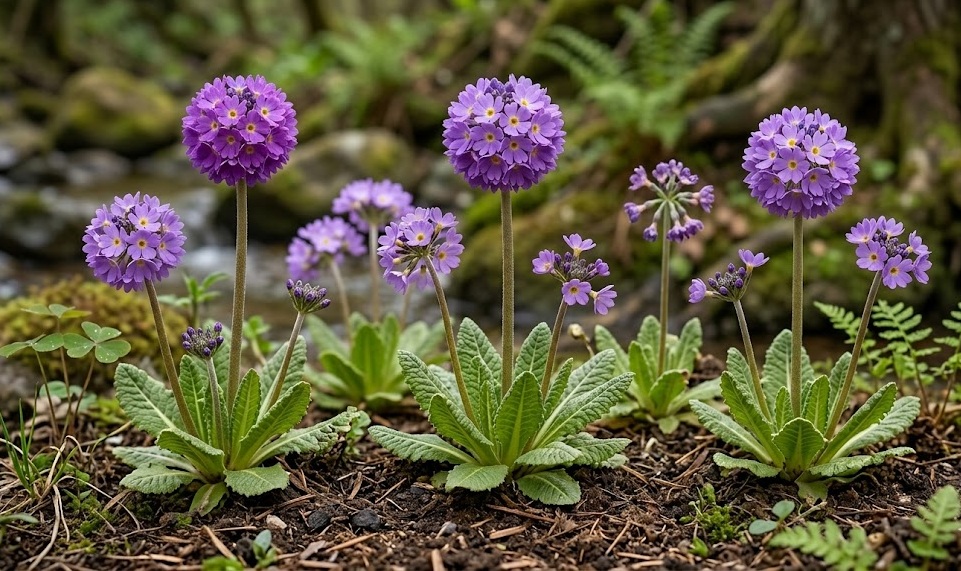

Proper maintenance of these early bloomers begins with understanding their specific environmental needs within a temperate garden setting. These plants are known for their sturdy stems and globe-like flower clusters that emerge before most other perennials have even started to wake up. To ensure a healthy display, a gardener must focus on soil consistency and moisture levels throughout the growing season. Maintaining a professional standard of care involves observing the plant’s response to fluctuating spring temperatures and adjusting the local microclimate accordingly.
Soil quality and preparation
The foundation of successful cultivation lies in providing a growing medium that mimics the naturally moist and organic-rich alpine meadows where these plants originate. A well-draining yet moisture-retentive soil is essential to prevent the root system from drying out during the critical flowering period. Incorporating significant amounts of leaf mold or well-rotted compost will improve the structure and provide the necessary humic acids for optimal growth. Professional growers often recommend a slightly acidic to neutral pH range to ensure that all essential micronutrients remain available to the plant.
Regularly checking the soil texture is vital as compacted earth can lead to poor aeration and eventual root decline. If the soil is too heavy with clay, adding coarse grit or sharp sand can help facilitate better drainage while keeping the roots cool. The goal is to create a spongy, breathable environment that holds onto water without becoming waterlogged or anaerobic. Testing the soil composition annually allows for precise amendments that keep the drumstick primula thriving for many years in the same location.
Mulching around the base of the plants with organic materials serves multiple professional purposes, including moisture retention and temperature regulation. A thick layer of bark mulch or composted leaves prevents the surface from crusting over and helps maintain a steady root temperature. This practice also slowly adds nutrients back into the earth as the organic matter decomposes over time. It is important to keep the mulch slightly away from the crown itself to prevent any potential rot issues in humid conditions.
Finally, managing the soil’s organic content ensures that the microbial life remains active, which in turn supports the plant’s overall vigor. Healthy soil biology facilitates the breakdown of nutrients into forms that the roots can easily absorb during the intense blooming phase. Avoiding heavy synthetic fertilizers that can harm soil structure is a key component of professional long-term care. By focusing on the biological health of the ground, the gardener creates a sustainable ecosystem for these demanding perennials.
More articles on this topic
Ideal temperature ranges
These perennials are remarkably hardy and can withstand significant cold, but they perform best when the spring transition remains relatively cool and stable. High temperatures during the early months can cause the flowers to fade prematurely or the foliage to wilt under the stress of rapid transpiration. Ideally, daytime temperatures should remain below twenty degrees Celsius to prolong the decorative life of the spherical flower heads. When unexpected heat waves occur, providing temporary shade or increasing local humidity can help the plant cope with the thermal load.
Nighttime cooling is equally important for the physiological processes that occur within the plant after sunset. A significant drop in temperature during the evening allows the plant to recover from the day’s light exposure and strengthens the cellular structure of the stems. If the nights remain too warm, the plant may exhibit leggy growth or a reduction in the intensity of the floral pigments. Professional monitoring of local weather patterns helps in deciding when to apply protective measures against unseasonable warmth.
During the height of summer, these plants enter a semi-dormant state where their primary goal is survival rather than active growth. Keeping the root zone cool is the most effective way to help them navigate the hottest weeks of the year without significant damage. Thick foliage from neighboring plants can provide a natural cooling effect by transpiring water and creating a localized humid zone. Many experts suggest planting them in locations that receive early morning sun but are protected from the harsh afternoon heat.
Cold resistance is one of the plant’s greatest strengths, as they are capable of surviving deep freezes without much difficulty. However, the cycle of freezing and thawing in early spring can sometimes lift the crowns out of the ground, a phenomenon known as frost heaving. Checking the garden after a thaw and gently firming the plants back into the soil prevents the roots from being exposed to the drying air. This attention to detail ensures that the plant remains securely established and ready for its spectacular spring performance.
More articles on this topic
Routine maintenance tasks
Daily observation during the peak growing season allows the gardener to catch minor issues before they become significant problems for the plant’s health. Checking the moisture levels at the root zone is the most frequent task, especially during dry spells in the early spring months. Removing any debris or fallen leaves from the crown area ensures that the plant has plenty of space to breathe and expand. Professional maintenance is characterized by this proactive approach rather than reacting to signs of severe stress or dehydration.
Keeping the area around the plants free from aggressive weeds is necessary to reduce competition for both water and vital soil nutrients. Weeding should be done carefully by hand to avoid damaging the shallow and fibrous root system of the primula. Since these plants grow in clumps, it is easy for small weeds to hide under the large, crinkled leaves where they can quickly establish themselves. A clean planting site not only looks better but also improves the overall air circulation around the base of the plant.
As the flowers begin to fade, removing the spent flower stalks at their base helps the plant redirect its energy into foliage development and root storage. This practice, often referred to as deadheading, prevents the plant from putting unnecessary resources into seed production. While some gardeners prefer to let them self-seed, professional management usually focuses on maintaining the vigor of the parent plant. Cutting back the stems also improves the aesthetic appearance of the garden bed as the plant transitions into its summer phase.
Monitoring the growth habit of the clump is another routine task that ensures the long-term success of the drumstick primula in the landscape. If the center of the clump begins to look sparse or the plant produces fewer flowers, it may be time to plan for future rejuvenation. Taking notes on the performance of individual plants throughout the season provides valuable data for making informed decisions in the following years. Consistency in these small tasks results in a professional-looking garden that remains productive and healthy season after season.
Seasonal adjustment strategies
As the seasons transition from the dampness of spring to the potential dryness of summer, the management strategy must evolve accordingly. The high water demand of the blooming phase tapers off, but the need for a cool root environment becomes even more critical. Reducing the frequency of intervention while increasing the depth of care allows the plant to settle into its summer rhythm. Professional gardeners often use this time to assess the overall layout and determine if the current placement is meeting the plant’s biological needs.
In the autumn, the focus shifts toward preparing the plant for the upcoming winter dormancy and ensuring the soil has adequate protection. Clearing away any diseased or heavily damaged foliage prevents pathogens from overwintering near the crown of the plant. Adding a fresh layer of organic mulch at this stage provides an extra buffer against the extreme temperature fluctuations of late fall. This proactive preparation is the hallmark of a professional approach to perennial management and ensures a strong start for the next year.
Late winter is the time to watch for the first signs of life as the weather begins to break and the ground softens. Removing any heavy winter protection just as the new growth starts ensures that the emerging flower buds are not smothered or rotted by excess moisture. This timing is delicate, as exposing the tender new growth to a late hard frost can damage the initial floral display. Experienced growers often keep a light frost cloth or evergreen boughs nearby to provide temporary cover if a sudden cold snap is predicted.
Adjusting the maintenance schedule based on the specific weather conditions of each year is better than following a rigid calendar. Some years may require an earlier start to the watering regime, while others might see a prolonged period of dormancy due to a late spring. Staying flexible and responsive to the environment is what separates a professional horticulturist from a casual hobbyist. By understanding the seasonal cycles of the drumstick primula, one can ensure that the plant always receives exactly what it needs at the right time.
Container gardening techniques
Growing these plants in containers requires a specialized approach to soil management and moisture control due to the limited volume of the growing medium. Choosing a pot with excellent drainage holes is the first step in preventing the stagnant water conditions that lead to root rot. A high-quality potting mix enriched with perlite and organic matter will provide the necessary balance of aeration and water retention. Professional container gardening focuses on creating a stable environment where the roots do not experience rapid temperature or moisture swings.
Because pots dry out much faster than the ground, consistent monitoring is essential to keep the primulas from wilting during the day. In the confined space of a container, the plant is entirely dependent on the gardener for its water and nutrient requirements. Placing the pots in a location that receives morning light but stays shaded during the hottest part of the day will help maintain a lower soil temperature. Using ceramic or wooden containers can also provide better insulation for the roots compared to thin plastic pots that heat up quickly.
Feeding container-grown plants is different than feeding those in the ground, as nutrients are easily leached out during frequent watering. A diluted liquid fertilizer applied every few weeks during the active growth phase will help sustain the energy needed for the large flower heads. It is important to avoid over-fertilizing, which can lead to excessive foliage growth at the expense of flowers or cause salt buildup in the soil. Flushing the soil with plain water occasionally helps remove any accumulated minerals and keeps the root environment healthy.
Repotting every year or two ensures that the plant does not become root-bound and continues to have access to fresh nutrients. This is also an ideal time to divide the plant if it has outgrown its current container, allowing for the creation of new specimens. When repotting, always use fresh potting soil and check the health of the roots, trimming away any that appear soft or damaged. Professional attention to the details of container culture allows these beautiful plants to thrive even in small gardens or on balconies.
Companion planting options
Selecting the right neighbors for these spring beauties involves finding plants that share similar cultural requirements for moisture and light. Plants that offer a contrast in texture or height can enhance the visual impact of the spherical primula blooms during the early season. Low-growing bulbs like scilla or muscari make excellent companions, as they bloom at the same time and enjoy the same cool spring conditions. A professional landscape design takes into account the staggered blooming times and overlapping foliage needs of all species in the bed.
As the primula foliage expands and then settles after blooming, it can serve as a lush green backdrop for later-flowering perennials. Ferns and hostas are ideal companions because their larger leaves will eventually provide the necessary summer shade for the primulas. These shade-loving plants thrive in the same moist, organic soil and help maintain the high humidity levels that primulas prefer. This symbiotic relationship creates a self-sustaining microclimate that benefits all the plants involved in the grouping.
Heucheras and tiarellas also pair well with drumstick primulas, offering a wide variety of foliage colors that can complement the purple, pink, or white flowers. The mounding habit of these perennials provides a structural contrast to the upright flower stalks of the primula. Choosing varieties that have similar vigor ensures that one plant does not eventually crowd out the other in the competition for space. Professional gardeners often look for these balanced combinations to create long-lasting interest throughout the growing season.
When planning the layout, it is important to leave enough space between the plants to allow for adequate air circulation, which helps prevent fungal diseases. Avoid planting them near aggressive groundcovers that might overgrow the primula crowns or steal too much moisture from the soil. Observing how the plants interact over a few seasons will help in refining the placement for the best aesthetic and health outcomes. A well-thought-out companion planting scheme turns a collection of individual plants into a cohesive and thriving professional garden display.
Longevity and rejuvenation
With the right care, these perennials can live for many years, but they generally benefit from being divided every three to four years. As the clumps grow larger, the center can become congested, leading to smaller flowers and a general decline in health. Rejuvenation through division not only revitalizes the original plant but also provides an easy way to increase the population in the garden. Professional horticulturists view this process as an essential part of the long-term lifecycle management for the species.
The best time for rejuvenation is immediately after the flowering period has ended but while the foliage is still actively growing. This allows the newly divided sections to establish their own root systems before the heat of summer or the cold of winter arrives. Lifting the entire clump with a garden fork ensures that the roots remain as intact as possible during the transition. Carefully pulling the crowns apart or using a sharp knife to separate the individual rosettes ensures that each new piece has a healthy portion of roots.
After dividing, the new plants should be replanted immediately into freshly prepared soil that has been enriched with organic matter. Providing extra water during the first few weeks after replanting is critical to help the new divisions overcome the stress of the move. While they may look a bit wilted at first, they usually recover quickly and will be ready to bloom again by the following spring. This cycle of renewal is key to maintaining a vibrant and professional-looking perennial border over the decades.
Keeping a record of when each group of plants was last divided helps in planning future garden tasks and maintaining a consistent level of bloom. A garden where the plants are regularly rejuvenated will always look more professional than one where the perennials are allowed to become old and woody. Beyond the physical act of division, continuing to provide excellent soil, water, and light conditions is the only way to ensure maximum longevity. By treating the garden as a living, evolving entity, the gardener ensures that the drumstick primula remains a highlight of the spring landscape for a lifetime.