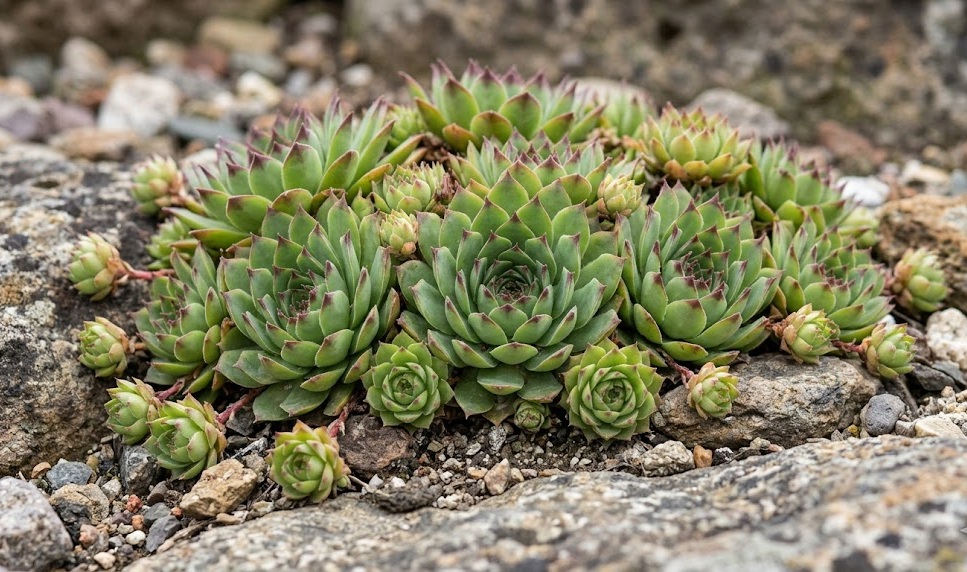

Caring for the common houseleek requires an understanding of its alpine origins and its incredible ability to store moisture within its fleshy leaves. This perennial succulent is renowned for its resilience, making it a favorite for both novice gardeners and seasoned landscape architects who appreciate low-maintenance greenery. While it is often seen as a “plant and forget” species, achieving the perfect rosette form and vibrant color requires specific attention to environmental conditions. By mimicking its natural rocky habitat, you can ensure that these architectural plants thrive for many years in your garden or containers.
The substrate used for these succulents must be exceptionally well-draining to prevent the accumulation of moisture around the root system. Most growers prefer a mixture that incorporates a significant amount of inorganic material such as grit, perlite, or crushed lava rock. Standard potting soil is often too heavy and retains far too much water, which can lead to the rapid decline of the plant’s health. A ratio of one part organic matter to two parts drainage material usually provides the ideal balance for long-term growth.
The placement of your houseleeks significantly influences their overall appearance and the intensity of their leaf coloration. These plants are true sun-lovers and require a minimum of six hours of direct sunlight every day to maintain their compact shape. In lower light conditions, the rosettes tend to stretch out and lose their characteristic tight formation, a process known as etiolation. If you notice the center of the plant becoming pale and elongated, it is a clear sign that the specimen needs more luminous exposure.
Maintaining the health of the colony involves periodically checking for dead or decaying leaves at the base of the rosettes. While the plant naturally sheds older outer leaves as new growth emerges from the center, these dry bits can sometimes trap unwanted moisture. Gently removing these shriveled leaves with a pair of tweezers or your fingers helps maintain airflow around the base of the plant. This simple act of hygiene prevents various fungal issues and keeps the display looking sharp and professional.
Creating the ideal microclimate for growth
The temperature tolerance of this species is quite remarkable, as it can withstand both freezing winters and scorching summer heat. However, the combination of high humidity and high temperatures can be challenging, as the plant prefers dry, moving air. Providing a location with good ventilation is key to preventing the rot that often plagues succulents in more humid climates. If you are growing them in pots, raising the containers off the ground can help improve air circulation significantly.
More articles on this topic
During the peak growing seasons of spring and early summer, the plant focuses its energy on producing offsets, often called “chicks.” This is the time when the parent plant, or the “hen,” is most active and may require a bit more observation. You will notice small runners emerging from between the leaves, which eventually develop into independent rosettes. Ensuring that these young plants have space to touch the soil surface will allow them to establish their own roots quickly.
While these succulents are incredibly tough, they do benefit from a stable environment where they are not constantly disturbed. Frequent transplanting can stress the root system and delay the production of offsets for an entire season. Once you have found a suitable spot that meets their light and drainage requirements, it is best to let them settle in. A established colony will eventually form a dense mat that acts as a beautiful, living groundcover.
Managing the life cycle of the rosettes
One unique aspect of caring for these plants is understanding their monocarpic nature, which means a single rosette dies after it flowers. When a rosette reaches maturity, the center will begin to elongate into a tall flower spike covered in small, star-shaped blossoms. While the flowers are charming and attract pollinators, the parent rosette will inevitably wither away once the seeds have set. This is a natural part of the life cycle and should not be a cause for alarm.
To maintain the aesthetic of the colony after flowering, you should wait until the flower stalk has completely dried out before removing it. Gently tugging the dead stalk usually allows it to pop out of the center without damaging the surrounding younger rosettes. The space left behind by the departed “hen” is quickly filled by the “chicks” that have been growing around her base. This continuous cycle of renewal is what allows a patch of houseleeks to persist for decades.
More articles on this topic
In some cases, you might want to prevent flowering to keep the main rosette alive for a longer period, though this is difficult to control. Some gardeners attempt to pinch out the emerging flower bud, but the plant often continues its reproductive mission regardless. It is usually better to embrace the flowering process as a sign of a healthy, mature plant. The biological energy spent on flowering is a testament to the ideal care you have provided.
Advanced techniques for aesthetic perfection
For those who want to showcase their houseleeks in competitive gardening or specialized displays, the details matter immensely. Top-dressing the soil with a layer of fine gravel or decorative stone not only looks professional but serves a functional purpose. This layer keeps the fleshy lower leaves from touching damp soil, which significantly reduces the risk of rot. It also helps to moderate soil temperature and keeps the roots cooler during the most intense summer afternoons.
Choosing the right color of stone can also enhance the natural pigments of the plant, which range from deep reds to silvery greens. A dark basalt or slate background makes the brighter greens pop, while a lighter limestone can highlight the purple tips of certain varieties. These aesthetic choices don’t just affect the look; they also influence how much heat is absorbed by the ground. Experimenting with different mineral mulches can lead to surprising shifts in the plant’s seasonal color transitions.
The density of the colony can be managed to either create a lush carpet or to emphasize individual rosette structures. If the plants become too crowded, they may begin to push each other out of the soil, leading to a mounded appearance. Thinning out the colony every few years by removing older or smaller rosettes allows the remaining plants more room to expand. This practice ensures that each individual rosette has the space to reach its maximum potential size.
Nutritional balance and soil chemistry
While these succulents are adapted to nutrient-poor soils, a small amount of supplemental nutrition can occasionally be beneficial. They primarily thrive on the minerals released from the breaking down of the surrounding rocks and grit in their habitat. In a garden setting, the natural breakdown of organic matter usually provides enough nitrogen for steady growth. Over-fertilizing is a common mistake that leads to soft, bloated growth and a loss of the plant’s natural hardiness.
If you feel the need to fertilize, it is best to do so only once a year during the very beginning of the spring growing season. Use a highly diluted liquid fertilizer that is low in nitrogen to avoid encouraging weak, leggy tissues. A cactus or succulent specific formula is usually the safest bet for maintaining the compact integrity of the rosettes. Always apply the fertilizer to the soil around the plant rather than directly onto the leaves to prevent chemical burns.
The pH level of the soil is another factor that can influence the health and color of your houseleeks. They generally prefer a neutral to slightly alkaline environment, which mirrors the limestone cliffs where they are often found in the wild. If your soil is naturally very acidic, adding a small amount of garden lime can help bring the chemistry into a better range. Monitoring these subtle factors is what separates a casual grower from a true succulent expert.
Seasonal transitions and adaptation
As the seasons change, you will notice the common houseleek undergoing significant visual transformations. In the spring, the colors are often at their most vibrant as the plant wakes up from winter dormancy and begins to grow rapidly. This is the best time to perform any maintenance tasks or to reorganize your collection. The plants are at their most resilient during this period and can handle minor stresses with ease.
During the height of summer, the plant enters a semi-dormant state to conserve water and survive the heat. You may see the rosettes closing up tightly, pulling their leaves inward to protect the sensitive growing point at the center. This is a natural defensive mechanism and should not be mistaken for a lack of water. Providing a bit of light shade during the hottest part of the day can help prevent the leaves from scorching.
Autumn brings another shift as the temperatures drop and the plant prepares for the coming cold. Many varieties will develop deeper red or bronze hues in response to the cooler nights, providing a final burst of color for the year. This is the time to stop any fertilization and reduce the frequency of observation, allowing the plant to harden off naturally. Preparing the plant for winter is mostly about ensuring it is dry and well-anchored in the ground.
Long term sustainability of the collection
A well-tended collection of houseleeks can be a legacy feature in a garden, lasting for generations if properly managed. Because they reproduce so readily, you will always have a supply of new plants to replace any that eventually succumb to age. Sharing these offsets with friends and neighbors is a time-honored tradition among gardeners. This practice not only builds community but ensures the survival of specific cultivars across different garden environments.
To ensure the sustainability of your plants, always keep a few rosettes in a separate “backup” container or area. This protects your collection from localized issues like a sudden pest outbreak or a particularly harsh weather event. It also allows you to experiment with different soil mixes or light levels without risking your entire stock. Diversifying the locations where you grow them is a simple but effective strategy for long-term success.
Finally, keep a record of the varieties you grow, as many hybrids look very similar but have different growth habits. Labeling your plants or keeping a garden journal helps you track which ones perform best in your specific climate. This professional approach to gardening allows you to refine your care techniques over the years. Ultimately, the common houseleek rewards your attention with a timeless, architectural beauty that few other plants can match.