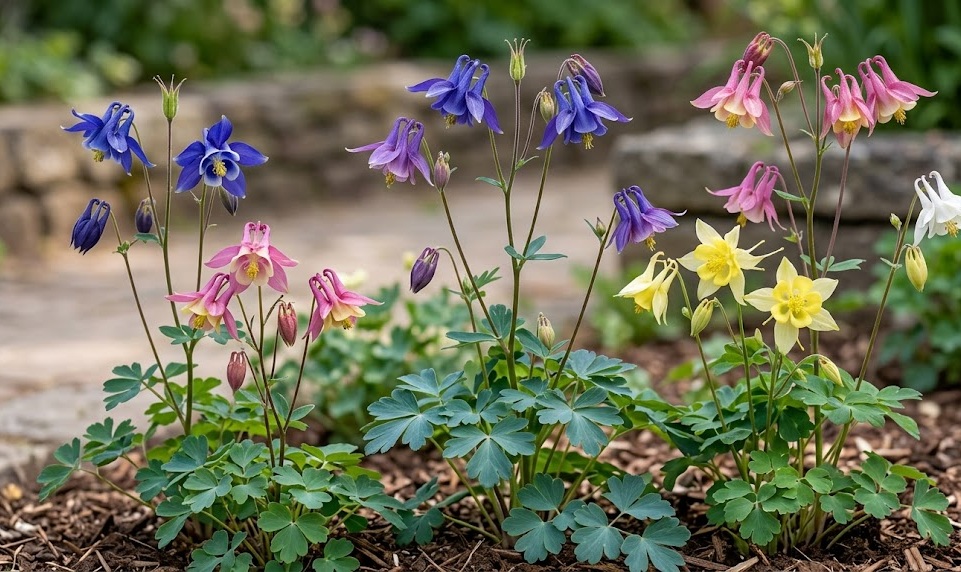

Maintaining the delicate beauty of columbine in a domestic garden requires a nuanced understanding of its specific biological needs throughout the growing season. These perennial plants are cherished for their unique spurred flowers and elegant foliage which add a touch of woodland charm to any landscape. Success starts with mimicking their natural habitat while providing enough intervention to ensure they thrive in a controlled environment. A consistent approach to soil management and environment monitoring will yield the most impressive floral displays year after year.
Understanding the lifecycle and habit
Columbines are known as short-lived perennials that typically maintain their peak vigor for about three to four years before naturally declining. Because of this limited lifespan, gardeners must understand how to manage the natural renewal process within their flower beds. The plant focuses much of its energy on seed production after the initial spring blooming period concludes. Observing these cycles allows you to decide when to intervene and when to let nature take its course.
The growth habit of this species is characterized by a basal rosette of compound leaves that emerges early in the spring. These leaves provide a lush green backdrop for the tall, slender flower stalks that rise above the foliage in late spring. As the season progresses, the foliage may lose some of its luster, especially if the weather becomes excessively hot or dry. Recognizing this transition is key to keeping the garden looking tidy and well-maintained.
Healthy plants will produce a significant amount of viable seed if the spent flowers are not removed immediately after fading. While this is a great way to ensure a constant supply of new plants, it can also lead to overcrowding if left unchecked. You should monitor the density of your garden beds to ensure that air circulation remains adequate between the individual plants. Thinning out older or weaker specimens can often revitalize the entire patch and prevent the spread of common garden ailments.
Expert gardeners often treat these plants as part of a dynamic system rather than static individual specimens. By allowing a few select pods to ripen each year, you ensure that younger, more vigorous plants are always ready to replace the older ones. This strategy creates a self-sustaining population that requires less manual intervention over the long term. Understanding this natural rhythm is the first step toward becoming a truly proficient grower of this particular species.
More articles on this topic
Selecting the ideal soil and environment
The foundation of successful cultivation lies in the physical and chemical properties of the soil where the roots will reside. These plants prefer a medium that is rich in organic matter and capable of retaining moisture without becoming waterlogged. A loamy texture is generally considered ideal because it offers the perfect balance of drainage and nutrient availability. Adding compost or well-rotted manure before planting can significantly improve the quality of most garden soils.
Drainage is perhaps the most critical factor when considering the long-term health of the root system. If the soil remains too wet during the dormant season, the delicate taproots are highly susceptible to various fungal rots. You should avoid planting in low-lying areas of the garden where water tends to collect after heavy rainfall. Raised beds can be an excellent solution for gardeners who struggle with heavy clay soil that drains poorly.
The pH level of the soil also plays a significant role in the plant’s ability to uptake essential nutrients from the ground. Ideally, the soil should be slightly acidic to neutral, falling within a range that supports diverse microbial activity. If you are unsure about your soil’s chemistry, a simple test can provide valuable insights into necessary amendments. Sulfur or lime can be used to adjust the acidity or alkalinity to meet the specific requirements of the plant.
Environmental stressors like wind and extreme heat should also be considered when choosing a permanent location. While the stems are surprisingly sturdy, they can be damaged by high winds during the peak of the flowering season. Placing them near taller shrubs or structures can provide a natural windbreak that protects the delicate blooms. Ensuring a stable environment helps the plant focus its energy on growth rather than recovering from physical damage or thermal stress.
More articles on this topic
Managing seasonal growth patterns
As the spring temperatures begin to rise, you will notice the first signs of life appearing at the base of the previous year’s growth. This is the time to clear away any old debris or dead foliage that might have harbored pests during the winter months. Providing a clean slate allows the new leaves to expand without being obstructed by last season’s remains. Early spring is also the best time to apply a light layer of mulch around the base of the plant.
During the peak growing months of May and June, the plants will require the most attention regarding their moisture and nutrient levels. This is when the flower stalks are rapidly extending and the plant is preparing its primary display for the year. Consistent care during this window ensures that the flowers are large, vibrant, and held high on strong stems. Monitoring for any signs of nutritional deficiencies or pest infestations is crucial during this period of high metabolic activity.
Once the primary bloom has finished, the plant enters a secondary phase where it focuses on seed development and foliage maintenance. Many gardeners notice a slight decline in the aesthetic quality of the leaves during the height of the summer heat. Providing extra shade or supplemental water can help mitigate this mid-summer slump and keep the plant looking relatively fresh. If the foliage becomes too unsightly, a gentle cut-back can sometimes stimulate a flush of new, healthy green growth.
Autumn is the season for preparation and ensuring that the plant is ready for the coming cold. As the days shorten, the metabolic rate of the plant slows down, and it begins to pull nutrients back into its root system. This is not the time for heavy fertilization, as you do not want to encourage tender new growth that will be killed by the frost. Instead, focus on tidying the area and ensuring the soil is adequately protected for the winter dormancy.
Encouraging a diverse garden ecosystem
Columbines are highly attractive to various pollinators, which makes them a valuable addition to any wildlife-friendly garden. Hummingbirds, bees, and butterflies are frequently seen visiting the unique nectar spurs found at the back of the flowers. By including these plants in your landscape, you are providing a critical food source for these beneficial creatures early in the season. A garden teeming with life is often more resilient to pests and diseases than a monoculture environment.
The structure of the foliage also provides cover and habitat for smaller beneficial insects that help control pest populations naturally. When you avoid using harsh chemical pesticides, you allow these natural predators to thrive and maintain a healthy balance. Encouraging a diverse range of plant species alongside your columbines will create a more stable and self-regulating ecosystem. This holistic approach to gardening reduces the need for constant human intervention and chemical inputs.
Interplanting with other perennials can also help manage the visual changes that occur throughout the growing season. Since columbine foliage can look tired in late summer, pairing them with later-blooming plants like hostas or ferns is a smart move. These companion plants can fill in the gaps and provide visual interest when the columbines are no longer the stars of the show. Choosing companions with similar cultural requirements makes maintenance much easier for the gardener.
Furthermore, the genetic diversity resulting from natural cross-pollination can lead to interesting new flower colors and forms in your garden. If you grow multiple varieties, the seedlings that emerge may exhibit unique characteristics that differ from the parent plants. This element of surprise is one of the joys of working with a species that self-seeds so readily. Embracing this natural variation adds a layer of depth and evolution to your personal horticultural space.
Advanced techniques for flower production
To maximize the duration of the flowering period, diligent deadheading is one of the most effective tools in a gardener’s arsenal. By removing the faded flowers before they can form seed pods, you signal the plant to continue producing more buds. This can extend the display by several weeks, depending on the specific cultivar and local weather conditions. Use sharp, clean snips to cut the flower stalk back to a set of healthy leaves or a secondary bud.
Feeding the plants with a balanced, slow-release fertilizer in early spring provides the necessary fuel for a robust bloom. Avoid fertilizers with excessively high nitrogen levels, as this can lead to lush foliage at the expense of flower production. A balanced formula like 10-10-10 or a natural compost tea is usually sufficient to support the plant’s needs. Proper nutrition ensures that the colors are intense and the stems are strong enough to support the weight of the blossoms.
Monitoring the light levels as the seasons change is also important for maintaining high flower quality over several years. If a site becomes too shaded due to the growth of nearby trees, the columbines may produce fewer flowers and become leggy. Occasionally thinning out overhead branches can restore the light levels needed for optimal blooming performance. Conversely, providing temporary afternoon shade during extreme heatwaves can prevent the flowers from wilting prematurely.
If you are growing specific varieties for exhibition or breeding, you may need to take more controlled steps to manage pollination. Bagging individual flowers can prevent unwanted cross-pollination and ensure that the seeds produced are true to the parent type. This level of detail is usually only necessary for serious hobbyists or professional breeders. For the average home gardener, the natural and spontaneous nature of these plants is part of their inherent beauty and charm.
Addressing common growth challenges
One of the most frequent issues encountered by growers is the sudden wilting of foliage during the hottest parts of the summer. This is often a physiological response to heat stress rather than a sign of disease or lack of water. Providing a thick layer of organic mulch can help keep the root zone cool and reduce the evaporation of soil moisture. If the wilting persists even after the temperature drops, you should investigate the root system for potential issues.
Poor flower production can sometimes be attributed to the age of the plant or an imbalance in soil nutrients. As mentioned previously, these plants are not long-lived, so a decline in vigor is a natural part of their biology. If a previously healthy patch is no longer blooming well, it may be time to allow new seedlings to take over the space. Refreshing the soil with new organic matter can also help jumpstart the growth of younger plants in the same area.
Crowding can lead to a lack of air circulation, which in turn increases the risk of foliar diseases like powdery mildew. If your plants are growing too close together, it is wise to thin them out or relocate some individuals to a different part of the garden. Ensuring that there is plenty of space for air to move around the leaves will keep the foliage dry and healthy. This simple preventative measure can save a lot of trouble later in the growing season.
Finally, unexpected weather events like late spring frosts or heavy hail can cause physical damage to the emerging flower stalks. While the plants are generally hardy, the tender new growth is vulnerable to extreme physical impact. If a frost is predicted after the buds have started to form, covering the plants with a light frost cloth can protect the season’s display. Being proactive in the face of changing weather patterns is a hallmark of a successful and attentive gardener.
Long term maintenance and rejuvenation
A successful columbine patch requires a long-term vision that accounts for the natural turnover of individual plants. Every few years, you should assess the overall health of the colony and decide if any major changes are needed. This might involve clearing out older, woody crowns that are no longer producing significant growth. Replacing these with fresh compost and allowing space for new seedlings ensures the cycle continues without interruption.
Dividing older clumps is sometimes possible, but it must be done with great care due to the fragile nature of the taproot. This is best attempted in early spring or late autumn when the plant is not under heat stress. Gently lift the entire root ball and use a sharp knife to separate the crowns, ensuring each piece has a healthy portion of roots. Replant the divisions immediately and keep them well-watered until they have established themselves in their new location.
Keeping detailed records of which varieties perform best in your specific garden conditions can be incredibly helpful. Some cultivars may be more resistant to local pests or better suited to your soil type than others. By observing and noting these differences, you can refine your plant selection over time for a more successful garden. Sharing seeds or plants with neighbors can also help preserve local varieties that have proven their resilience in your climate.
Ultimately, the goal of maintaining columbines is to create a harmonious balance between the plant’s wild nature and the gardener’s aesthetic desires. These plants bring a sense of grace and movement to the garden that few other perennials can match. With a bit of specialized knowledge and consistent care, you can enjoy their intricate beauty for many years to come. The effort invested in understanding their needs is amply rewarded every spring when the first bells begin to sway in the breeze.