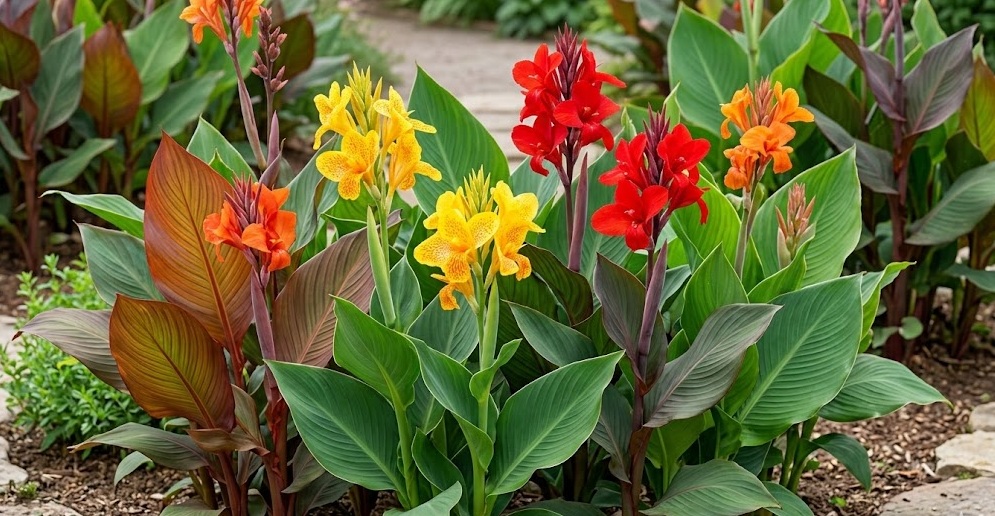

The majestic appearance of the canna lily makes it a centerpiece in any modern landscape or traditional garden bed. Successfully managing these tropical perennials requires a deep understanding of their biological cycle and environmental preferences. You must pay close attention to the development of their rhizomes and the vibrant foliage they produce throughout the summer. This guide provides professional insights into keeping your plants healthy and visually stunning for years to come.
Choosing the right location serves as the foundation for a successful growing season for these heavy feeders. You should prioritize areas that receive maximum sunlight to ensure the plants have enough energy for flower production. The soil must be rich in organic matter and offer excellent drainage to prevent any rot issues. Preparing the site with compost well before the growing season starts will yield much better results.
Daily observation helps you identify the specific needs of each individual plant as the weather changes. You should look for signs of hydration levels and check the undersides of leaves for any potential issues. Maintaining a clean area around the base of the plant prevents the buildup of unwanted debris. Consistent care leads to a much longer blooming period that can last until the first frost.
Developing a routine for your garden allows these tropical giants to reach their full height and potential. You need to monitor the growth rate to adjust your support structures if the stems become too heavy. Tall varieties often require staking, especially in areas where strong winds are common during the summer months. Gentle ties should be used to avoid damaging the soft tissues of the stems.
Soil management and bed preparation
Achieving the perfect soil structure is essential for the rapid expansion of the rhizome system underground. You should aim for a loamy texture that allows roots to penetrate deeply without much resistance. Incorporating aged manure or high-quality compost significantly improves the nutrient profile of your garden bed. Testing the acidity of the soil helps you determine if any pH adjustments are necessary.
More articles on this topic
Drainage remains one of the most critical factors for the health of your tropical specimens. While these plants love moisture, they cannot survive in standing water that lacks proper oxygen flow. You might consider raising the garden beds if your local soil is naturally heavy in clay. Adding coarse sand or perlite can also help improve the overall aeration of the planting zone.
Nutrient availability fluctuates throughout the season, so building a reservoir of organic matter is a smart strategy. You should work the soil to a depth of at least thirty centimeters to accommodate the large root mass. Removing large stones and breaking up heavy clumps ensures that the rhizomes can grow without physical obstructions. This preparation phase sets the stage for a spectacular display of foliage and flowers.
Mulching provides a protective layer that regulates soil temperature and helps retain precious moisture during heatwaves. You should use organic materials like shredded bark or straw to cover the area around the plants. This layer also suppresses weed growth, which reduces competition for nutrients in the soil. As the mulch decomposes, it further enriches the ground with beneficial microorganisms and organic compounds.
Seasonal maintenance routines
Spring represents the time of awakening when you must prepare the garden for the coming heat. You should wait until the danger of frost has completely passed before moving any sensitive parts outdoors. Gradually acclimating the plants to the outdoor environment prevents shock and leaf burn from the sun. Starting the season with a clean slate ensures that your garden remains productive and beautiful.
More articles on this topic
Summer is the peak performance period when the plants require your most diligent attention and care. You should focus on maintaining consistent moisture levels to support the rapid development of large leaves. Deadheading spent blossoms encourages the plant to put its energy into new flower spikes rather than seeds. Monitoring for any signs of heat stress will help you intervene before any permanent damage occurs.
Autumn signals a shift in the plant’s physiology as it begins to prepare for its dormant phase. You should notice a natural slowing of growth as the days become shorter and temperatures begin to drop. Reducing the frequency of certain care tasks allows the plant to transition naturally into its resting state. This is the time to start planning for the protection of the rhizomes during the winter.
Winter care is mostly about preservation and ensuring the survival of the genetic material for next year. You must provide a cool and dry environment if you choose to lift and store the rhizomes indoors. Checking the stored parts periodically helps you spot any rot or drying issues before they spread. Proper winter management ensures a vigorous start when the warm weather finally returns in the spring.
Enhancing floral production
Flower spikes are the crowning glory of these plants, requiring specific conditions to reach their maximum brilliance. You should ensure the plant has access to adequate phosphorus to support the development of strong blooms. Removing the first small flower buds can sometimes encourage the plant to produce larger and more robust spikes later. Proper spacing between plants allows for better air circulation around the developing blossoms.
Deadheading is a professional technique that significantly extends the duration of the flowering season for your garden. You should cut the spent flower stalks back to the next node to stimulate further growth. This prevents the plant from wasting resources on seed production which can shorten the blooming cycle. Regular maintenance of the flower heads keeps the entire garden looking fresh and well-tended.
The color intensity of the flowers often depends on the specific micronutrients available in the growing medium. You should consider using a balanced fertilizer that includes iron and magnesium for more vibrant hues. Protecting the blooms from extreme afternoon sun can also help preserve the delicate colors of certain varieties. Healthy plants with strong immune systems naturally produce more impressive and long-lasting floral displays.
Observing the timing of the blooms helps you plan your garden layout for continuous color throughout the year. You should group different varieties with varying bloom times to create a dynamic and changing landscape. Recording which plants perform best in your specific microclimate allows for better selection in future years. Professional gardeners often keep a log of flowering periods to optimize the visual impact of their beds.
Foliage care and aesthetics
The leaves of these plants are just as valuable as the flowers for creating a tropical atmosphere. You should clean the large leaf surfaces occasionally to remove dust and improve the plant’s photosynthetic efficiency. Inspecting the foliage for any mechanical damage from wind or hail is part of regular maintenance. Healthy leaves should have a natural sheen and be free from any yellowing or brown edges.
Variegated varieties require special attention to maintain their unique patterns and prevent them from reverting to solid green. You should provide these types with slightly filtered light to protect the lighter areas of the leaves from burning. Avoiding overhead watering helps prevent water spots and reduces the risk of fungal growth on the foliage. Consistent moisture is key to preventing the leaf tips from drying out and turning brown.
Pruning damaged or old leaves keeps the plant looking tidy and focuses energy on new, healthy growth. You should always use sharp, sterilized tools to make clean cuts and prevent the spread of pathogens. Removing leaves that are touching the ground can help prevent pests from easily accessing the plant. A well-pruned plant has better airflow, which is essential for maintaining overall health and vigor.
The size of the leaves can be an indicator of the overall health and nutrient status of your specimen. You should aim for large, expansive foliage that demonstrates the plant’s ability to absorb energy efficiently. If leaves appear smaller than usual, it may be a sign that the plant needs more water or fertilizer. Providing the right environment will result in a lush, architectural display that anchors your garden design.
Integrated nutrient management
Providing a steady supply of nutrients is vital for plants that grow as rapidly as these tropical giants. You should use a combination of slow-release granules and quick-acting liquid fertilizers for the best results. Nitrogen is particularly important during the early stages of growth to build strong stems and large leaves. Transitioning to a formula higher in potassium will support the development of flowers as the season progresses.
Organic amendments like seaweed extract or fish emulsion provide beneficial trace elements that synthetic fertilizers might lack. You should apply these supplements during the evening or on cloudy days to avoid leaf scorch. Microorganisms in the soil play a huge role in making these nutrients available to the plant roots. Maintaining a healthy soil ecosystem is just as important as the actual fertilizer you choose to apply.
Monitoring the plant’s response to your feeding schedule allows you to fine-tune the amounts you provide. You should look for signs of over-fertilization, such as burnt leaf margins or excessively soft, weak growth. If the leaves appear pale, it might be a signal that the plant requires an extra boost of nitrogen. Professional growers often adjust their strategy based on the specific growth stage and current weather conditions.
The timing of fertilizer applications should coincide with the plant’s natural periods of active growth and expansion. You should stop feeding the plants as autumn approaches to allow them to harden off for the winter. This prevents the production of tender new growth that would be easily damaged by the first cold snap. A disciplined approach to nutrition ensures a sustainable and healthy life cycle for your garden residents.
Long term garden sustainability
Building a sustainable garden involves understanding the long-term needs of your perennial collection and the surrounding environment. You should practice crop rotation if possible to prevent the buildup of soil-borne pathogens in specific areas. Composting all healthy plant waste creates a closed-loop system that returns nutrients back to your own soil. Encouraging beneficial insects helps maintain a natural balance and reduces the need for chemical interventions.
Rhizome health is the most important factor for the longevity of your collection over several growing seasons. You should divide the clumps every few years to prevent overcrowding and maintain the vigor of the plants. This process also gives you the opportunity to inspect the underground parts for any signs of disease. Sharing healthy divisions with other gardeners is a great way to preserve rare or favorite varieties.
Water conservation is an increasingly important aspect of modern professional gardening and agricultural practices. You should use drip irrigation systems that deliver water directly to the root zone with minimal waste. Grouping plants with similar water needs together makes your management tasks much more efficient and effective. Using rain barrels to collect water provides a soft, chlorine-free source that is ideal for sensitive tropical plants.
Documenting your successes and challenges provides a roadmap for future improvements in your gardening techniques and results. You should keep track of weather patterns and how they affect the growth and blooming of your plants. This knowledge allows you to anticipate problems and prepare your garden for whatever the season may bring. A professional gardener never stops learning from the natural world and the plants they care for.