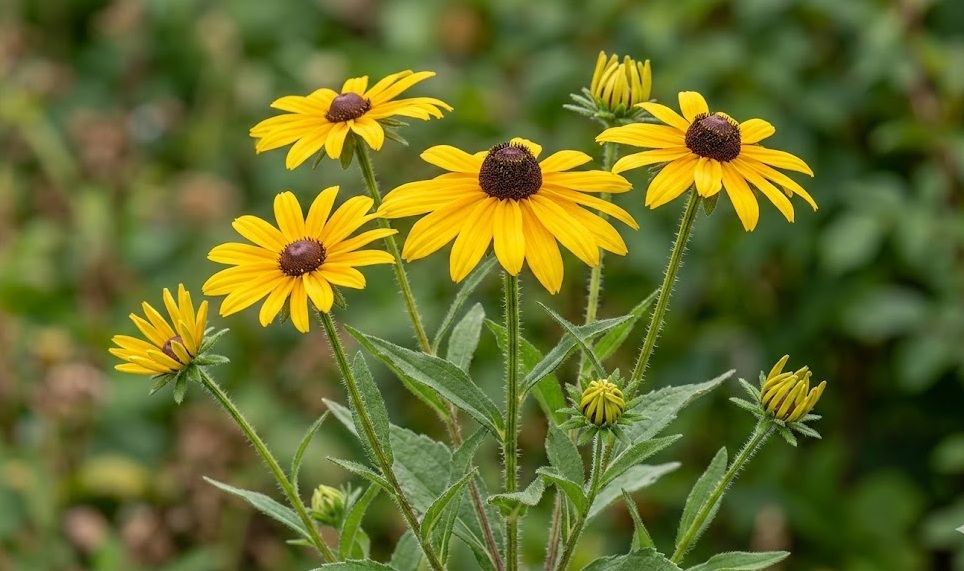

Care for these vibrant yellow flowers involves more than just planting them in a sunny spot and hoping for the best. To achieve the best results, gardeners need to understand the fundamental needs of the plant throughout the growing season. This comprehensive guide will walk you through the essential steps required to maintain a healthy and blooming garden display. By following these professional tips, you can ensure that your landscape remains colorful and resilient for many years.
Consistent monitoring of the soil condition is the first step in ensuring the long-term success of your floral display. You should check the moisture levels regularly, especially during the peak heat of the summer months when evaporation is highest. A healthy plant will show vibrant foliage and strong stems, which indicates that its primary care requirements are being met. If you notice any wilting or discoloration, it is often a sign that the immediate environment needs some adjustment.
Air circulation is another critical factor that many novice gardeners often overlook when managing their flower beds. When plants are crowded too closely together, they become more susceptible to various issues that can hinder their growth. Providing enough space between each individual specimen allows for better light penetration and reduces the risk of moisture-related problems. You should aim to create an environment where each plant has enough room to reach its full potential without competition.
Seasonal transitions require a shift in how you approach the daily tasks associated with garden maintenance and plant health. In the spring, the focus should be on encouraging new growth and preparing the site for the upcoming blooming period. As autumn approaches, your strategy must change to focus on preservation and preparing the root systems for the colder months. Understanding these natural cycles will help you become a more effective and professional caretaker of your outdoor spaces.
Soil and nutrient management
The foundation of any successful gardening project lies in the quality and composition of the soil provided to the plants. These flowers are known for their adaptability, but they truly thrive when the substrate is well-drained and rich in organic matter. You should test your soil occasionally to determine if it has the right balance of nutrients and the correct pH level. Adding compost or other organic amendments can significantly improve the structure of the earth and provide a steady supply of food.
More articles on this topic
Drainage is perhaps the most important physical characteristic of the ground when it comes to preventing root-related issues. If the soil remains waterlogged for too long, the roots will struggle to breathe and may eventually succumb to rot. You can improve drainage in heavy clay areas by incorporating grit or well-rotted leaf mold into the planting site. Observing how water moves through your garden after a heavy rain will give you valuable insights into where improvements are needed.
Nutrient availability is directly linked to the microbial life present within the soil ecosystem surrounding your flower roots. Healthy soil is a living environment filled with beneficial organisms that help break down matter into forms the plants can use. You can support this biological activity by avoiding excessive use of harsh chemicals that might disrupt the natural balance. Instead, focus on building a sustainable soil profile that nourishes the entire garden over a long period of time.
Compaction is a common problem in established gardens that can restrict the growth of even the heartiest flowering species. When the soil becomes too dense, it prevents oxygen and water from reaching the deeper layers where the roots are trying to establish. You can alleviate this issue by gently aerating the ground around your plants using a garden fork or similar tool. Being mindful of where you step in your flower beds will also help prevent the soil from becoming too packed down over time.
Environmental factors and site selection
Choosing the right location for your garden bed is a decision that will impact the health of your plants for several seasons. Sunlight is the primary driver of growth and flowering, so finding an open area with minimal shade is highly recommended. You should also consider how the wind moves through your property, as strong gusts can damage tall stems or dry out the foliage. A protected yet open spot will provide the ideal microclimate for these sun-loving flowers to reach their full height.
More articles on this topic
Proximity to other plants can influence the humidity levels and the availability of resources within a specific garden zone. While it is tempting to create a dense sea of color, you must remember that each individual needs its own share of the available nutrients. Competition for light can lead to leggy or weak growth if the plants are forced to stretch toward the sun. Proper spacing at the time of planting is the best way to avoid these environmental stresses later in the year.
Slope and elevation also play a role in how water interacts with your garden and how frost affects the plants. Lower areas of a property may collect excess water or hold cold air longer during the early spring and late autumn. You should observe your yard during different times of the day to understand these subtle environmental variations. Selecting a slightly elevated or well-leveled site will help ensure that the plants are not subjected to extreme moisture or temperature fluctuations.
Urban environments present unique challenges such as heat islands and reflected light from nearby structures or pavements. If you are gardening in a city, you may need to provide extra water or mulch to compensate for the higher temperatures. Be aware that walls and fences can trap heat, which might cause the plants to bloom earlier than expected but also fade faster. Adapting your care routine to these specific local conditions is a hallmark of a professional and attentive gardener.
Physical support and spacing
As these plants grow, they often reach heights that require some form of physical support to remain upright and attractive. Tall stems are beautiful but can become top-heavy when they are covered in large, vibrant blossoms. You can use bamboo stakes or discreet garden hoops to provide the necessary stability without detracting from the natural look. It is best to put these supports in place early in the season so the plants can grow through them naturally.
Proper spacing is not just about aesthetics; it is a fundamental aspect of maintaining a healthy and disease-free garden. You should follow the recommendations for the specific variety you are growing, as some types spread more aggressively than others. Allowing at least twelve to eighteen inches between plants ensures that they have enough room for both their roots and their foliage. This distance also makes it much easier for you to navigate the bed for weeding and deadheading tasks.
The visual impact of your garden can be enhanced by grouping plants together in a way that mimics their natural growth patterns. Instead of rigid rows, try planting in small clusters that create a more organic and flowing appearance across the landscape. This technique also helps the plants support each other to some extent, though staking might still be necessary for the tallest specimens. Creating a balance between density and airflow is key to a professional-looking and healthy flower bed.
Monitoring the growth rate will help you determine if your spacing strategy needs to be adjusted in subsequent years. If the plants are becoming overly tangled or if the lower leaves are turning yellow due to a lack of light, they are likely too close. You can plan to divide the clumps during the appropriate season to restore the necessary room for each plant. Keeping detailed notes about your garden layout will assist you in making these professional decisions as your landscape matures.
Seasonal maintenance tasks
Spring is the time for renewal and preparation, where your primary goal is to clear away the remnants of the previous year. You should remove any old mulch or debris that might harbor pests or diseases over the winter months. Applying a fresh layer of organic compost will give the emerging shoots the energy they need to grow quickly and strongly. This is also the best time to check your tools and ensure everything is ready for the busy months ahead.
Summer brings the peak of the blooming season, which requires a more hands-on approach to daily and weekly garden care. Deadheading, or removing spent flowers, is a vital task that encourages the plant to produce even more blooms rather than focusing on seed production. You should also keep a close eye on the weather and be prepared to provide supplemental water during periods of prolonged drought. Checking for any signs of pest activity during your daily walkthroughs will allow you to catch issues before they become serious.
As summer fades into autumn, the focus shifts toward harvesting seeds and preparing the garden for its period of rest. You may choose to leave some seed heads on the plants to provide food for local birds during the colder months. This is also a good time to assess which plants performed the best and which areas of the garden might need improvement. Cleaning your garden beds before the first hard frost will make your work much easier when spring returns once again.
Winter maintenance is largely about protection and planning for the future of your agricultural or ornamental projects. While the plants are dormant, you can focus on improving the structure of your garden or building new raised beds. It is also an excellent time to order seeds and research new techniques that you want to implement in the coming year. Taking a break during the winter allows you to return to your garden with renewed energy and a professional plan for success.
Common growth challenges
Every gardener will encounter challenges at some point, but knowing how to identify and address them is what sets a professional apart. Yellowing leaves can be a sign of many different things, ranging from nutrient deficiencies to simple overwatering. You should examine the pattern of the yellowing and the overall vigor of the plant to narrow down the possible causes. Adjusting your care routine gradually is often more effective than making drastic changes that might further stress the system.
Pests are a natural part of any outdoor environment, but they must be managed to prevent them from damaging your floral display. Aphids and mites are among the most common visitors that you might find on the undersides of leaves or on tender new stems. Using a strong stream of water or insecticidal soap can often handle these small intruders without the need for harsh chemicals. Encouraging beneficial insects like ladybugs into your garden is a sustainable way to keep pest populations under control.
Fungal issues like powdery mildew often appear when the weather is warm and humid or when air circulation is poor. You will see a white, dusty coating on the leaves, which can reduce the plant’s ability to photosynthesize effectively. To manage this, try to keep the foliage as dry as possible by watering at the base of the plant rather than from overhead. Thinning out dense patches of growth can also help the wind move through the leaves and keep them dry.
Stunted growth or a lack of flowers can be frustrating, but it usually points to an issue with light or soil fertility. If your plants are in a spot that has become more shaded over the years, they may no longer have the energy to produce large blooms. Adding a balanced fertilizer or moving the plants to a sunnier location can often restore their health and productivity. Persistence and observation are your best tools when dealing with these common horticultural hurdles.
Long-term garden health
Maintaining the vitality of your garden over several years requires a commitment to sustainable practices and regular observation. You should consider rotating certain types of plants or adding new species to maintain the diversity of the ecosystem. This approach helps prevent the buildup of specific pests and diseases that might target a single type of flower. A diverse garden is generally more resilient and easier to manage in the long run than a monoculture.
Dividing mature plants every few years is a professional technique that rejuvenates old clumps and provides you with new specimens for other areas. When a plant becomes too large, the center may begin to die out, and the overall flowering performance will start to decline. By carefully lifting and separating the root mass, you can give each piece a fresh start in improved soil. This process is best done in the early spring or late autumn when the weather is mild and the plants are less stressed.
Keeping a garden journal is a highly recommended practice for anyone looking to improve their horticultural skills over time. You can record the dates of the first and last frosts, the timing of the blooms, and any issues you encountered during the year. This information becomes an invaluable resource that helps you predict future trends and make better decisions for your garden. Over time, you will develop a deep understanding of the unique characteristics of your local climate and soil.
Final success in the garden is not just about the beauty of the flowers, but about the health of the entire environment you have created. By focusing on the soil, the water, and the natural cycles of the plants, you are building a lasting legacy of greenery. Professional gardening is a journey of continuous learning and adaptation to the ever-changing conditions of nature. Enjoy the process of caring for your outdoor spaces, and the rewards will be evident in every vibrant bloom that opens in the sun.